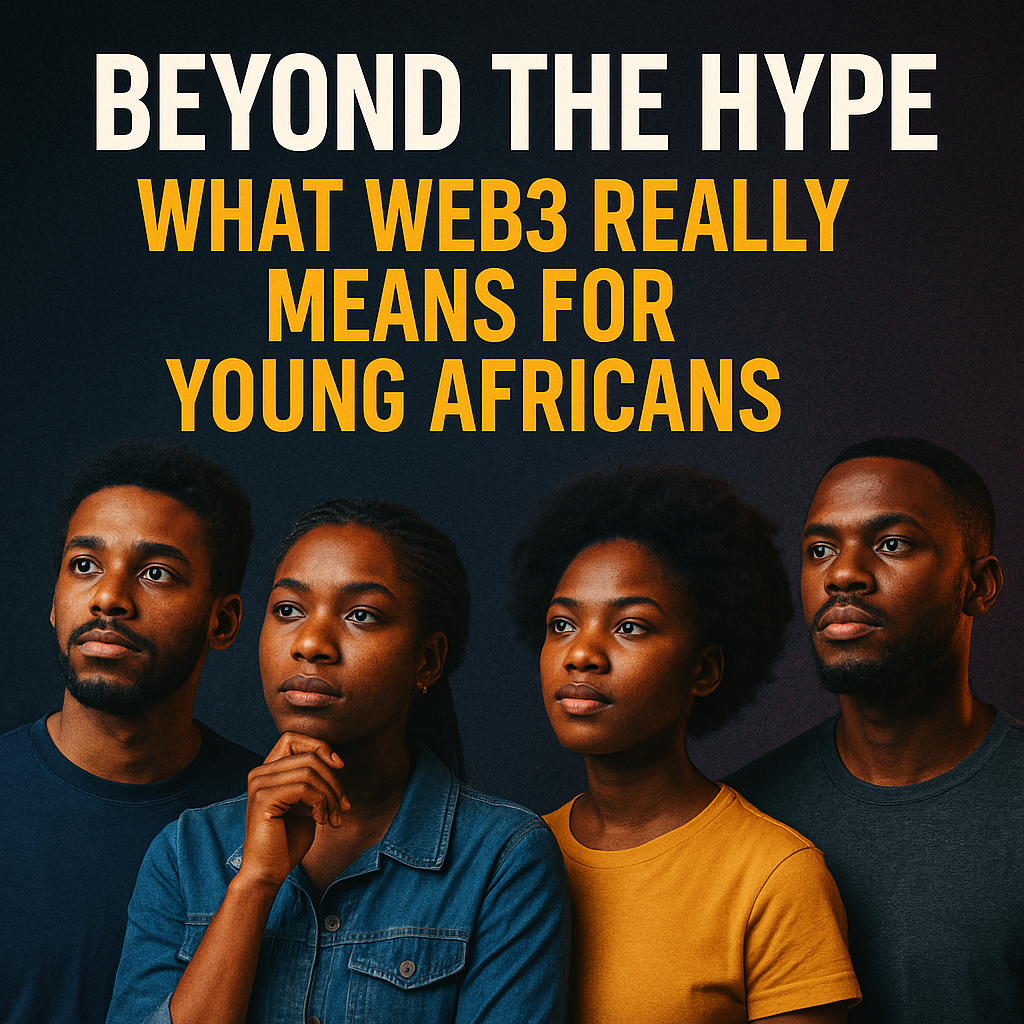
Beyond the Hype: What Web3 Really Means for Young Africans
Everyone’s talking about Web3, but what does it really mean for young Africans? Explore the promises, pitfalls, and real potential of a decentralized internet on the continent.
Introduction: The Buzzword That Won’t Go Away
From Lagos to Lilongwe, Nairobi to Niamey, a new tech term is crawling into everyday conversation: Web3. It promises to upend the centralized internet — ushering in an age of ownership, decentralization, and digital freedom.
But for many young Africans, the hype is like a radio broadcast in a foreign language — loud, exciting, but not quite clear.
We’ve been here before. The mobile phone was going to end poverty. Social media was going to democratize voices. Crypto was going to replace the naira. So the question is:
Is Web3 a revolution in the making — or just another imported promise, made to Africa but not built for her?
Web3, Explained Simply: The Evolution of the Internet
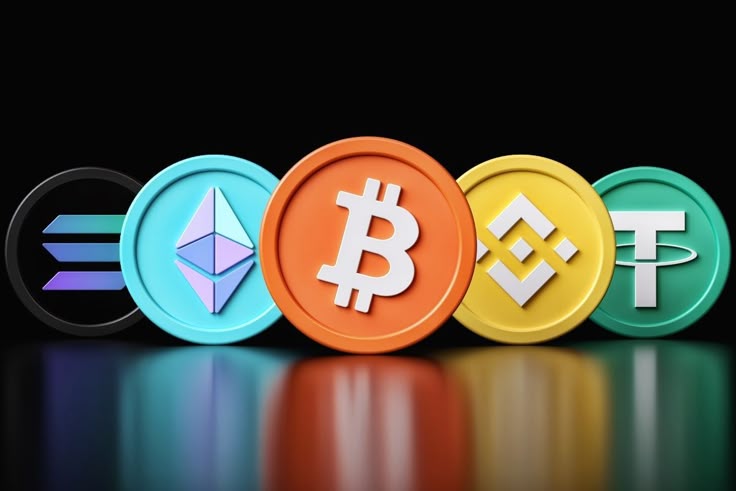
Let’s strip away the jargon. Web3 describes the next phase of the internet, built on blockchain technology — the same infrastructure that powers cryptocurrencies like Bitcoin and Ethereum.
Web1 (1990s–early 2000s): Static web pages. You could read, not write.
Web2 (2000s–now): Platforms like Facebook, Twitter, and Google. You could read and write, but the platforms owned your data.
Web3 (emerging): A decentralized web where you read, write, and own. Your data, digital assets, and even your online identity — all potentially under your control.
This decentralized future includes:
Blockchain: An incorruptible, distributed ledger.
Cryptocurrencies: Digital assets not governed by any nation.
NFTs: Unique digital collectibles — art, music, memes — that carry value and ownership.
DAOs: Leaderless, democratic communities built on code, not hierarchy.
Metaverse: Immersive virtual spaces where avatars work, play, and transact.
Sounds utopian? Maybe. But in Africa — where broken systems often silence ambition — such ideas feel like more than theory. They feel necessary.

Why Young Africans Are Leaning In

1. Broken Systems, Hungry Minds
Africa is the youngest continent on Earth. By 2050, 1 in 3 youths globally will be African. But the systems around them — from education to banking to employment — haven’t evolved with their potential.
Youth unemployment in Nigeria is over 50%, and across the continent, opportunity is stifled by outdated models.
Web3 doesn’t promise a handout. It promises tools — for creators, coders, and communities. Tools that bypass bureaucracy.
That decentralize opportunity. That return dignity to a generation tired of waiting for someone to "fix Africa" for them.
2. Artists Skipping Gatekeepers
Consider Nigerian digital artist Osinachi, who sold NFT art for over $75,000 on SuperRare. He didn’t wait for gallery approval or institutional funding. Instead, he uploaded, minted, and connected — directly with global buyers.
He’s now the first African to sell NFTs via Christie’s, disrupting centuries-old systems. In doing so, he proved a larger truth: Web3 democratizes distribution.
3. Crypto as Currency of Resistance
In Zimbabwe, where hyperinflation once turned wheelbarrows into wallets, Bitcoin became a form of survival. During #EndSARS in Nigeria, protesters used crypto to fund operations after bank accounts were frozen.
In these moments, Web3 was more than finance. It was freedom — a way to opt out of broken national systems without permission.
4. DAOs and Digital Communalism
In Nairobi, Soweto, Accra — young Africans are forming DAOs to co-own projects, vote on policies, and share wealth. From digital writing collectives to music-label co-ops, the idea of Ubuntu is being reimagined on-chain.
It’s not just about making money. It’s about remaking community — online, borderless, and self-sovereign.
The Mirage in the Machine: Where It Gets Complicated
But let’s not be blinded by the brilliance.
For every Web3 success story in Africa, there are ten cautionary tales. Tech doesn’t fix old problems if those problems are imported into new systems.
1. Scams in Stylish Packaging
In Ghana and Nigeria, Telegram groups promising crypto riches have left many bankrupt. DeFi Ponzi schemes. Fake NFTs. Pump-and-dump coins.
In 2022 alone, over $3.8 billion was lost to Web3 scams globally — and Africa wasn’t spared.
Web3 is neutral. Greed is not. Without education, the promise of wealth becomes a predator’s bait.
2. The Infrastructure Illusion
Web3 assumes you have:
Fast internet
A reliable phone
Digital literacy
Electricity
But in many parts of Africa, even Google takes a minute to load. As of 2023, only 36% of Sub-Saharan Africans had consistent internet access (source).
How can you mint an NFT when the power is out?
3. No Rules, No Rights
Regulation in Africa is patchy. In 2021, Nigeria banned crypto transactions, only to reverse course under pressure. In other countries, Web3 startups operate in legal limbo.
When something goes wrong — and it will — there’s often nowhere to turn, no one to sue, no one to blame. Web3 may be borderless, but the damage it causes is local.
Voices from the Ground: Real Africans, Real Thoughts
Blockchain will leapfrog Africa into the digital age. It’s not about speculation, it’s about solving problems.”
— Chuta Chimezie, Founder, Blockchain Nigeria User Group“Young people in Africa are looking for freedom — financial, creative, political. Web3 speaks to that desire.”
— Roselyne Wanjiru, Crypto Educator, Kenya“Most young Africans are hearing about Web3 but don’t understand how to use it. We need education before we dive in.”
— Mutembei Kariuki, Blockchain Entrepreneur, Kenya
The message is clear: Web3’s promise is only as strong as Africa’s preparedness.

The Real Potential: Digital Dignity, Not Just Digital Riches
What if Web3’s real gift to Africa isn’t crypto wealth — but digital dignity?
Digital ID: Over 500 million Africans lack legal identification. Blockchain IDs can help them access education, voting, healthcare — basic rights many are denied.
Preservation of Culture: African languages, songs, and oral histories can be stored, monetized, and authenticated via NFTs — not just archived but valued.
Innovation, On Our Terms: Platforms like Mara, Kotani Pay, and Afropolitan aren’t just participating in Web3. They’re redefining what it means to be African in the digital age.
The Path Forward: How We Make Web3 Ours
If Web3 is to serve young Africans, we must do more than log in. We must log ownership.
Digital Literacy for All
Tech education should be as accessible as clean water. Web3 literacy must begin in schools, communities, and tech hubs like CcHub.Infrastructure Before Innovation
Without power, even the metaverse is silent. African governments must prioritize broadband, energy, and mobile access as non-negotiables.Support Local Startups
Afro-centric Web3 platforms — made by Africans, for Africans — are essential. We don’t need the next Silicon Valley. We need the first Silicon Sahara.Smart, Inclusive Regulation
Africa’s policymakers must resist the urge to ban what they don’t understand. Instead, we need legal frameworks that protect users while encouraging innovation.Build DAOs That Serve Us
Imagine a DAO to fund girls’ education in Malawi. Or to support displaced communities in Sudan. The tech is here — we just need purpose behind it.
Conclusion: Web3 Is a Mirror, Not a Magic Wand
Web3 will not solve all of Africa’s problems. It will not replace leadership, fix corruption, or end inequality.
But it offers a mirror — showing us who we are in the digital age, and who we might become if we dare to build.
So let’s stop asking, “Is Web3 real?”
Let’s start asking:
Will Africa be a guest in the new internet — or will we own the house?
The tools are here. The choice is ours.