Beyond Pills and Prescriptions: Africa’s Quiet Revolution in Mental Wellness
Discover how African communities are leading a grassroots revolution in mental wellness—leveraging tradition, peer support, and digital tools to tackle stigma, improve access, and redefine healing across the continent.
.jpeg)
Written By: EMMANUEL OKOYE
The narrative of mental health in Africa often leans on perceived deficits: a severe shortage of professionals, underfunded systems, and pervasive stigma.
While these challenges are undeniable, a quieter, more profound revolution is underway. This revolution is driven not by traditional clinics alone, but by the very heart of African communities.
Africa’s Quiet Revolution in Mental Wellness
Across the continent, grassroots initiatives are redefining mental wellness. They are leveraging indigenous wisdom, robust peer networks, and innovative digital tools to bridge gaps in care. These efforts fight stigma and foster healing from the inside out. Africa isn't passively awaiting external solutions; its communities are actively forging unique, culturally resonant pathways to well-being.
Community-Led Models: Seeds of Healing on the Ground
The surge of community-driven mental health support across Africa is a testament to resilience and ingenuity. These models are inherently local, designed to meet specific community needs. They often operate in diverse and resource-constrained settings.
1. Zimbabwe's Friendship Bench:
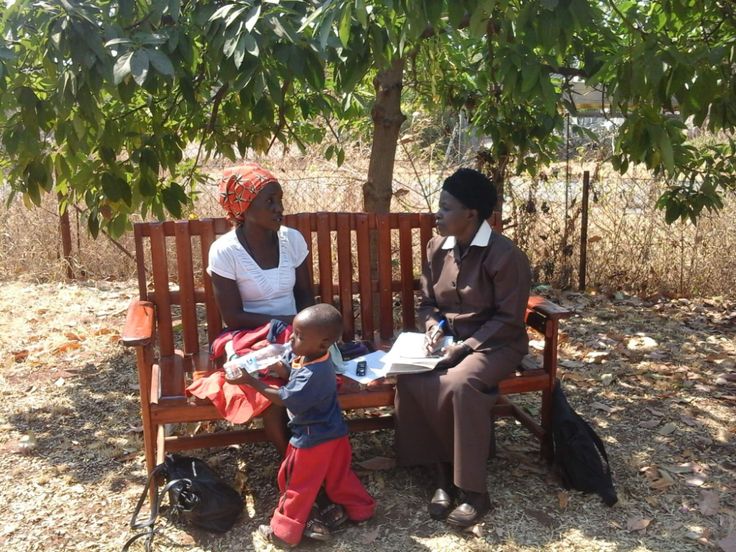
Photo Credit: Pinterest
Launched in Harare, this highly successful program trains elderly women, affectionately known as "Gogos" (grandmothers), to deliver basic cognitive behavioral therapy (CBT) on park benches. These trusted community figures, often without formal mental health training, provide a safe, accessible, and culturally familiar space for individuals to discuss their struggles. This model has proven incredibly effective, demonstrating significant reductions in depressive symptoms among participants and has since been replicated in other African nations and even internationally.
2. Uganda's Peer Nation and Strong Minds:

Photo Credit: Google, PeerNation
Peer Nation (an evolution of HeartSounds) trains lay workers, often individuals with lived experience, to provide at-home outpatient care. These workers act as mentors, ensure medication adherence, and offer vital social support. StrongMinds, active in Uganda and Zambia, similarly employs lay counselors to deliver group interpersonal psychotherapy (IPT-G) to women and adolescents. Since 2014, it has reached over 100,000 individuals.
3. Nigeria's Mentally Aware Nigeria (MANI):

Photo Credit: Google
A youth-focused NGO that has cultivated extensive volunteer networks to destigmatize mental health. Mentally Aware Nigeria operates directly within university campuses and local communities, demonstrating the power of peer engagement and grassroots advocacy.
4. LEAD Community Foundation (LEAD), Nigeria:

Photo Credit: Google, Lead Community Foundation
LEAD Community Foundation promotes comprehensive mental health literacy through advocacy, education, and support. It embeds the importance of mental well-being into schools, institutions, and communities, playing a pivotal role in transforming awareness and access.
LEAD is unwavering in its commitment to championing mental health education, embedding its critical importance into the fabric of schools, institutions, and communities throughout Nigeria, striving to truly lead the charge in fostering a society where mental well-being is not just acknowledged but deeply prioritized
Weaving Together Tradition, Storytelling, and Community
The effectiveness of these local efforts is deeply intertwined with their connection to Africa's traditional practices, oral traditions, and communal structures. Unlike Western models that often individualize mental illness, many African cultures view well-being through a collective lens.

5. Integration of Traditional Healers and Spiritual Leaders:
In many societies, mental distress is attributed to spiritual causes or ancestral issues. Rather than dismiss these beliefs, successful models collaborate with traditional figures. Pioneers like Thomas Lambo (Nigeria), Henri Collomb (Senegal), and Margaret Field (Ghana) adapted services to local contexts, ensuring trust and cultural relevance.
6. Storytelling and Shared Narratives:
In settings where direct talk of mental illness is taboo, traditional storytelling and community gatherings offer avenues for processing trauma, expressing distress, and finding collective healing. Friendship Bench mirrors this with its conversational approach.

7. Use of Digital Tools:
Digital platforms like Kenya's ChatCare (a WhatsApp and Telegram chatbot) and Wazi (SMS-based therapy) provide immediate, anonymous support, especially for youth and low-connectivity regions. These tools amplify community efforts and normalize discussions around mental health.
The Future of Mental Healthcare: Nurturing Grassroots Growth
The success of these grassroots initiatives sends a clear message: the future of mental healthcare in Africa lies in decentralized, community-rooted, and culturally relevant approaches.
However, for these models to thrive:
Increased localized funding is essential. While international partnerships and strategic frameworks from bodies like theAfrican Union and the WHO are vital, direct investment in grassroots organizations empowers them to expand their reach and refine their models.
African governments must prioritize mental health, investing more than the current <1% of health budgets.
Policy reform and integration into primary healthcare systems will legitimize and expand the impact. Rwanda’s "One School, One Nurse" policy and Kenya’s mental health curricula are examples.
Context-specific research must evaluate and document what works in diverse African settings. This research should move beyond simply adopting Western models. Instead, it should focus on evaluating and documenting the effectiveness of indigenous and community-led interventions.
By building a robust evidence base for these unique African solutions, the continent can not only address its own mental health needs but also become a global leader in holistic, culturally informed care.
The "quiet revolution" is already underway; with thoughtful investment and recognition, it can transform mental wellness across Africa and inspire similar shifts worldwide.
By embracing and supporting its unique approaches, Africa can lead the world in holistic, culturally informed mental healthcare. This quiet revolution is no longer invisible — it's thriving, and with the right support, it can transform global narratives on healing and wellness.
Written By: EMMANUEL OKOYE