Age Decline: When Does It Start and Why You Should Know
When does aging really begin? Explore the science of age decline, body maintenance, fitness, and why understanding aging early can help you live better and longer.
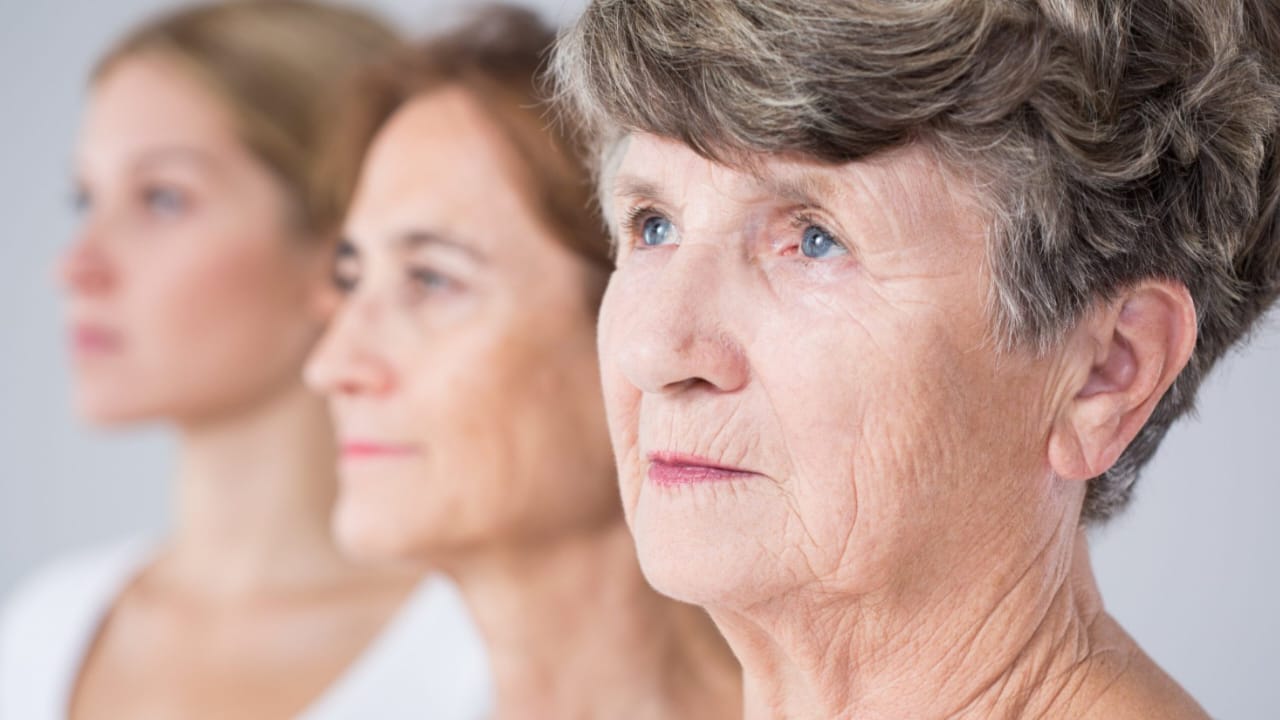
It all began to make sense that morning when Kate sat in front of the mirror, carefully applying makeup before heading out. As she leaned closer, she noticed a small wrinkle on her face, not obvious at first glance, but clear enough when viewed up close.
It unsettled her and life, she realized, was truly moving.
The last time she had felt that quiet shock was during a weekend visit to her parents and amidst the laughter, shared stories, and familiar warmth, she noticed how much they had aged. Their faces carried time differently now.
In that moment, she understood how swiftly the years had passed, and how subtly aging announces itself, not loudly, but persistently.
Standing before the mirror that morning, Kate was no longer just seeing her reflection. She was seeing time at work. It reminded her of the fragility of life itself, of how we are all sojourners in time, aware, if only briefly, that none of us will be here forever.
And in that realization, she began to wonder: when does aging truly begin, and what does it really mean for the body?
The Body, Growth, and the Science of Maintenance

Before decline, there is growth, different paced growth at different times of the human life. The human body is an intricate system designed for development, repair, and balance.
From childhood through early adulthood, biological processes work in near-perfect synchrony to support physical expansion, energy production, and cellular renewal.
At the foundation and backbone of this process is metabolism, the chemical engine that converts food into energy. Metabolism fuels everything from muscle movement to brain activity, while also powering the repair of tissues and the replacement of worn-out cells.
During youth and early adulthood, metabolic efficiency is typically high, allowing the body to recover quickly from stress, injury, and exertion.

Another critical factor in growth and maintenance is genetics. Genes provide the blueprint for how cells divide, how proteins are formed, and how the body responds to internal and external stressors.
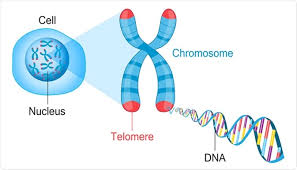
Telomeres, the protective caps at the ends of chromosomes, also play a particularly important role. Each time a cell divides, telomeres shorten slightly. Over time, as telomeres become shorter, cells lose their ability to divide effectively, contributing to aging at the cellular level.
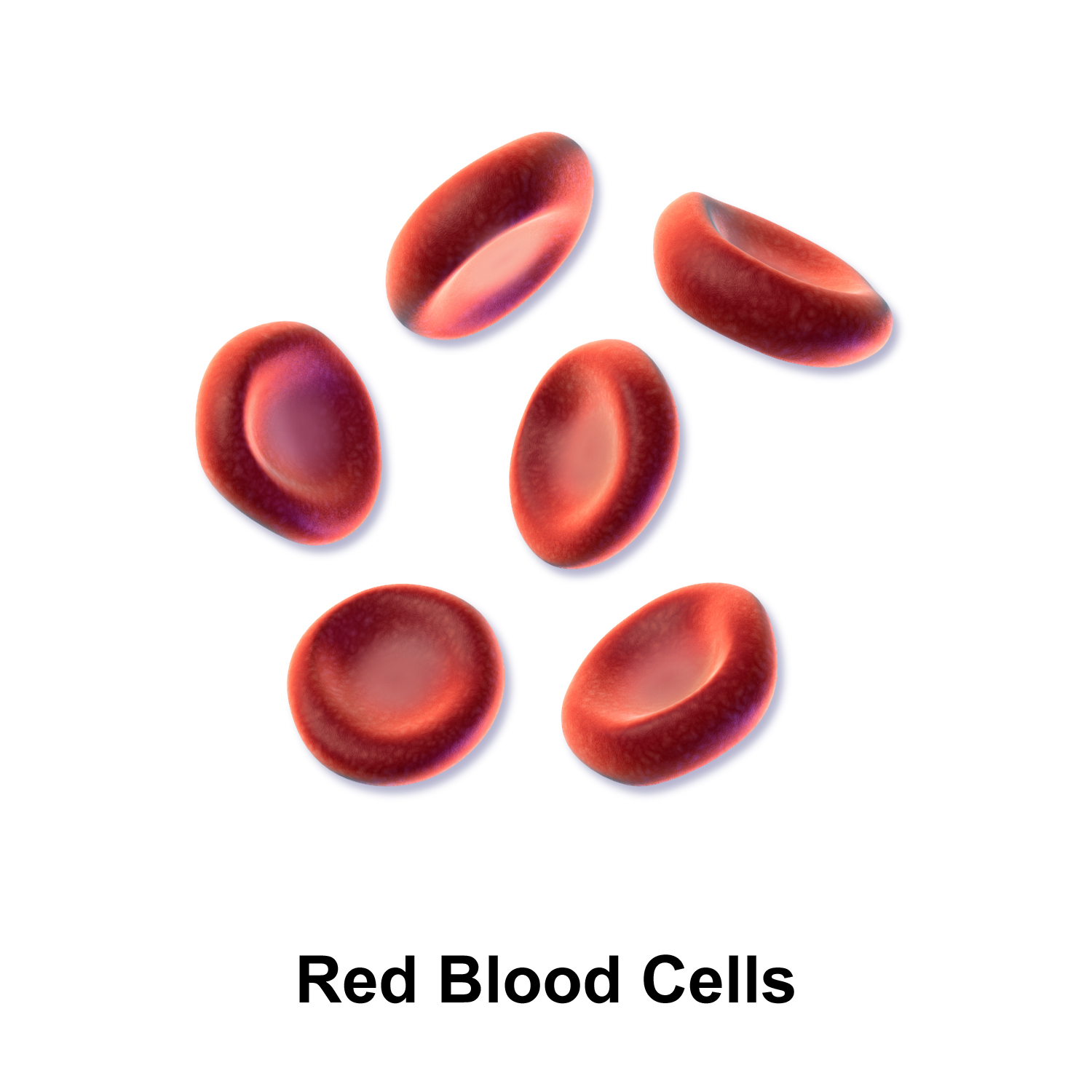
Red blood cells are another key factor in aging processes, it also illustrates this balance between renewal and breakdown. These cells are continuously produced in the bone marrow to transport oxygen throughout the body, while older cells are broken down and recycled.
When the body is young, this cycle runs smoothly. With time, however, efficiency declines, and the body’s ability to regenerate begins to slow.
Aging, from all of these that you can see above, is therefore, not a sudden event. It is a gradual tipping of the balance—from optimal repair and renewal toward slower regeneration and increased breakdown. The body continues to function, but with subtle shifts and experiences that are felt slowly and its effect that accumulate over years.
Understanding Aging: Decline, Lifestyle, and the Role of Movement
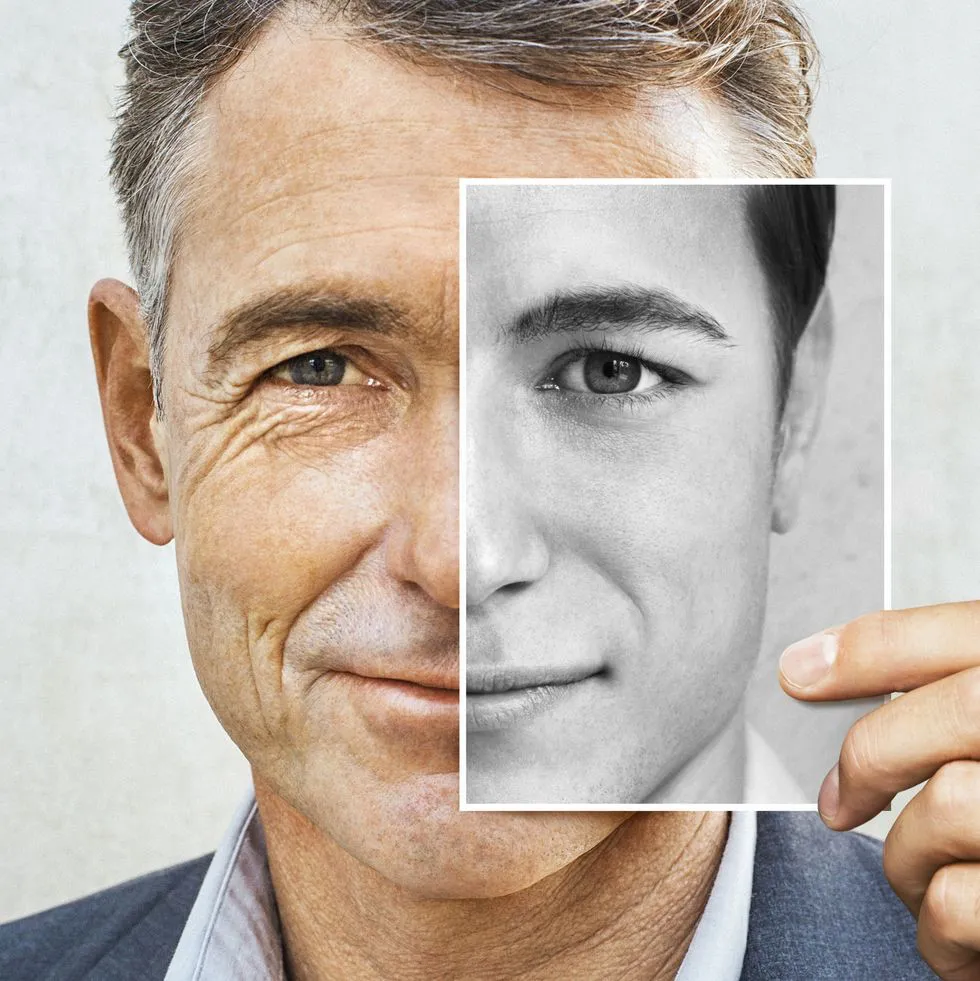
Aging is often misunderstood as a visible process marked only by wrinkles or gray hair. In reality, it begins much earlier and operates largely beneath the surface. According to ScienceDaily, reporting on a long-term study conducted by the Karolinska Institutet in Sweden, physical fitness and strength begin to decline as early as age 35.
The study, which followed participants for 47 years, provides rare longitudinal insight into how the human body changes over time. The findings challenge the assumption that decline only begins in old age.
Instead, it suggests that peak physical performance occurs in the mid-thirties, after which gradual decline sets in. However, the research also delivers an important and hopeful message that physical activity remains beneficial at every stage of life.
Adults who usually began exercising early improved their physical capacity by up to 10 percent, demonstrating that frequent movement of the body can slow, though not entirely stop, age-related decline processes.

This helps explain a common observation in everyday life, not all old people look or feel “old,” and not all young people appear youthful. Lifestyle plays a defining role. Sedentary behavior, poor nutrition, chronic stress, and lack of movement can accelerate physical aging, sometimes making younger individuals appear older than their years.
Also, regular physical activity supports muscle strength, cardiovascular health, bone density, and even cognitive function. Simple movements like walking, stretching, resistance training, and other mobility exercises, can significantly improve overall well-being and appearance.
Also while emphasis is on fitness, the whole concept about it, is not about reversing age, but about optimizing function within each stage of life.
Aging, then, is not solely a matter of time passing. It is shaped by our, no! By your choices, habits, and how consistently your body is challenged to adapt and stay active by your actions.
Conclusion: Aging, Acceptance, and Care
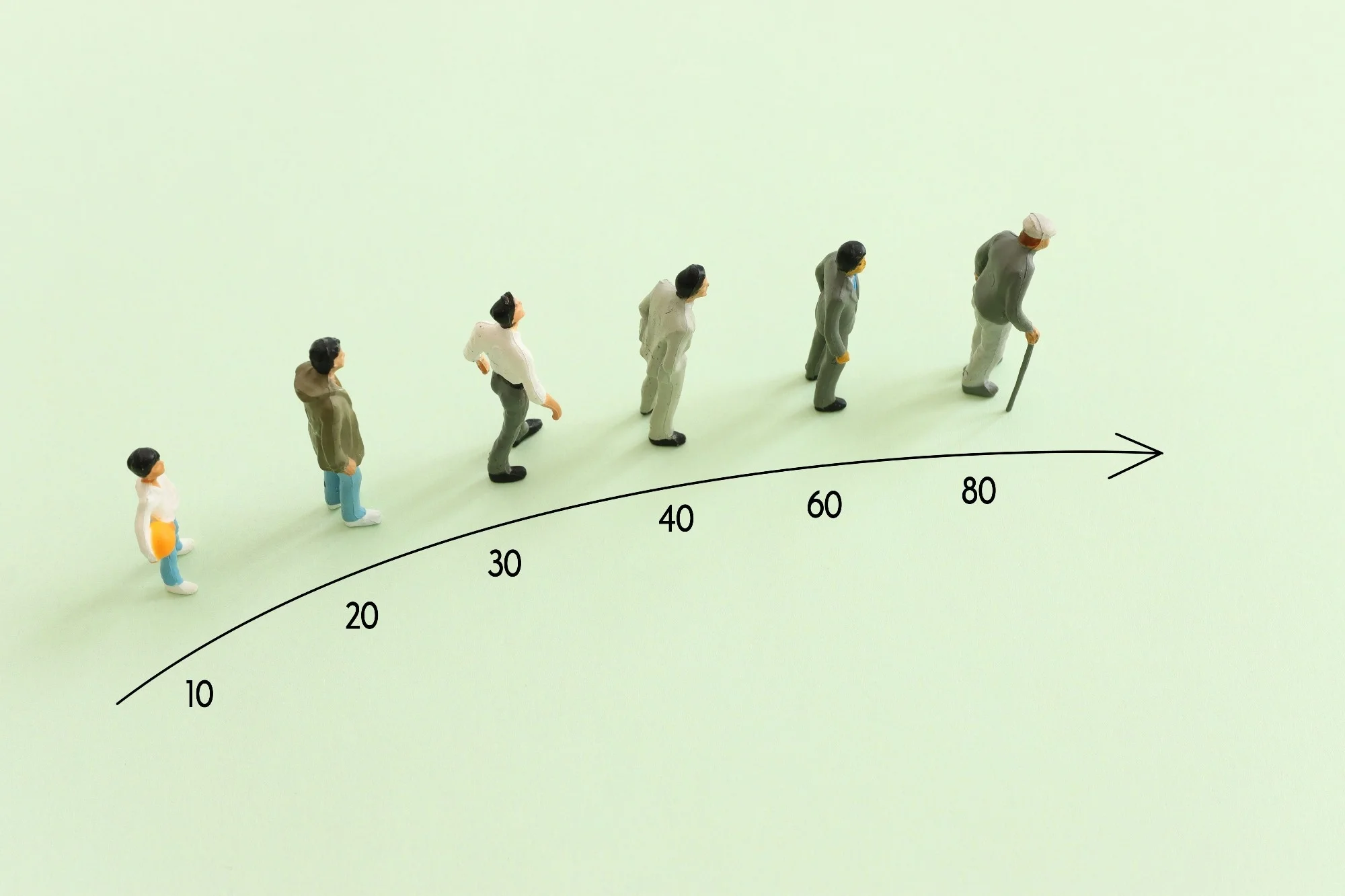
Aging is definitely inevitable, you and I know that, but how we experience aging is different and it is not entirely beyond our control. It begins quietly, long before the signs become visible, rooted in biological processes that slowly change the body’s ability to repair and renew itself.
The simple understanding of this would actually help to remove the fear often associated with growing older.
The science about aging is clear, decline may start earlier than we expect, but our action still matters. Movement, mindful living, and self-care can significantly improve quality of life, regardless of when they begin. Aging is not a failure of the body, it is the proof of continuation of life.
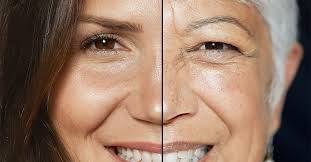
Accepting aging does not mean surrendering to it. It means recognizing its reality while choosing to care for the body that carries us through time. Like Kate before the mirror, awareness can be unsettling, but it can also be empowering.
And always remember that to age is human and to actually age well is intentional.