Afroblazers Series: The First African Artist to hit 9 Billion Spotify Streams – Wizkid
From the bustling streets of Surulere to breaking global records, Wizkid has redefined what it means to be an African artist. Here’s the profile of the man who just became the first African to surpass 9 billion streams on Spotify.
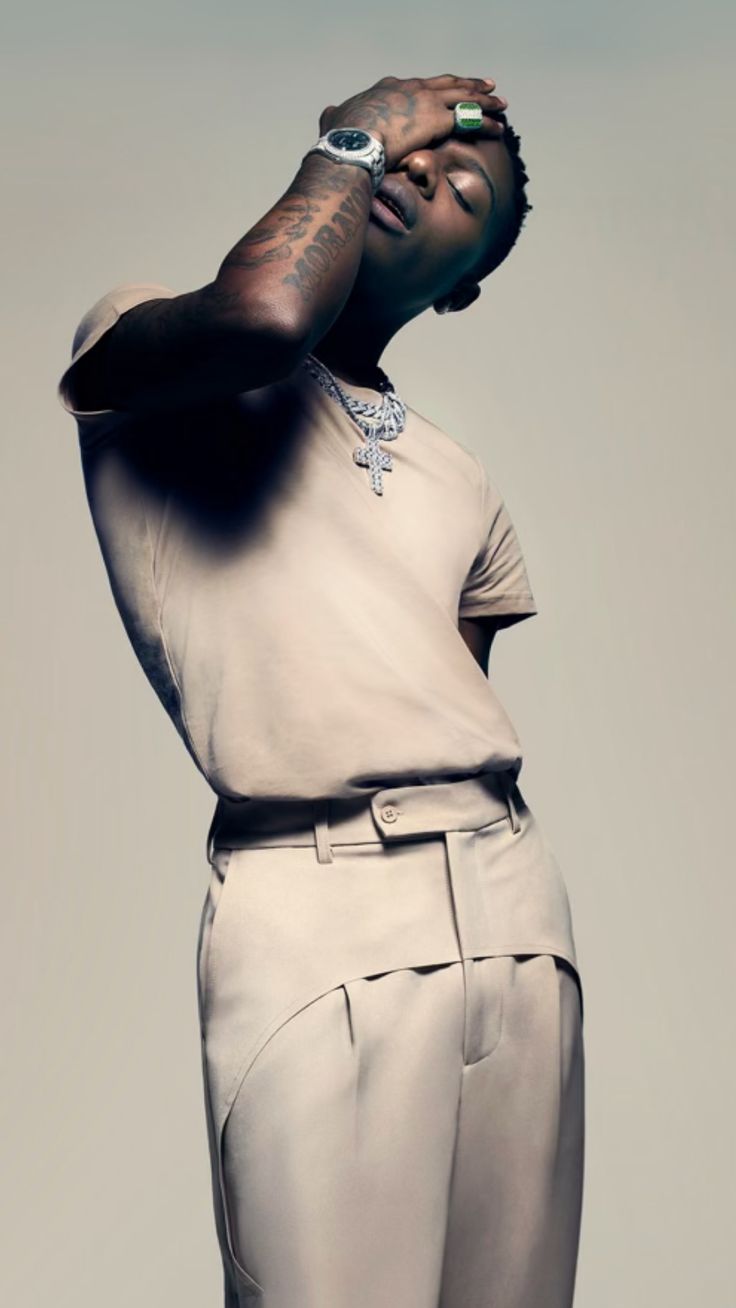
A Digital Milestone: 9 Billion Streams and Counting
In June 2025, Ayodeji Ibrahim Balogun, globally known as Wizkid, etched his name in the annals of music history. He became the first African artist ever to surpass 9 billion streams on Spotify, a feat that places him among the elite of global streaming powerhouses. For context, this isn’t limited to just his solo projects—it includes features, collaborations, and ensemble appearances. It’s a cumulative testament to his consistent musical brilliance, enduring popularity, and cross-continental appeal.
The streaming milestone is symbolic, not just as a number, but as proof of Afrobeats’ global penetration. Wizkid didn’t just ride the Afrobeats wave—he helped build it, brick by brick, from Lagos clubs to international stages.
Humble Beginnings in Surulere
Wizkid was born July 16, 1990, in Surulere, Lagos, into a large family as the only boy among 12 sisters. His upbringing was modest, deeply spiritual, and steeped in music. Growing up in a Christian-Muslim household, he was exposed to diverse musical influences—from King Sunny Ade and Fela Kuti to Bob Marley and American hip-hop.
At the age of 11, he formed a music group called the Glorious Five with friends from church. Their early recordings may have been rudimentary, but they planted the seed of artistic ambition. He adopted the stage name Lil Prinz and began to hone his sound, long before fame came knocking.
Banky W, EME, and the Breakout Moment
Wizkid’s turning point came in 2009 when he signed with Empire Mates Entertainment (EME), co-founded by R&B singer Banky W. Under EME’s wing, he gained both mentorship and visibility. In 2010, he released “Holla at Your Boy”, the single that would launch him into superstardom. It was fun, youthful, catchy—and more importantly, it resonated with a generation of Nigerians looking for a new kind of pop star.
His debut album, "Superstar" (2011), confirmed what fans already knew: Wizkid was here to stay. Hits like “Don’t Dull”, “Tease Me”, and “Pakurumo” dominated airwaves. He was no longer just a breakout act; he was Nigeria’s golden boy.
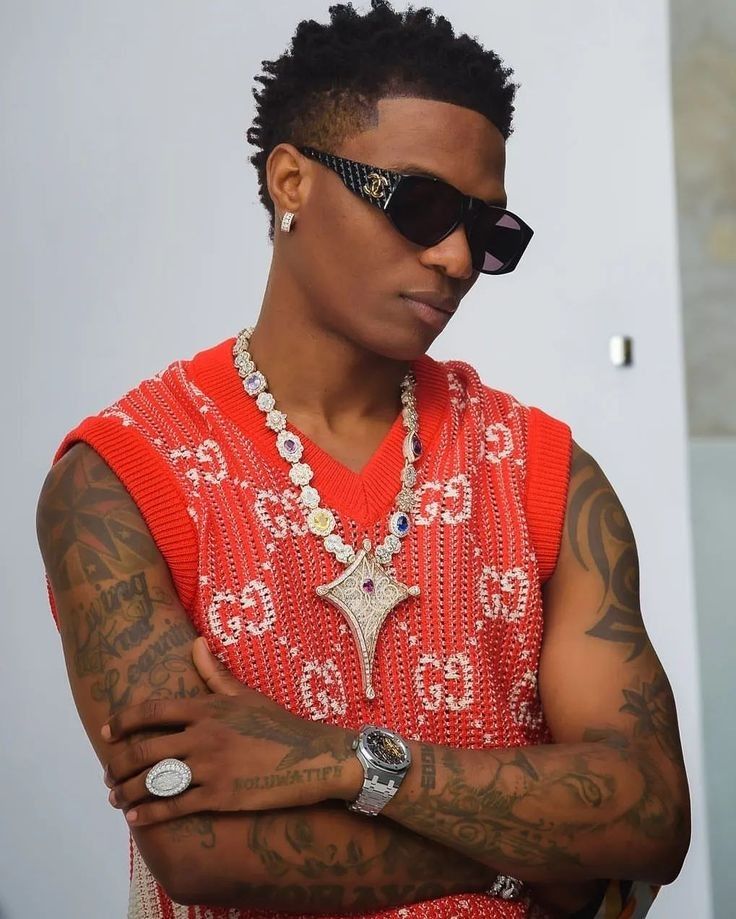
Starboy Era: Going Independent
In 2013, in a bold career move, Wizkid left EME and founded his own label, Starboy Entertainment. It was a declaration of independence—a young artist taking control of his art, his brand, and his destiny. This era marked an evolution in his sound, image, and ambition.
He released his second studio album, "Ayo", in 2014. While it featured hits like “Ojuelegba” and “Jaiye Jaiye” featuring Femi Kuti, the album’s international reach wasn’t immediate. However, “Ojuelegba” would become his sleeper hit, catapulted to global relevance when Drake and Skepta hopped on the remix in 2015.
The Drake Connection and Global Crossover
If there’s one song that changed Wizkid’s career trajectory forever, it’s “One Dance”, the 2016 global smash by Drake, featuring Wizkid and Kyla. It topped the Billboard Hot 100 for 10 weeks and became one of Spotify’s most-streamed songs at the time.
Wizkid wasn’t just the token African voice; he was the sonic glue that tied the Afrobeats bounce to the Caribbean groove. “One Dance” made him a Grammy-nominated artist, a Billboard mainstay, and a face of the Afrobeats-to-the-world movement.
Following the success, Wizkid dropped his third studio album, "Sounds from the Other Side" (2017), a genre-blending project with features from Chris Brown, Ty Dolla $ign, and Major Lazer. While some critics felt it strayed too far from his Nigerian roots, it solidified his mainstream international presence.
Made in Lagos: The Masterpiece That Changed Everything
In 2020, Wizkid released what many fans and critics consider his magnum opus: "Made in Lagos". It was smooth, soulful, and deeply rooted in Lagos' culture and spirit. It wasn’t just an album—it was a statement of identity.

The standout hit, “Essence” featuring Tems, became a global sensation. The track went viral, topped R&B charts in the US, and even got a Justin Bieber remix. It became the first Nigerian song to chart on the Billboard Hot 100, and later received a Grammy nomination. The album itself earned him multiple award nominations and wins, including NAACP Image Awards and MOBOs.
"Made in Lagos" proved that African artists didn’t have to dilute their sound for Western palatability. Instead, the world came to them—and Wizkid led the charge.
Beyond Music: Fashion, Family, and Influence
Wizkid’s appeal isn’t limited to music. He’s a style icon, known for his effortless blend of high fashion with Lagos streetwear. From collaborating with Nike to launching the Starboy merch line, he’s built a strong visual brand. He’s worked with brands like Dolce & Gabbana, Puma, and Daily Paper, further bridging African culture with global fashion.
In interviews, he often shuns celebrity flashiness, preferring instead to be known as "a simple man with a big dream." But behind the calm persona is a dedicated father to his three sons—Boluwatife, Ayodeji Jr., and Zion—and a man who values privacy, loyalty, and legacy.
He rarely gives interviews, and when he does, it’s with calculated calm. His mystique is part of the appeal: he speaks through his music, not tabloid drama.
Cultural Impact and Recognition
Wizkid’s contribution to African music history cannot be overstated. He’s among the first artists to truly globalize Afrobeats while still staying grounded in its Nigerian essence.
He has received:
Grammy Award (2021) for his contribution to Beyoncé’s “Brown Skin Girl”
4 BET Awards
2 MOBO Awards
MTV Europe Music Awards
Soul Train Awards
Multiple Headies and Afrimma wins
He’s been recognized by Guinness World Records, named in Billboard’s Top 100 Artists, and featured in Time Magazine, Vogue, and Rolling Stone. His impact reaches beyond charts—he's influencing how the world listens to, dresses like, and embraces Africa.
Starboy Legacy: Mentorship and Collaborations
Wizkid isn’t just an artist—he’s a tastemaker and mentor. His Starboy label has nurtured talents like Terri, and he often collaborates with younger artists to give them visibility. He's played a role in the rise of acts like Tems, BNXN (Buju), and even co-signed artists like Rema and Omah Lay.
Collaboratively, he’s worked with:
Drake
Beyoncé
Skepta
Justin Bieber
Damian Marley
Burna Boy
Tiwa Savage
His ability to fuse seamlessly with genres like dancehall, R&B, hip-hop, and soul reflects his musical versatility and global adaptability.
.jpeg)
Quiet Activism and Pan-African Pride
Wizkid doesn’t always tweet about politics, but when he speaks, it echoes loudly. During Nigeria’s #EndSARS protests in 2020, he publicly criticized government officials, lending his voice to the youth-led movement against police brutality.
He has also used his concerts as platforms for African pride—introducing crowds to new African talent, promoting African fashion, and speaking proudly of his roots.
To millions, Wizkid represents a new kind of African identity: confident, creative, and unapologetically global.
What’s Next for Big Wiz?
With 9 billion streams in the bag, what’s next for the man affectionately called Big Wiz?
He’s hinted at future projects, including:
A long-awaited joint album with Skepta
Expanding Starboy Entertainment into a Pan-African platform
More ventures into film, fashion, and possibly a memoir
At just 34, Wizkid has already accomplished what many musicians only dream of. But knowing his trajectory, he’s only just getting started.
Conclusion: A Living Legend
Wizkid’s story is not just about music. It’s about vision, resilience, and the power of authenticity. From Surulere to Spotify records, from open-mic nights to sold-out Madison Square Garden shows, he has consistently elevated African music on the world stage.
In an age where trends shift fast, Wizkid has remained timeless. He didn't just survive the digital era—he conquered it, becoming the first African artist to hit 9 billion Spotify streams. That’s not just a personal win. It’s a continental victory.