Afro Blazers Series (Part 19): The Man Who Made Africa’s First Dolls—Taofeek Okoya
The first African dolls made for African kids—how Queens of Africa is helping children embrace their identity and outshine Barbie.
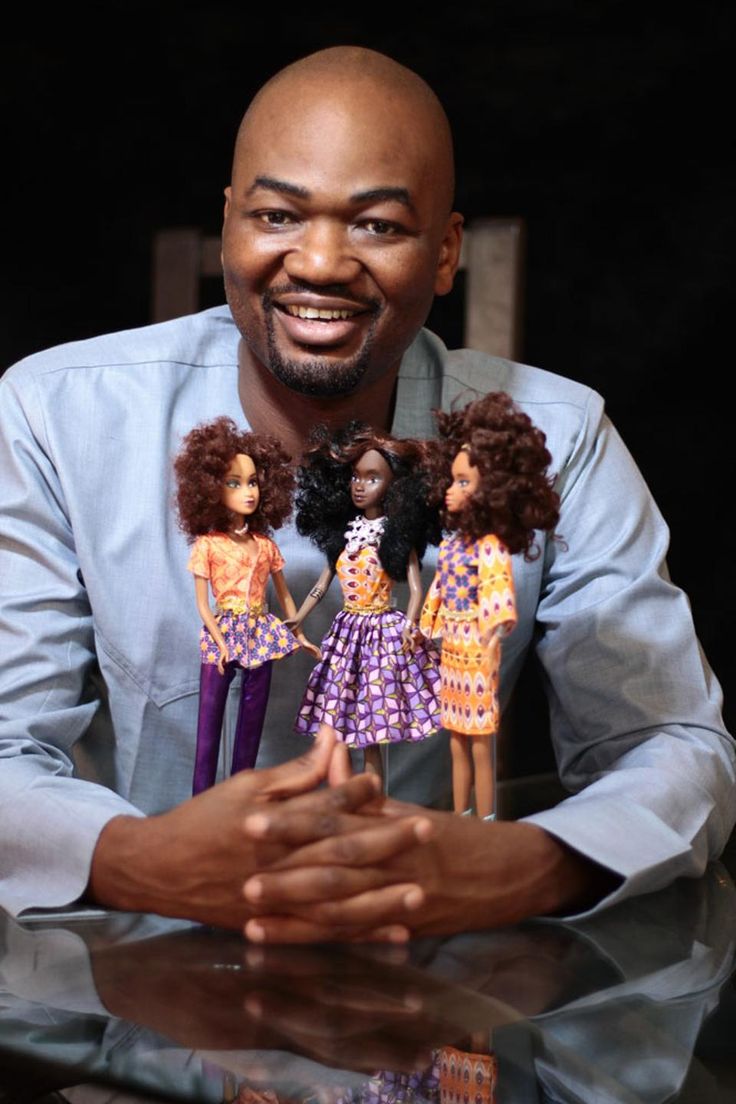
In a country as rich in culture as Nigeria, one would assume that its toys would reflect the vibrance of its people. Yet in the early 2000s, Nigerian entrepreneur Taofick Okoya found himself standing in a store, searching for a Black doll for his niece—and finding none.
Every option on the shelf had the same features: straight hair, pale skin, Eurocentric faces. These dolls were not just plastic figurines. They were cultural symbols. And for millions of African children, they were also subtle but powerful messages: you are not the standard of beauty.
That realization became the spark that would ignite a movement. One that began not with a political campaign, but with something seemingly simple: a doll.
In 2007, Okoya launched the Queens of Africa dolls, a line of ethnically and culturally relevant toys created to help African children, especially girls, embrace their identity and heritage with pride.
Today, the Queens of Africa brand is one of the most successful toy lines on the continent—and it's rewriting the rules of global representation in the process.
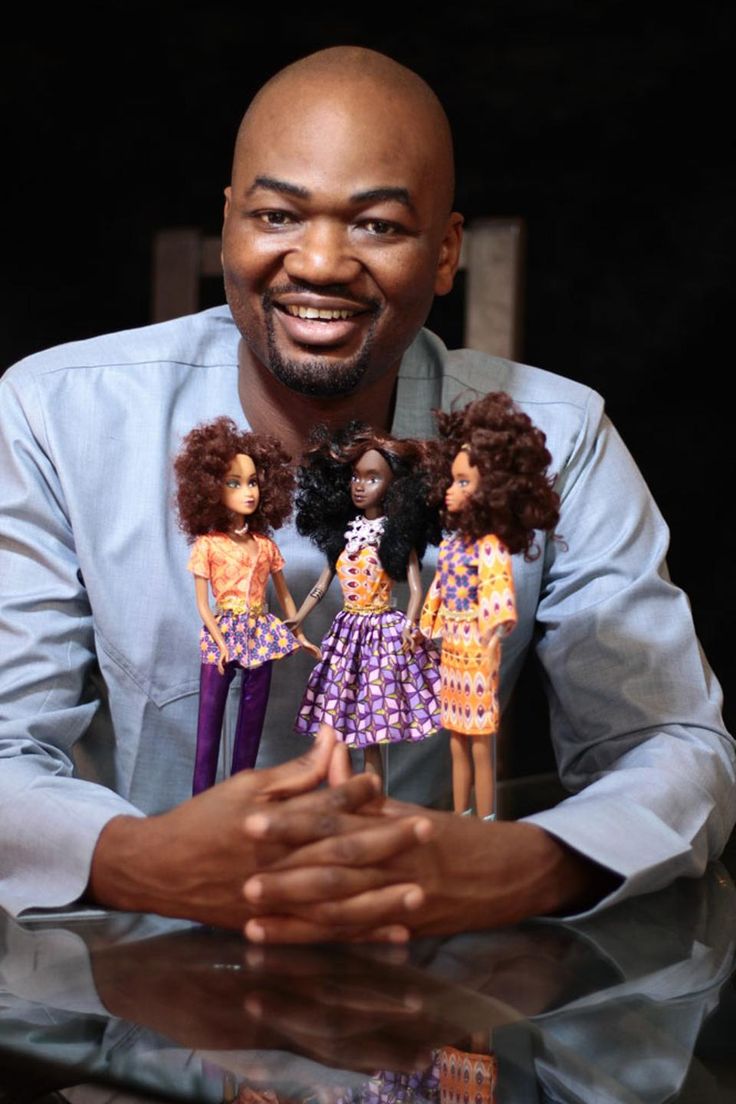
From Frustration to Foundation: The Birth of a Movement
Taofick Okoya didn’t come from a toy-making background. Born into the prominent Okoya family, he carved a career in brand development and marketing. But the experience of watching his daughter and niece admire dolls and characters that looked nothing like them struck a personal and cultural chord.
“Imagine a child playing daily with a toy that is the exact opposite of who they are—then imagine how that shapes their sense of worth,” Okoya has often explained.
That emotional insight grew into a powerful business idea: create dolls that would reflect the beauty and richness of African identity. And not in a generic way. Okoya wanted to showcase Africa’s ethnic diversity, traditional fashion, local languages, and natural hair textures.
This gave birth to the Queens of Africa—a collection of dolls modeled after real African girls, and rooted in the three major ethnic groups of Nigeria: Yoruba, Igbo, and Hausa.
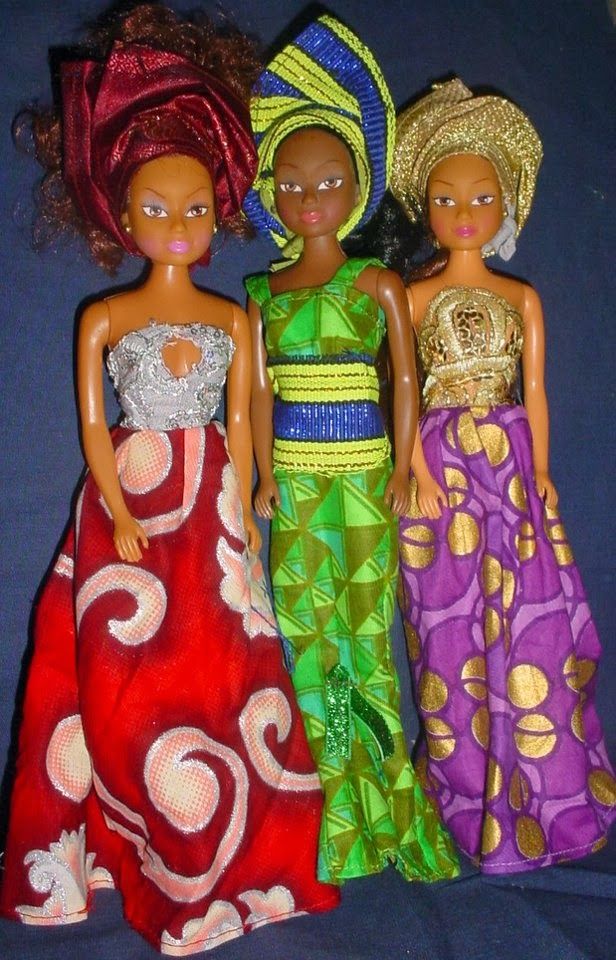
Each doll comes dressed in traditional attire, bearing distinctive African facial features, hairstyles like cornrows, twists, and afros, and body types that challenge the hyper-thin standards often seen in the global toy market.
But Queens of Africa wasn’t just about aesthetics. It was about affirmation.
Cultural Representation in Every Detail
From the start, Okoya was intentional. The dolls were not designed to mimic Barbie with darker skin; they were created from the ground up, with African features—broader noses, fuller lips, and deeper skin tones.
Names like Nneka, Azeezah, and Wuraola gave the dolls strong cultural identities. Their stories were embedded in mini books and comics that came alongside the toys, turning playtime into a moment of learning and pride.
The dolls also served as an answer to deeply ingrained post-colonial biases. For decades, African children—exposed to Western cartoons, fairy tales, and beauty ideals—had grown up internalizing the notion that lighter skin and straight hair were better.
Queens of Africa was Okoya’s gentle rebellion. One that replaced shame with celebration. In doing so, he gave African girls something they hadn’t seen in toys before: themselves.
Overcoming Market Skepticism
Launching Queens of Africa was not without its hurdles. Many toy retailers doubted that children would gravitate toward a product that didn't mirror the Western dolls they were used to.

“It was tough convincing retailers and distributors to stock the dolls,” Okoya recounted in a 2017 interview.
“They believed African children wanted what they saw on TV—Barbie, Bratz, and Disney characters.”
But Okoya refused to concede. He went straight to the people—schools, parenting groups, cultural festivals—educating parents on the importance of self-image and cultural representation.
He priced the dolls affordably, ranging from ₦500 to ₦3,500 (approximately $1.20 to $22) to ensure accessibility across different income levels.
And the market responded.
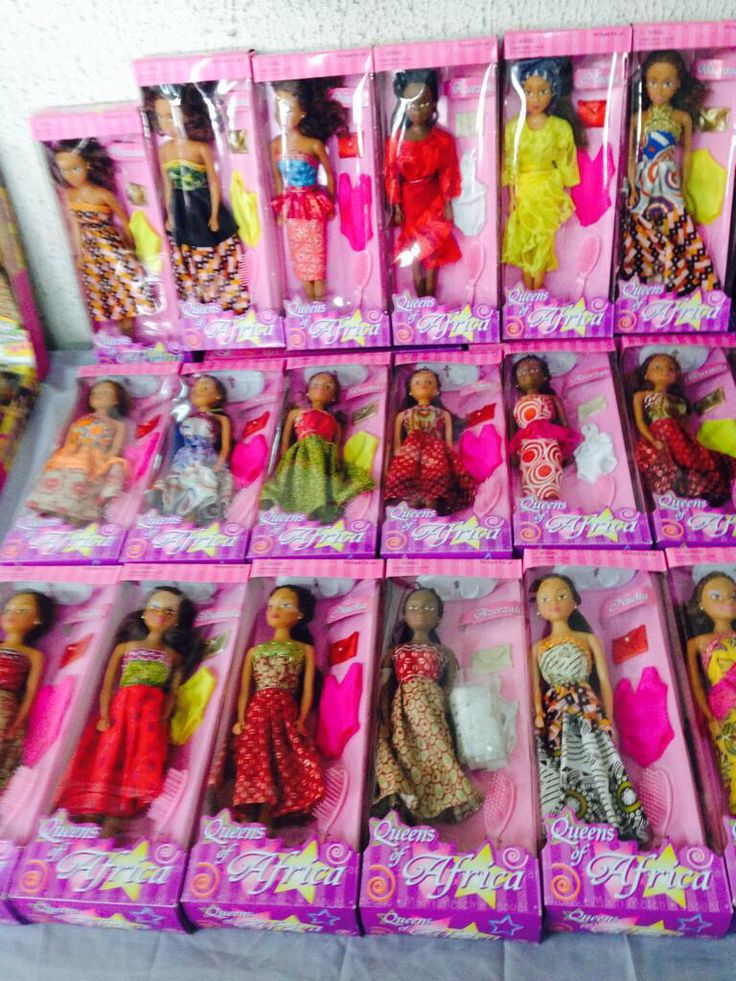
Within a few years, Queens of Africa began outselling Barbie in parts of Nigeria, with monthly sales reaching between 6,000 to 9,000 units.
The brand now commands an estimated 10–15% of Nigeria’s toy market, and interest is steadily growing beyond Africa in places like the United States, Brazil, the UK, and Australia.
Beyond Dolls: Creating Economic and Social Empowerment
But Okoya’s vision was never just commercial. It was community-centered.
He built a local production chain that provided jobs for Nigerian women—many of them mothers—who braid the dolls’ hair and sew their traditional outfits by hand.
This grassroots model infused economic value directly into local communities, particularly for low-income households.
READ ALSO:Afro Trailblazers Series(Part 6) : Inside the High-Stakes World of Razak Okoya
Okoya didn’t stop at dolls. The brand expanded to include books, coloring materials, animations, and music, all designed to immerse children in African stories, history, and values.
“We are creating not just toys, but a platform for cultural education and pride,” he told Atlas of the Future.
This multi-media approach gives children a universe to grow into—one where African identity is dynamic, bold, and beautiful.
Psychological Power of Representation
Why does it matter what a doll looks like?
Because for a child, play is not just fantasy—it’s a blueprint. It shapes how they understand the world, and more importantly, how they see themselves in it.
A landmark experiment in the 1940s known as the Doll Test revealed the damaging effects of racism on Black children’s self-perception.
When asked to choose between a white doll and a Black doll, most preferred the white doll, describing it as prettier and nicer. Many identified the Black doll as “bad,” even though it resembled them.
Decades later, versions of that test have yielded similar results.
Queens of Africa is part of the global push to rewrite that narrative, starting from childhood. When children play with toys that mirror their skin, hair, and culture, it sends an early message: You are seen. You are valued. You are enough.
Looking Ahead: Bigger Dreams, Bolder Dolls
Taofick Okoya’s mission is far from over.
He’s working on expanding the Queens of Africa line to include other African ethnic groups, introducing dolls that represent Zulu, Ashanti, Shona, Berber, and other communities.
He also plans to diversify the dolls’ physical appearances even further. While Western dolls often promote unrealistic body types, Okoya is exploring more curvy and full-bodied dolls to align with African body ideals—and to challenge harmful beauty standards.
Moreover, plans are underway for animated content, apps, and interactive media that will bring the Queens of Africa stories to life onscreen.
His ultimate goal? To build a global African toy and media brand that rivals any in the world—rooted not in imitation, but in authenticity.
A Model for Culturally Conscious Entrepreneurship
What makes Okoya’s work stand out is how seamlessly it blends commerce with culture, profit with purpose.
At a time when representation is a global concern, Queens of Africa shows what’s possible when entrepreneurs create products that fill not just market gaps—but emotional voids.
Okoya didn’t wait for global brands to catch up. He built something new, rooted in the idea that every child deserves to feel beautiful, included, and proud.
In doing so, he’s also created a roadmap for other African entrepreneurs:
Start with a lived problem
Center the community
Build cultural value, not just commercial value
Let purpose drive profit
Final Word
Taofick Okoya may have started with a single shopping trip and a simple question, but his answer has reverberated across continents.
His Queens of Africa dolls are more than toys. They are mirrors, teachers, and change agents.
In an industry dominated by imported ideals, Okoya has proven that cultural authenticity is not a limitation—it’s a superpower. By helping African children see themselves as queens, he’s giving them the confidence to grow into one.