African Leaders Demand Economic Overhaul at Nairobi Summit: Tinubu Spearheads Investment Push
African and French leaders convened in Nairobi for the Africa Forward Summit, where Kenyan President William Ruto insisted on investment and equal partnerships over aid, while French President Emmanuel Macron declared an end to paternalistic relations. Nigerian President Bola Tinubu showcased his nation's reform agenda, and the UN Secretary-General urged global governance reforms. The summit also faced protests from groups accusing France of neo-colonial influence.
The Africa Forward Summit, held in Nairobi, Kenya, marked a significant turning point in Africa-France relations, focusing on economic transformation, innovation, climate action, and the restructuring of global financial systems.
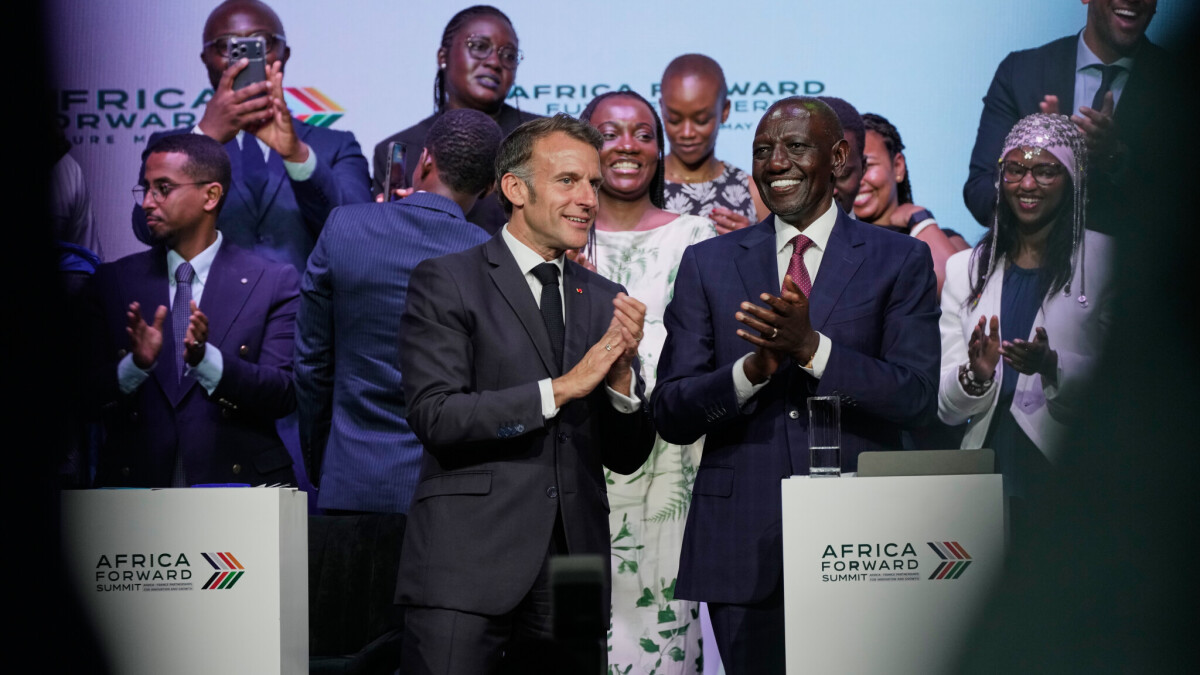
Kenyan President, William Ruto, co-hosting with French President Emmanuel Macron, emphatically declared that Africa no longer seeks aid but rather demands investment, equal partnerships, and African-led economic transformation.
Ruto underscored Africa's capacity for industrialization and sustainable growth, provided it receives fair access to financing and investment opportunities.
He also called for urgent reforms to the international financial architecture, citing unfairly high borrowing costs for African countries due to exaggerated risk profiles by global credit rating agencies, which inflate interest rates despite the continent's growth potential.
French President, Emmanuel Macron, while co-hosting, advocated for “strategic autonomy” for both Africa and Europe, emphasizing a common goal to reduce dependence on the United States and China for critical technology, artificial intelligence, and strategic minerals.
Macron acknowledged the need for greater investment in renewable energy and electricity infrastructure to support Africa’s digital and AI ambitions. He announced plans to expand Orange Digital Centres across Africa, aiming to train one million young Africans by 2030 through 50 new centers.
Significantly, Macron declared the end of the old ‘Françafrique’ model, asserting that future relations must be founded on mutual respect and partnership, rather than paternalism, while also urging African leaders to strengthen governance and accountability.
On cultural restitution, Macron confirmed the return of looted African artworks as “unstoppable.” The summit, which saw over 30 African leaders including Nigerian President Bola Tinubu in attendance, mobilized an estimated 23 billion euros ($27.01 billion) in investments for Africa.
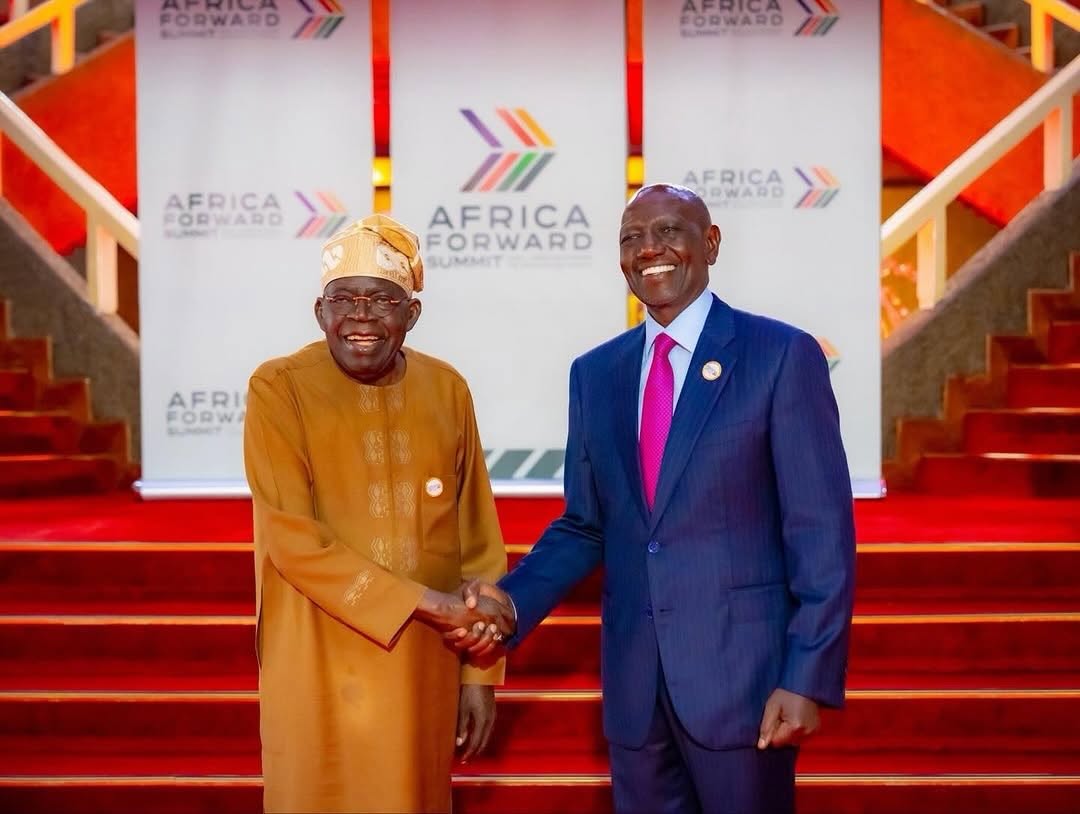
Nigerian President Bola Tinubu's participation in the summit was aimed at reinforcing Nigeria’s commitment to strategic partnerships with African countries and France, while showcasing ongoing economic reforms.
His presence was deemed strategically important, aligning six of the summit’s seven thematic areas—including international financial restructuring, artificial intelligence, agriculture, and the blue economy—with Nigeria's ‘Renewed Hope Agenda’.
Tinubu's administration highlighted financial reforms like foreign exchange market unification, aiming to restore investor confidence. Nigeria also emphasized its potential in AI and digital technology through its youthful population, and its vast arable land for agricultural investment.
President Tinubu was also scheduled to participate in the Africa CEO Forum in Kigali, Rwanda, further cementing Nigeria’s commitment to strengthening continental economic partnerships.
United Nations Secretary-General, António Guterres, utilized the platform to reiterate calls for reforms to global governance institutions, labeling Africa’s exclusion from permanent representation on the UN Security Council as a “historic injustice.”
He criticized the unfair global financial system for labeling African countries as high-risk, despite their economic potential, and urged for reforms to ensure fairer access to capital and climate funding, noting that climate-vulnerable African nations are still awaiting promised financial support from developed countries.
Guterres also raised concerns about the worsening humanitarian crisis in Sudan, calling for an immediate ceasefire and a Sudanese-led civilian transition, advocating for stronger UN-African Union cooperation.
Despite the high-level discussions, the Africa Forward Summit faced opposition. Pan-African and civil society groups staged a parallel event, the “Pan African Summit Against Imperialism,” in Nairobi. These activists accused France of attempting to repackage neo-colonial influence under the guise of economic cooperation.
Protests with banners reading “Down with Imperialism!” and “Resist the Imperialist Drive to War” led to confrontations with police and arrests, highlighting growing anti-French sentiment in various African countries.
The decision to host the summit in an English-speaking African country for the first time was seen by these groups as an attempt by France to broaden its diplomatic influence amid resistance in its traditional spheres of influence in West Africa.