Africa Startup Funding in 2026: Kenya and Nigeria Are Slipping While Benin and Ivory Coast Rise
Kenya and Nigeria are losing ground in African startup funding, and Benin and the Ivory Coast just broke into the top 4. Here's what the 2026 data actually shows.
If you've been watching where startup money flows in Africa, 2026 is already throwing some surprises. The countries that used to dominate are quieter than expected, and some smaller players are stepping up in a big way.
Let’s take a look at what's happening.
Kenya Was on Top, So What Changed?
Kenya used to be the king of startup funding in Africa. And for good reason. In 2024, Kenyan startups raised $638 million, about 29% of all the money raised across the continent. Then in 2025, it got even better: funding jumped to $984 million, a 54% increase.
A big chunk of that money went to clean energy companies like d.light, Sun King, and M-Kopa. These are brands that help people access solar power and clean energy products. Investors loved them.
The thing is that most of Kenya's success was tied to just a few big deals. Strip those away, and the picture looks a lot thinner.
Now, two months into 2026, Kenya's share of total funding has fallen to less than 4%. There wasn't even one major deal in February, which is unusual for a country that used to be front and centre every month.
So the dominance was real, but it may have been more fragile than it looked.
Nigeria Is Slowing Down, But Not Out
Nigeria has always been one of Africa's biggest tech hubs. Big market, active investors, ambitious founders. But over the last two years, it's been losing ground.
In 2024, Nigerian startups raised $410 million (18.6% of Africa's total). By 2025, that dropped to $343 million, a 16% fall, and its share of the market went down to just 10.7%. Nigeria even slipped from third to fourth place on the continent.
In February 2026, there was only one major deal: a $22 million investment into Terra Industries. That alone wasn't enough to put Nigeria in the month's top four.

But maybe the other side of the story is that Nigeria might already be making a quiet comeback.
When you add up the smaller deals alongside the bigger ones, Nigeria's share of total funding in early 2026 rises to around 16%. That's a real improvement.
It's not the flashy, headline-grabbing kind of recovery. It's more steady and spread out. But the signs are there.
Benin and Ivory Coast: The Surprise Entries
Now for the part that caught a lot of people off guard.
In February 2026, Benin and Ivory Coast both broke into Africa's funding top four. These aren't countries people usually talk about when they discuss African tech investment. So how did it happen?
Simple: big deals in the right sector at the right time.
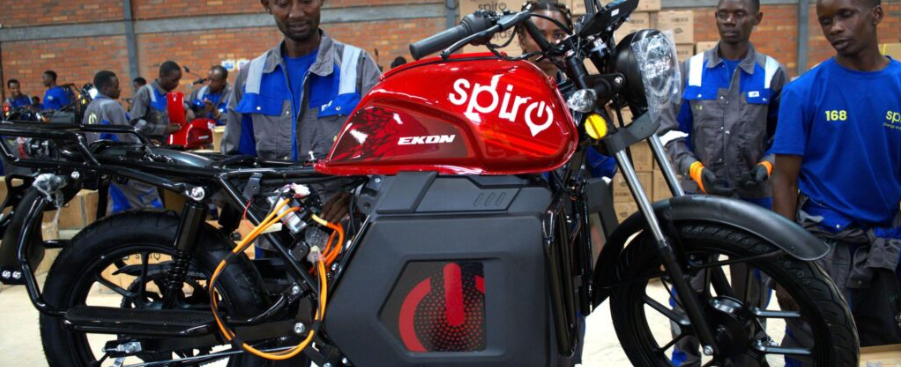
In Benin, electric motorcycle company Spiro raised $50 million in debt financing. The plan was to expand battery-swap stations and get more electric motorcycles on the roads across African cities.
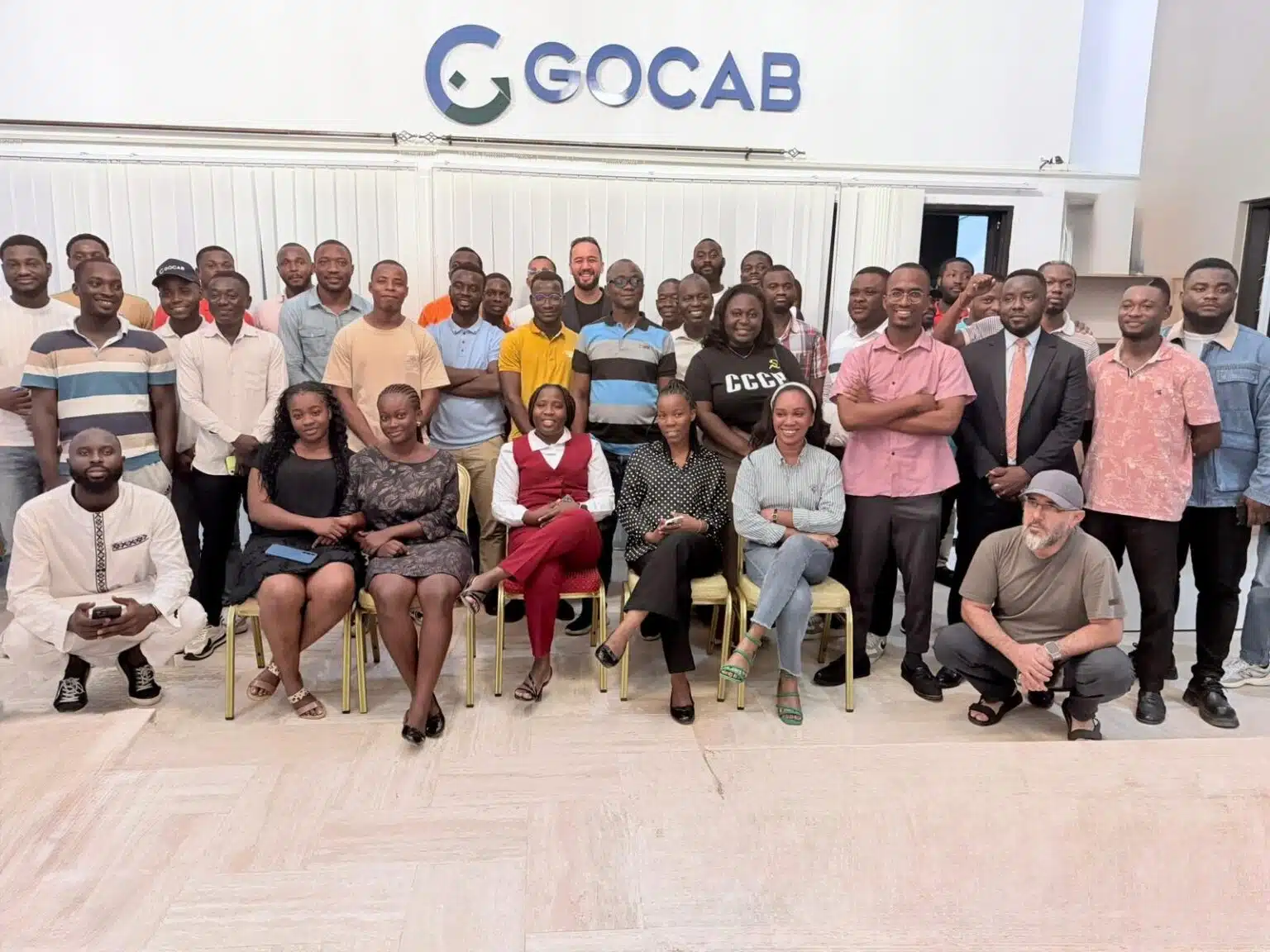
In Ivory Coast, GoCab, an e-mobility platform raised $45 million in a mix of equity and debt. They want to grow their "drive-to-own" model, where riders gradually own their vehicle over time, into more markets.
Both deals landed in electric mobility, a sector that global investors are paying close attention to right now. That's not a coincidence.

Investors are chasing scalable, sustainable businesses that can grow across borders. Benin and Ivory Coast just happened to have the right companies with the right pitch at the right moment.
Does this mean they're now permanent fixtures in the top four? Not necessarily. But it does show that the rankings are no longer fixed. One big deal can shake everything up.
The Bigger Picture: Money Is Moving Across Africa
Step back and look at the full map, and you'll see something interesting.
West Africa led all regions in February 2026, pulling in 53% of total funding. That includes Nigeria's steady activity, plus the breakout performances from Benin and Ivory Coast.
North Africa came in second with 24%, led by Egypt. Egypt has been building solid momentum, with a mix of large and mid-sized deals keeping things consistent.
Southern Africa contributed 21%, with South Africa landing deals through companies like Enko Education and Lula. Not the loudest region, but reliable.
East Africa which used to lead the whole continent, contributed just 3%. That's a dramatic fall, and it shows just how quickly momentum can shift when big deals stop coming.
What This All Means
Africa's startup funding scene is changing fast. It used to be that Kenya and Nigeria set the pace, and everyone else followed. Now, money is moving more freely, flowing to wherever there are strong deals, not just to the biggest ecosystems.
That's actually a healthy sign for the continent. It means more countries have a shot. But it also means the old leaders need to work harder to stay relevant.
For investors, founders, and anyone watching African tech, don't assume the same countries will always win. The map is being redrawn; deal by deal, month by month.