Africa’s Road to Glory: Preparing for the 2026 Commonwealth Games in Glasgow
African athletes gear up for the 2026 Commonwealth Games in Glasgow, showcasing talent, para sport inclusion, and medal ambitions across key disciplines.
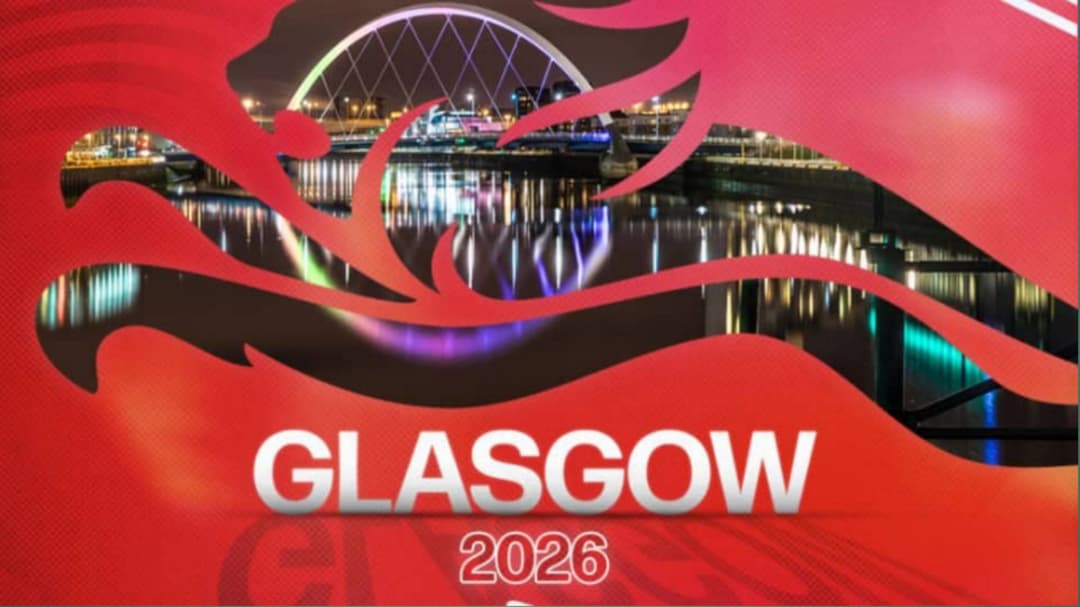
For African athletes, the 2026 Commonwealth Games in Glasgow are shaping up to be more than just another competition — they are a test of preparation, strategy, and ambition.
Scheduled from 23 July to 2 August 2026, the Games will host athletes from across the Commonwealth and for many competitors from Nigeria, South Africa, Kenya and beyond,Glasgow promises not just medals, but powerful opportunities for global exposure.
A Leaner Games but Bigger Stakes
Unlike previous editions, the 2026 Commonwealth Games will feature a streamlined programme of just 10 core sports, down from nearly double that figure at the last Games in Birmingham with Para sport fully integrated into the competition schedule.
Disciplines such as athletics and para‑athletics, swimming and para‑swimming, netball, boxing, track cycling, weightlifting and para‑powerlifting, judo, 3×3 basketball, and bowls and para‑bowls make up the official list of sports confirmed for competition at Glasgow.
For Africa, this selective programme focuses attention on areas of strength and where athletes have carved out international reputations.
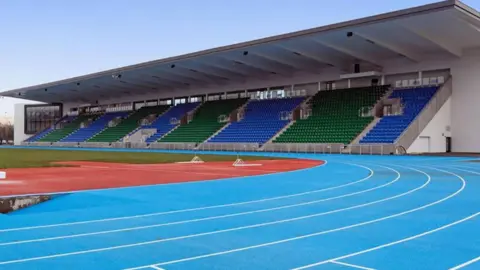
Concrete Preparations on the Ground
Nigeria, one of Africa’s most decorated Commonwealth competitors, has approached its preparations with a notable organisation.
The National Sports Commission (NSC) announced that Team Nigeria will undergo a dedicated pre‑Games training cam in Aberdeen, Scotland.
The logic is simple: acclimatise athletes to local weather, time zones, and venues while providing a controlled environment to refine strategies
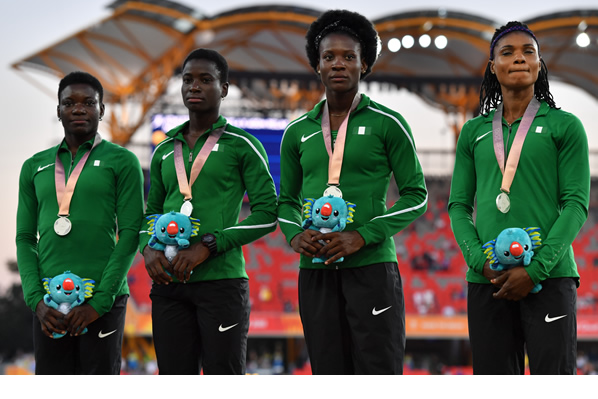
This move reflects a strategic shift: instead of training exclusively at home and travelling shortly before the Games, athletes will be based in the host nation weeks in advance, a decision officials describe as critical to reducing travel fatigue and maximising readiness.
In sprinting, weightlifting and other classics where Nigeria historically excels, this camp forms part of a broader national focus on podium success.
Meanwhile, athletes in other parts of the region are also intensifying competition at the national level.
For example, track and field athletes in Eswatini have engaged in selection events where 17 competitors are contending for four spots on the final Commonwealth squad — underlining the rising depth of athletics talent across Africa.
Targeted Medal Ambitions
In boxing, a sport with deep roots in Nigerian competitive culture — the Nigerian Boxing Federation has announced ambitious goals for Glasgow.
The federation listed 20 boxers for emerging team camp activities, aiming for up to 10 medals, including six golds.
This target reflects a broader confidence among Nigerian officials that focused preparation, strong national trials and expanding support for diaspora athletes will translate to success on the Commonwealth stage.
Inclusion and Para Sport Momentum
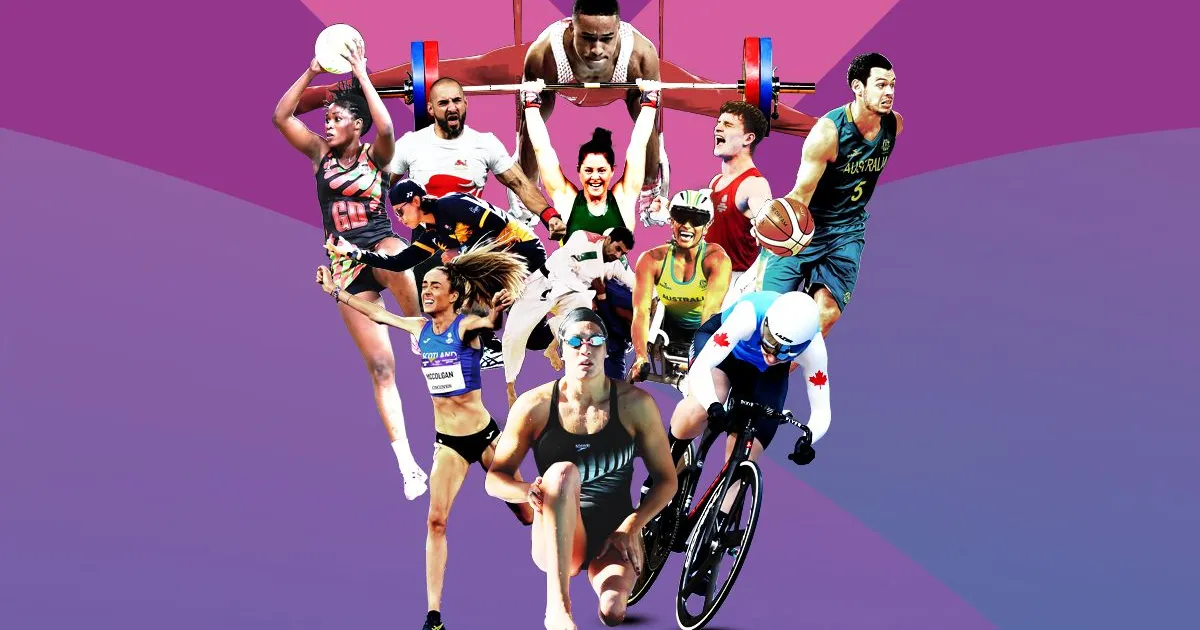
One defining feature of the 2026 Games is the elevated presence of Para sport alongside able‑bodied competition.

Glasgow 2026 will feature six Para sport disciplines across its schedule, making it the largest integrated Para sport programme inCommonwealth Games history.
Africa has been part of this momentum. A regional GAPS Africa Para‑Sport camp held at Stellenbosch University brought together athletes and coaches from 14 Commonwealth Games Associations to build pathways toward qualification and performance at big events like Glasgow.
Beyond Medals: What the Games Mean for Africa
The importance of the Commonwealth Games for African sport runs deeper than competition days and medal counts.
For young athletes on the continent, strong performances in Glasgow can unlock sponsorship exposure, international contracts and entry into global professional leagues.
Federations are watching closely: success at the Games can influence funding priorities, development programmes and long‑term strategies.
Nigeria’s recent bid to host the 2030 Commonwealth Games reflects this larger vision, a desire to bring one of the world’s major multi‑sport events to African soil for the first time, showcasing infrastructure, talent and organisational growth.
For now, Glasgow is the immediate spotlight, a condensed programme but a high‑stakes platform for Africa’s best.
As national teams finalise training schedules, competitive lists and tactical plans, one message is clear: African athletes intend to be counted not just present at the 2026 Commonwealth Games.