Africa’s Biggest AI Threat May Not Be Job Losses. It May Be Something More Serious
Africa’s biggest AI threat may not be job losses. The World Bank says unreliable power and Internet could keep millions from benefiting from the AI boom.
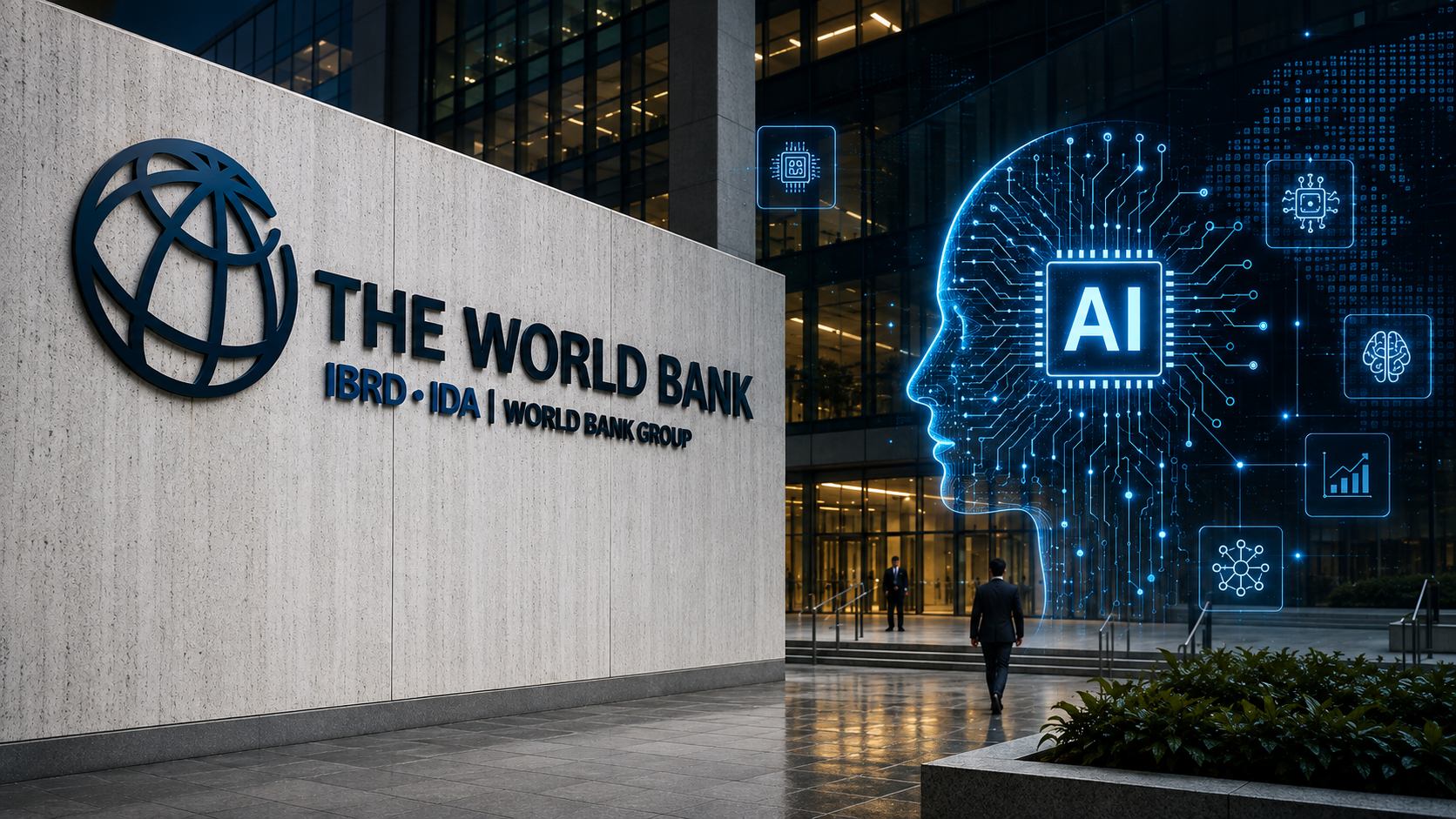
For months, the loudest warning about artificial intelligence has been the same: AI is coming for people's jobs.
But across much of Africa, the more immediate danger may be very different. Millions of workers could be living through the biggest technological shift in decades without having enough electricity, affordable Internet or digital infrastructure to fully participate in it.
That is one of the striking conclusions from the World Bank's World Development Report 2026, which presents a surprisingly optimistic picture of what AI could mean for developing economies.
The technology may not destroy jobs on the scale many fear.
Instead, Africa could have more to gain from AI than it has to lose — if it can get the basics right.
What If AI Doesn't Take Your Job, but Makes You Better at It?
Imagine a nurse in a rural clinic using an AI tool to help interpret symptoms, a farmer getting faster advice on crop diseases, or a small business owner automating hours of administrative work.
That is closer to the future the World Bank believes developing economies could experience.
According to the report, only 4.5% of jobs in low- and middle-income countries are highly exposed to automation by generative AI, compared with 14.2% in high-income economies.
At the same time, 16.2% of jobs in developing economies could benefit significantly from AI-assisted productivity.
In other words, the technology may be more likely to sit beside many workers than replace them.
This is very important in African economies where shortages of teachers, doctors, agricultural advisers, skilled technicians and other professionals remain persistent.
AI could potentially help one worker do more, reach more people and make better decisions.
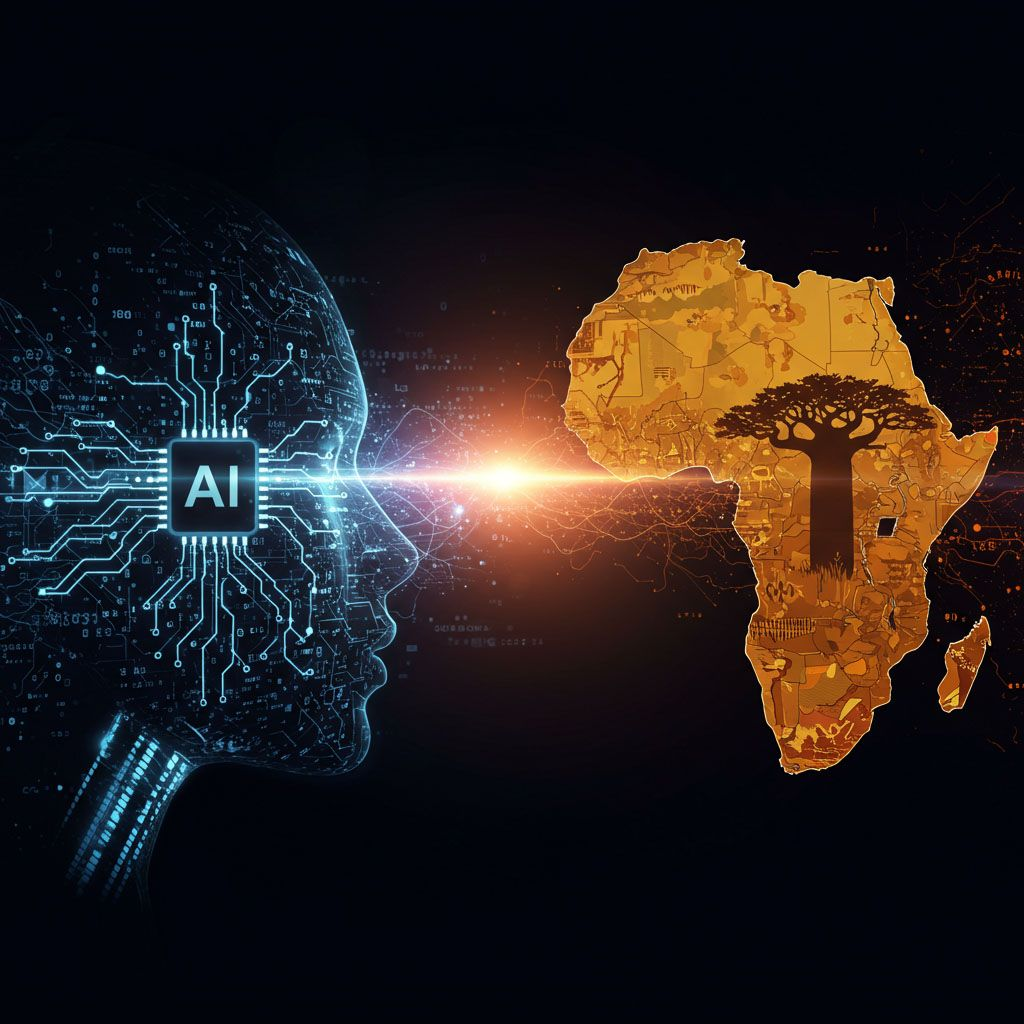
But There Is a Problem AI Cannot Solve by Itself
An AI assistant is not particularly useful when the power goes out.
Neither is a cloud-based productivity tool when Internet access is too expensive, too slow or simply unavailable.
That is where the optimism surrounding AI begins to collide with Africa's infrastructure reality.
The World Bank identifies electricity, broadband connectivity, computing capacity, data and digital skills as essential foundations for countries hoping to capture AI's benefits.
And across parts of Sub-Saharan Africa, those foundations remain weak.
Nearly one-third of rural schools in the region still lack reliable electricity, while more than two-thirds do not have dependable Internet access, according to the World Bank.
That creates an uncomfortable possibility.

Africa may not lose millions of jobs to AI, but it could lose something just as important: the productivity advantage AI gives everyone else.
The Countries That Move First Could Pull Further Ahead
Artificial intelligence does not arrive in a vacuum.
A company with stable electricity, affordable cloud computing, fast broadband and digitally skilled employees can deploy AI far more quickly than one constantly dealing with blackouts, expensive data and limited technical expertise.
The same is true for countries.
The World Bank warns that AI's economic benefits will not automatically spread evenly across the world.
Countries that lack infrastructure, skills, strong institutions and locally relevant data risk falling behind those able to adopt the technology faster.
That means the global AI race may not simply be about who builds the most powerful model.
For many African countries, the race begins with far less glamorous questions: Can businesses stay online? Can schools connect? Can workers afford data? Can startups access computing power?
Africa Doesn't Need to Build the Next ChatGPT
There is, however, some good news.
The World Bank does not argue that every developing country needs to spend billions trying to compete directly with the world's biggest AI laboratories.
Instead, it recommends what it calls an “adopt, adapt and advance” strategy. (World Bank)
Countries can first adopt existing AI systems, then adapt them to local industries, languages and problems before attempting to build more advanced capabilities themselves.
That could give African governments and businesses a more realistic path into the AI economy.
A local hospital does not need to build its own foundation model to benefit from AI. A farmer does not need a data centre nearby to use a well-designed AI service delivered through a smartphone or voice platform.
The opportunity may lie less in inventing the technology and more in making it useful for African realities.
The Real AI Divide May Be About Access
This changes the way Africa's AI debate should be framed.
The question is not only whether a machine will eventually replace an accountant, customer service worker, programmer or journalist.
A more immediate question is whether millions of Africans will have access to the tools that make workers elsewhere faster and more productive.
If electricity remains unreliable, Internet access expensive and computing infrastructure limited, Africa could find itself in an unusual position.
Its workers may be relatively protected from AI automation while simultaneously being excluded from AI-powered productivity.
And that may be the real warning buried inside the World Bank's optimism.
Africa's biggest AI threat may not be machines taking people's jobs. It may be infrastructure preventing millions of people from using the machines that could help them do those jobs better.