Nigeria Is Making EVs Cheaper, But Can They Survive an Epidemic of Unreliable Electricity?
Nigeria is making electric vehicles cheaper through tax incentives and zero import duties, but unreliable electricity and limited charging infrastructure could slow EV adoption and weaken the country's clean transport ambitions.
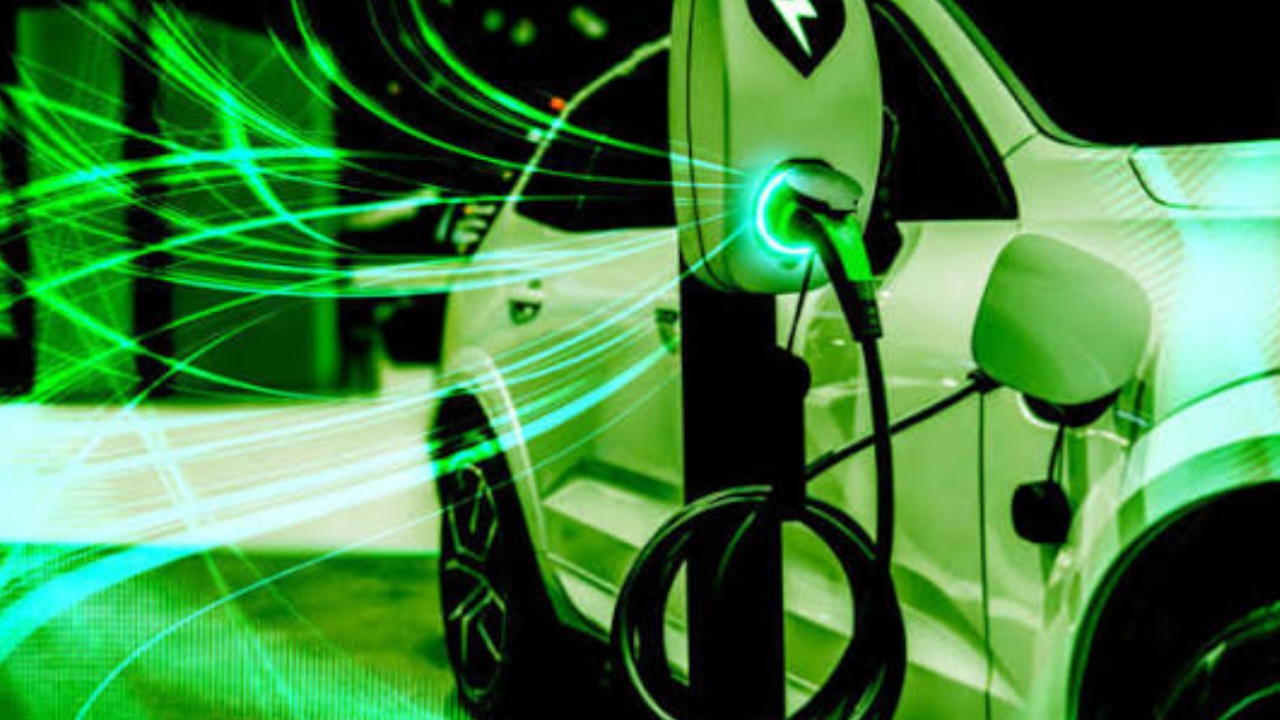
Imagine buying an electric vehicle in Lagos and discovering that the biggest problem is not the price of the car, but finding enough electricity to charge it.
Unlike your phone, laptop or other household gadgets, you cannot simply carry a power bank around to charge your EV when the electricity goes out. You cannot just keep a spare battery in your bag and plug it in when you get to work.
An electric car needs a serious amount of energy, and for a driver who depends on the vehicle every day, charging is not a convenience. It is part of the vehicle itself.
That is the strange position Nigeria is beginning to find itself in. The country is making electric vehicles cheaper and pushing policies designed to accelerate their adoption, while the electricity system that should keep those vehicles moving remains unreliable.
The government has removed import duties on EVs, cutting the duty from 5% to zero, after already exempting electric vehicles from VAT in 2024. In the first half of 2026 alone, government data reviewed by Reuters showed that nearly 4,000 EVs received tax exemptions under the new programme.
The ambition is much bigger than those 4,000 vehicles. Nigeria's Energy Transition Plan projects that electric vehicles could make up 60% of the vehicle market by 2050, with the country eventually moving towards 100% EV adoption by 2060.
But there is a question sitting underneath all of this: what happens when the country trying to electrify its transportation system cannot reliably electrify the vehicles?
The EV Opportunity Nigeria Cannot Ignore
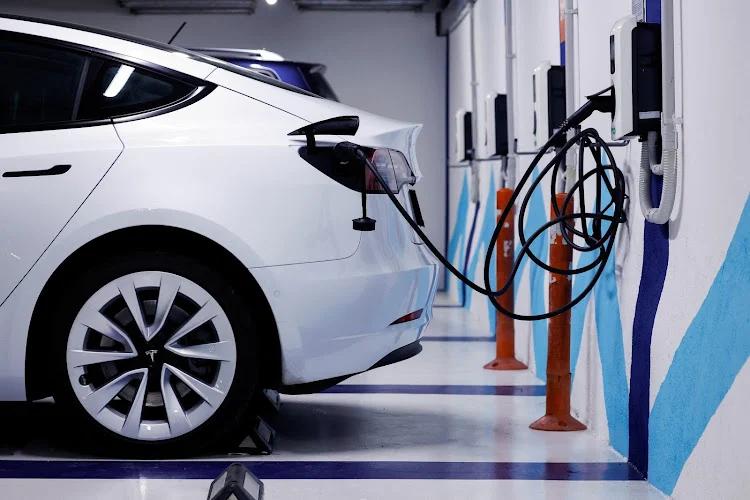
An electric vehicle, simply put, is a vehicle powered partly or entirely by electricity stored in a battery rather than an internal combustion engine that burns petrol or diesel.
For Nigeria, the attraction is obvious. Petrol prices have risen sharply since the removal of the fuel subsidy, making transportation increasingly expensive for households and commercial operators.
An EV can reduce the cost of running a vehicle because electricity can be cheaper per kilometre than petrol, while electric motors generally require less routine mechanical maintenance.
There is also the environmental argument. Replacing petrol and diesel vehicles with electric alternatives could reduce tailpipe emissions and help Nigeria move towards its longer-term energy-transition goals. And the opportunity is not necessarily limited to wealthy Nigerians buying electric cars.
Electric motorcycles and tricycles may actually be where Nigeria's EV transition becomes visible first. Commercial riders spend heavily on fuel every day, so reducing that expense can make electrification financially attractive even before private car ownership becomes widespread.
This is already happening in parts of the market. Companies such as Spiro are building electric motorcycle and battery-swapping networks across Africa, including Nigeria.
Spiro says it has deployed more than 80,000 electric motorcycles and operates over 2,500 battery-swapping stations, while reporting more than 30 million battery swaps. It also secured $50 million in debt financing in February 2026 to expand its infrastructure.
In March, President Bola Tinubu also expanded the mandate of the Presidential Initiative on Compressed Natural Gas to include electric vehicles, creating the PiCNG & EV initiative to coordinate EV deployment, charging infrastructure and related investments nationwide.
So the direction is clear. Nigeria wants electric mobility. The harder question is whether the country's infrastructure is ready for it.
The Electricity Problem Is the EV Problem
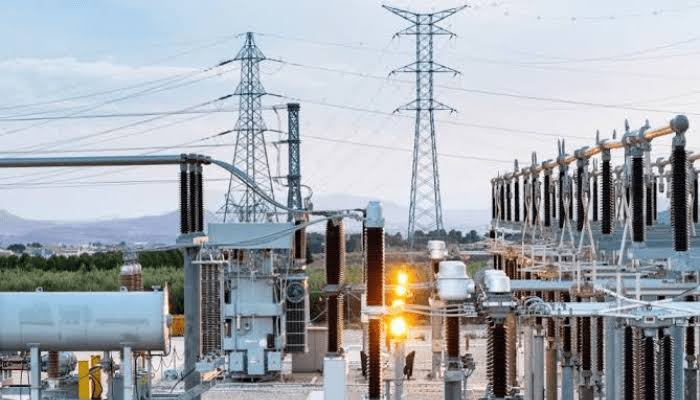
Nigeria's electricity grid currently supplies around 4,000 megawatts to a population of more than 200 million people, according to Reuters. When the grid fails, households and businesses routinely turn to petrol and diesel generators.
Now imagine adding millions of electric vehicles to that system. The problem is not simply generating enough electricity eventually. It is having enough electricity where and when people need to charge.
A Lagos driver who leaves home with a full battery needs to know that the vehicle can be charged again during transit as he goes about his daily activities and even before the next working day.

If the power disappears overnight, that driver cannot simply improvise indefinitely. A public charging station might be too far away, occupied or equally dependent on an unreliable grid.
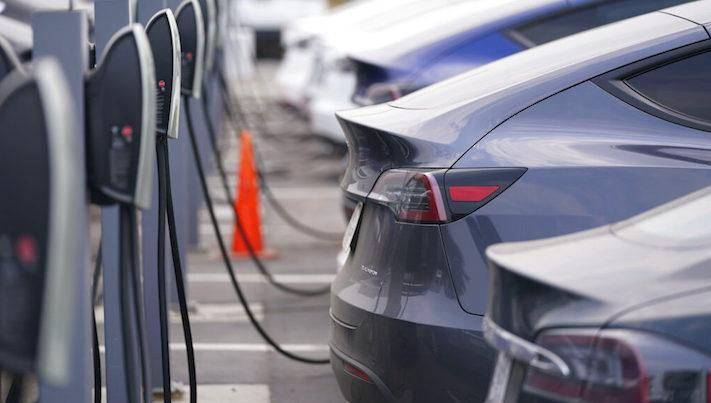
The numbers also reveal the infrastructure gap. A 2025 policy brief cited in the reporting estimated that Nigeria had only about 48 public charging stations, concentrated largely in Lagos and Abuja, while South Africa had more than 500.
This is where the EV dream meets Nigerian reality. Charging stations themselves need electricity, and Reuters found that some charging operators, dealerships and battery-swapping businesses are already using generators when grid supply fails.
That creates an uncomfortable contradiction. If an electric vehicle is being charged with electricity produced by a diesel generator, the environmental advantage becomes less straightforward. The car may have no exhaust pipe, but the energy powering it may still come from fossil fuel. And for consumers, there is another problem: reliability.
People can tolerate an unreliable power supply when it means their television is off for three hours. They can use an inverter or power bank when their phone needs charging. An EV is different.
Nigeria May Need to Electrify Transport Before It Electrifies Everything Else
This does not mean Nigeria's EV ambition is unrealistic. It means the country may need to approach it differently.
Instead of expecting millions of private car owners to suddenly switch from petrol vehicles to fully electric cars, Nigeria could see a more gradual transition led by commercial motorcycles, delivery fleets, tricycles and other high-mileage vehicles.
Battery swapping is particularly interesting because it changes the electricity problem.
A rider does not necessarily have to wait for their depleted battery to charge. They can exchange it at a designated station for a charged battery and continue working. The charging process is moved away from the rider and concentrated in infrastructure that companies can manage more efficiently.
It does not solve Nigeria's electricity shortage. It simply makes the problem more manageable. That may be one reason electric motorcycles could scale faster than electric cars.
There is also growing interest in hybrids and extended-range vehicles, which offer another compromise for a country where charging infrastructure is still developing.
Chinese manufacturers such as BYD and Geely are also expanding their presence, while local and regional companies are experimenting with different ways of making electric mobility work in African conditions.
The bigger lesson is that making EVs cheaper is only one part of making them practical.
Nigeria can remove import duties. It can offer tax incentives. It can encourage local assembly. It can set ambitious targets.
But eventually, the person buying the vehicle will ask a much simpler question: “Where will I charge it?”
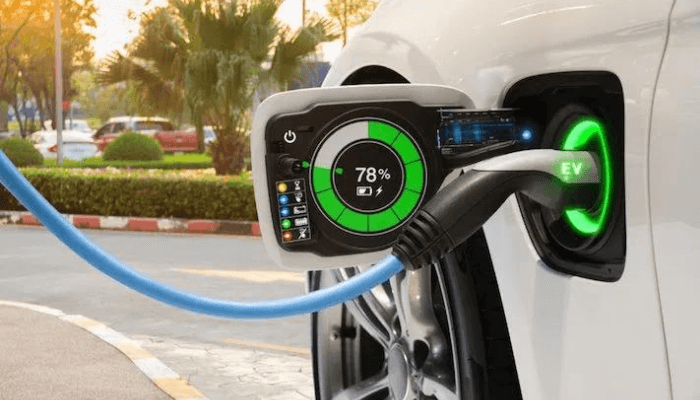
That question could determine whether Nigeria's electric vehicle transition becomes a genuine transformation or remains a collection of promising policies, pilot programmes and thousands of imported vehicles.
The country does not necessarily need to wait until its electricity system becomes perfect before adopting EVs. But it cannot pretend the electricity problem is separate from the EV problem either.
If Nigeria wants more electric vehicles on its roads, it must build the energy infrastructure that keeps them moving.
Otherwise, the country may succeed at making EVs cheaper while leaving Nigerians to discover that the most expensive part of owning one is not buying the car. It is finding the electricity to run it.