South Africa Has 8.5 Million Unemployed People, But Will Blaming Migrants Create New Jobs?
South Africa has factories, mines, universities and one of Africa’s biggest economies. So why are 8.1 million people still without jobs, and why are young South Africans bearing the worst of it?
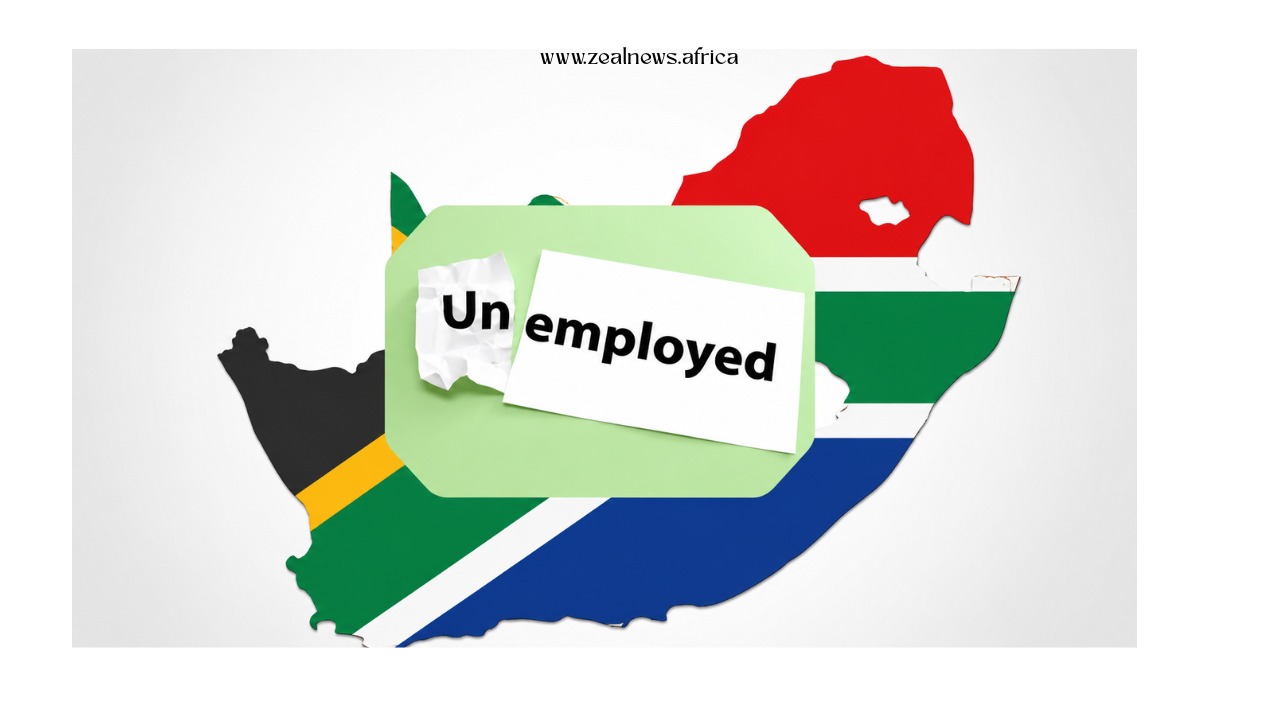
South Africa’s unemployment crisis has worsened again.
The country’s official unemployment rate climbed to 33.6% in the second quarter of 2026, up from 32.7% in the first quarter, according to the latest labour-market figures released by Statistics South Africa.
The number of unemployed people rose from 8.137 million to 8.481 million between the first and second quarters. The expanded unemployment rate, which includes people who have given up searching for work, also edged higher from 43.7% to 43.8%.
That puts South Africa among the countries with the highest unemployment rates in the world, despite having one of Africa’s largest and most industrialised economies.
How Bad Is South Africa’s Unemployment Crisis?
The headline number tells only part of the story.
In the first quarter, the economy had already lost 345,000 jobs, reducing the number of employed people to 16.8 million. By the second quarter, employment had declined across seven of the ten industries tracked by Stats SA.
Community and social services recorded the largest losses in Q2, followed by mining, agriculture and manufacturing. Trade, construction and finance were among the few sectors to add jobs.
Young South Africans remain particularly exposed.
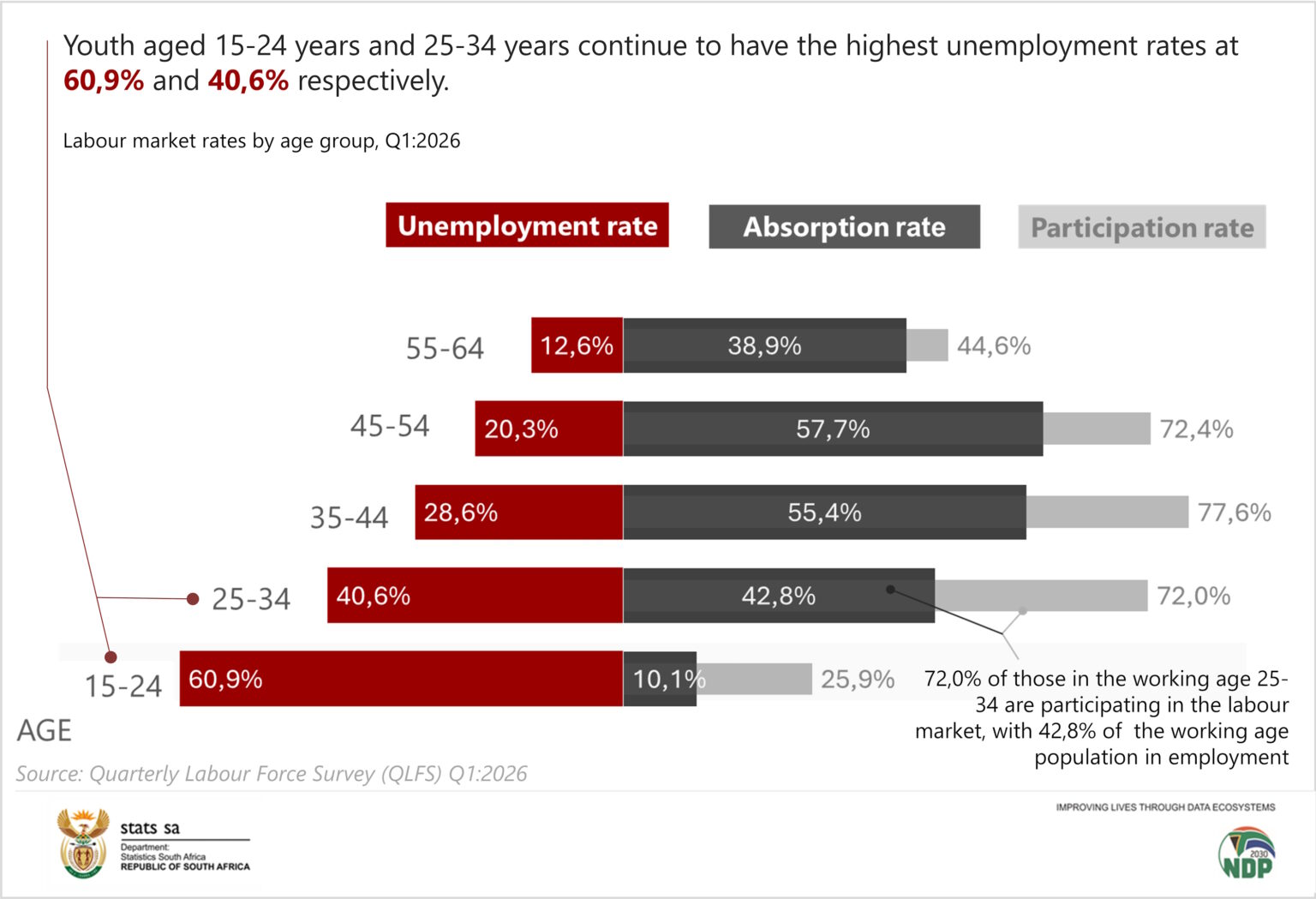
Statistics South Africa reported that in the first quarter, 4.7 million people aged 15 to 34 were unemployed, compared with 5.6 million who had jobs. Among 15-to-24-year-olds participating in the labour market, unemployment reached an extraordinary 60.9%, while the rate for those aged 25 to 34 was 40.6%.
South Africa therefore faces more than a skills problem. Its economy is simply not creating enough jobs for the millions of people entering or already trapped outside the labour market.
Education still improves a person's employment prospects, but a qualification cannot guarantee work when businesses are not expanding fast enough to absorb available labour.
If Foreigners Are the Problem, What Does the Evidence Say?
High unemployment has helped fuel a powerful political narrative in South Africa: that foreign nationals are taking jobs that should belong to citizens.
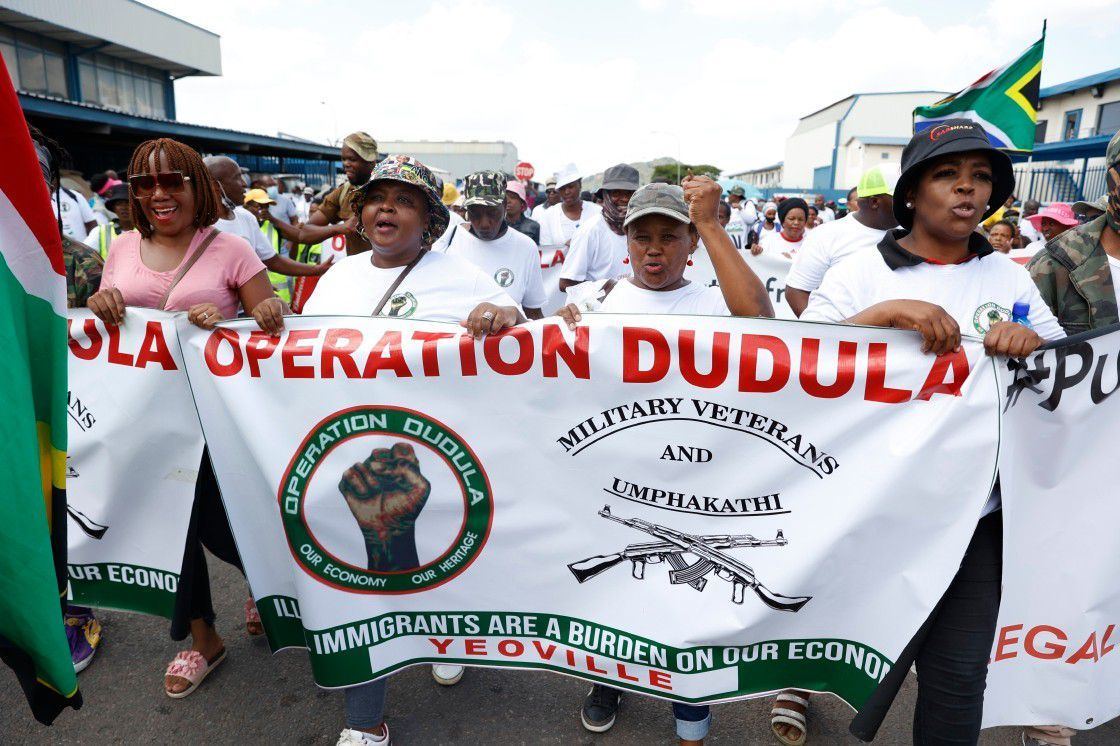
Groups including Operation Dudula and other anti-immigration movements have campaigned against undocumented migrants, while African migrants and foreign-owned businesses have faced intimidation, displacement and, in some cases, violence.
But the available evidence does not support migrants as the primary explanation for South Africa’s unemployment crisis.
A national statistics survey put migrants at about 3.1 million people, roughly 4.1% of South Africa’s population. Separate UN estimates cited by Reuters put the figure at around 2.6 million, or about 5% of the population.
More importantly, research points in the opposite direction from the idea that every job held by a migrant represents one lost to a South African.
A World Bank study cited in an examination of South Africa’s anti-migrant claims found that migrant economic activity can generate employment for South Africans. Research using labour-force data has similarly found that increased immigrant participation can coincide with greater employment opportunities for South African-born workers.
Migrants also operate businesses, rent property, buy goods and employ local workers, meaning they participate in the economy as consumers and entrepreneurs as well as workers.
That does not mean immigration policy should be ignored. South Africa has a legitimate responsibility to manage its borders, enforce labour laws and deal with undocumented immigration.

But immigration enforcement and job creation are two different problems.
Removing a foreign shopkeeper does not automatically create a factory. Deporting an undocumented worker does not solve low investment, weak economic growth, failing municipalities or the structural barriers preventing businesses from hiring.
Recent events have even illustrated the economic risks of indiscriminate anti-migrant action.
In July, Reuters reported that thousands of African migrants had left or considered leaving following anti-immigrant protests, raising concerns about labour shortages in construction, farming, retail, transport and parts of the informal economy.
The unemployment debate therefore becomes dangerous when a complicated economic failure is reduced to one highly visible group of people.
How Are Young South Africans Surviving Without Formal Jobs?
While the formal labour market struggles, young South Africans are creating other ways to earn.
Some freelance online. Others sell clothes, food and other products through social media, provide beauty services, drive for digital platforms or build small businesses around whatever skills and technology they have available.
For many, this is not entrepreneurship by choice. It is entrepreneurship by necessity.
The informal and digital economies can provide crucial income, but they rarely offer the security of formal employment. Earnings can fluctuate, benefits are limited and workers may have little protection if business suddenly disappears.
South Africa should therefore treat its informal economy as an important part of the employment solution rather than something that exists outside economic policy.
Young entrepreneurs need easier access to finance, digital infrastructure, markets, business registration and practical training that helps small enterprises survive beyond their first few years.
Where Will The Jobs Come From?
South Africa’s unemployment crisis cannot be explained by migration alone, and it certainly cannot be solved by hostility towards other Africans.
The latest figures point to a much larger challenge: an economy that has not expanded quickly enough to employ its growing working-age population.
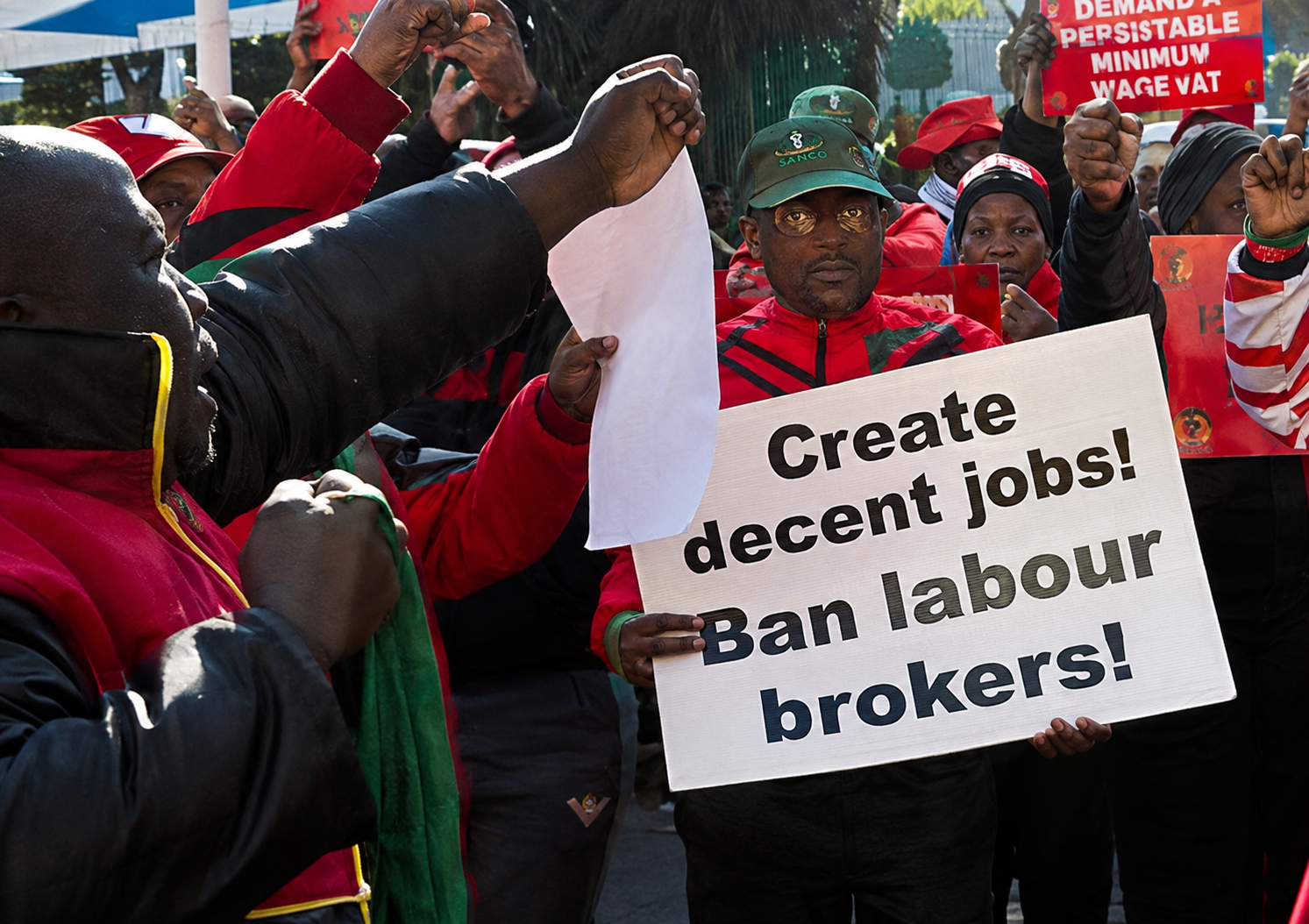
South Africa needs investment in industries capable of employing large numbers of people, stronger small businesses, functioning infrastructure, better vocational training and an economic environment in which companies have reasons to expand and hire.
Immigration laws can and should be enforced fairly.
But blaming migrants for millions of unemployed South Africans risks turning economic frustration into social conflict while leaving the underlying unemployment crisis untouched.
With the official jobless rate now at 33.6% and the expanded rate at 43.8%, the country can no longer afford explanations that are politically convenient but economically incomplete.
South Africa does not simply need someone to blame. It needs millions more jobs.