Access or Exclusion? Madagascar’s Visa Increase and the Bigger Picture
Madagascar has tripled its 15-day e-Visa fee amid rising tourism numbers. Read about how visa costs affect travel accessibility, economic growth, and Africa’s broader tourism strategy.
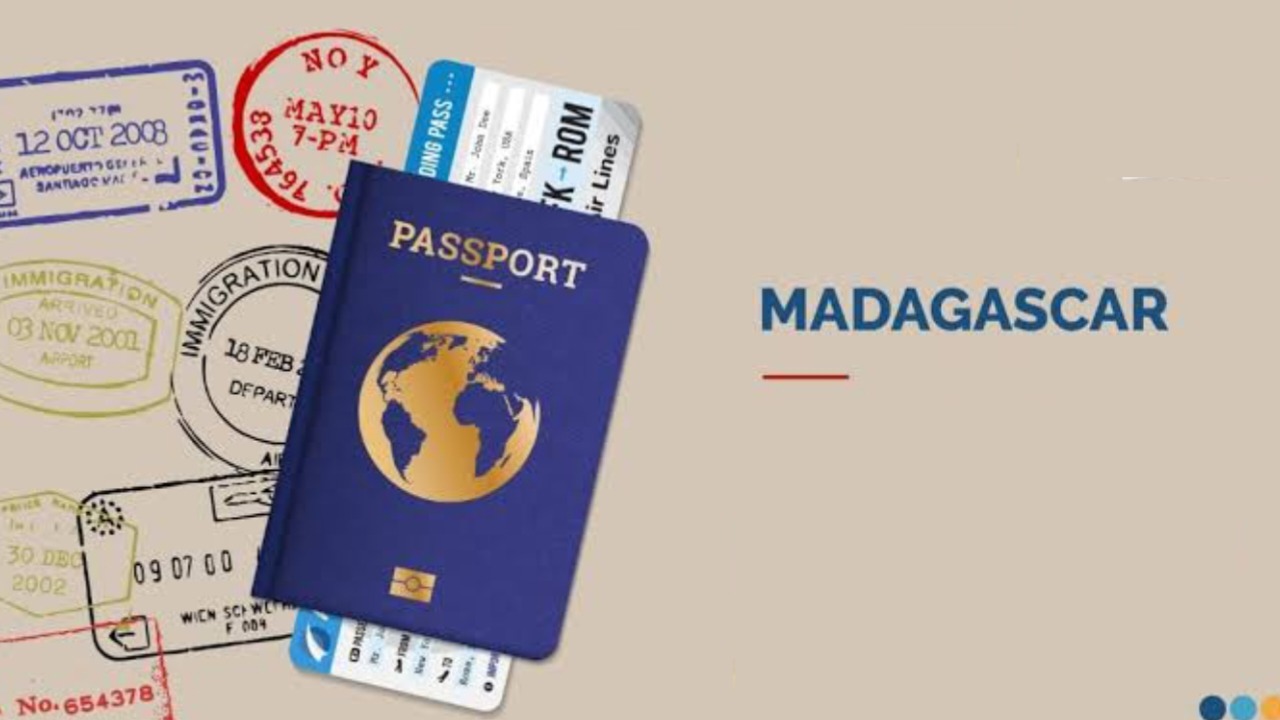
Travelling has always been more than movement, it has always been curiosity crossing borders whether for vacation, meetings, education or even immigration.
It is the quiet exchange between cultures that turns maps into lived experiences and relatable perspectives.
For many African countries, tourism is no longer just a leisure industry, it is an economic pillar, a diplomatic bridge, and a branding tool in a competitive global market.
Over the past few years, Africa’s tourism sector has shown remarkable growth and received remarkable attention.
Madagascar is one such example, in 2025, the country welcomed 330,909 international visitors, surpassing both 2024’s 316,873 arrivals and even pre-pandemic levels recorded in 2019 (306,284 travelers).
Despite a political crisis in late 2025 that temporarily disrupted international flights and bookings, December saw a rebound that signaled renewed upward momentum. Tourism was literally rising again in the nation.
Yet just as visitor numbers climb, a policy shift has sparked broader questions about accessibility and economic inclusion.
When Entry Becomes a Luxury: The Visa Fee Debate
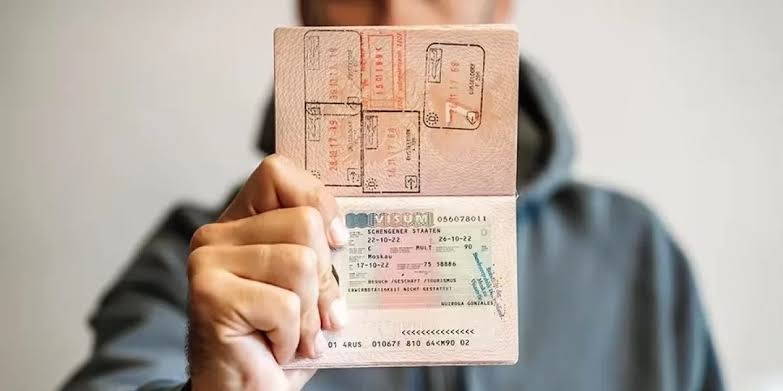
Since February 16, 2026, Madagascar has tripled the fee for its 15-day electronic tourist visa.
Previously priced at €10 (US$10), the short-stay e-Visa now costs €30 (US$35), according to the official portal, evisamada-mg.com.
The increase applies specifically to the 15-day electronic visa and other categories remain unchanged:
16–30 days: €35 (US$41)
31–60 days: €40 (US$47)
Up to 90 days: €50 (US$59)
Importantly, the change affects only the online system. Visa-on-arrival fees and embassy-issued visas have not officially been adjusted.
On paper, €30 may not appear dramatic. But context matters. A threefold increase, particularly on the shortest and most accessible travel option, sends a symbolic message.
The 15-day visa is often chosen by budget travelers, backpackers, regional tourists, and short-term explorers. It represents accessibility and ease without over bearing cost.
When entry costs rise sharply, the economics ripple outward and the human economics trajectory changes.

Travel decisions are rarely made in isolation of pricing. Visa fees combine with flight prices, accommodation rates, currency exchange fluctuations, and domestic transport costs.
For many travelers, especially those coming from developing economies, every added charge reshapes feasibility and perceived possibility of a successful flight.
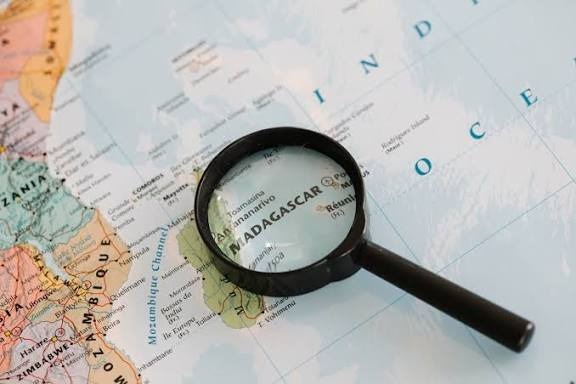
For Madagascar, tourism is not just leisure revenue. It supports local guides, hotel workers, artisans, transport operators, and coastal communities.
A seemingly modest €20 increase per traveler may influence short-stay visitors who contribute significantly to grassroots economies.
Governments often justify fee increases as revenue-generating measures to support infrastructure, environmental conservation, or administrative efficiency.
These are valid considerations, maintaining biodiversity hotspots, managing parks, and investing in digital visa systems require funding.
However, there is a delicate balance between revenue optimization and accessibility.
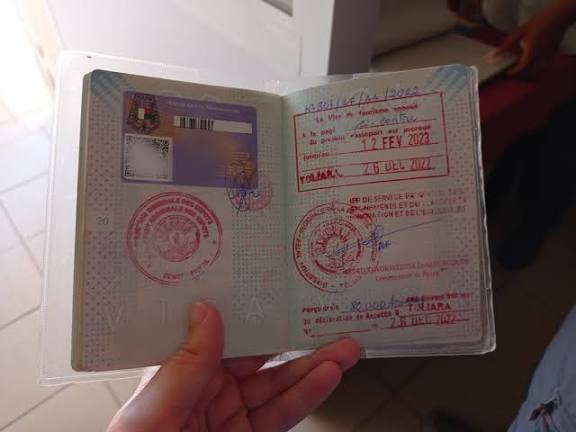
Africa’s tourism narrative in recent years has emphasized openness. Countries like Kenya and Ghana have experimented with visa reforms aimed at easing entry and encouraging regional mobility.
The broader continental vision, especially under the African Continental Free Trade Area (AfCFTA), leans toward integration rather than restriction.
When entry barriers rise, even subtly, they risk reinforcing a financial divide in global travel. Tourism should not become a privilege reserved for higher-income visitors while excluding regional or budget travelers who seek authentic experiences.
The question is not whether Madagascar has the right to adjust its visa fees, sovereign states control their border policies.
The deeper question is how such decisions align with long-term tourism strategy.
Does tripling the cost of the most affordable visa category maximize short-term revenue at the expense of inclusivity? Or is it a calculated adjustment that will have minimal impact on demand due to strong destination appeal?
These are economic calculations, but also reputational ones that we all need to reflect on, not just for Madagascar but the whole African continent.
Tourism Should Invite, Not Filter
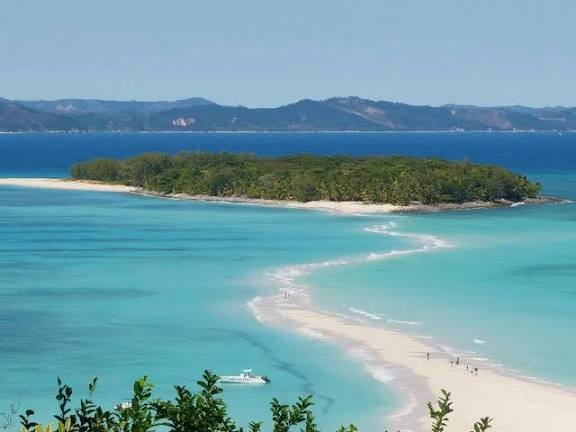
Travel is already shaped by inequality. Passports do not carry equal weight. Currencies do not hold equal strength. Mobility is often determined by economic privilege long before someone reaches an airport.
When African destinations experience tourism growth, as Madagascar clearly has, policy decisions must consider more than immediate fiscal gains.
They must weigh perception, accessibility, and long-term brand positioning.
Madagascar’s tourism numbers in 2025 show recovery and resilience.
The rebound after political instability demonstrates the strength of its appeal, from unique biodiversity to cultural richness. That momentum is valuable.
But growth should be nurtured carefully and with scalability for all tourists.
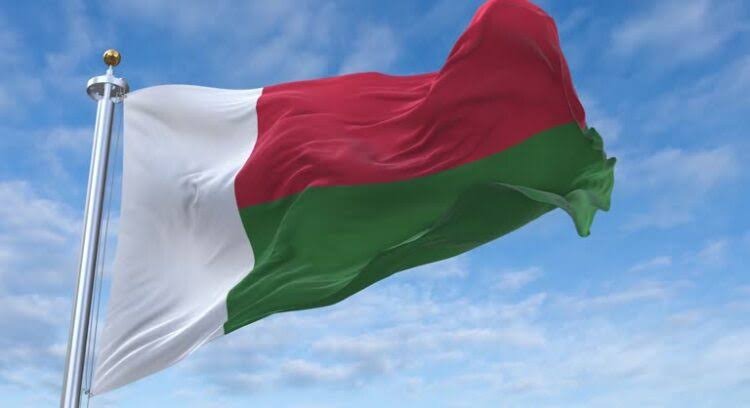
If Africa’s tourism industry aims to compete globally, it must resist policies that unintentionally signal exclusivity.
Incremental revenue gains should not create psychological or financial barriers that deter potential visitors.
Tourism thrives on openness and on the promise that any destination is reachable.
Visa policies are not just administrative tools, they are either invitations or outright exclusion.
And the strongest tourism economies are built not merely on how much they charge to enter, but on how welcome they make people feel when they arrive.