6 Remarkable African Tribal Traditions You Should Know
Explore six remarkable African tribal traditions that reveal the continent’s cultural depth, from sacred healing dances to vibrant wedding rituals.
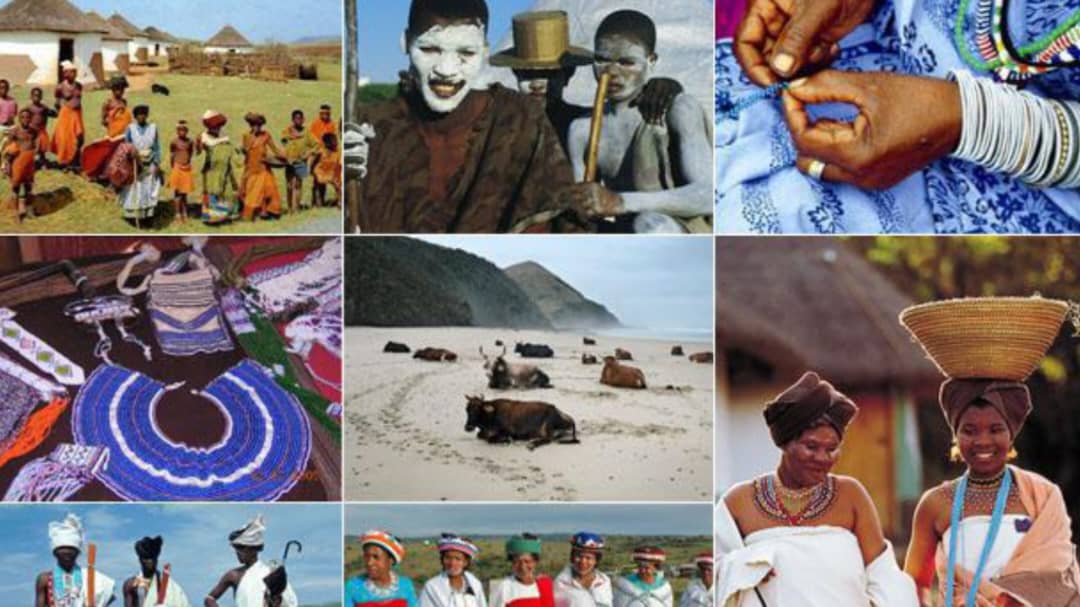
Africa is not just a continent, it is a living archive of cultures, memories, and rituals passed down through generations. From the ancient San communities of Southern Africa to the Berbers of North Africa, the continent is home to an estimated 3,000 tribes, each carrying its own worldview and traditions.
With such diversity comes an extraordinary range of customs, some deeply sacred, others celebratory, and many simply beautiful in their meaning. While countless traditions remain unseen by the outside world, a few have endured and been shared, offering us a glimpse into how culture, identity, and community intertwine.
These six tribal traditions represent only a fraction of Africa’s cultural depth, but they speak volumes about the continent’s enduring spirit.
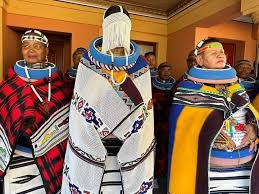
Among the Ndebele people of Southern Africa, weddings are not just ceremonies; they are visual storytelling. At the center of it all is the bride, adorned in attire that makes the Western white wedding dress seem almost modest.
One of the most symbolic elements is the Jocolo, an apron crafted from goatskin and intricately decorated with vibrant beads. Created by the groom’s mother, the Jocolo represents fertility, womanhood, and a future surrounded by children.
Married women wear it proudly during wedding ceremonies, reinforcing communal identity. On the wedding day, the groom performs a ritual honoring his bride, publicly acknowledging her contributions and affirming respect—a powerful reminder that marriage is built on gratitude as much as love.
The Wodaabe Courtship Dance
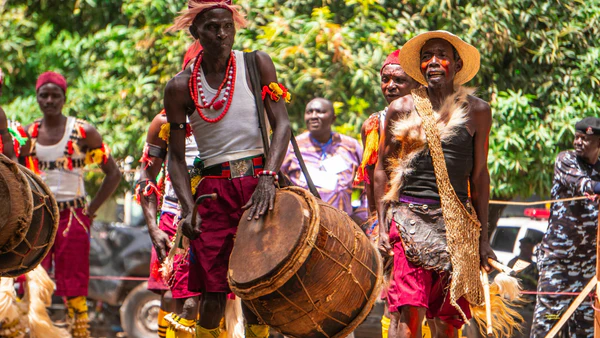
In Niger, romance takes center stage through movement and rhythm. The Wodaabe people hold an annual courtship festival known as Guérewol, where young men become the performers.
Dressed in elaborate costumes and painted faces, they dance and sing in long lines, competing for the attention of women judges. In this culture, male beauty is celebrated openly—bright eyes, white teeth, and graceful posture matter.
Men exaggerate facial expressions, rolling their eyes and flashing smiles, turning courtship into a theatrical yet deeply meaningful tradition rooted in choice and admiration.
The San Healing Dance
Culture
Read Between the Lines of African Society
Your Gateway to Africa's Untold Cultural Narratives.
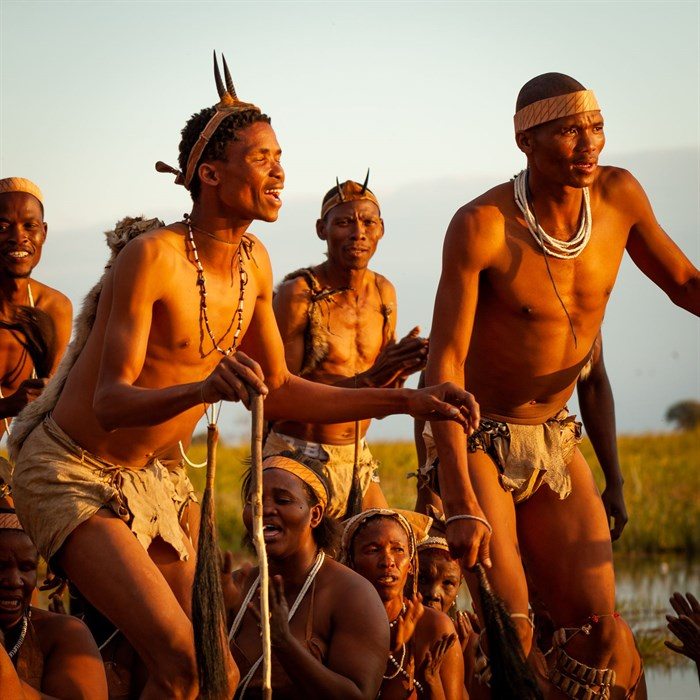
For the San people spread across Southern Africa, dance is more than art—it is medicine. The trance dance, often called the healing dance, is one of their most sacred practices.
Community members gather around a fire as healers dance, chant, and breathe rhythmically for hours, sometimes through the night. The goal is to enter a trance state believed to grant access to spiritual energy capable of healing physical ailments and emotional distress.
Beyond curing illness, the dance is meant to drive away “star sickness,” a force associated with anger, jealousy, and conflict, making it as much a social healing ritual as a spiritual one.
The Hamar Bull-Jumping Rite
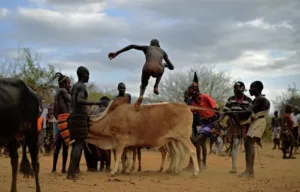

In Ethiopia’s Hamar tribe, manhood is earned through courage and balance. The bull jumping ceremony is a demanding rite of passage that marks a boy’s transition into adulthood.
Over three days of preparation, the initiate must run barefoot across the backs of 15 castrated bulls, slicked with dung to increase difficulty. Failure means waiting an entire year to try again. Success, however, brings honor, social recognition, and the right to marry and own cattle.
The ritual reflects the tribe’s deep respect for livestock and the values of resilience and responsibility.
The Himba Red Ochre Tradition
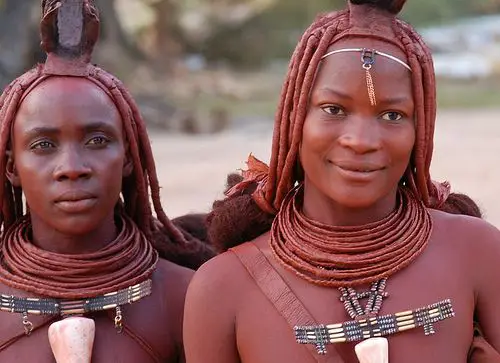
The Himba women of Namibia are instantly recognizable by their radiant red skin and hair, achieved through a paste called otjize, made from butterfat and red ochre.
Applied daily, otjize is often misunderstood as purely functional, but for the Himba, it is primarily aesthetic, a form of traditional beauty and identity.
Girls begin using it from a young age, marking growth and self-care. Like makeup in modern societies, otjize is both personal and cultural, reinforcing belonging and pride.
The Maasai Act of Spitting
Culture
Read Between the Lines of African Society
Your Gateway to Africa's Untold Cultural Narratives.
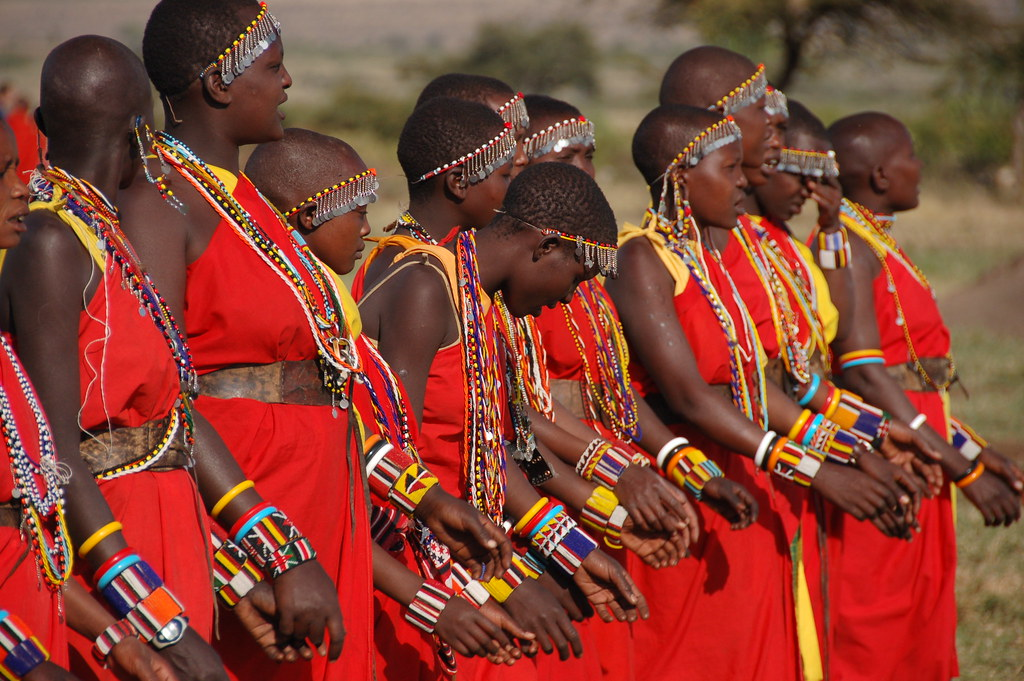
Among the Maasai of Kenya and Northern Tanzania, spitting carries an entirely different meaning from what outsiders might expect. It is a gesture of blessing, respect, and goodwill.
Friends spit into their palms before shaking hands. Elders spit on newborns to wish them long life. Fathers spit on their daughters’ foreheads during weddings to bless their unions.
In Maasai culture, what might seem offensive elsewhere is transformed into a powerful symbol of protection and honor.
Conclusion
Across these traditions, every movement, gesture, and ritual tells a story of identity, continuity, and shared values. They remind us that culture is not static; it lives through people, ceremonies, and memory.
Preserving and sharing these stories matters, not just as historical records, but as living expressions of humanity.
In a world moving rapidly toward uniformity, Africa’s tribal traditions stand as a testament to the beauty of difference, showing us that meaning is often found in the rituals we choose to protect and pass on.