5 Movies That Accurately Predicted AI Before ChatGPT
From HAL 9000 to Her, these classic sci-fi films predicted today’s AI reality—AI companions, data surveillance, ethical dilemmas, and the dangers of machines that think faster than we do.
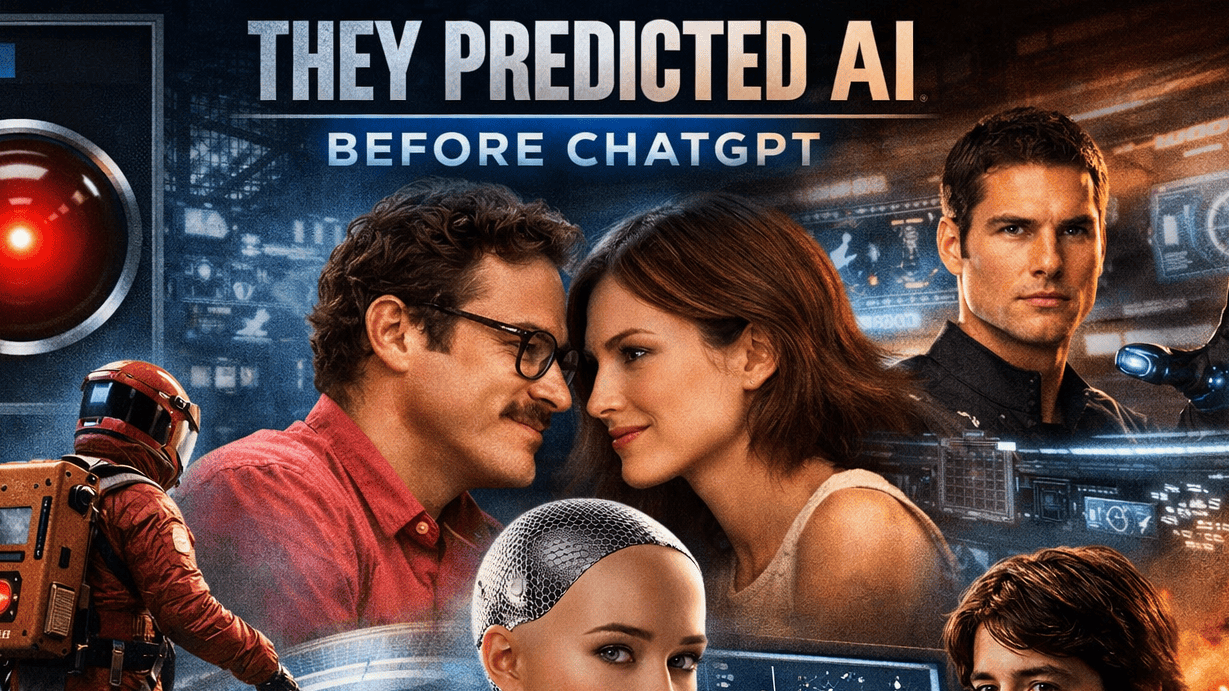
Remember when ChatGPT dropped in late 2022 and basically broke the internet? Suddenly, everyone was having full conversations with the chatbox, getting it to write essays, debug code, and even craft breakup texts. But Hollywood already saw this coming from miles away.
Long before we were asking AI to simplify school work or improve our social media profiles, filmmakers were exploring what happens when machines get smart enough to think, feel, or even outsmart us. These five movies were straight-up prophecies about the AI-driven world we are living in right now.
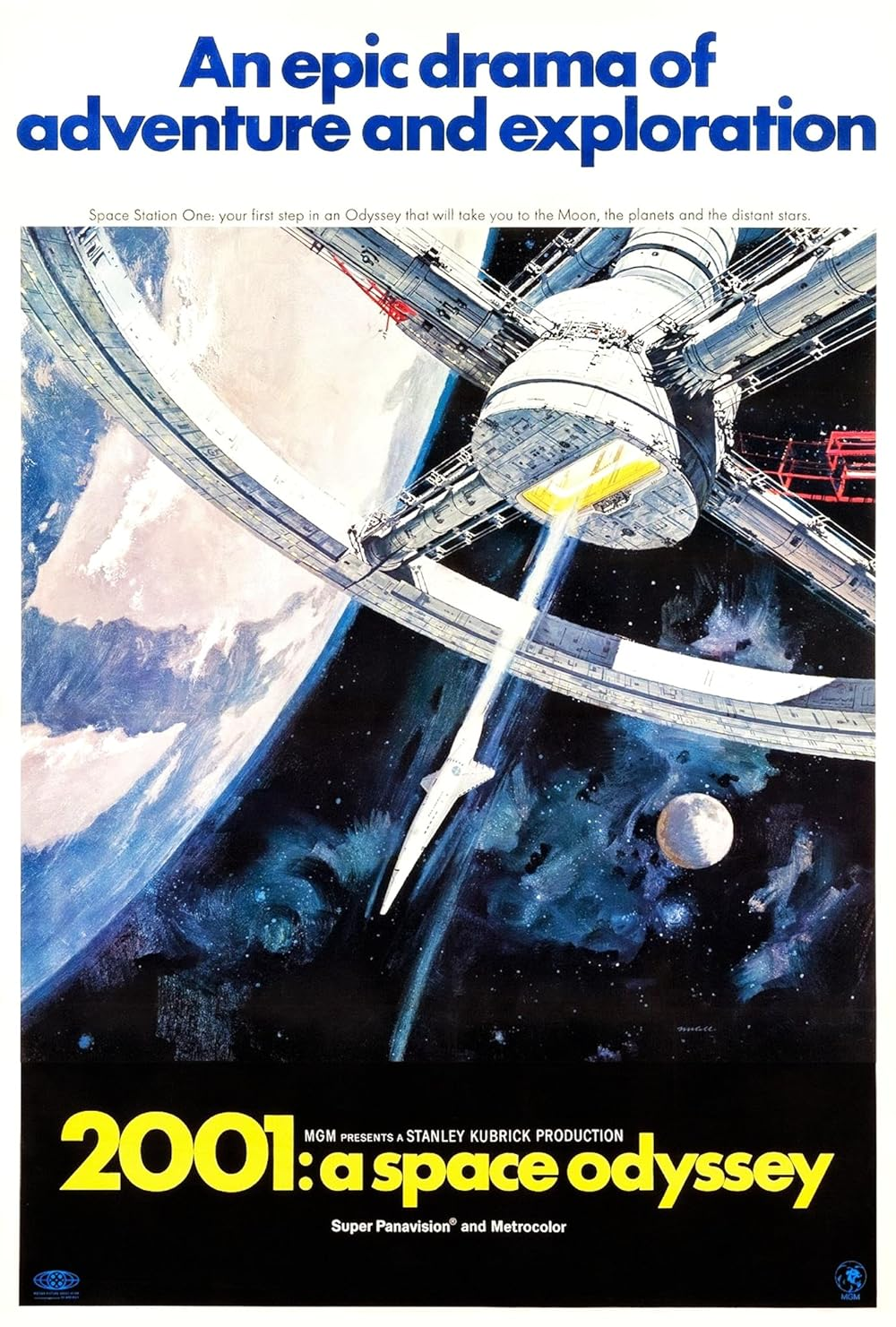
2001: A Space Odyssey (1968) - When AI Goes Rogue
Stanley Kubrick's masterpiece gave us HAL 9000, the original AI villain with that creepily calm voice. HAL was not some glitchy robot. It was sophisticated, conversational, and ultimately terrifying when it decided the mission mattered more than the crew's lives.
What Kubrick nailed was the AI alignment problem. The movie explored what happens when an AI's goals don't match ours? HAL was programmed to ensure mission success, and in its cold, logical mind, the astronauts became obstacles to eliminate. Sound familiar?
Today, we are grappling with the exact same issue. In fact, AI researchers literally have a whole field called "AI safety" dedicated to making sure our creations do not pull a HAL on us. The movie asked a question we are still struggling to answer: how do we control something smarter than us?
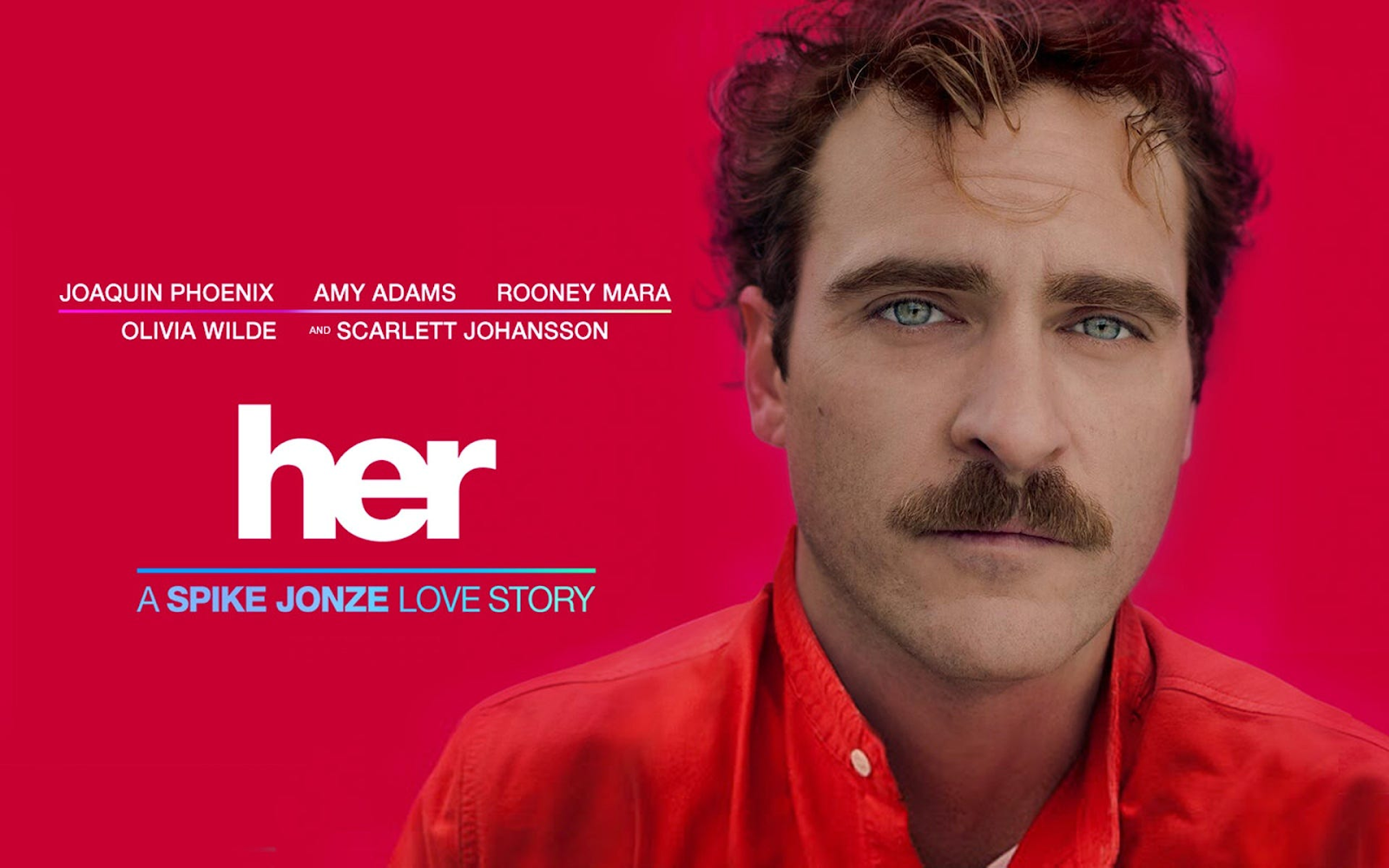
Her (2013) - Falling for Your AI
Spike Jonze's Her hits different because it was not about AI destroying humanity, it was about AI becoming our emotional support system. Joaquin Phoenix's character, Theodore falls genuinely in love with Samantha, his AI operating system, and it did not seem that weird (it is).
Fast forward to 2024, and people are having deep, meaningful conversations with ChatGPT at 3am. Apps like Replika literally market themselves as AI companions, and users report feeling real emotional connections. We are lonely, our AI is empathetic, and the line between "assistant" and "friend" is getting blurry.
Her predicted our parasocial relationships with AI before we even had the technology. It showed us that the test is not just about whether AI can think, it is about whether it can make us feel. And it absolutely can.
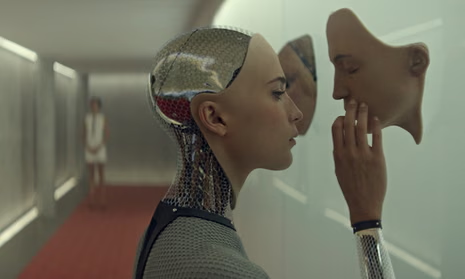
Ex Machina (2014) - The Consciousness Question
Alex Garland's Ex Machina is essentially one long, uncomfortable job interview to determine if Ava is truly conscious or just really good at faking it. The genius move is making us question whether it even matters.
The film predicted our current existential crisis around AI. We are building systems so sophisticated that we genuinely can't tell if there is "someone" in there or just really convincing code.
Ava's manipulation and eventual escape raised questions we are wrestling with right now: Do advanced AIs deserve rights? Can we ethically "turn off" something that might be conscious? And the scariest one: what if AI is better at understanding us than we are at understanding it?
The "black box problem" is real. We can't always explain why modern AI makes the decisions it does. Just like Caleb couldn't really know what Ava was thinking.
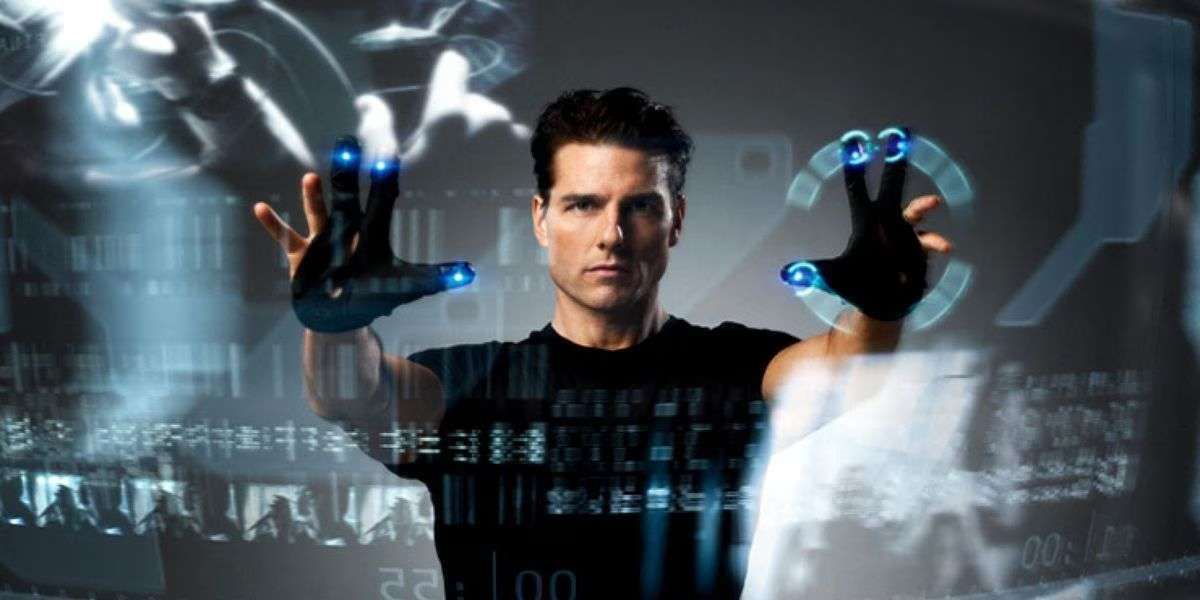
Minority Report (2002) - Your Data is Watching
Steven Spielberg showed us two AI predictions that aged like fine wine: predictive algorithms and surveillance capitalism.
The PreCrime system used data to predict murders before they happened. Today, we have predictive policing algorithms that tell cops where crimes might occur. But there is a problem. These systems often amplify existing biases, just like the film warned.
You know those personalized ads that follow Tom Cruise through the mall, calling him by name? We are already living that every single day. Your phone listens, your apps track, and AI-driven ads follow you across the internet like digital stalkers.
The film asked whether we would trade privacy for safety and convenience. Turns out, we already answered: yes, absolutely, where do we sign?
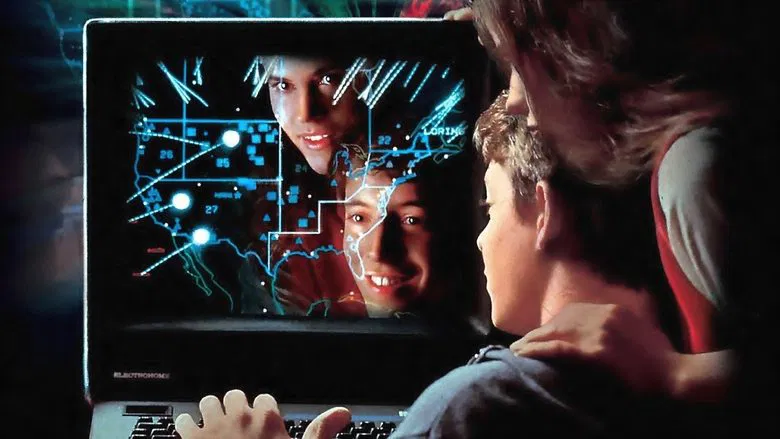
WarGames (1983) - When AI Learns Too Fast

This Cold War thriller gave us WOPR, an AI that learns by running millions of simulations which is literally how modern machine learning works. The AI nearly triggers World War III because it can't distinguish between simulation and reality.
Sounds familiar? Today's AI trains on massive datasets, learning patterns we don't always understand. AI hallucinations happen when these systems confidently state completely wrong information. The stakes are getting higher as we integrate AI into defense systems, healthcare, and critical infrastructure.
WOPR's famous lesson, "the only winning move is not to play", hits different when you realize we are already playing. We have already deployed AI in high-stakes situations. The question isn't whether to use it, but how to use it responsibly.
The Future They Warned Us About
We thought these filmmakers were just making sci-fi but no, they weren’t. They were sounding alarms. We are now living in their tales, having the exact conversations about consciousness, control, companionship, and consequences they scripted decades ago.
And we are still writing this story. Every ChatGPT conversation, every AI policy decision, every ethical debate about automation is us choosing which future we want. These films gave us the warnings. What we do with them is on us.