4 Documented Ozempic Dangers That Should Scare You More Than Your Weight
Millions took it without asking what it does to the body long term. Here are 4 documented Ozempic dangers that answer that question.
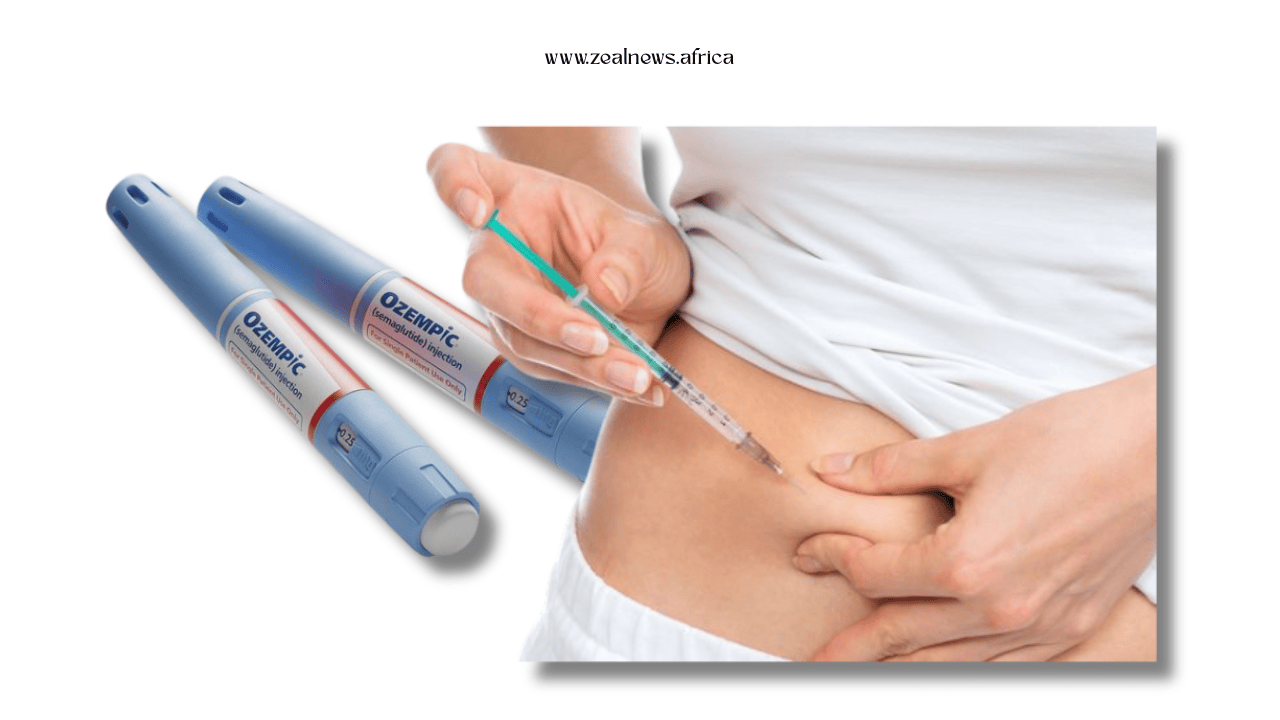
They called it a miracle. Celebrities posted their before-and-afters. Pharmacies ran dry. People ordered unregulated versions online and jabbed needles into their stomachs in bathroom mirrors, chasing a body they had seen on a red carpet.
Between 2022 and 2024, Ozempic became the most talked-about drug on earth, not because of the disease it was designed to treat, but because of the body it promised to sculpt.
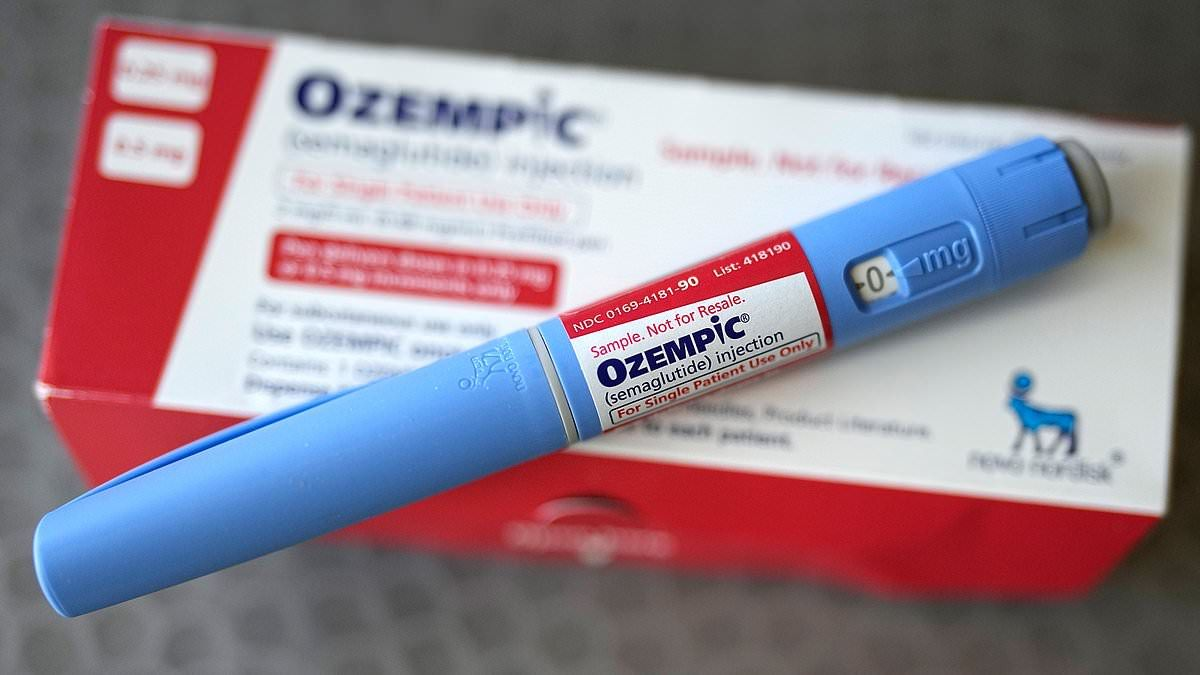
What nobody talked about nearly enough was what that body would cost.
Here are seven documented dangers of Ozempic that deserve far more attention than they are getting.
1. Gastroparesis (Stomach Paralysis)
The most brutal side effect of Ozempic is not the nausea everyone jokes about. It is gastroparesis, a condition in which the stomach essentially stops emptying. Food sits inside it, fermenting, refusing to move.
The pain is severe enough to send people to emergency rooms convinced they have appendicitis.
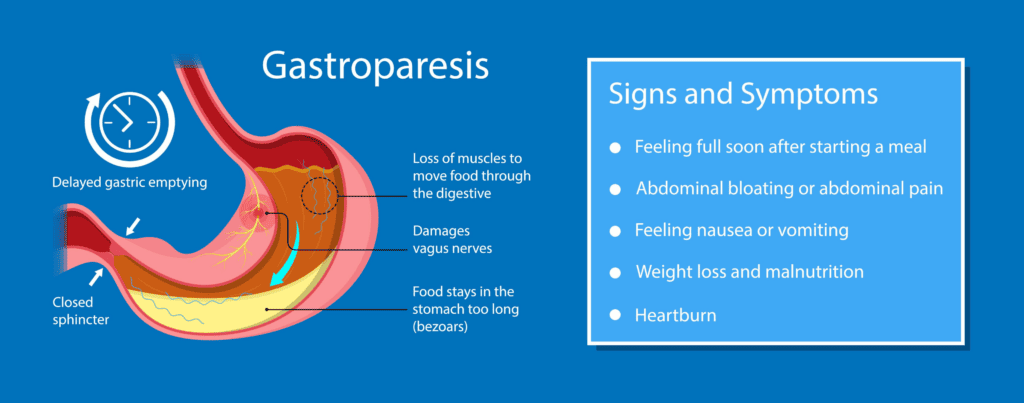
The FDA added a warning about intestinal obstruction to the drug's label after receiving reports of at least twenty cases of ileus, a potentially fatal bowel blockage, and at least two connected deaths. For some patients, the condition persists long after they stop the drug entirely.
2. Acute Kidney Injury
Ozempic's intense gastrointestinal side effects, vomiting, diarrhea, and loss of appetite, can cause severe dehydration. The kidneys, which depend on adequate fluid to function, bear that burden directly.
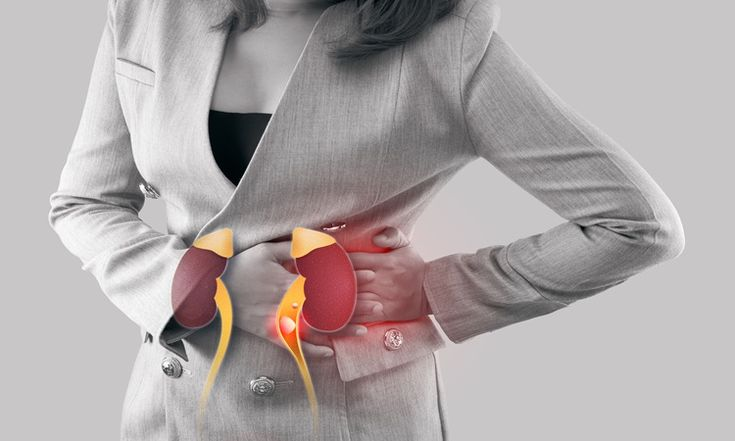
Acute kidney injury has been documented in Ozempic users, and while many recover with treatment, some cases have caused permanent damage.
3. Thyroid Cancer
Ozempic carries a boxed warning, the FDA's most serious category of safety alert, about thyroid cancer. Animal studies showed semaglutide caused thyroid tumors in rodents.
Whether that risk translates to humans is still unknown because the long-term studies at scale have not been completed. Patients are instructed to report any lump in the neck, hoarseness, or difficulty swallowing immediately.
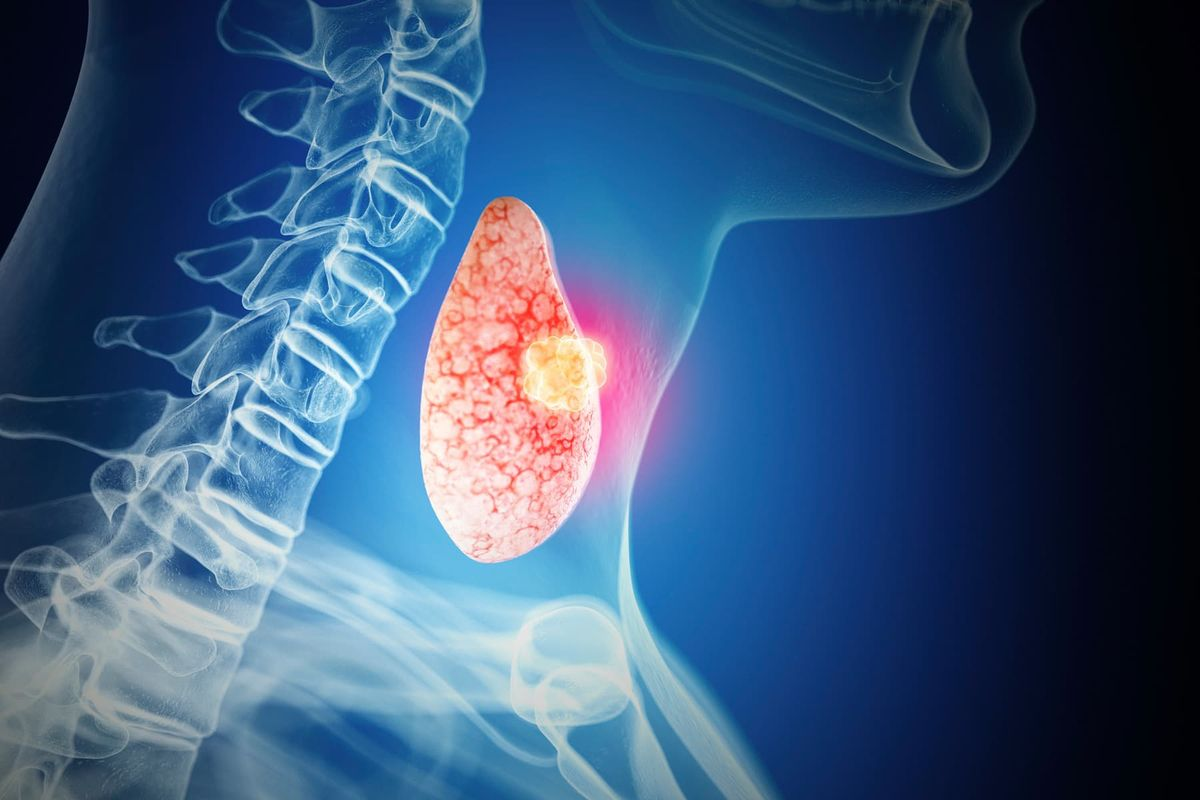
The science is not settled. For a drug being taken by millions of people for weight loss, that is a deeply uncomfortable place to be.
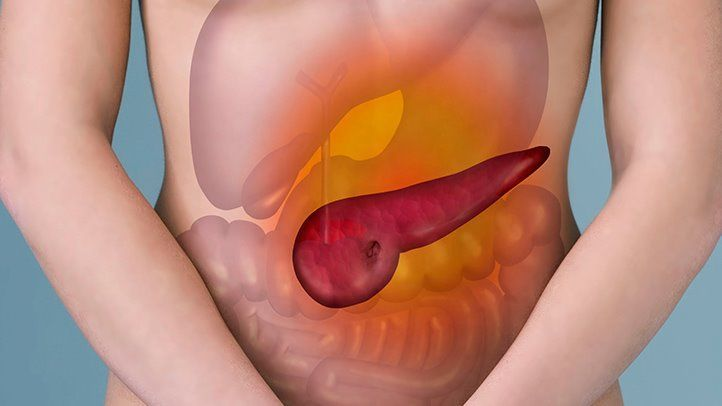
4. Pancreatitis
Inflammation of the pancreas has been reported in patients on semaglutide since the drug's early clinical trials. Severe upper abdominal pain radiating to the back is the warning sign, and in serious cases it has led to hospitalization.
The connection to Ozempic remains disputed in some studies, but the FDA still requires the risk to be disclosed on the label. When a drug's own manufacturer is required to warn about pancreatitis, it deserves more than a footnote in a telehealth consultation.
Conclusion
The needle is small. The consequences are not. Ozempic was designed for people with Type 2 diabetes, not for everyone chasing a number on a scale.
The drug is not inherently evil, but the culture surrounding it has moved years ahead of the science, and the people paying the price are the ones who were never given the full story before they rolled up their sleeve.
Ask your doctor. Read the label. Know what you are signing up for.