4 African Countries Still Using Colonial Names in 2026
Some African countries still carry the names given by colonial powers. Why did these countries retain their names and does it say about their history, identity, and the complexities of decolonisation.
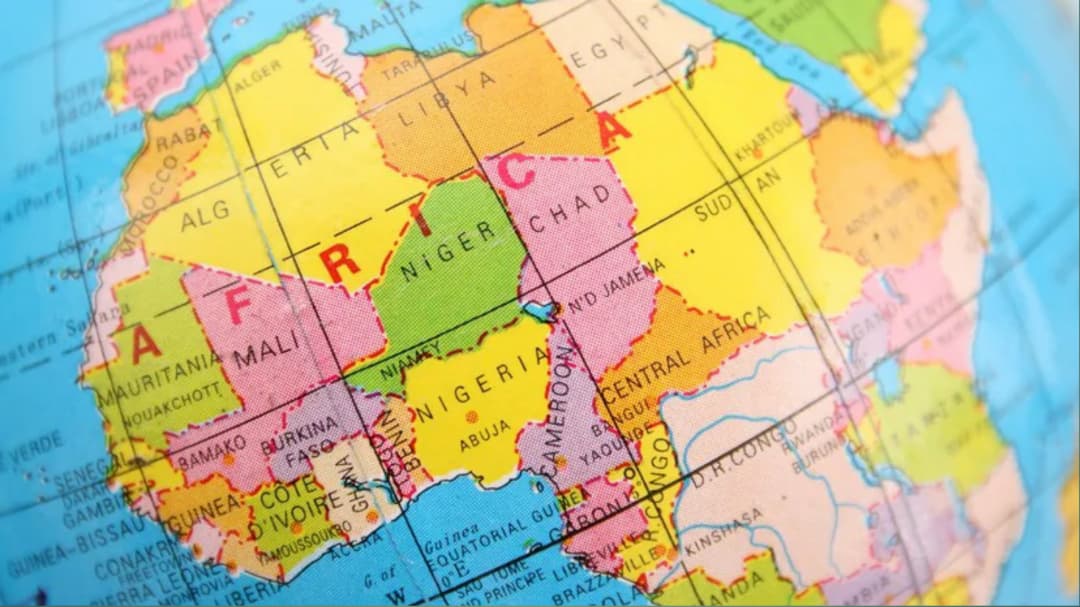
All over Africa, names carry memory as they tell stories of identity, resistance, culture, and power.
While many African countries reclaimed indigenous names after independence, rejecting colonial labels imposed by European powers, others retained names that originated directly from colonial encounters.
This reality raises an important historical question: why have some countries kept colonial-era names long after colonial administrations left?
The answer is simple. It sits at the intersection of politics, identity, international recognition, and practical governance.
While some African states changed their names immediately after independence, others chose continuity over rupture.
In 2026, a few names remain as living reminders of colonial encounters adapted, debated, and accepted.
1. Nigeria
Colonial Power: Great Britain
The name Nigeria was coined in 1897 by British journalist Flora Shaw, derived from the Niger River.
The territory later became a British colony and retained the name at independence in 1960.
The name does not originate from any of the country’s major ethnic groups but from geography as interpreted through colonial administration.
Despite this, “Nigeria” has become deeply embedded in national identity, politics, and global recognition.
2. Sierra Leone
Colonial Power: Great Britain
Sierra Leone’s name comes from the Portuguese phrase Serra Leoa, meaning “Lion Mountains,”. Later, the territory became a British colony and a settlement for formerly enslaved Africans. Although its colonial influence was shaped mainly by Britain, the name itself predates British control.
Over time, it became internationally established, and post-independence leaders chose to keep it for continuity and recognition.
3. Cameroon
Colonial Power: Great Britain
Cameroon takes its name from the Portuguese word Camarões, meaning “shrimp,” a reference to the abundance of shrimp found in the Wouri River.
The territory later passed through German, British, and French control, with its modern borders shaped mainly by French and British mandates after World War I.
The colonial layers of administration influenced both the country’s name and its bilingual identity, with French and English remaining official languages today under the historical shadow of the French Empire.
4. Côte d’Ivoire
Colonial Power: France
Côte d’Ivoire, meaning “Ivory Coast” in French, was named after the ivory trade that attracted European merchants to the region.

The country made a unique decision in 1985 to officially retain its French name in all languages, rejecting translated versions. This choice reinforced its historical ties to French colonial administration and global branding shaped during colonial rule.
Why These Names Endured
One major reason these names persist is practicality. Changing a country’s name involves legal reforms, constitutional amendments, international recognition processes, and significant costs. For many governments, especially in developing economies, these challenges outweigh the symbolic benefits.
There is also the issue of national unity. In multi-ethnic states, colonial names are sometimes seen as neutral labels that avoid favoring one ethnic or cultural group over another.
Conclusion
Colonial names endure not because history forgot, but because nations made complex choices in the aftermath of independence.
These names have been reinterpreted, localized, and woven into modern national identities, even as their origins remain rooted in foreign domination.
Perhaps the persistence of these names reveals less about loyalty to colonial powers and more about the difficulty of redefining identity in a global system shaped by history.
The real issue may not be the names themselves, but what countries choose to do with the histories attached to them.
Still, one question lingers: if names shape identity, what does it mean when a nation continues to answer to one it did not choose?