Are the Wealthiest People Affected by the Law?
Are the wealthiest people truly affected by the law, or does money quietly soften consequences? A reflective opinion on power, justice, and the unequal experience of accountability.
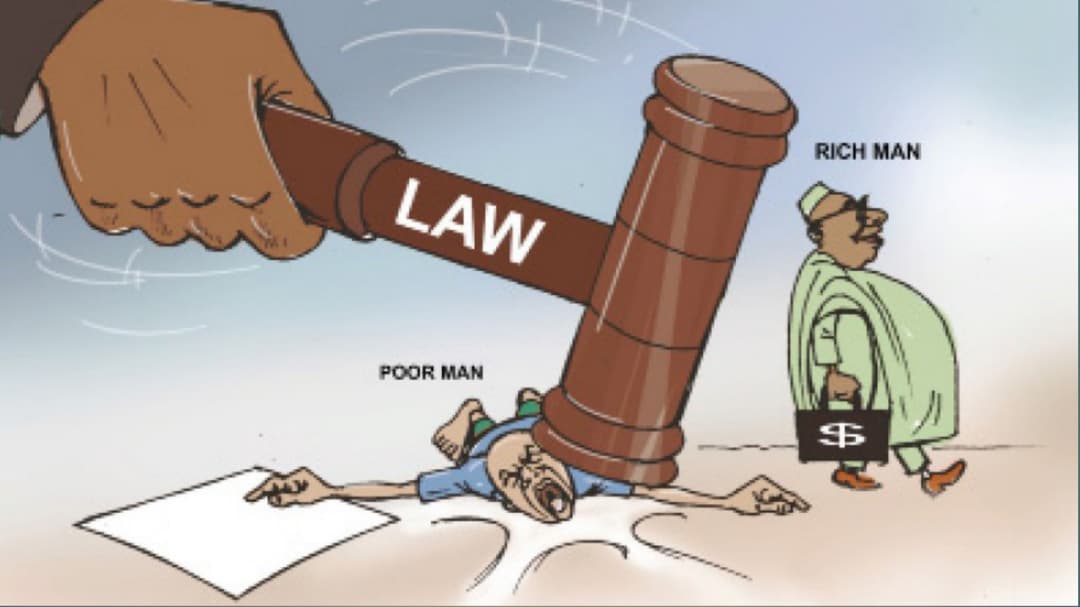
There is a certain confidence money gives.
Not the kind that announces itself but the type that walks into rooms already assured of soft landings. It is the confidence that rules bend, consequences dilute, and accountability becomes negotiable.
The law in theory is blind but in practice, it often squints.
This question, whether the wealthiest people are truly affected by the law, keeps resurfacing not because it lacks answers, but because lived experience keeps challenging the official script.
This is a reflection on how power, privilege, and perception shape justice in ways we rarely say out loud.
Money, Power, and the Illusion of Equality
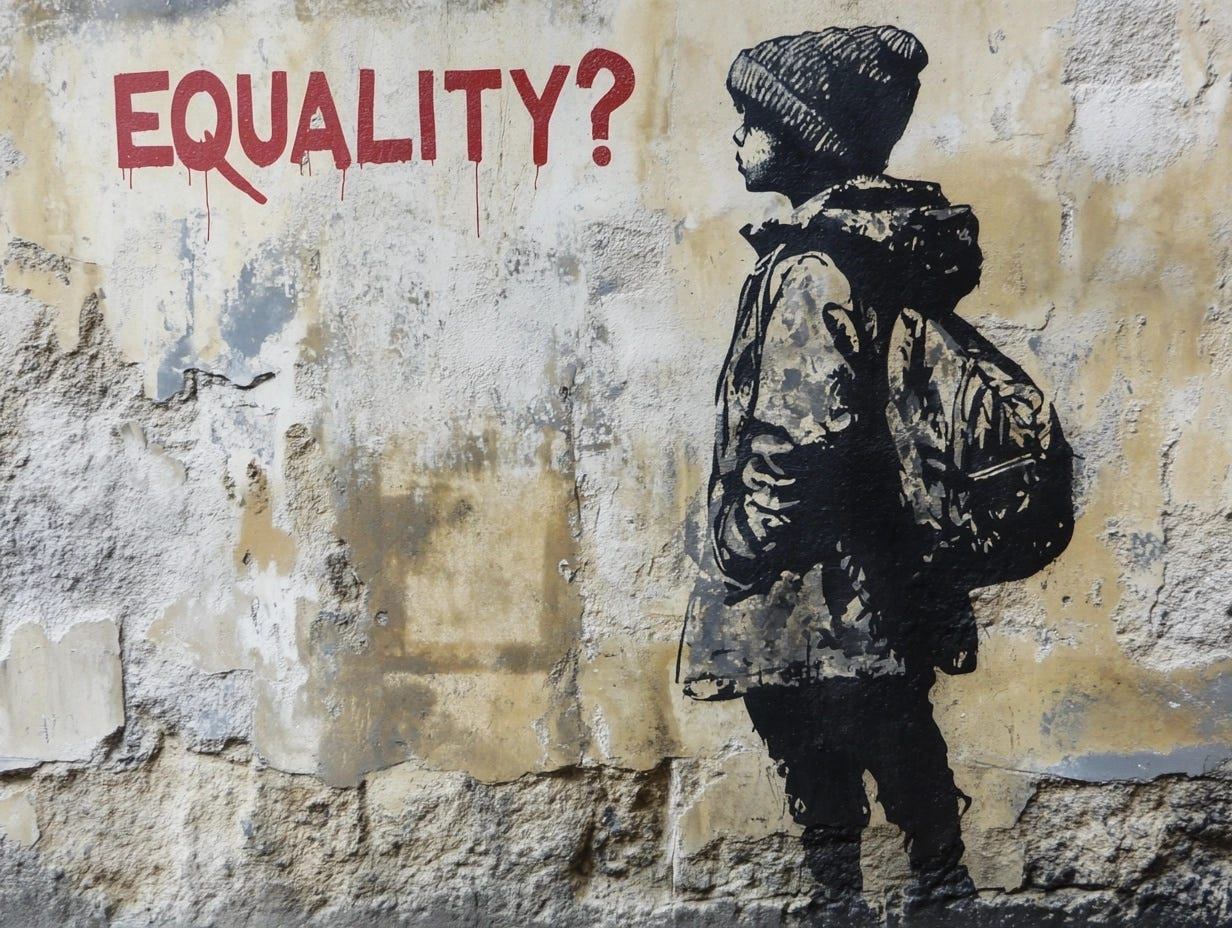
Society pretends money is just paper, like it's neutral, passive, or a tool. But money speaks in accents of access, influence, and insulation.
Financial divides do not only determine where people live or what they eat; they decide how exposed one is to consequences.
Wealth introduces buffers: better lawyers, delayed trials, private settlements, and influential networks that soften what would otherwise be harsh outcomes. None of this needs to be written into law to exist, it simply operates.
Social classismthrives in these spaces.
The wealthy are often perceived as too important to disrupt, too connected to inconvenience, or too valuable to prosecute aggressively. The illusion is subtle: everyone is equal before the law, but some people arrive better prepared to negotiate with it.
The Law as Experienced by the Average Person
For the average individual or middle-class citizen, the law is immediate and personal.
Legal processes feel rigid, intimidating, and expensive. There is little room for error when resources are limited.
Contrast this with how wealth absorbs pressure. Legal issues become managed rather than endured, delays turn into strategy, fines become inconveniences and outcomes feel less final.
This is not to say wealthy individuals never face legal trouble but the experience is fundamentally different.
Access to information, connections within institutions, and the ability to sustain long legal battles changes how the law is encountered. For many middle-class citizens, justice feels procedural. For the wealthy, it often feels negotiable.
The difference is not always in the verdict, it is in the journey there.
When Accountability Seems Optional
Now this is where the discomfort of the conversation sits.

From an opinion standpoint, it often appears that the wealthiest individuals are less affected by the law, not because they are above it, but because they are cushioned from its sharpest edges. They have Influence, and influence creates distance, distance creates deniability and deniability buys time.
High-profile cases around the world have reinforced this perception. Take the lingering questions surrounding theJeffrey Epstein case.
Without drawing direct conclusions, it is difficult to ignore how several powerful names associated with that circle have remained largely untouched by formal questioning or public accountability. The silence itself becomes part of the conversation.
This pattern fuels public skepticism.
When consequences appear selective, trust erodes. The issue is not always whether the law acts, but who it chooses to pursue loudly, quietly, or not at all. Wealth, in these moments, feels less like protection and more like permission.
Between Justice and Reality: A Question Worth Sitting With
To be fair, the argument cuts both ways.
Defenders of the system insist that wealth does not guarantee innocence, and that many affluent individuals have faced prosecution, penalties, and public disgrace. They argue that visibility magnifies scrutiny, and that money cannot always outrun evidence.
Yet public perception persists because patterns repeat.
So perhaps the more honest position is not absolute condemnation or blind defense, but tension. The law exists. Accountability exists. But access to justice is uneven, and the experience of consequence is not universal.
Maybe the real question is not whether the wealthy are affected by the law, but whether being affected means the same thing for everyone.
And if justice feels different depending on what you can afford, then what exactly are we calling equality?
That is a question worth sitting with.