10 Everyday Habits We’ve Normalized, and the Silent Ways They’re Damaging Our Health
An honest breakdown of the subtle, normalized lifestyle patterns people overlook: sleep loss, sugar dependence, stress, noise, that collectively undermine long-term wellbeing.
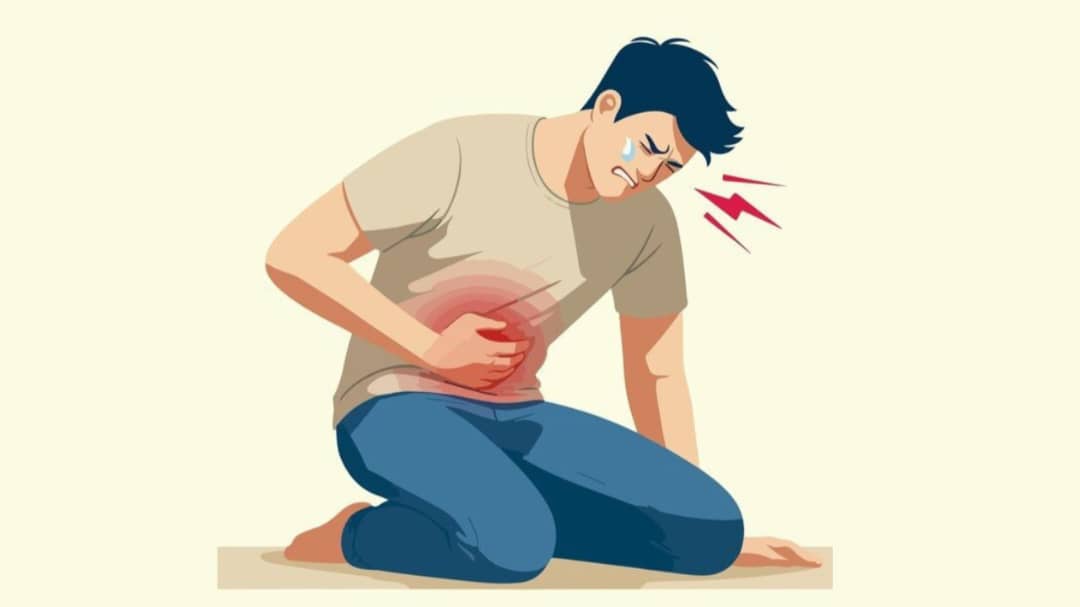
We follow routines every day that feel harmless, but many quietly harm us. Resilience can turn into carelessness, and what we call “normal” often comes at the expense of our health. Small warnings go unnoticed, until one day the body speaks in a voice too loud to ignore.
Here are ten of those habits, common, comfortable, widely accepted, but silently carving away at our wellbeing.
1. Skipping Breakfast and Calling It Intermittent Fasting
Somewhere along the line, “I’m not a breakfast person” became a personality trait. For many people, breakfast is a luxury reserved for days when life is gentle. On every other day, the majority, the morning is a race. So we rush out of the house on empty stomachs, convincing ourselves we’re practicing “intermittent fasting.” But the truth is far less glamorous.
The body wakes up expecting fuel. When it doesn’t get any, it begins to draw energy from stress hormones to keep you functioning. That spike in cortisol and adrenaline might make you feel sharp and alert for a few hours, but it’s only borrowing from the future.
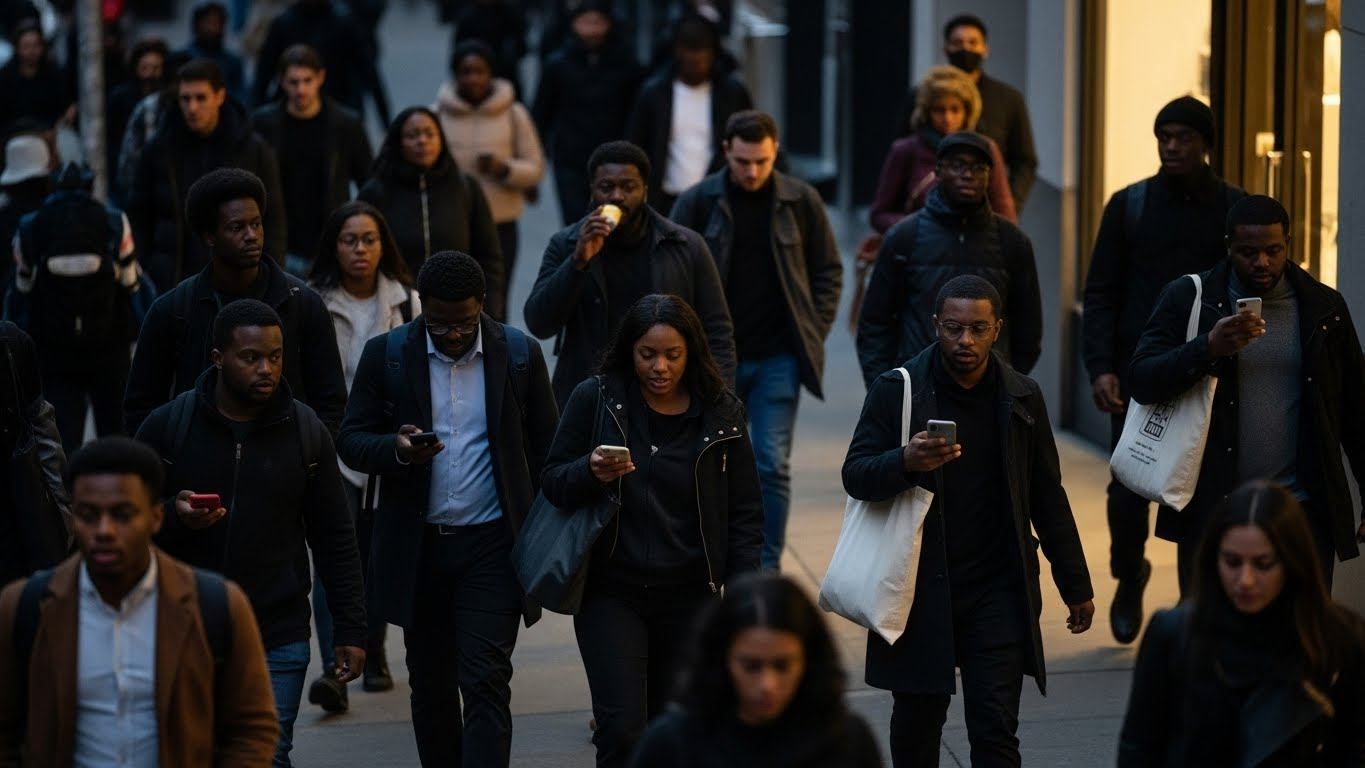
By noon, you’re crashing, irritable, hungry enough to devour anything near you, and more likely to overeat through the rest of the day. And when this becomes a daily script, blood sugar instability, gastric irritation, and long-term metabolic stress stop being possibilities, they become realities.
We’ve normalized the idea that “hustle” is more important than nourishment. But hunger is not a badge of honour, and denying your body fuel is not discipline; it’s sabotage wearing a neat name.
2. Sleeping Late and Calling It Productivity
There’s an obsession in this country with appearing busy. We glorify exhaustion as though it’s evidence of ambition. Most persons will sit up working, chatting, creating, scrolling, or simply refusing to rest, all while telling themselves that sleep is for people who don’t want success badly enough.
What we forget is that the human body is not built for consistent sleep deprivation. You can’t cheat biology. The brain needs deep sleep to detoxify itself, consolidate memory, repair cellular damage, regulate hormones, and maintain emotional stability.
When you keep robbing yourself of sleep, the body takes note and begins to respond in ways you don’t immediately connect, heightened anxiety, irritability, weight gain, weakened immunity, poor focus, and a general sense that life is heavier than it should be.
The tragedy is not that we sleep late. It’s that we defend it with pride.
3. Drinking Water Only When We’re Thirsty
Let’s be honest: many people treat water like an afterthought. Thirst is the only reminder. Meanwhile, dehydration doesn’t always show up as thirst. Sometimes it shows up as headaches, fatigue, dry skin, dizziness, sugar cravings, irritability, or even poor concentration.

We normalize not drinking water because we think we’re fine. But the body isn’t fine, it’s adjusting. And every time the body adjusts, it compromises something else to compensate.
But of course, when you finally drink water, you call it detox.
4. Eating Heavy Late-Night Meals and Calling It Comfort
Night time is when the body is tired, the mind is fried, and the emotions are raw. That’s when you start craving the kind of meal that feels like a hug: swallow, rice, bread, noodles, suya, anything generous enough to make the day feel less unfair. And because it’s already late, you tell yourself you deserve it. Maybe you do. But the body does not.
Late-night heavy mealsforce your digestive system to work when it should be resting. It disrupts sleep, encourages bloating, increases acid reflux, and sets you up for weight gain; not because weight gain is a crime, but because chronic unhealthy patterns eventually lead to complications bigger than aesthetics.

Comfort food is not the enemy, timing is.
5. Turning Everything Into Sugary Snacks
In a country where stress is endless and rewards are few, sugar has become the easiest form of consolation. Biscuits, soft drinks, energy drinks, chin chin, puff puff, pastries, artificially sweetened everything, sugar is the second national language.

But sugar doesn’t comfort. It tricks. Every quick high is followed by a faster drop. And the more you eat it, the more your body adjusts to crave it. Over time, inflammation becomes a constant background noise in your system, quietly increasing your risk of hypertension, diabetes, mood swings, dental issues, and dependence on unhealthy food.
We call it “snacking.” But it’s self-medication.
6. Sitting for Hours Without Moving
Whether you work in an office, attend classes, or spend long hours at home, chances are your day involves sitting, often for hours at a stretch. Office Workers sit through traffic, sit through work, sit through meetings, sit through online scrolling, sit through everything. Movement is a luxury we think we can schedule.
The body, however, interprets prolonged sitting as stagnation. Blood flow reduces, posture collapses, muscles weaken, metabolism slows, and long-term risks like back pain, cardiovascular issues, and circulation problems increase.
We’ve normalized immobility because stillness is convenient. But convenience has a cost.
7. Self-Diagnosing Instead of Seeking Proper Medical Help
Google, neighbours, WhatsApp broadcasts, pharmacists doubling as doctors; Nigerians have become their own medical board. We buy antibiotics like groundnuts and swallow herbal mixtures like hope.
Our mothers at home probably have a bucket for stacking drugs and when we complain of anything, all they do is bring out the bucket and give you “Paracetamol”.
We interpret body signals based on shared symptoms someone else once had. And we go to the hospital only when the situation has already crossed into emergency territory.
We do it because healthcare is expensive, inaccessible, or disappointing. But the consequence is a population managing illnesses instead of treating them, suppressing symptoms instead of investigating causes, and normalizing chronic discomfort until it becomes identity.
Ignoring your body is not bravery. It’s slow harm.
8. Mistaking Exhaustion for Normal Life
Many People have been tired for so long that they no longer see it as a problem. They call it adulthood, responsibility or call it “the way life is.” Meanwhile, exhaustion is the body’s warning that you’re crossing limits. But when everyone around you is tired too, fatigue becomes a shared language.
Exhaustion weakens immunity, affects mental health, reduces cognitive function, and makes you more likely to reach for unhealthy coping mechanisms. It also convinces you that you have no energy for things that would actually improve your wellbeing: exercise, meal prep, rest, therapy, or simply breathing with intention.
9. Treating Mental Strain as ‘Overthinking’
Nigerians have a cultural skill for trivializing emotional distress. Anxiety becomes “too much thinking", sadness becomes “you’re not serious”, stress becomes “na hustle", and trauma becomes “it is well", and psychological pain becomes something you pray away, sleep away, or joke about.
But mental strain doesn’t vanish because you rename it. It grows quietly, sneaking into your habits, relationships, productivity, appetite, sleep pattern, and self-worth. By the time you acknowledge it, it has woven itself into your life like a second skin.
We normalize emotional suffering because confronting it requires vulnerability many people were never taught to access.
10. Living in Constant Noise
Nigeria, for instance is a loud country: generators humming, cars honking, people shouting, music blasting, markets buzzing, social media screaming. Silence is a luxury, and peace is almost mythical. But noise has its own cost: elevated stress levels, reduced focus, irritability, headaches, insomnia, sensory overload, and emotional fatigue.

When the mind never rests, the body never fully resets. Yet many Nigerians don’t even realize they live in chronic sensory stress because they’ve never experienced anything else.
Noise has become our background music. And it’s killing our calm.
Conclusion
The saddest part of these habits is not that they exist; it’s that we’ve made them normal.
Your body is not as invincible as you pretend. It is not a machine fuelled by stubbornness. It is a living system. And every small habit—good or bad—leaves a mark.
Health is not what you declare. It’s what you practice.