What You Know That AI Doesn’t
AI is powerful, but there are things it will never understand. What do you know that AI doesn’t? Find out why that could be your greatest advantage in the age of machines.
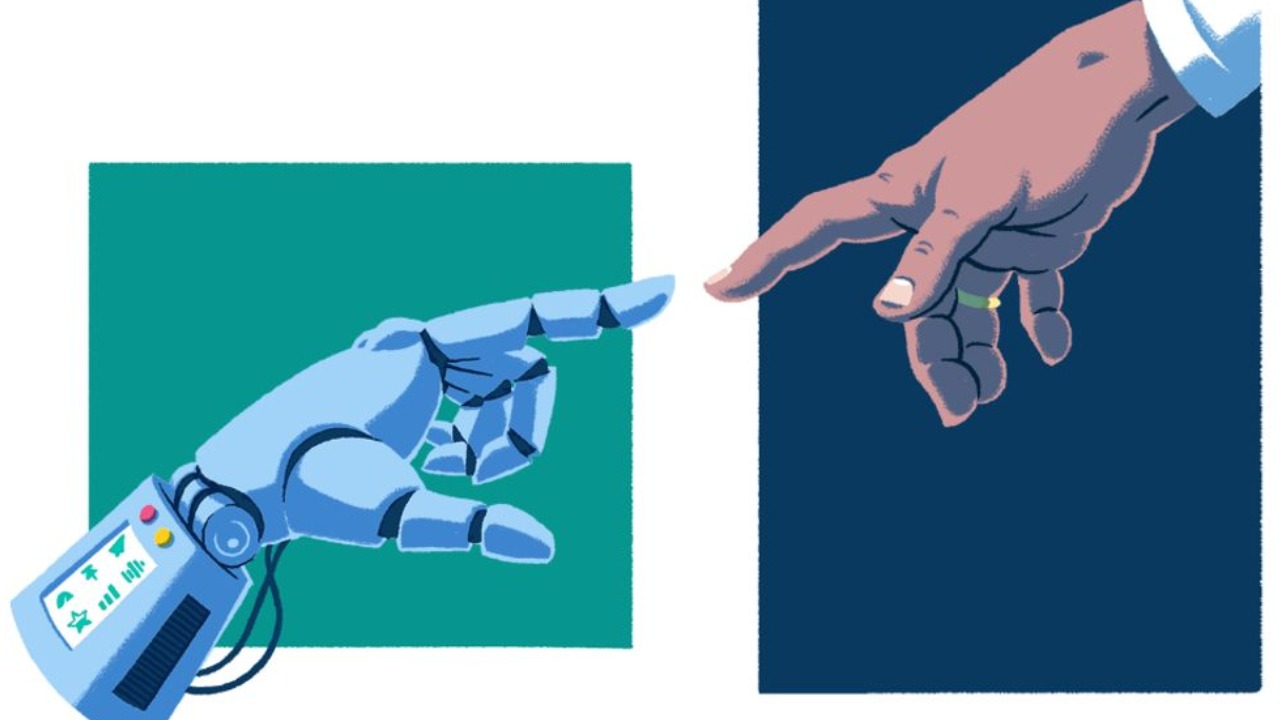
If you’ve ever been dazzled by the speed at which a machine solves a problem or impressed by how swiftly it can write a paragraph, you’ve experienced one side of artificial intelligence. Machines are incredible pattern machines. They pull information from massive data sets and surface correlations faster than any human could.
But as Priyanka Vergadia points out in her recent TED talk, that is only one half of the story. We live in an era where data is abundant, and processing power is immense, yet what we don’t want to lose sight of are the uniquely human capabilities that no algorithm can truly emulate.
AI can generate insights, but it does not decide what matters. AI can show you connections in data, but it cannot intuit why one path forward feels courageous, meaningful, or just.
What AI doesn’t know are the qualities that make us human: our moral judgments, our emotional intelligence, and our capacity to create new meaning from insight rather than just recognizing patterns within it.
The Human Superpowers AI Can’t Mimic
When you break down the components of intelligence and significantly tangible competence, it becomes clear that AI and human minds operate on entirely different axes. Machines are not alive.
They do not have experiences, desires, or an inner life that shapes decisions. What AI can do remarkably well is mimic patterns it has seen before. What it cannot do is those things that arise from lived nuance, emotional context, and ethical complexity; the areas that define human problem‑solving at its best.
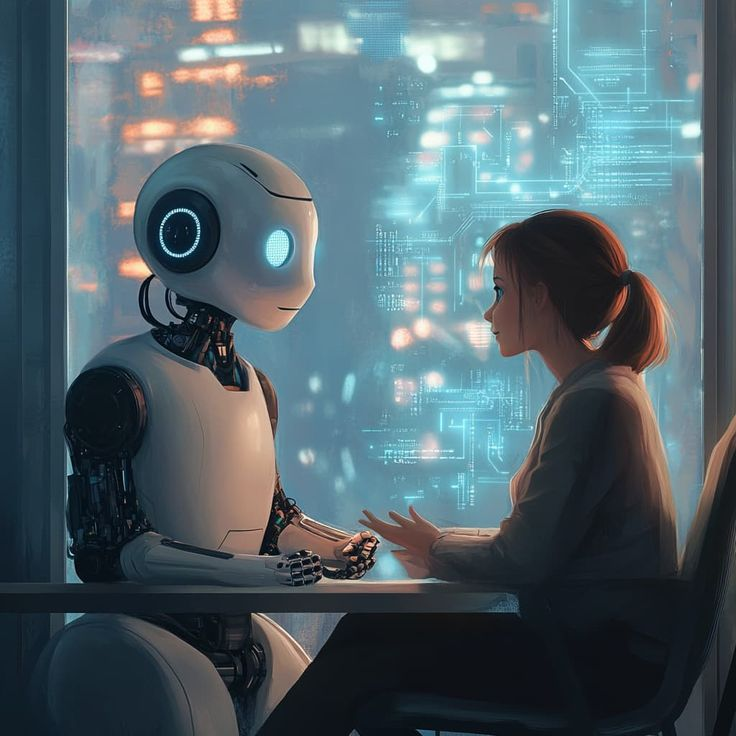
For example, take emotional intelligence. A machine can analyze sentiment in text or speech and tell you whether a message is positive or negative, but it cannot feel what it means to comfort someone, to hold space when they are hurting, or to celebrate when they are triumphant.
Machines recognize patterns in data, but they do not inhabit the human condition or respond with genuine empathy.
Another area AI cannot master is ethical judgment. Machines follow rules they are programmed with and parameters defined by data. They have no intrinsic sense of what ought to be done.
When you are faced with a morally complex decision, weighing harm against benefit, or fairness against expediency, AI offers probabilities, not principles. That space between analysis and humanity, where we ask “Is this right?” and not just “Is this efficient?” remains ours.
One more dimension that AI does not possess is the ability to nurture deep relationships and trust. A machine can recommend social connections, identify shared interests, or suggest networking paths, but it cannot build trust through vulnerability, laughter, mistake‑making, and shared experience.
Human relationships are messy, unpredictable, and full of emotional subtlety; exactly the sort of territory in which AI’s pattern recognition is insufficient.
These human capacities are not mere niceties. They are vital assets in every field of work and life. In leadership contexts, for example, humans still outperform AI when it comes to inspiring teams, mediating conflict, and navigating cultural nuance.
In creative fields, human insight often emerges not from what is already known but from the courage to ask uncomfortable questions, to risk failure, and to imagine something new.
The very act of choosing what to do with an insight is where humans still hold a distinct advantage. Machines can suggest correlations or predict outcomes, but deciding what to do with that insight is a human responsibility, grounded in values that no algorithm can encode comprehensively.
Why This Is Important for Our Future With AI
When conversations about AI get loud, they often veer into two extreme narratives: AI as saviour or AI as threat. Both are simplistic. The more nuanced and truthful perspective, one that people like Priyinka Vergadia are trying to foreground, is that AI will amplify human capacities where those capacities exist and expose our limitations where they are lacking.
If we think AI represents some impending takeover of human capability, we miss the deeper point: the value humans hold is not in doing the same tasks machines can do faster or at scale.
It is in redefining the problems in ways machines cannot anticipate and bringing moral and cultural context into how we choose to apply technology. Machines have pattern recognition; humans invent purpose.
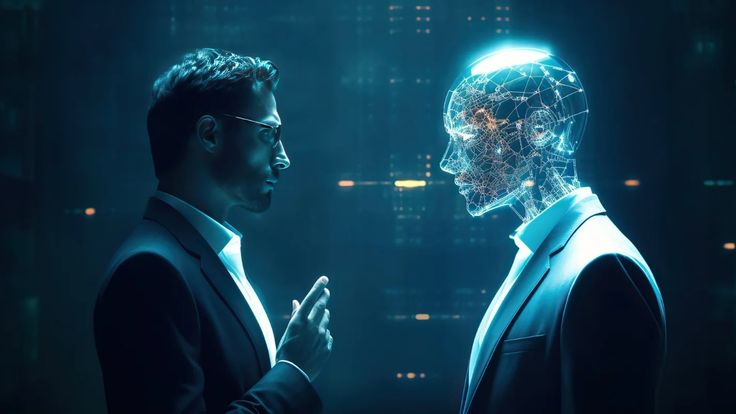
This has real implications for careers, leadership, and personal growth in an AI‑driven world. The skills that matter most are not those that can be automated; they are the distinctly human superpowers like emotional intelligence, adaptive learning, cultural fluency, strategic foresight, and ethical discernment.

These are the capabilities that will define success and flourishing in the era of AI, not because machines are inferior, but because machines simply do not experience the world the way human beings do.
In a world where technology increasingly fills every corner of work and life, what you know that AI doesn’t is not a marginal advantage. It is the foundation of your irreplaceable value. Embrace that not as a defensive posture, but as an invitation to cultivate your uniquely human strengths — your empathy, your wisdom, your capacity for connection and imagination. That is where the future’s real frontier lies.