Xenophobia Fallout: Ghana Orchestrates Mass Evacuation of 300 Citizens From South Africa
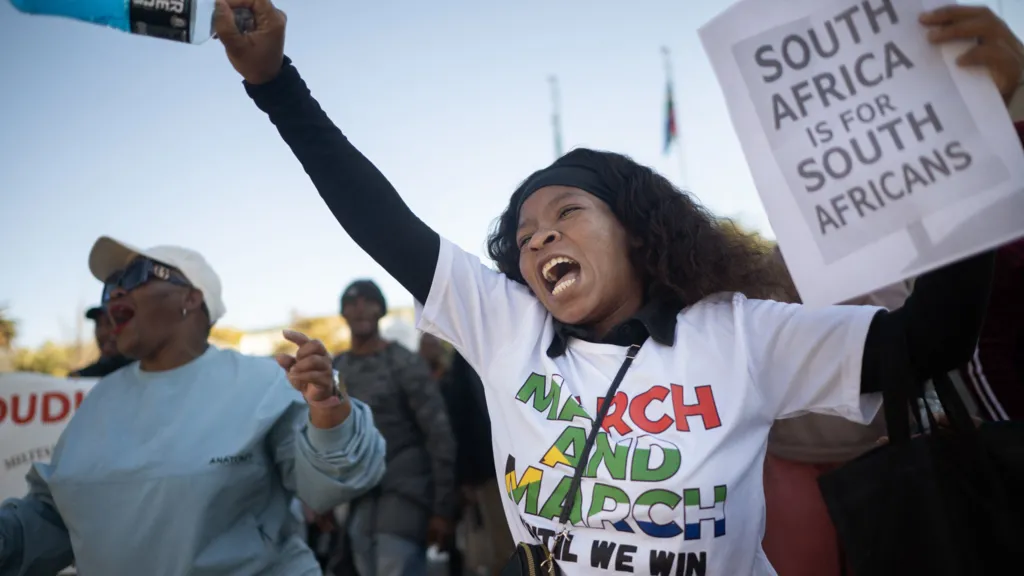
Ghana's government has approved the immediate evacuation of 300 citizens from South Africa following a wave of xenophobic attacks. The Ghana High Commission is coordinating repatriation efforts, offering support for reintegration to those returning home. Ghanaians feeling unsafe or facing economic hardship are encouraged to register for assistance.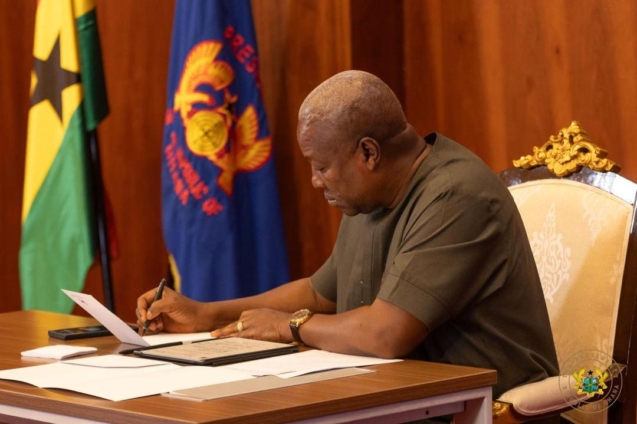
The Ghanaian government has approved the immediate evacuation of approximately 300 Ghanaians residing in South Africa, following a resurgence of xenophobic attacks in the country.
This presidential approval was granted by His Excellency John Mahama and disclosed by the Foreign Affairs Minister, Samuel Okudzeto Ablakwa, who emphasized the government's commitment to safeguarding its citizens both domestically and internationally.
These distressed Ghanaians had previously adhered to an advisory from the Foreign Affairs Ministry and registered with Ghana’s High Commission in Pretoria to seek assistance amidst the escalating violence.

Benjamin Anani Quashie, Ghana’s High Commissioner to South Africa, confirmed that arrangements are actively underway to facilitate the safe repatriation of nearly 300 Ghanaians who have expressed a desire to return home.
He noted a recent increase in the number of applicants seeking repatriation. The Ministry of Foreign Affairs, in collaboration with the government and its partners, has directed the High Commission to coordinate the voluntary return of these affected citizens.
This directive has been communicated throughout the Ghanaian community in South Africa, with ongoing registration for those requiring support to return home safely.
Mr. Quashie urged Ghanaians in South Africa who feel unsafe, or are facing significant economic hardship, to contact the High Commission for possible repatriation assistance. He acknowledged the recurring difficulties and trauma experienced by many foreign nationals in South Africa, particularly during periods of xenophobic violence targeting Africans.
The High Commission remains steadfast in its commitment to supporting affected Ghanaians and ensuring their safety and welfare.
Steps are being meticulously taken to ensure the safe and orderly return of all registered individuals, involving close coordination between diplomatic missions and relevant authorities.
Furthermore, repatriated individuals will receive vital support aimed at helping them reintegrate into Ghanaian society and rebuild their livelihoods.
This commitment extends beyond safe passage, addressing the long-term well-being of returning citizens.
Illustrating community support, businessman Ibrahim Mahama reportedly gifted a xenophobia victim GH¢200,000 and pledged to establish him as a distributor in construction supplies, offering a tangible example of the broader efforts to assist those impacted by the violence.