Ghana Government Unleashes Major Plan to Tackle Skyrocketing Fuel Prices
The Ghanaian government has unveiled a multi-pronged strategy to combat rising fuel prices and transport costs, driven by global crude oil price hikes. Key measures include the removal of fuel taxes, expedited deployment of 300 new Metro Mass buses with lower fares, and a presidential ban on fuel allowances for government officials, all aimed at cushioning citizens and stabilizing the economy.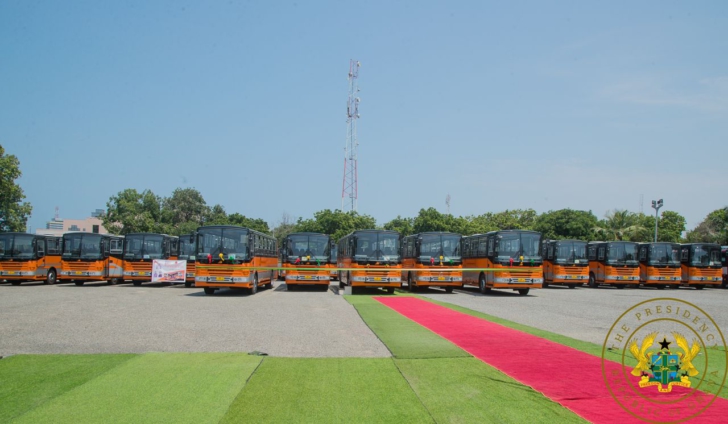
The Ghanaian government has introduced urgent measures to reduce the impact of rising fuel and transport costs after prices increased on April 1, 2026.
The rise is linked to higher global oil prices and tensions in the Middle East, which have also increased shipping and insurance costs.
Even though Ghana’s economy is stable, these global issues have still made fuel more expensive, and the government says its new steps will help ease the pressure on citizens.
On Thursday, April 9, 2026, after an emergency Cabinet meeting, the government announced a plan to reduce fuel prices.
Taxes and extra charges on fuel will be removed to help lower prices, and the Finance and Energy Ministers will carry out the plan.
It will start in about one week, last for four weeks, and then be reviewed.
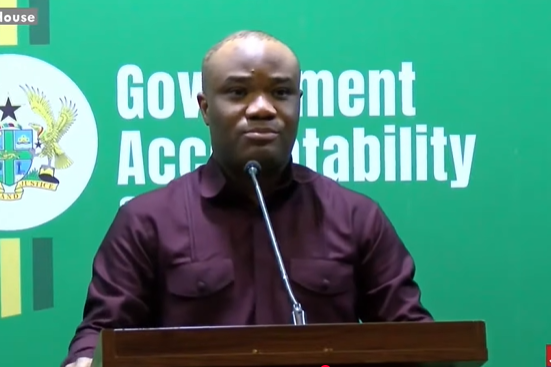
The government is rolling out new Metro Mass Transit buses to help reduce transport fares.
Mr. Kwakye Ofosu said 100 buses have already arrived and will be used on busy routes. Another 100 will come in August, and the last 100 in November, making a total of 300 buses.
The Transport Minister has been told to keep fares lower than private transport so commuting becomes more affordable, especially during rush hours.
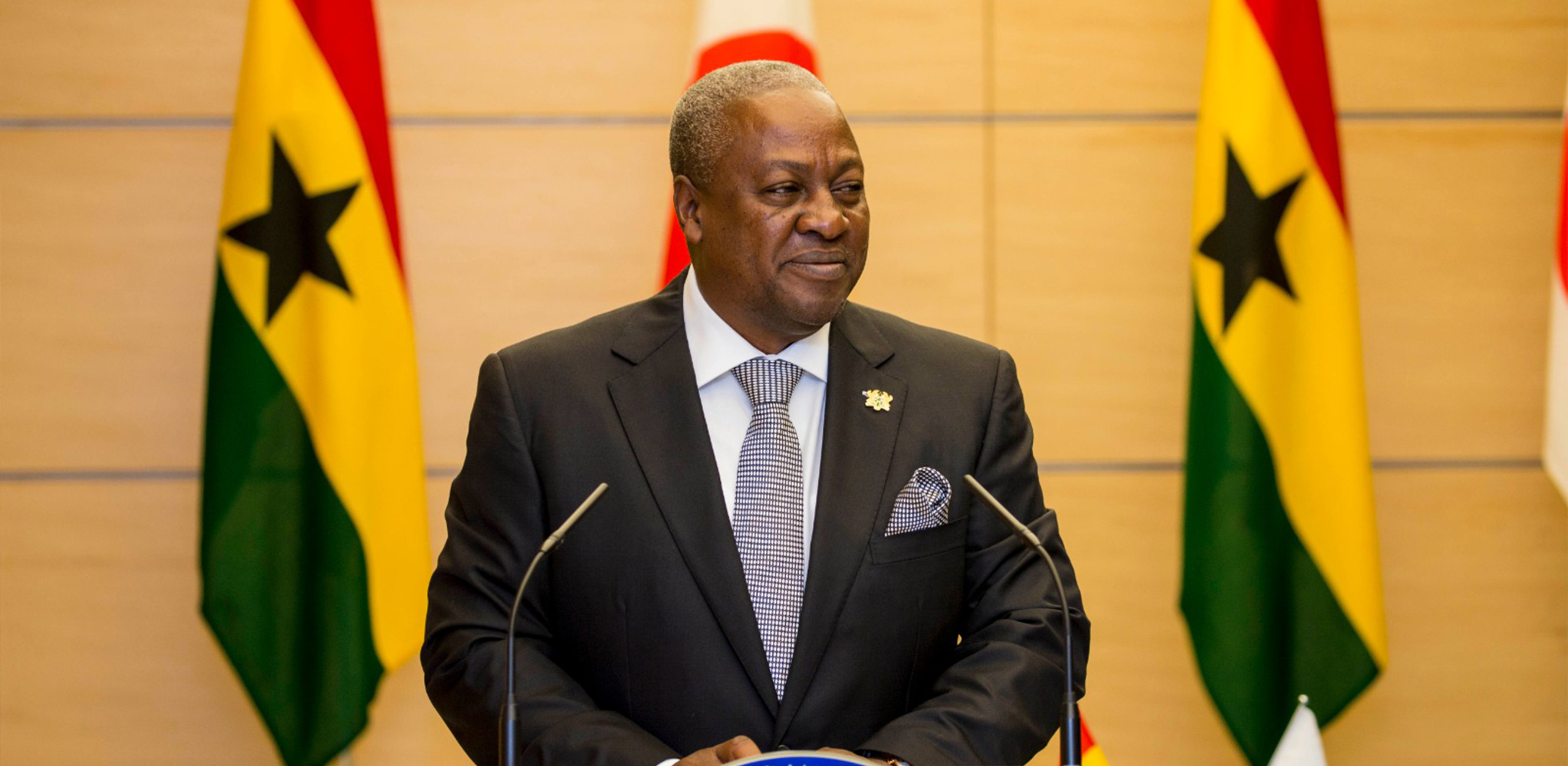
President John Mahama has banned fuel allowances and coupons for all ministers and senior officials. This is to reduce government spending and show leadership by example.
Mr. Kwakye Ofosu said the economy is improving, with lower inflation at 3.2% and a stable Cedi. However, the government still wants to stay careful and avoid future problems.
The officials are also watching global oil tensions that could affect prices, and the government will later decide if temporary tax cuts should continue.
These steps are meant to lower transport costs, control prices, and reduce the cost of living for Ghanaians.