Winning the War, Losing the Peace: Iran's Likely Path to Ceasefire Comes With an African Cost
As Mohammad Javad Zarif pushes for a ceasefire, Iran’s next move could reshape global energy flows—leaving African economies to absorb the cost of a war they didn’t start.
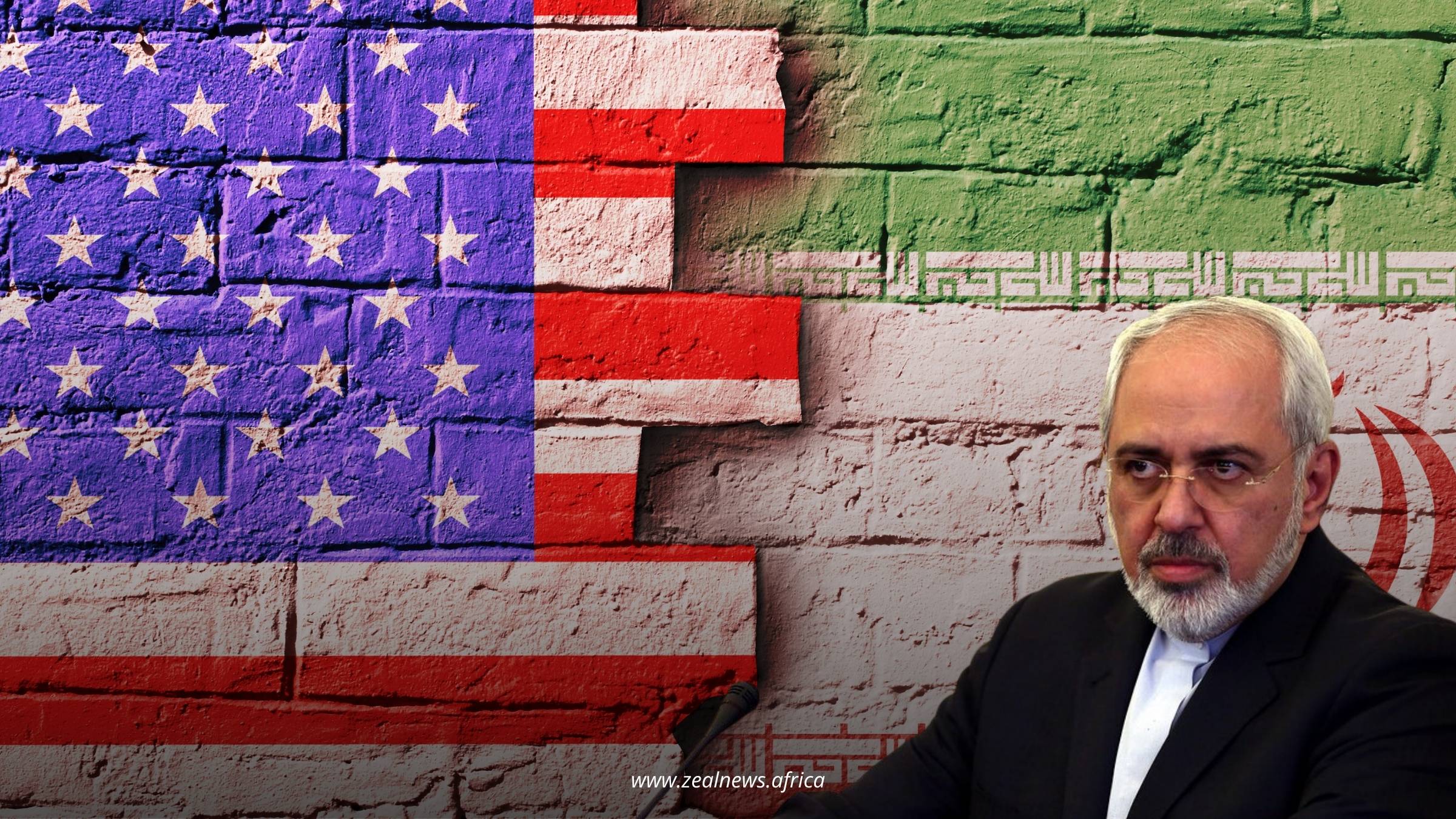
On April 3, 2026, M. Javad Zarif, the former Iranian Foreign Minister, former Vice President, former UN Representative, published an essay in Foreign Affairs making the case for why Iran should negotiate its way out of the war it is currently winning.
This is the man who spent decades as one of Iran's most powerful diplomats now writing a public opinion piece to convince his own government to consider peace.
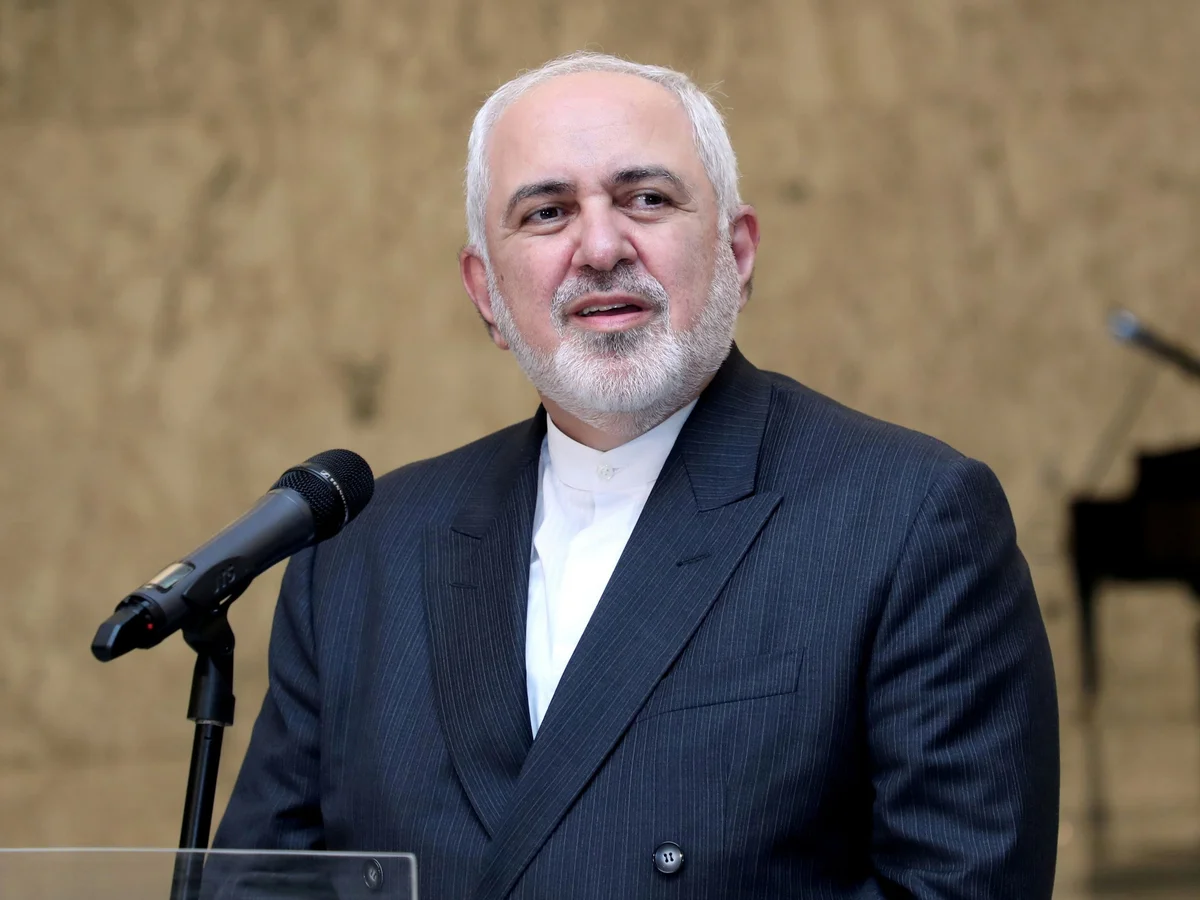
That tells you everything about where Iran is right now.
The war, which began on February 28, has seen American and Israeli forces bomb Iranian territory for weeks. Zarif's position is that Iran has held its ground, maintained leadership continuity despite assassinations of top officials and struck back consistently enough to declare the moral victory.
His argument, summarised, is this: Iran is winning. It should stop now, negotiate from that position of strength and build something durable before the fighting costs more than it is worth.
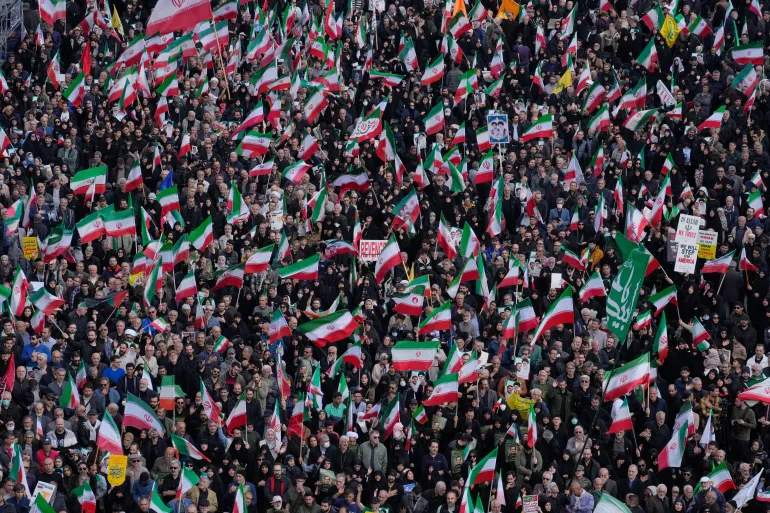
Iran has not agreed. Large crowds gather every night chanting "no capitulation, no compromise, fight with America." The internal resistance to diplomacy is real and politically significant.
Safe to say, Zarif is not announcing a decision. He is making a case to a government that hasn't made one. That distinction matters because the rest of the world, including Africa, is waiting on a decision it has no power to influence but will absolutely have to live with.
What Zarif Is Actually Proposing
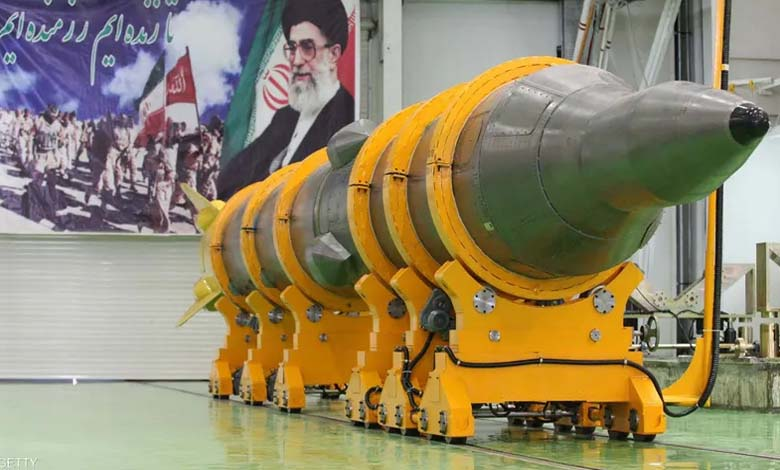
The deal Zarif is proposing has three main pillars. First, Iran would commit to nuclear concessions — capping uranium enrichment below 3.67 percent, allowing permanent international monitoring of its facilities and formally pledging never to pursue nuclear weapons.
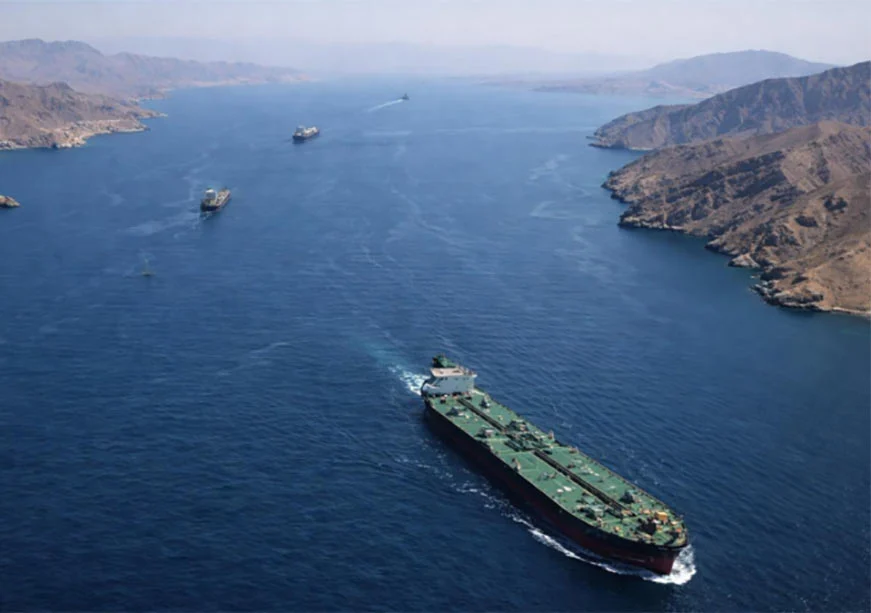
Second, Iran would reopen the Strait of Hormuz to commercial traffic, restoring the flow of oil and goods through one of the world's most critical maritime corridors.
Third, both countries would sign a mutual nonaggression pact, a formal agreement to stop threatening and striking each other, paired with the full lifting of American sanctions against Iran.
It is a significant offer. It is also one Iran's population currently views with deep suspicion, given decades of American betrayal on previous agreements.
The 2015 nuclear deal, which Iran complied with meticulously, was torn apart by Trump in his first term. That history doesn't disappear because Zarif thinks the timing is right.
Whether Iran moves toward this deal or continues fighting, Africa is already at the receiving end of the consequences.
The Strait of Hormuz Is Africa's Business Too
It is no news that roughly 25 percent of the world's oil passes through the Strait of Hormuz. When that corridor is disrupted, whether by war, blockade, or the threat of either, global energy prices move.
Africa's oil-importing economies absorb these shocks directly. Fuel prices spike. Transport costs and food prices follow that.
The chain is short and brutal and it plays out in markets and at pumps across the continent while diplomats in Washington and Tehran argue about enrichment levels.
This is not a new pattern. In 2022, when Russia invaded Ukraine, Africa faced a simultaneous energy and food crisis it had no role in creating.
Grain supplies from Ukraine and Russia that African countries depended on disappeared overnight.
Fuel costs spiraled and inflation hit populations already stretched thin. The continent spent years absorbing consequences from a war between two countries that never once consulted African governments or institutions about the arrangements being made.

The Iran situation is structurally identical.
Africa Wasn't Invited
The African Union has said almost nothingabout this war. Individual African governments have been largely silent.
While Zarif negotiates with ideas and Iran weighs its options and Trump issues contradictory statements about bombing people "back to the stone ages," Africa is watching from outside a room where its interests are very much on the table, even if its representatives are not.
This is the part that should bother people beyond the economics. It is not simply that Africa will pay a cost. It is that Africa will pay a cost that was set by others, in negotiations Africa wasn't invited to, about a war Africa didn't start.
Whatever Iran Decides
Iran may take Zarif's advice. It may declare victory, come to the table and build something that lasts. That would be the better outcome — for Iran, for the region, and yes, for Africa. A stable Hormuz, lifted sanctions, and returning Iranian oil to global markets would ease pressure on energy prices worldwide.
But even in the best case scenario, Africa's vulnerability remains.
The continent's exposure to decisions made in other capitals, about wars fought in other regions, is structural. It doesn't end with a ceasefire. It ends when African institutions decide that silence in the face of global conflict is no longer a foreign policy.
That conversation, unlike the one in Tehran, hasn't started yet.