Smoking May Take Your Hearing Before It Takes Your Life
Smoking doesn't just damage your lungs — it silently destroys your hearing too. Here's the science behind how cigarettes cause permanent hearing loss, and why most smokers never see it coming.
WARNING: Smoking causes permanent hearing loss. You may not notice until it is too late.
That is not on any cigarette packet, but maybe it should be.
You already know smoking kills. It starts to affect the lungs, the heart, the throat and soon, there is a whole dramatic, slow-motion collapse of your body's infrastructure.
But before it takes your life, smoking and hearing loss are having a quiet, devastating relationship your doctor probably hasn't mentioned.
Cigarettes are an equal-opportunity destroyer, and they have added your ears to the list.
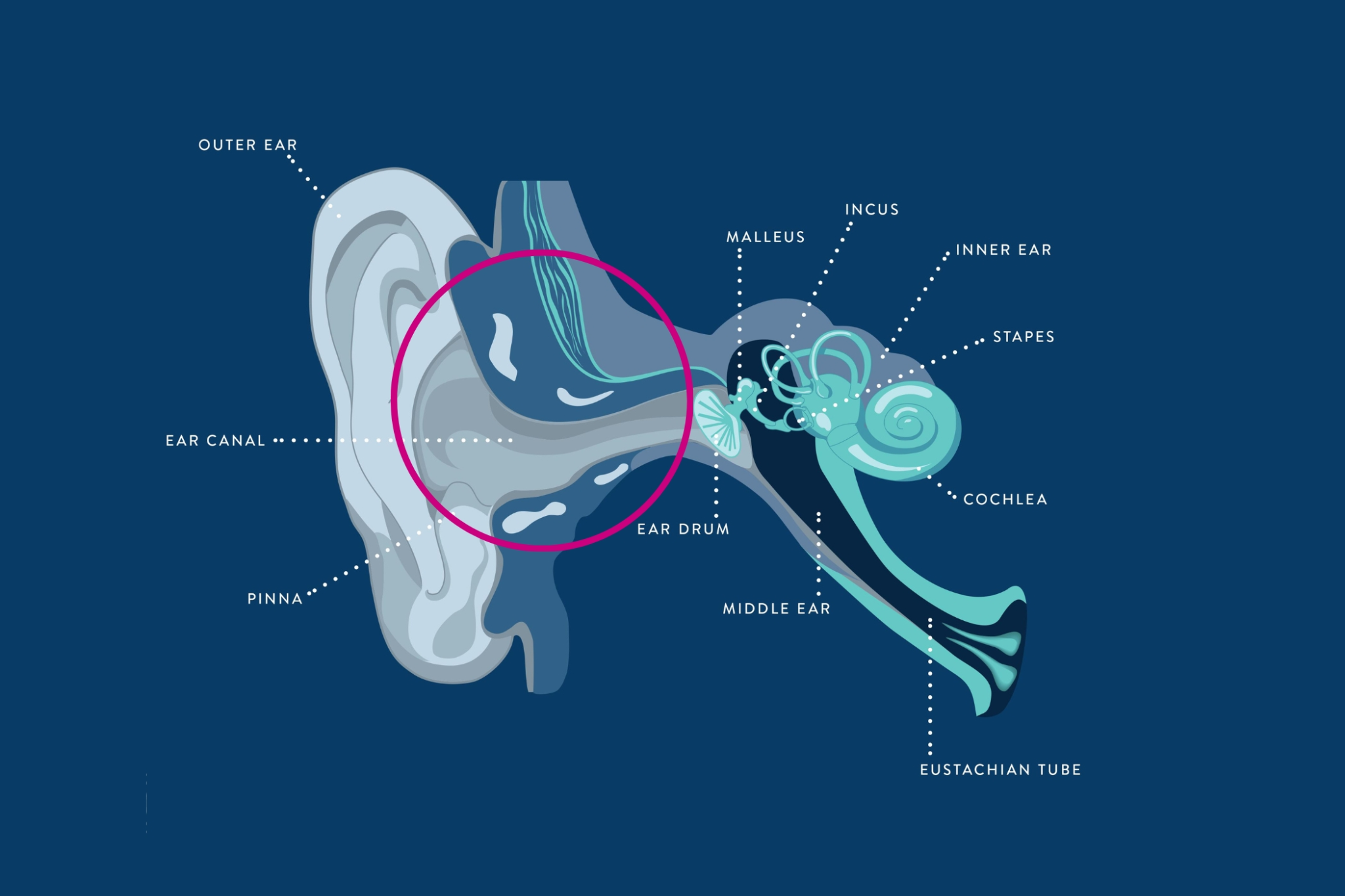
Your Ears Have Blood Vessels Too, But Smoking Doesn't Care
Your inner ear, specifically the cochlea, is lined with thousands of tiny hair cells. These cells convert sound waves into electrical signals your brain reads as sound. They are delicate, irreplaceable, and completely at the mercy of your blood supply.
Now, let’s enter nicotine.
Every cigarette you smoke causes your blood vessels to constrict, including the ones feeding your cochlea. This is where nicotine and cochlear damage begin their slow, invisible partnership.
Less blood flow means less oxygen. Less oxygen means those hair cells start to deteriorate. And the fun part is once cochlear hair cells die, they do not grow back. There is no recovery, treatment or second chances. The damage is permanent.
Carbon monoxide, another charming byproduct of cigarette smoke, makes this worse. It competes with oxygen in your bloodstream, further starving the inner ear.
Combine that with nicotine's neurotoxic effects on the auditory nerve, and you have a system built to slowly, quietly erase your hearing, which is exactly how smoking side effects on the ears work.
It is gradual, unannounced and permanent.
The Numbers Are Not Reassuring
A large-scale study published in Nicotine & Tobacco Research found that smokers are 15.1% more likely to develop high-frequency hearing loss compared to non-smokers.
High-frequency hearing loss is particularly cruel because it affects your ability to distinguish speech, consonants specifically, making it harder to understand conversation even when you can technically "hear."
The heavier and longer the smoking habit, the higher the risk. More cigarettes per day meant more damage. More years meant compounding loss. At this point, does smoking cause deafness is less a question and more a matter of when.
It is not just the smokers themselves. Secondhand smoke hearing loss is also well-documented, particularly in children. This means passive inhalation is enough to start the process. You don't even have to be the one smoking.
Globally, the World Health Organization estimates that 1.5 billion people currently live with some degree of hearing loss. Smoking isn't the only cause, but researchers consistently identify it as a significant, modifiable risk factor, which is the polished scientific way of saying: this is preventable, and yet.
You Won't Notice Until It Is Gone
Smoking-related hearing loss doesn't announce itself or come with sudden silence or a dramatic moment of realization. It is gradual, incremental, and easy to dismiss.
You start asking people to repeat themselves. You turn the volume up a little more. You find yourself nodding along in loud rooms because you have stopped being able to follow the conversation.

By the time most people register the loss, significant damage has already occurred. The cochlear hair cells that were being quietly starved of oxygen over years of smoking are gone.
The sounds they used to process — high-pitched voices, the texture of music, specific consonants that make speech intelligible — are gone with them.
This is why smoking-related hearing loss tends to hit harder and earlier than age-related hearing loss. Smokers, on average, experience hearing deterioration sooner than non-smokers of the same age.
You are essentially accelerating a natural process with a lit cigarette.
What Quitting Actually Does
However, there is good news. Quitting smoking does reduce the rate of further damage.
Studies show that former smokers have significantly lower risk of continued hearing loss compared to current smokers. The existing damage doesn't reverse, but the deterioration slows.
So, you have to quit before the loss becomes severe enough to affect your quality of life, which means the window to act is always earlier than people think.
Smoking has always been a slow trade — pleasure now, consequences later. Most people imagine those consequences as cancer, as breathlessness, as a shortened life.
Few picture themselves at fifty, turning the TV volume to maximum, missing punchlines, watching people's mouths move and catching only half of what they say.
The cigarette packet warned you it would kill you. It just didn't mention what it would take first.