Why You Might Be a Racist Without Even Knowing It
A reflective commentary exploring how Africans practice subtle forms of racism through tribalism, stereotypes, colourism, and internalized prejudice and why unlearning these biases is essential for building unity and social progress.
The Racism We Don’t Recognize: When Prejudice Wears Familiar Faces
Have you ever been racist? Have you ever judged someone because of their background? Have you dismissed someone because of an encounter you once had with another individual from their community, tribe, or region? These are uncomfortable questions, but necessary ones that we need to ask yourself as you begin to read this article . Many Africans are quick to point toward Europe or the global North when the issue of racism arises. We call out white supremacy, colonial violence, and discriminatory systems abroad with ease. Yet, we rarely pause to consider the prejudice and exclusion quietly thriving within our own societies. We rarely acknowledge that racism is not only an external threat; sometimes, it is an internal habit we have normalized for so long that we barely recognize it anymore.
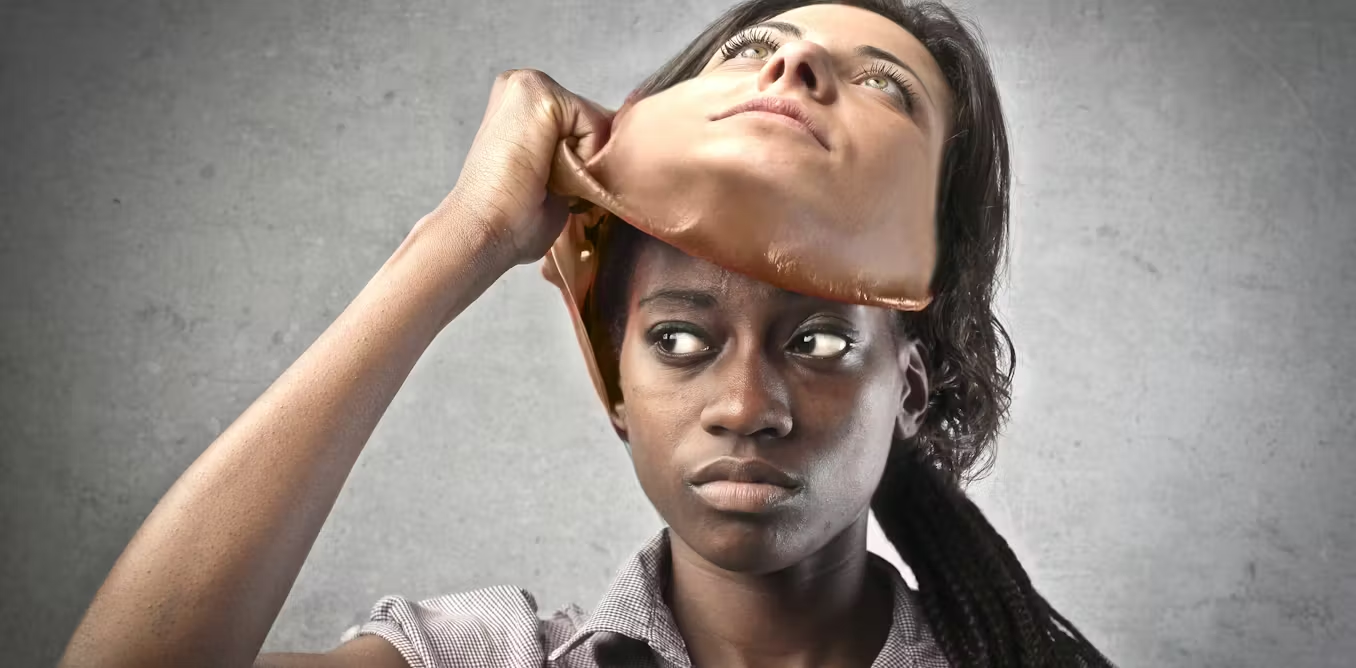
In African countries, discussions about racism often sound like echoes of historical oppression, slavery, colonialism, apartheid, segregation, and institutional discrimination. These are real wounds, but the focus on what was done to us often blinds us to what we continue to do to each other. Within our own borders, racism takes forms we don’t call by name. Tribalism becomes an acceptable cultural activity that has been normalized. Colourism becomes a “preference.” Accent discrimination becomes a joke. Social hierarchy becomes “just how things are.” Over time, these quiet prejudices build systems that mirror the very racism we condemn. We internalize the idea that certain accents represent intelligence, that certain tribes cannot be trusted, that lighter skin is more beautiful, that people from certain regions are inherently inferior. It may not look like the racism exported by the West, but it is just as damaging, just as dehumanizing, and just as deeply rooted.
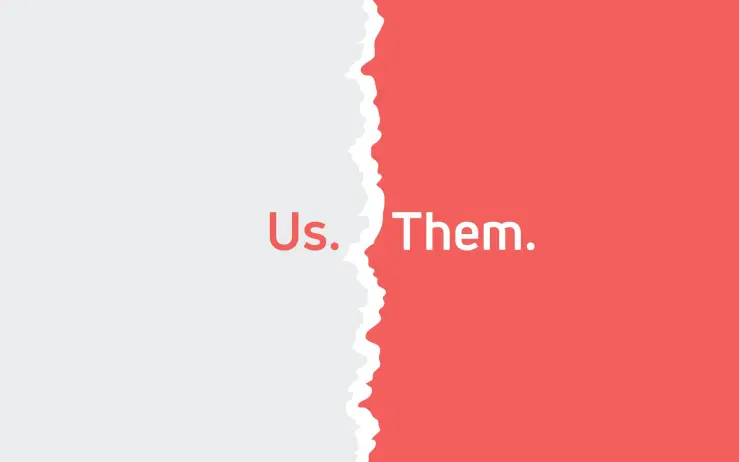
Tribalism as Africa’s Original Racism: The Invisible Wall Between “Us” and “Them”
Have you ever been tribalistic? Does the sentence “I relate with everyone, but not them” sound familiar? If so, why do you think that is not tribalism? For generations, Africans have inherited stereotypes and quietly passed them along, often without questioning their origins. Families tell their children not to marry from certain tribes. Communities hold grudges that are older than the people carrying them. Entire groups are judged based on conflicts they never participated in. These prejudices shape political decisions, influence career opportunities, and determine social interactions in ways that often go unchallenged.
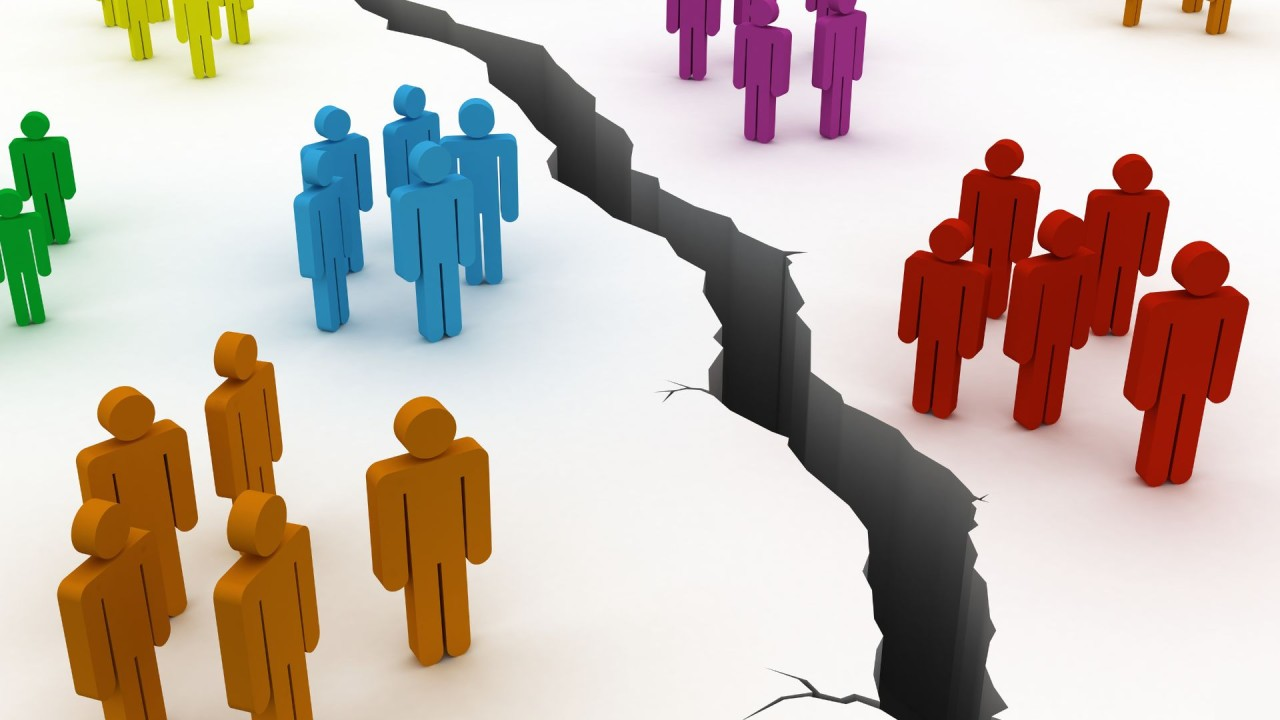
Tribalism has long been Africa’s original form of racism. It creates an invisible wall between “us” and “them,” even when we share the same national identity. Leaders weaponize ethnicity to gain power. Some employers make hiring decisions based on tribal names rather than competence. Students are bullied because their accents reveal their origins. People change their names because they fear being judged before they even enter a room. These experiences exist in every region of Africa, from West to East, from North to South.
We often condemn colonial divide-and-rule policies without realizing that tribal division did not end when independence came. Instead, it evolved into subtle forms of discrimination tucked into jokes, marriage decisions, workplace dynamics, and political alliances. The irony is painful: we rage against racism abroad while practicing familiar forms of exclusion at home. We criticize the world for judging Africans by their skin, yet we judge our own people by their tribe, their name, their origin, their complexion, their accent, and their inherited histories. Without acknowledging these truths, unity becomes an illusion. We cannot dismantle racism on the outside while nurturing it on the inside.
The Silent Harm: How Internalized Hierarchies Shape Identity, Opportunity, and Aspirations
Across the continent, Africans unknowingly internalize hierarchies deeply rooted in colonial history. These hierarchies show up in surprising ways, in our admiration for foreign accents, in the way lighter skin is perceived as more attractive, in the preference for Western validation over local expertise. Without realizing it, many of us absorb the idea that closer proximity to “foreignness” equals superiority. This internalized racism affects everything: who gets promoted at work, who gets chosen as a partner, who is seen as intelligent, who is taken seriously in meetings, and who is dismissed before speaking.

Accent superiority is one of the clearest examples. A person with a foreign or polished accent is often assumed to be more educated or competent, even when their qualifications do not match the assumption. A person with a local accent is teased, judged, or underestimated, even when they are exceptionally skilled. The same goes for colourism. Across many African societies, lighter skin is still wrongly associated with beauty, class, opportunity, and desirability. This leads to harmful practices such as skin-lightening, harsh self-comparisons, and unfair romantic or professional bias.
These prejudices shape careers, friendships, relationships, and opportunities. People have missed out on jobs, connections, or support because of stereotypes they never had the chance to escape from. What makes this particularly harmful is the silence surrounding it. Many people believe they are free from prejudice until they experience it themselves. Only when they feel the sting of exclusion, being dismissed because of their name, treated differently because of their tribe, mocked because of their complexion, or judged because of their accent, do they realize how deeply these biases run.
It is easy to criticize racism when it comes from an external oppressor. It is much harder to admit that we sometimes reinforce it with our own hands. Yet, acknowledging this is the first step toward healing.
Breaking the Cycle: How Africans Can Unlearn Prejudice and Build Conscious Empathy
The cycle can be broken. You and I can break it. It begins in small, deliberate acts. It begins when we no longer laugh at the young boy struggling with his accent, but instead encourage him. It begins when we celebrate the young girl with tribal marks on her face, telling her she is beautiful without conditions. It begins when we stop judging people the moment they tell us their tribe. It begins when we confront the jokes, the stereotypes, the assumptions we have normalized for generations.
Unlearning prejudice requires honesty. It requires admitting that we are not as objective or neutral as we believe. It demands that we challenge cultural conditioning and ask ourselves where our beliefs came from and whose interests they originally served. It means engaging in difficult conversations within our families, communities, and institutions. It means replacing suspicion with curiosity, assumptions with understanding, and inherited hate with personal truth.
Africa cannot thrive if tribalism remains a silent epidemic. Nations cannot develop if opportunity is restricted by prejudice. Communities cannot heal if people are divided by invisible lines drawn long before they were born. Racism is not a “white thing.” It is a human thing, a mindset that any group can adopt if left unchecked. The power to unlearn it lies in deliberate awareness. The progress we seek, unity, development, equality, begins only when we dismantle the biases we carry quietly within us.