Breakthrough Hope: Moderna's Cancer Vaccine Hits Milestone in Melanoma Trial
Moderna and Merck's experimental personalized mRNA cancer vaccine, tested in part at NYU Langone Hospital, shows promising results in preventing melanoma recurrence. The vaccine, combined with Keytruda, extended remission in a late-stage trial, offering hope for a significant advancement in cancer treatment and boosting Moderna's outlook.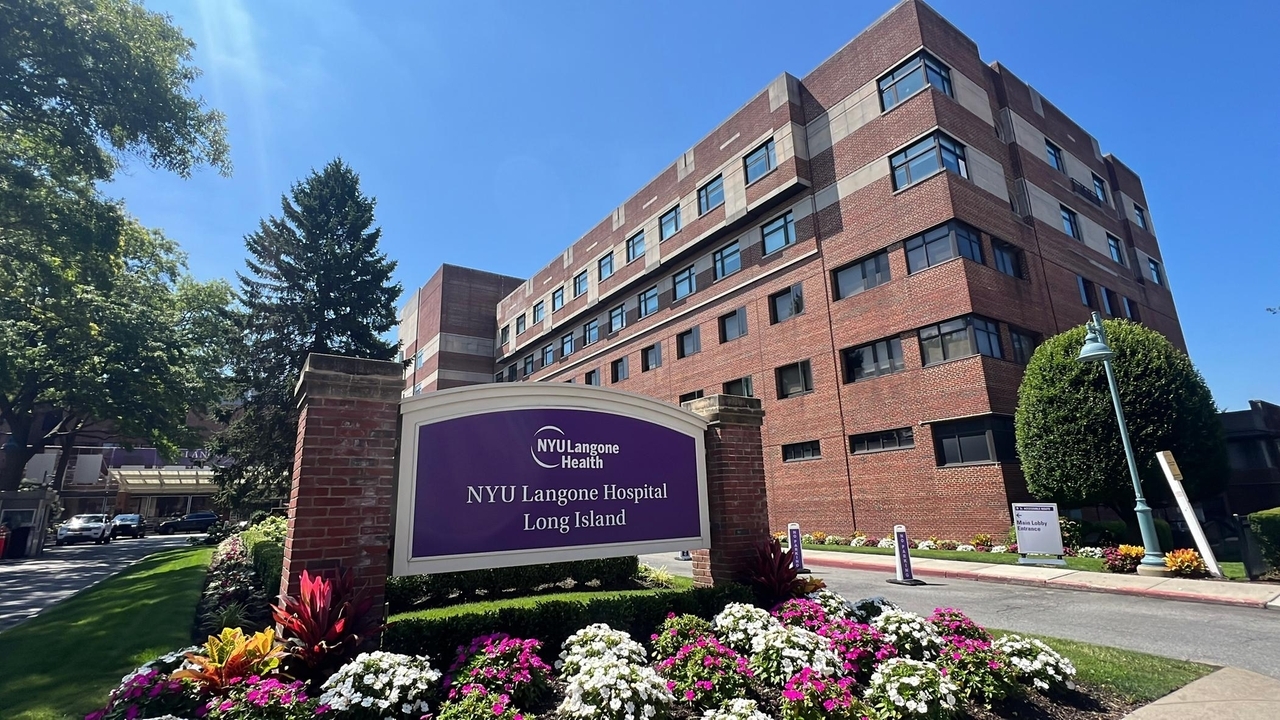
A collaborative effort between pharmaceutical giants Moderna and Merck, supported by institutions like NYU Langone Hospital-Long Island, has yielded promising results for an experimental personalized cancer vaccine. This groundbreaking mRNA-based vaccine has demonstrated efficacy in preventing the return or spread of melanoma, the most aggressive form of skin cancer, in a late-stage clinical trial.
Dr. Janice Mehnert, associate director for clinical research at NYU Langone's Perlmutter Cancer Center, confirmed that the global Phase 3 trial included a patient from NYU Langone Hospital-Long Island in Mineola. The vaccine, which targets a patient’s unique tumor mutations, was administered in combination with Merck’s immunotherapy drug, Keytruda. Initial findings indicate that patients receiving both the vaccine and Keytruda experienced longer periods without cancer recurrence compared to those treated with Keytruda alone.
The positive outcomes of this Phase 3 trial build upon the success of an earlier Phase 2b study, also led by NYU Langone researchers and published in June. That study revealed that the vaccine-and-Keytruda combination reduced the risk of melanoma recurring or death by 49% in patients who had recently undergone surgery for melanoma. Furthermore, it reduced the spread of cancer to other parts of the body by an impressive 59%.
Moderna CEO Stéphane Bancel highlighted the significance of these developments, stating, “For many years, the idea of creating an mRNA treatment designed specifically for an individual patient's cancer was aspirational. We are now helping turn that vision into a reality.” This breakthrough marks the first positive Phase 3 trial to demonstrate meaningful improvement over Keytruda alone for an mRNA cancer vaccine, signifying a potential paradigm shift in cancer treatment.
The news had a significant impact on the financial markets, with Moderna shares surging from $62.96 to $174.38 following the announcement of the trial's early success, though they later adjusted. Merck & Co stock also saw a rise. This boost is particularly critical for Cambridge, Massachusetts-based Moderna, which has faced financial challenges, including a net loss of $782 million in the second quarter and layoffs of 10% of its workforce, due to declining demand for its COVID-19 vaccine.
Experts in the field have lauded the trial's design and potential impact. Dr. Elizabeth Jaffee, deputy director of the Sidney Kimmel Comprehensive Cancer Center at Johns Hopkins, described the clinical trial as