Why Do Africans Become More African After Leaving Africa?
Why do Africans abroad suddenly embrace their roots with pride? From Afrobeats in London to Yoruba weddings in New York, discover why leaving Africa makes many rediscover, and even amplify, their African identity.
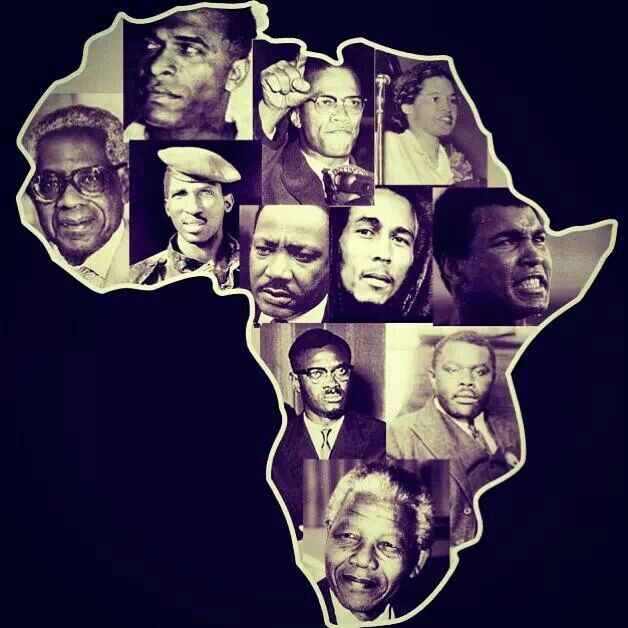
“In Nigeria, I was just Nigerian. Here, I’m African. It’s a label I wear with pride now.”
For many Africans, leaving the continent is a journey toward opportunity, education, or safety. Yet, paradoxically, this physical departure often leads to a profound reconnection with African heritage. In cities like London, New York, and Berlin, Africans abroad frequently find themselves embracing cultural practices, languages, and identities they may have previously downplayed or overlooked at home. This phenomenon raises a compelling question: why do Africans often become more African after leaving Africa?
The Paradox of Identity
In Africa, cultural identity is often taken for granted. The daily rhythms of life—language, food, dress, and social norms—are so deeply ingrained that they rarely warrant reflection. However, upon migrating, Africans are often confronted with questions and stereotypes that compel them to define who they are in relation to others.
Research indicates that when individuals from minority groups move to a new cultural context, their ethnic identity becomes more salient. This heightened awareness can lead to a stronger identification with one's cultural roots as a form of self-definition and resistance against marginalization.
Distance from home often brings a sense of longing and nostalgia. As Africans abroad reminisce about their homeland, they begin to re-evaluate aspects of their culture that they once took for granted. Foods, languages, and traditions that were once mundane become symbols of identity and pride.
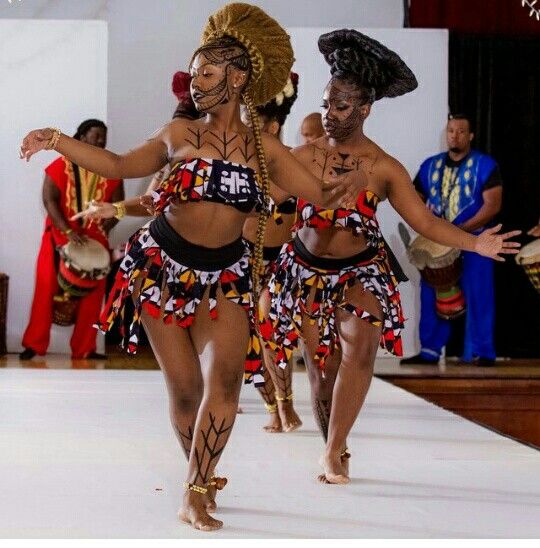
Photo Credit: Pinterest
For instance, Nigerian jollof rice, which might have been an everyday meal in Lagos, becomes a cherished dish in London, symbolizing a connection to home. Similarly, African fabrics and attire, once considered traditional or old-fashioned, are now worn with pride at events and gatherings.
Identity, Resistance, and Reclamation
Living abroad exposes Africans to various stereotypes—poverty, backwardness, and primitiveness. These reductive views often prompt Africans to reclaim and redefine their identities. Embracing cultural practices and showcasing African heritage becomes a form of resistance against misrepresentation and a way to assert pride in one's roots.
The rise of Afrobeats music and fashion is a testament to this cultural reclamation. Artists like Burna Boy and Wizkid have gained international acclaim, and their success has led to a resurgence of interest in African music, fashion, and culture worldwide.

Photo Credit: Pinterest
Migration can also lead to feelings of isolation. In response, Africans abroad often create communities that serve as cultural sanctuaries. These communities become spaces where individuals can express their cultural identities freely, share experiences, and support one another.
African festivals and cultural events play a crucial role in this process. For example, the Odunde Festival in Philadelphia, one of the largest African-American street festivals in the U.S., celebrates African culture through music, dance, food, and art. Such events not only provide a sense of belonging but also serve as platforms for cultural expression and pride.
Diaspora Connect
Stay Connected to Home
From Lagos to London, Accra to Atlanta - We Cover It All.
Similarly, events like the African Festival in Berlin and the Africa Festival in Würzburg showcase African music, dance, and art, fostering a sense of community and cultural pride among Africans in Europe.
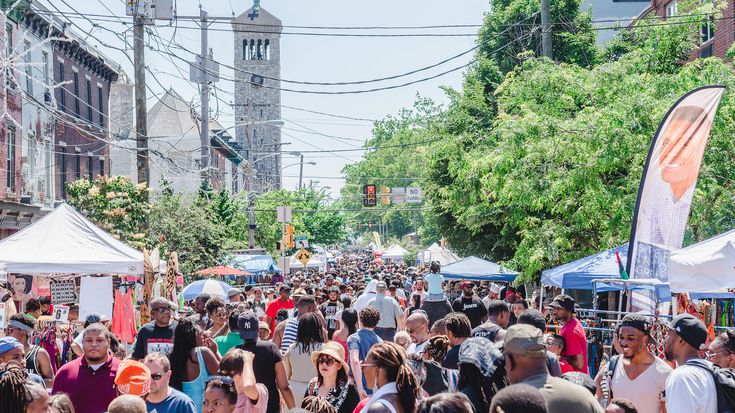
Photo Credit: Pinterest
Community, Belonging, and the Second Generation
Children of African immigrants often face the challenge of navigating multiple cultural identities. Raised in Western societies, they may initially distance themselves from their African heritage to assimilate.
However, as they mature, many begin to explore and embrace their African roots, often more consciously and deliberately than their parents. This generational shift is evident in the increasing popularity of African cultural elements among second-generation Africans.

From wearing traditional attire to participating in cultural festivals, these individuals are actively curating their identities, blending their African heritage with their Western upbringing.
Migration can also strengthen intergenerational connections. Families abroad often emphasize cultural education, language learning, and traditions as a way to maintain heritage. The diaspora becomes both a site of cultural preservation and innovation, where Africans can reinterpret and celebrate traditions in new contexts.

Photo Credit: Pinterest
Technology, Media, and Cultural Expression
The digital age has transformed how Africans in the diaspora connect with their heritage. Social media platforms, streaming services, and online communities provide avenues for exploring African cultures, languages, and traditions.
This access to information and cultural content allows Africans abroad to stay connected to their roots and share their experiences with a global audience. Platforms like YouTube, Instagram, and TikTok have become hubs for African cultural expression, where users share cooking tutorials, dance challenges, language lessons, and discussions about African history and identity.
Economic success in the diaspora can also lead to a renewed interest in African culture. As Africans abroad achieve financial stability, they often invest in cultural practices and heritage preservation.
This investment can manifest in various forms, such as supporting African artisans, investing in African businesses, or participating in cultural tourism. Moreover, the growing recognition of African culture's global influence has led to increased economic opportunities. The fashion industry, for example, has seen a rise in demand for African-inspired designs, and African art has gained prominence in international markets.
Conclusion: Embracing Africanness in the Diaspora
The journey of Africans abroad is multifaceted. While migration presents challenges, it also offers opportunities for self-discovery and cultural reaffirmation. The process of becoming "more African" after leaving Africa is not merely about nostalgia or resistance; it is about embracing a rich heritage and asserting one's identity in a global context.
Diaspora Connect
Stay Connected to Home
From Lagos to London, Accra to Atlanta - We Cover It All.
As Africans continue to navigate life in the diaspora, their stories serve as a testament to the resilience and adaptability of African cultures. Through music, food, language, and community, they continue to celebrate and share their Africanness with the world.