Who Should Win the 2026 Ballon d'Or? Five Players With the Strongest Cases
Five leading names have emerged from the 2025–26 season and the 2026 World Cup, with Kane, Yamal, Rodri, Mbappé and Messi making different claims for football's biggest individual prize.
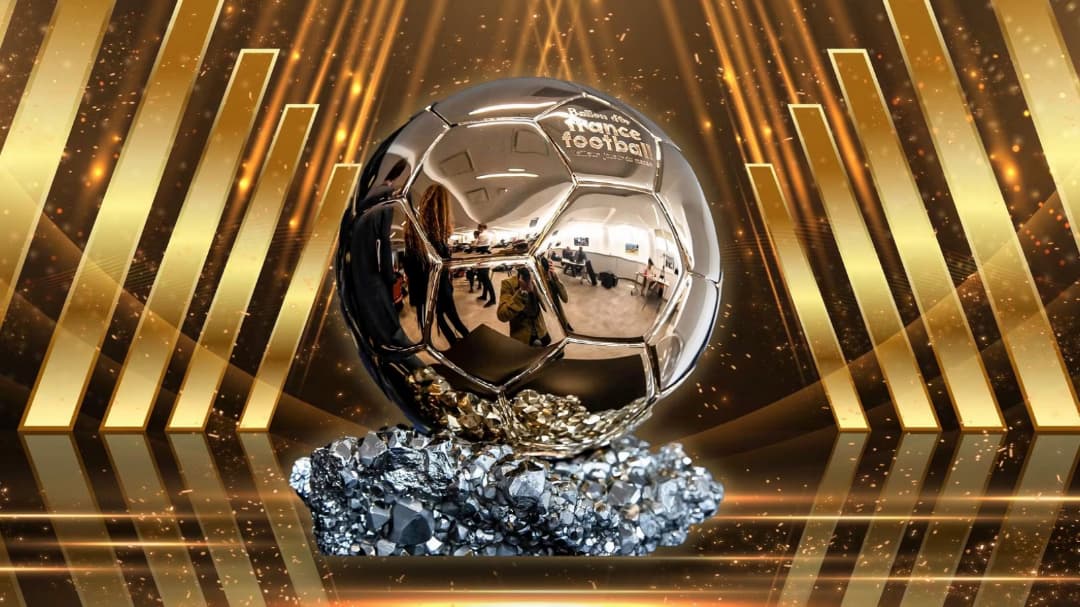
The Ballon d'Or is football's best-known individual award.
France Football has presented it since 1956, and an international jury of journalists chooses the winner.
Since 2022, the award has been judged over a football season rather than a calendar year, so the 2026 edition covers the 2025–26 season and the international tournaments that followed it.
The 2026 World Cup has now ended, and theceremony is set for October 26 in London. The 30-player shortlist is expected before then, with several names already standing out in the race.
Harry Kane: 73 goals and a domestic double
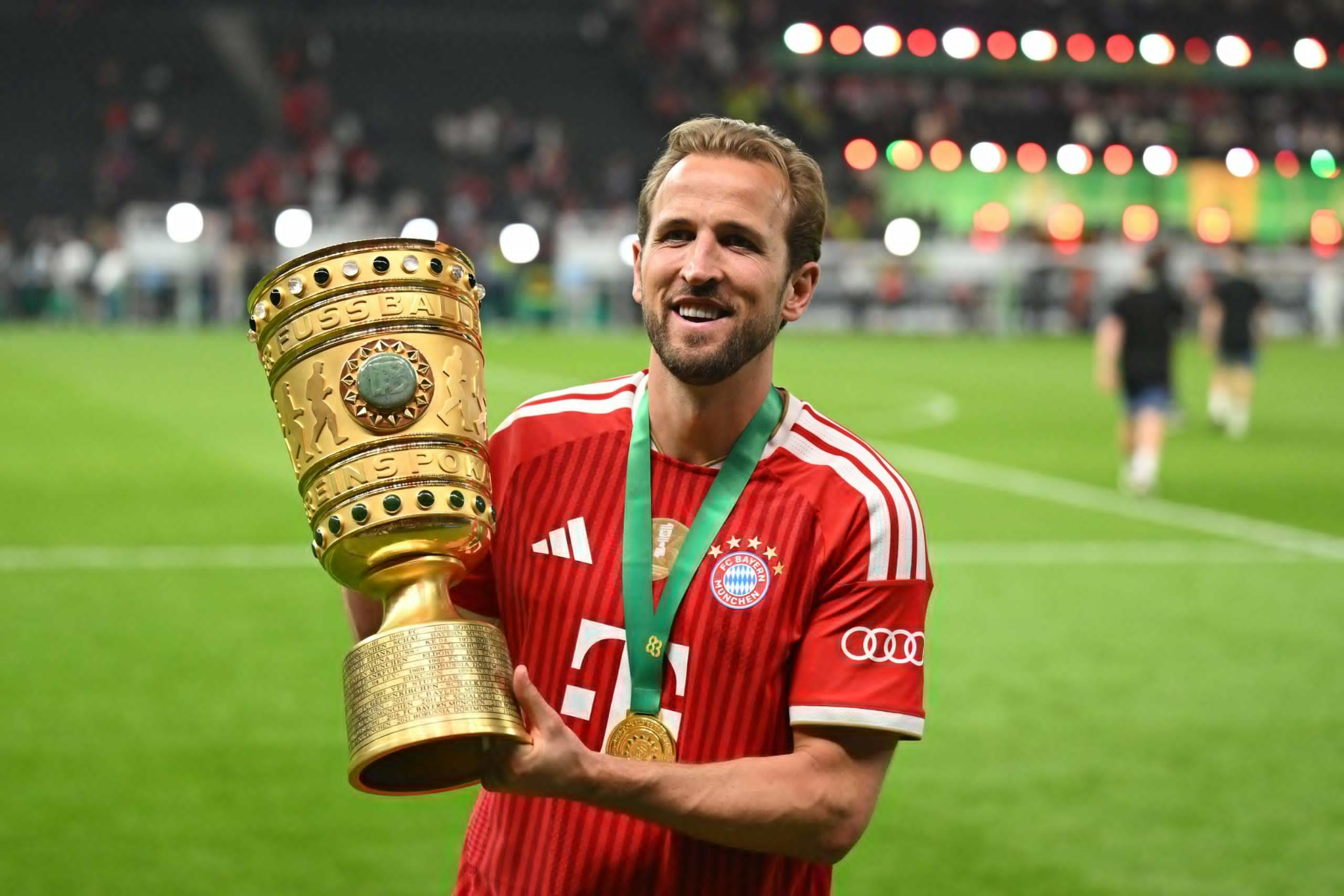
Kane finished 2025–26 with73 goals for Bayern Munich and England, according to Bundesliga figures, and scored 36 league goals for Bayern. He won the European Golden Shoe and helped the club to the Bundesliga title and DFB-Pokal.
Kane scored throughout the club season, collected domestic silverware and then added six World Cup goals for England, who finished third. His 73-goal season gives him the kind of sustained production that is difficult to match.
Lamine Yamal: Barcelona success, then a World Cup
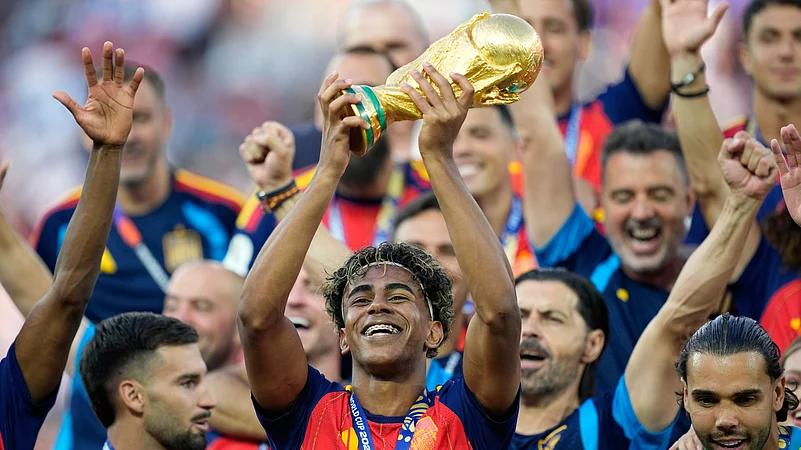
Yamal finished Barcelona's campaign with 24 goals beforehelping Spain win the World Cup. At 19, he was already a central attacking player for club and country, and his importance was not limited to scoring.
Barcelona won La Liga, while Spain went on to lift the World Cup. Yamal contributed at both levels, giving him a season that combines individual production with major team honours.
Rodri: Spain's captain and Golden Ball winner
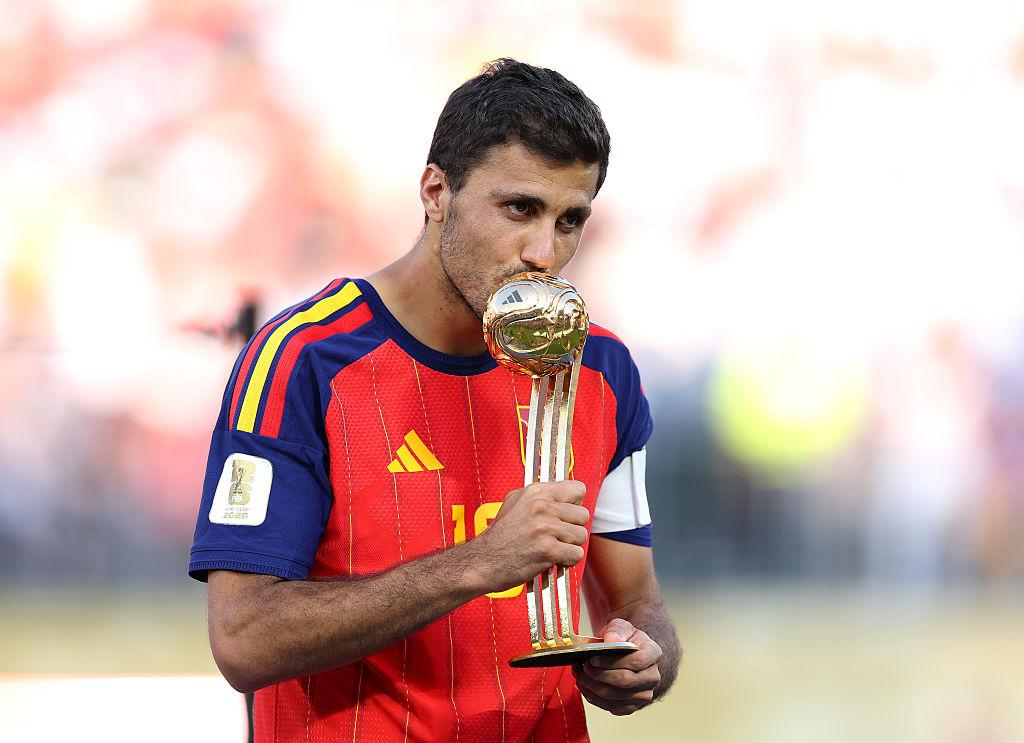
Rodri's strongest evidence comes from Spain's World Cup campaign. He captained the champions andwon the tournament's Golden Ball, the award given to the competition's best player.
That gives him one of the clearest individual honours of the tournament as well as the World Cup itself. His previous Ballon d'Or, which he won in 2024, does not count towards this year's vote; what matters here is what he did during the season and at the World Cup.
Kylian Mbappé: 10 World Cup goals
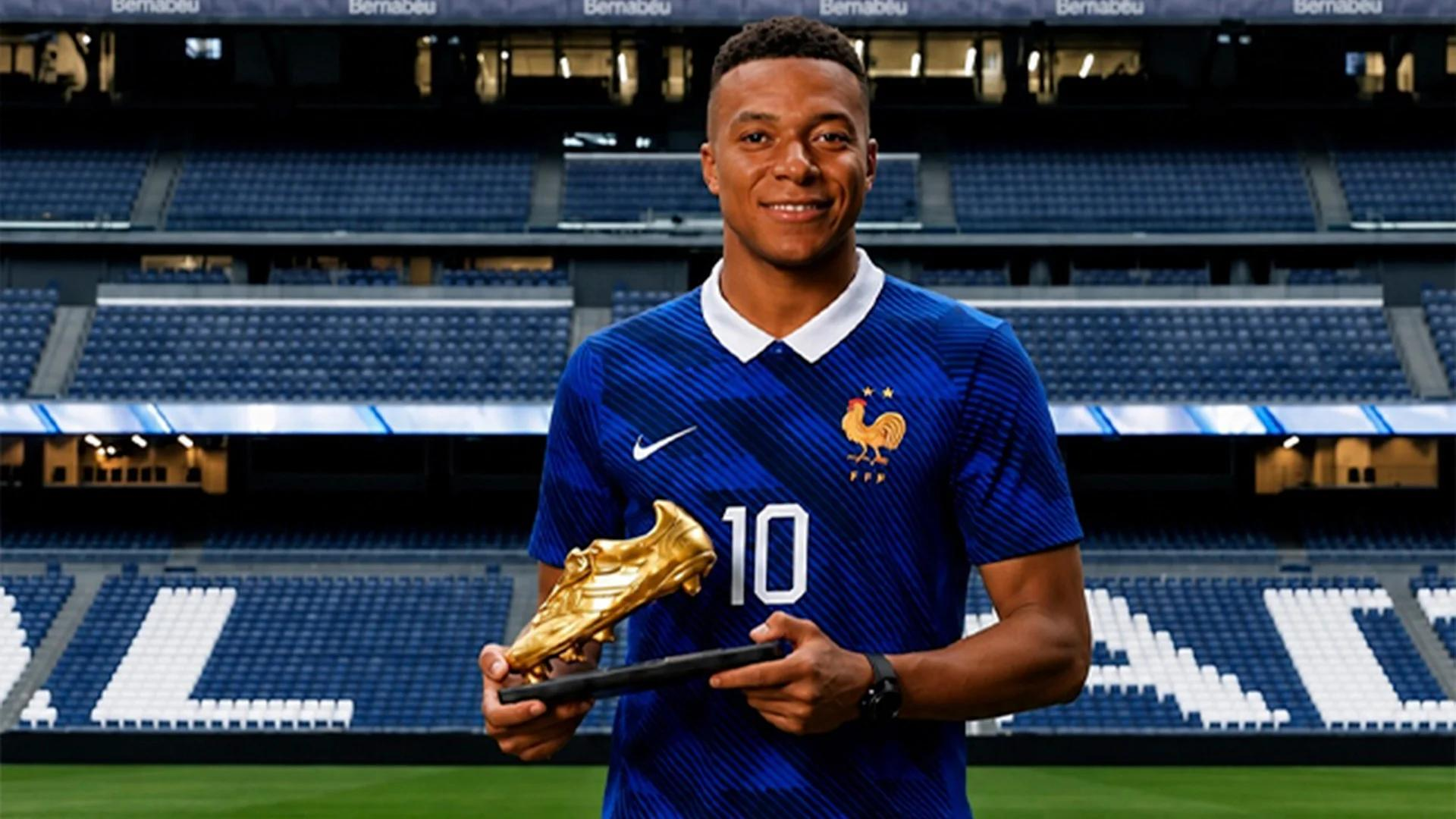
Mbappé scored 10 goals at the World Cup,won the Golden Boot and became the tournament's all-time leading scorer. France did not win the title, but Mbappé's individual numbers put him among the most productive players of the tournament.
His club campaign adds another substantial part to the season under consideration, alongside those World Cup numbers.
Lionel Messi: Another World Cup final
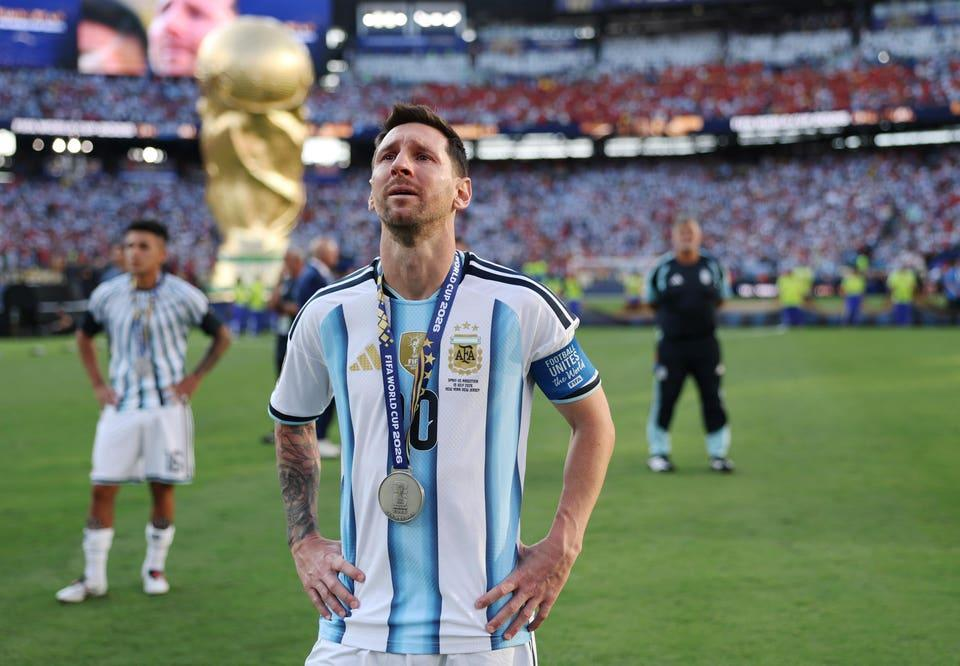
Messi helped Argentina reach the World Cup final and finished with eight goals and four assists at the tournament.
At 39, another World Cup final adds to an international career unlike any other contender's. Eight goals and four assists in the tournament give him a substantial individual contribution to go with that run to the final.
What should matter most in the Ballon d'Or vote?
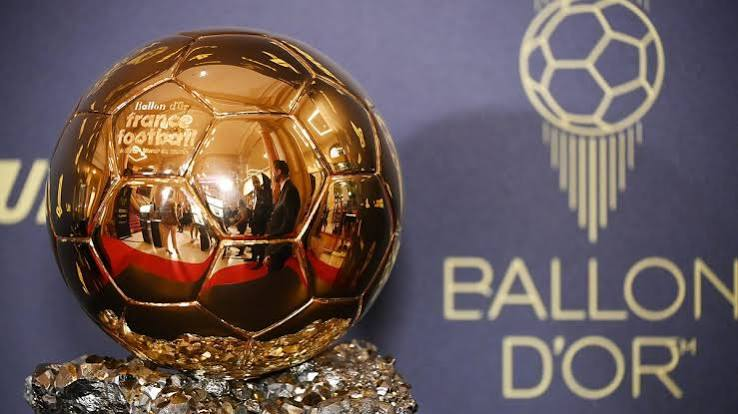

The Ballon d'Or is decided by 100 journalists from the countries represented in FIFA's top 100 men's national teams. Each voter names 10 players and ranks them from first to 10th, with points awarded according to that order. The player with the highest total wins.
The rules put individual performance and character ahead of team success: voters first consider a player's performances and decisive influence, then the collective achievements of their team, followed by sporting conduct and fair play.
There is no public vote, and neither FIFA nor the players' clubs decide the winner.
The criteria do not give voters a formula that turns goals and trophies into a fixed score, they have to judge the quality of a player's performances, influence and team achievements together.
How their achievements are ranked is what will separate the contenders when the votes are counted.