Who Decides What’s Modest? The Growing Divide Between Faith and Fashion
As fashion evolves and faith traditions hold firm, a growing generation of Africans is asking: who truly defines modesty? This article explores the tension between religion and self-expression, the gendered expectations surrounding “appropriate” dress, and how young people are reshaping the meaning of modesty in a modern, globalized world.
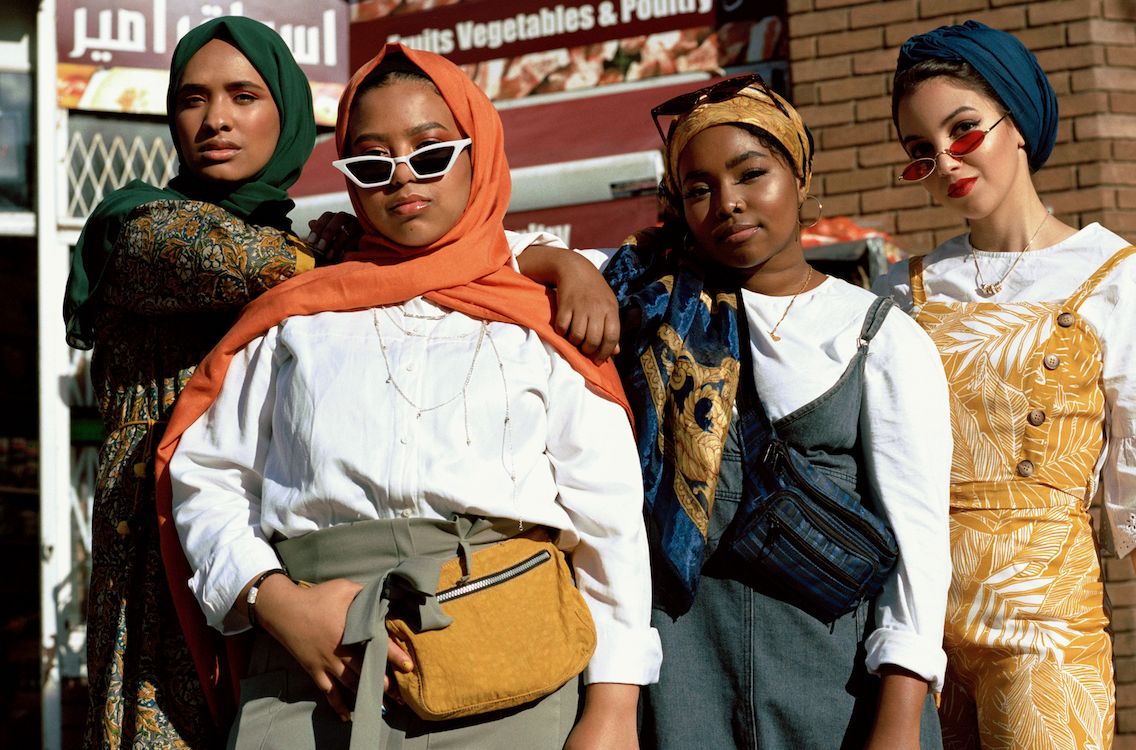
In an age where self-expression often lives on Instagram feeds and street runways, the question of modesty has never been more debated.
Across Africa and beyond, conversations about what is considered “modest” clothing are no longer confined to churches, mosques, or family gatherings. They are now global, online, and tangled in the threads of identity, faith, and fashion freedom.
But beneath this conversation lies a deeper question: who truly decides what’s modest? The believer? The culture? Or the fashion industry that constantly reinvents what is “acceptable” to wear?
The Weight of a Word
“Modesty” carries moral gravity. For centuries, it has been used to measure virtue, discipline, and sometimes, worth.
In many religious traditions, modesty goes beyond clothing, it is a way of being. It is humility, restraint, and self-respect. Yet, for many women and men today, modesty has become a battleground between personal choice and communal expectation.
In Christianity, the concept often stems from biblical teachings like 1 Timothy 2:9, which urges women to dress “modestly, with decency and propriety.” Islam similarly emphasizes haya (modesty or humility), encouraging both men and women to guard their gaze and dress modestly. In traditional African religions, modesty was also embedded in cultural attire as covering the body was a mark of respect and belonging.
But over time, the definition has fractured. What one generation or culture calls modest, another sees as outdated. A knee-length skirt may be considered respectful in some regions and conservative in others.
The hijab may be a symbol of empowerment to one woman, and a mark of oppression to another. The result? A complex, emotional tug-of-war between faith, identity, and freedom.
The Modern Fashion Gospel
Enter the world of fashion. It is loud, rebellious, and ever-changing.
Fashion has always been about expression, about wearing one’s individuality like a badge. It challenges norms, reinvents taboos, and invites people to be seen. But when faith and fashion cross paths, sparks often fly.
Across African cities, young people are increasingly redefining what “modest fashion” looks like.
Culture
Read Between the Lines of African Society
Your Gateway to Africa's Untold Cultural Narratives.
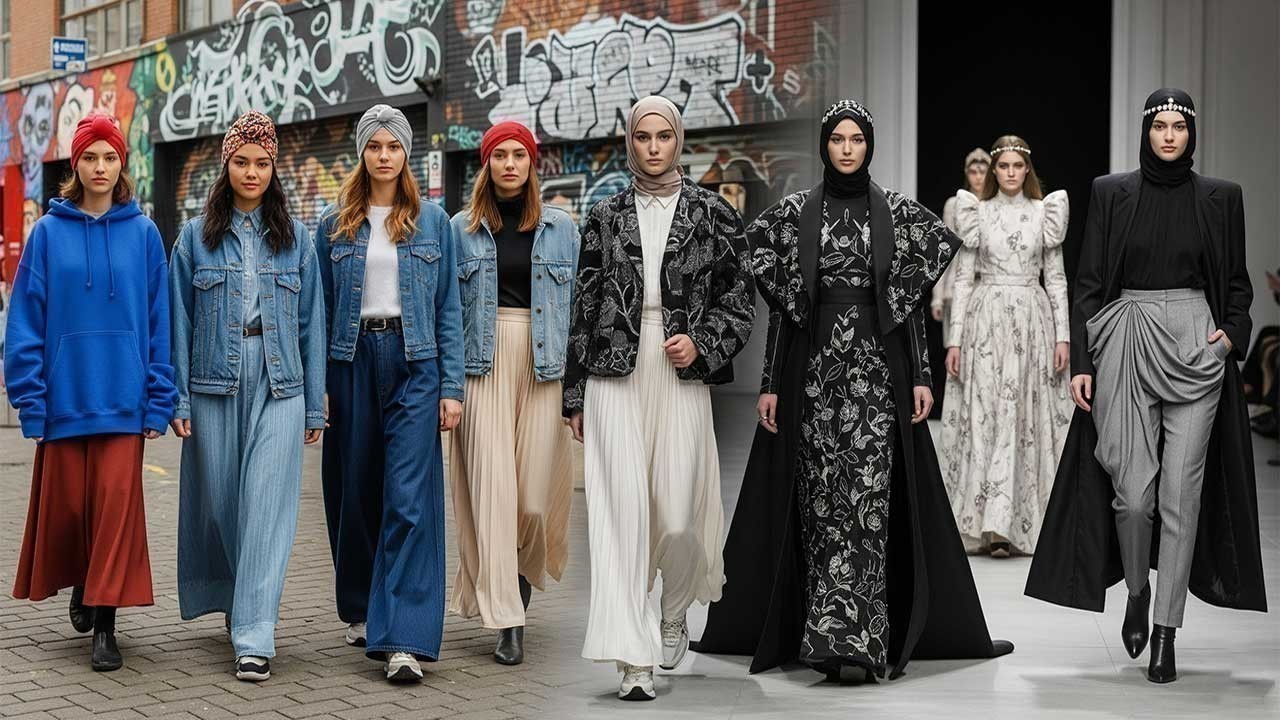
Muslim influencers now dominate fashion spaces, blending tradition with trend — silk hijabs paired with oversized blazers, or abayas designed with minimalist elegance.
Christian fashionistas are doing the same, opting for clothing that honours faith yet fits the contemporary style narrative.
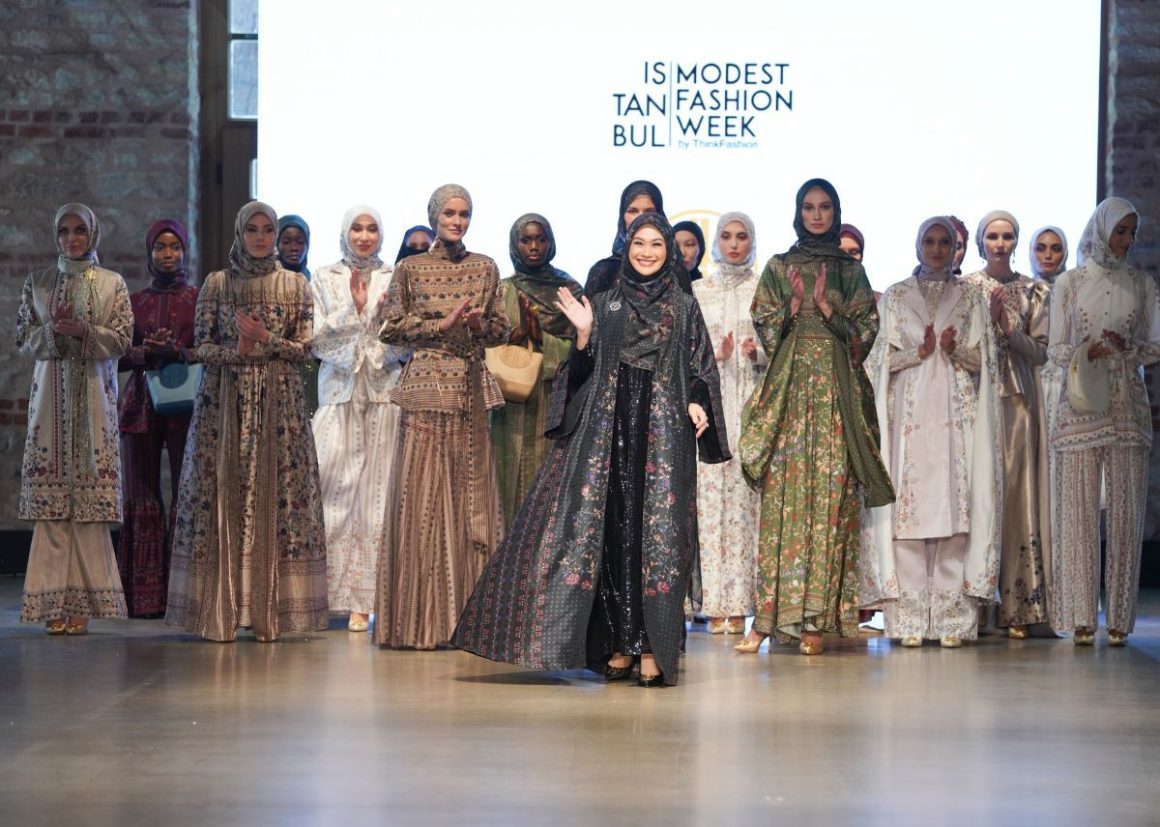
This movement has even birthed a multi-billion-dollar industry.Modest fashion weeks are held in cities like Dubai, London, and Jakarta, showcasing that modesty can be chic, not restrictive.
Yet, as the industry commercializes faith-inspired dressing, another question surfaces: has modesty become a fashion aesthetic instead of a moral principle?

Between Judgment and Expression
For many young Africans, the debate over modesty is mainly about belonging. Social media has blurred the boundaries between faith and fashion expression, making judgment more public than ever.
A woman wearing a crop top might face backlash from conservative followers, while someone in a full-length dress could be mocked as “too churchy” or “trying too hard.”
The double standards are exhausting. Women, in particular, are often caught in the crossfire of these expectations.
Modesty becomes less about spirituality and more about societal policing — what men, pastors, or online commentators think women should wear. The result is that modesty is rarely self-defined; it is rather externally imposed and socially monitored.
It now a growing frustration amongst youths as modesty has become less a reflection of faith and more a performance for public approval.
Cultural Clashes and Generational Shifts
Africa’s younger generation is navigating a delicate balance between cultural respect and self-assertion. Parents who grew up in stricter religious communities often expect traditional modesty: covered shoulders, long skirts, minimal jewelry.
But their children, raised in a digital age, interpret modesty differently. To them, being modest is not necessarily about coverage, it is about confidence, dignity, and self-awareness.
Culture
Read Between the Lines of African Society
Your Gateway to Africa's Untold Cultural Narratives.
Youth fashion collectives are quietly redefining African modesty through locally inspired designs. Ankara jumpsuits with flowing sleeves, long kaftans paired with sneakers, and turtleneck blouses with bold prints — all show that one can be both fashionable and faithful. The emerging idea is that modesty can evolve without losing its moral essence.
Still, tension persists. In some religious spaces, these new interpretations are seen as compromise. It is seem as the watering down of faith to fit in with global trends. The debate then becomes generational, not just theological. Elders view it as erosion of values, while the youth see it as evolution.
The Men Are Watching — Or Are They?
Modesty conversations often center on women, but what about men? Many faith-based modesty codes apply equally to both genders, yet enforcement is often uneven. While women are scrutinized for hemlines and hijabs, men rarely face the same pressure for how they dress.
This imbalance highlights a deeper issue: modesty, as currently practiced, has been gendered. It reflects society’s habit of policing women’s bodies while excusing male freedom. In rethinking modesty, therefore, the question should extend to everyone — how do men embody humility, restraint, and respect through their appearance and actions?
Until the conversation becomes inclusive, modesty will remain a moral code unevenly applied.
The Freedom to Choose
Perhaps the core of the modesty debate is not what one wears, but who decides. True modesty cannot be legislated by others; it has to be a personal conviction shaped by faith, culture, and conscience. What offends one’s sensibilities may not violate another’s spirituality.
In a world obsessed with appearance, modesty is also a form of resistance. To some, it is resistance against objectification; to others, resistance against conformity. The freedom to choose modesty, or to interpret it differently, should be respected as long as it does not demean or dictate another person’s right to expression.
In the end, modesty is less about inches of fabric and more about intention. The question, then, isn’t just “Who decides what’s modest?” but “Why does it matter so much who decides?”
The Mirror and the Meaning
Fashion mirrors society, and religion shapes its conscience. When both collide, they force us to confront uncomfortable truths about identity, control, and expression.
The growing divide between faith and fashion is not necessarily a sign of moral decay but it could be an evidence of evolution, of a world where beliefs and beauty are renegotiated daily.
Culture
Read Between the Lines of African Society
Your Gateway to Africa's Untold Cultural Narratives.
Maybe the solution is not to pick sides but to find balance, to let fashion express, and faith anchor. Because at its heart, modesty is abour consciousness. And that, perhaps, is something everyone, believer or not, can wear with pride.