Unusual Beauty Standards in Africa: When Beauty Breaks the Western Mold
Explore nine striking African beauty traditions, from lip plates to scarification, that challenge Western ideals. Are they cultural expressions or outdated, inhumane practices?
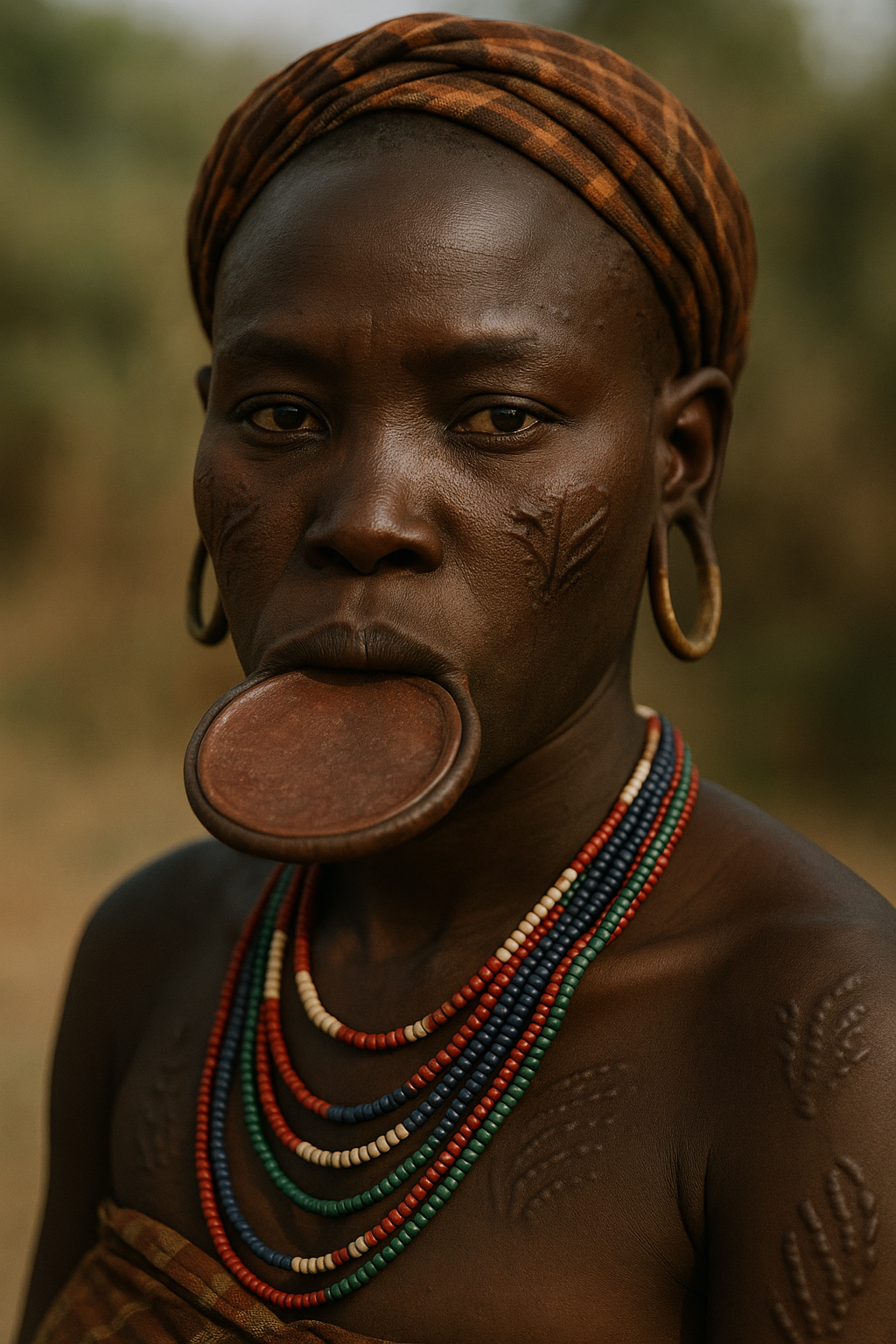
Forget size-zero models and filtered selfies — in Africa, beauty often defies the narrow ideals of the West. Across the continent, beauty is not just skin deep; it reflects heritage, power, identity, and, sometimes, rebellion.
From bold body modifications to natural aesthetics that challenge Eurocentric standards, African beauty traditions continue to thrive, many dating back centuries.
Here are nine striking and culturally rich beauty standards from Africa that break the Western mold but remain deeply rooted in meaning and pride.

Among the Mursi and Surma tribes of Ethiopia’s Omo Valley, young women stretch their lower lips to insert large clay or wooden plates — a practice that begins around age 15. The size of the plate can signify social maturity and is linked to the family’s bride price, often measured in cattle. While it may appear extreme to outsiders, for the Mursi, it is a deeply valued rite of passage and symbol of strength and identity.
2. Scarification in West and Central Africa


Scarification — the deliberate cutting and healing of the skin to form raised patterns — has been practiced for centuries across Africa, especially in Nigeria, Benin, BurkinaFaso, and the Democratic Republic of Congo.
In many Yoruba communities, facial scars (ila) once symbolized beauty, tribal affiliation, and spiritual protection.
Though colonial powers discouraged the practice, and it's now illegal in many places, modern African artists and cultural activists are reclaiming its legacy through body art and photography.
3. Leblouh: The Fattening Culture of Mauritania
In Mauritania, the tradition of leblouh involves force-feeding young girls to fatten them up, based on the belief that obesity symbolizes beauty, wealth, and marriageability.
Social Insight
Navigate the Rhythms of African Communities
Bold Conversations. Real Impact. True Narratives.
Rooted in Tuareg and Moorish customs, girls are made to consume up to 14,000 calories a day, with camel milk, couscous, and animal fats. Older women, known as "fatteners," enforce the process through physical discipline.
While once seen as essential for securing a high bride price, this practice is increasingly criticized for its impact on girls’ health, including obesity-related illnesses.
4. Wodaabe Men and the Gerewol Festival in Niger


In an unexpected twist, the Wodaabe people of Niger flip conventional beauty norms. Every year during the Gerewol Festival, men adorn themselves with makeup, feathers, and beads to perform in beauty contests judged by women.
Traits like tallness, white teeth, and large eyes are considered ideal. The spectacle not only celebrates male beauty but empowers women to choose their partners — a fascinating reversal of gendered beauty roles.
5. Elongated Skulls of the Mangbetu in DR Congo

The Mangbetu people of the Democratic Republic of Congo practiced a custom called Lipombo, where infants' heads were wrapped tightly with cloth to elongate the skull.
This cranial shaping symbolized intelligence, beauty, and elite status. Often paired with elaborate cone-shaped hairstyles, Lipombo was a visual statement of cultural refinement.
Although now rare due to colonial bans, its influence lives on in traditional sculpture and portraiture.
6. Bald Beauty Among the Dinka and Nuer of South Sudan

Social Insight
Navigate the Rhythms of African Communities
Bold Conversations. Real Impact. True Narratives.
In parts of South Sudan, especially among the Dinka and Nuer, bald heads on women are celebrated as symbols of purity, spiritual strength, and maturity.
Shaving one’s head often marks life transitions, including initiation, mourning, or adulthood. Today, this aesthetic persists in global pop culture, with celebrities like Lupita Nyong’o proudly representing bald beauty on red carpets and magazine covers.
7. Gap Teeth in Nigeria, Ghana, and Cameroon

A gap between the front teeth — known as diastema — is seen as a mark of charm, fertility, and spiritual blessing in various African cultures.
Among the Yoruba, it is called ewa and is traditionally admired.
8. Red Ochre Glow of the Himba in Namibia

Himba women in northern Namibia coat their bodies with otjize — a paste made from butterfat and red ochre.
This gives their skin a glowing reddish hue, which is both protective and symbolic. Otjize shields against the harsh desert sun and insects, but more importantly, it reflects beauty, fertility, and a spiritual connection to the earth.
Hair is styled into intricate plaits and crowns that indicate age, social role, and motherhood — traditions passed down through generations.
9. Ear Stretching and Neck Rings in East and Southern Africa

Among the Maasai of Kenya and Tanzania, stretching the earlobes is a rite of passage that signifies maturity and wisdom.
Social Insight
Navigate the Rhythms of African Communities
Bold Conversations. Real Impact. True Narratives.
Similarly, the Ndebele women of South Africa wear metal neck rings — the more rings, the higher the social status and marital value.
Both traditions are not only aesthetic but also loaded with cultural and social symbolism, often celebrated in contemporary African fashion and art.

More Than Skin Deep
These beauty practices are far more than visual quirks. They are declarations of identity, ancestry, and resistance against homogenized global beauty standards. In a world often obsessed with sameness, African traditions show us that beauty can be tribal, spiritual, and unapologetically local.
As the continent’s youth blend tradition with technology, from natural hair revolutions to Afrofuturist aesthetics, Africa’s vision of beauty is not only surviving — it’s thriving on its terms.
Forget size-zero models and filtered selfies, in Africa, beauty often defies the narrow ideals of the West. Across the continent, beauty is not just skin deep; it reflects heritage, power, identity, and, sometimes, rebellion. From bold body modifications to natural aesthetics that challenge Eurocentric standards, African beauty traditions continue to thrive, many dating back centuries.
But are these truly beauty standards — or do some border on inhumane?
The answer is layered. Many practices ranging from lip plates to leblouh, are rich in cultural significance and identity. Yet, when beauty rituals involve coercion, pain, or health risks, they spark important debates around consent and modern ethics. What is empowering to one generation may be questioned by the next.