Tinubu’s ₦3.3 Trillion Power Plan: Will Nigerians Finally See the Light?
Tinubu approved a ₦3.3 trillion power sector debt payment plan, but will it end Nigeria’s electricity crisis? A social take on policy, reality, and everyday Nigerians.
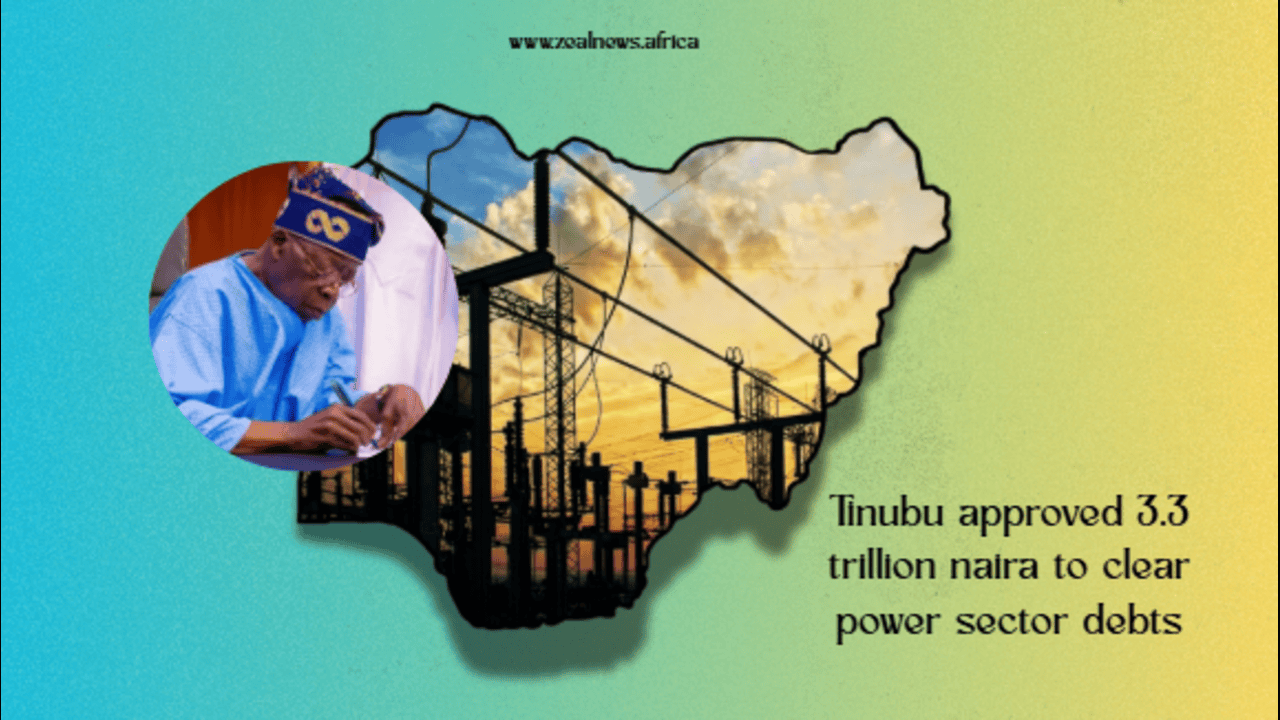
Tinubu just approved a ₦3.3 trillion power plan to clear power-sector debts, but will ordinary Nigerians finally see the light?
That question is both figurative and literal, because for decades, electricity in Nigeria has existed more as a promise than a guarantee.
Governments have announced reforms, unveiled recovery plans, and approved interventions, yet millions of Nigerians still live with erratic power supply.
Now, President Bola Tinubu’s approval of a ₦3.3 trillion payment plan to settle power sector debts is being presented as another turning point.
But the bigger question remains: will this finally end Nigeria’s electricity crisis, or is it another policy that looks strong on paper but falls short in reality?
The federal government says the intervention, approved under the Presidential Power Sector Financial Reforms Programme, is designed to clear legacy debts accumulated between February 2015 and March 2025.
According to The Nation, 15 power generation companies have already signed settlement agreements worth ₦2.3 trillion, while ₦501 billion has been raised so far, with ₦223 billion already disbursed.
The logic behind the move is pretty simple. If generation companies are paid, they can pay gas suppliers.
If gas suppliers are paid, power plants can operate more efficiently. And if plants run efficiently, the electricity supply should improve.
On paper, the chain appears convincing. In practice, however, Nigeria’s electricity crisis has never been caused by just one problem.
A Financial Fix for a Structural Problem?
Nigeria’s electricity challenges run deeper than unpaid debts. While liquidity issues in the power sector are real, they are only one piece of a complicated puzzle.
The country continues to generate between 4,000 and 5,000 megawatts of electricity for a population of over 200 million people, a figure significantly lower than what comparable economies produce.
For perspective, South Africa generates over 40,000 megawatts for a population of around 60 million. Egypt produces more than 50,000 megawatts.
Even smaller economies generate significantly more power relative to their populations. Nigeria’s electricity shortage is therefore not just about money; it is about capacity, infrastructure, transmission, and distribution.
There is also the long-standing issue of DisCos (distribution companies) complaining about being owed by government agencies. Many government ministries, departments, and agencies reportedly owe billions in unpaid electricity bills, creating a financial imbalance across the value chain.
Clearing debts owed to generation companies without addressing payment discipline downstream may only shift the problem rather than solve it.
Then there is the recurring collapse of the national grid. Nigeria’s grid has suffered multiple collapses in recent years, plunging millions into darkness.
Even if generation improves, weak transmission infrastructure can still prevent power from reaching homes and businesses.
Without parallel investment in transmission and distribution, improved liquidity alone may not translate into consistent electricity.
Will Nigerians Actually Feel the Impact?
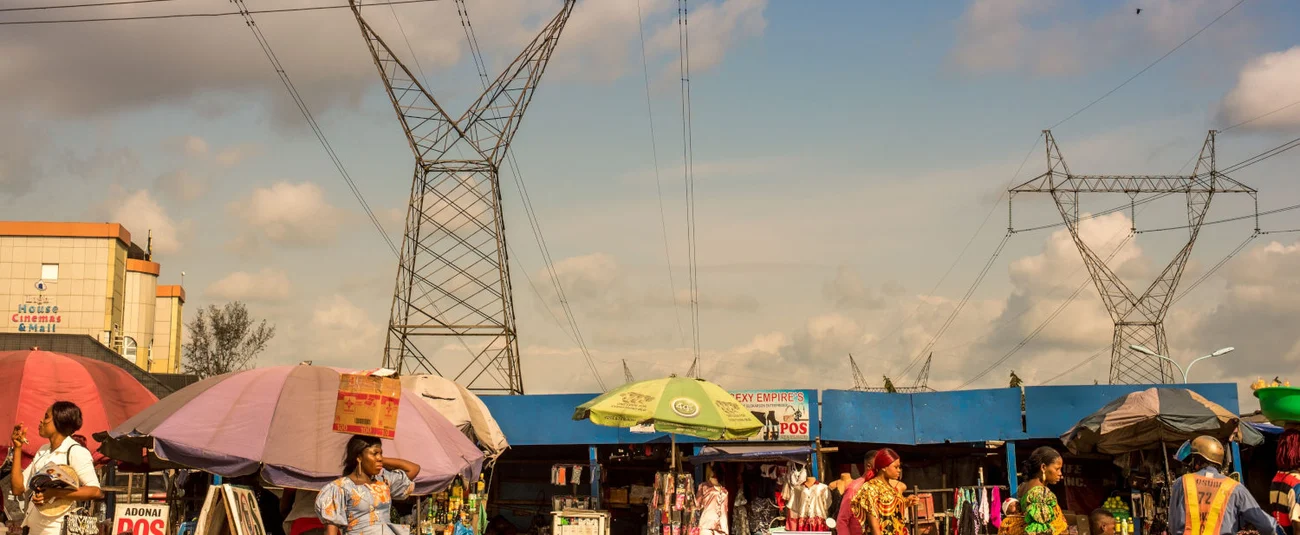

The federal government says the programme will restore investor confidence, improve liquidity, and stabilise supply.
It also noted plans to prioritise industries, businesses, and small enterprises. These are positive steps, but Nigerians have heard similar promises before.
The Nigeria Labour Congress has also raised concerns in the past, questioning large financial interventions in a sector that has struggled to improve output since privatisation.
Critics argue that throwing trillions into the sector without structural reforms risks repeating the same cycle of spending without results.
Beyond policy discussions, the real test lies in everyday experience.
Will the woman selling in Onitsha notice fewer power cuts? Will she stop relying on expensive fuel to keep her freezer running? Or will she continue adjusting her prices to cover rising generator costs?
What about the welder in Makurdi who plans his work around unpredictable power supply? Will this intervention give him stable electricity, or will he still depend on diesel generators that eat into his profits?
These questions reflect the everyday reality of Nigeria’s electricity crisis. While policy announcements often focus on billions of naira and sector-wide reforms, ordinary Nigerians measure progress in hours of available electricity.
Tinubu’s ₦3.3 trillion intervention may improve liquidity and restore some confidence in the sector. But whether it will end Nigeria’s electricity crisis depends on deeper structural reforms, improved infrastructure, and consistent policy execution.
Until then, many Nigerians may continue to wait, hoping that this time, the light at the end of the tunnel is not another blackout.