This Health App Didn’t Disappear, But the System It Built Just Did
M-TIBA didn’t shut down entirely, but the My Health Funds wallet did, leaving millions without a trusted way to save for healthcare and exposing a deeper gap in Africa’s health-tech systems.
WhenM-TIBA launched in Kenya in 2015, it was solving a problem that most health-tech startups don't even try to touch.
It started My Health Funds wallet and that did something useful and simple. It let users set aside money that could only be spent on healthcare. It is strictly for medical use across a network of providers.
Employers could contribute. Donors could fund it. Individuals could build it up slowly, knowing it would be there when they needed it.
For millions of people navigating Africa's healthcare gap, this innovative idea is the difference between accessing care and putting it off until things get worse.
M-TIBA offered a system for people who had been locked out of every other system.
How the Exit Played Out
On March 3, users got an SMS. The My Health Funds wallet was being discontinued.
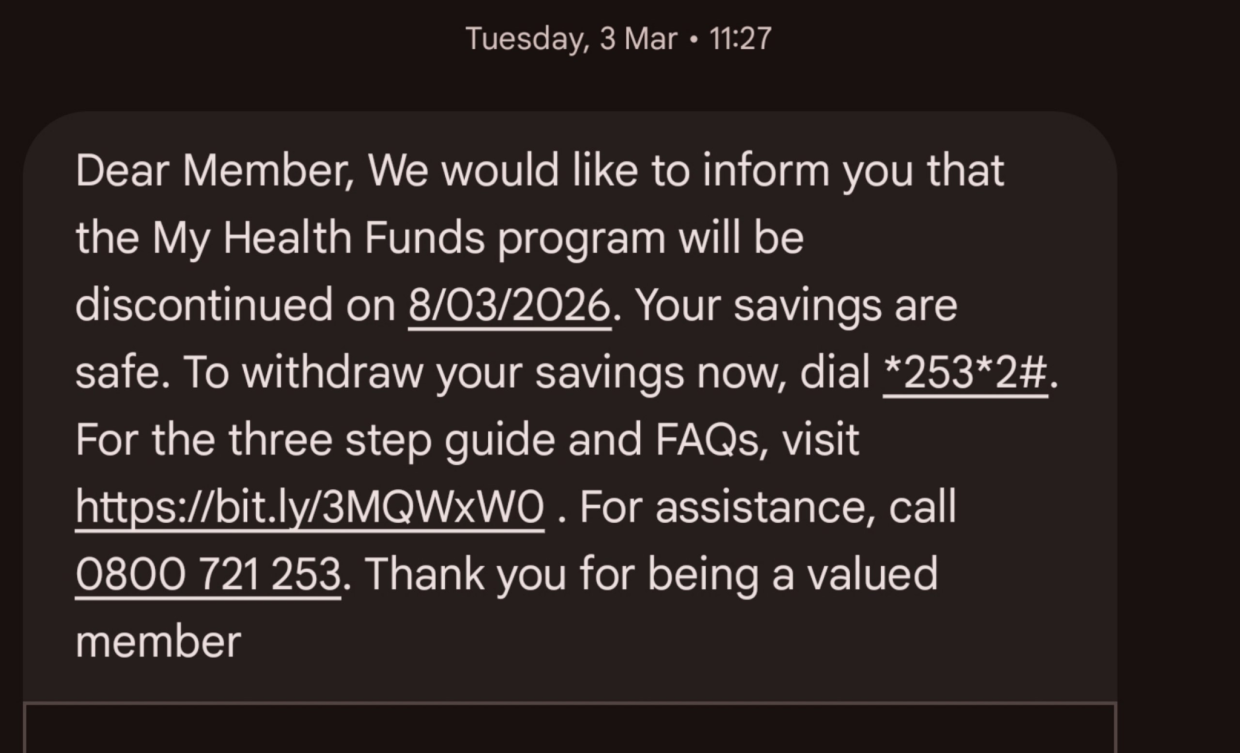
They had until March 8, five days, to withdraw their balances via USSD or wait for an automatic M-PESA refund.
Then came April 8, and money started appearing in people's M-PESA wallets without anyone asking for it.
Five users confirmed to TechCabal that they had received their funds.
For those whose verification details couldn't be confirmed, their balances are being routed to Kenya's Unclaimed Financial Assets Authority, the government body that holds onto money until the rightful owners show up to claim it.
M-TIBA stated on its website, it said the wallet was closing because the company was "evolving to better serve" users.
There was no explanation of what went wrong or what comes next.
The Pivot and Who It Cuts Out
Carepay is moving towards insurance management. It is building a business model built around insurers and institutional partners, not individual savers putting away small amounts every week.
From a business perspective, that pivot makes a certain kind of sense. Insurance management is more scalable, more predictable, easier to monetise at volume.
However, it is important to note that the people who were using the My Health Funds wallet weren't using it for fun. They were using it because they couldn't afford insurance.
That reality hasn't changed because M-TIBA decided to change its model. CarePay has not named any alternatives for these users, offered any transition support, or acknowledged that a gap is being left behind.
The underinsured Kenyan who was quietly saving for a hospital visit now has their money back and no structure to save it in.
A Pattern, Not a One-Off
M-TIBA is not an isolated story. Across the continent, health-tech startups have built what essentially functions as informal public infrastructure like savings rails, care access networks, community health systems, and then shut it down or pivoted away when the economics stopped working.

The people who depend most on these tools are always the least prepared to absorb the loss.
What makes the M-TIBA case sharper is the silence around it. In 2025, the platform suffered a cyberattackthat exposed user health data.
CarePay has not said whether that breach played any role in the decision to wind down the wallet.
It says it will delete personal data once accounts are closed, per its privacy policy. Whether that is reassuring or not depends on how much trust you had left.
The System Was the Point
The wallet can be shut down in a week. The system it represented — the habit of saving for healthcare, the trust that the money would be safe, the belief that a platform built for you wouldn't simply decide you were no longer worth building for — that takes years to build and one SMS to dismantle.
When health infrastructure fails quietly, with no accountability and no alternatives, the cost shows up later, in the people who couldn't pay for care they should have been able to plan for.
That is exactly what matters most.