The Yorubas Were Also Enslaved by Other Yorubas: What Happened During the Wars?
Yoruba people were also captured and enslaved by other Yoruba during the 19th-century civil wars. From Owu to Kiriji, here is how war reshaped Yorubaland.
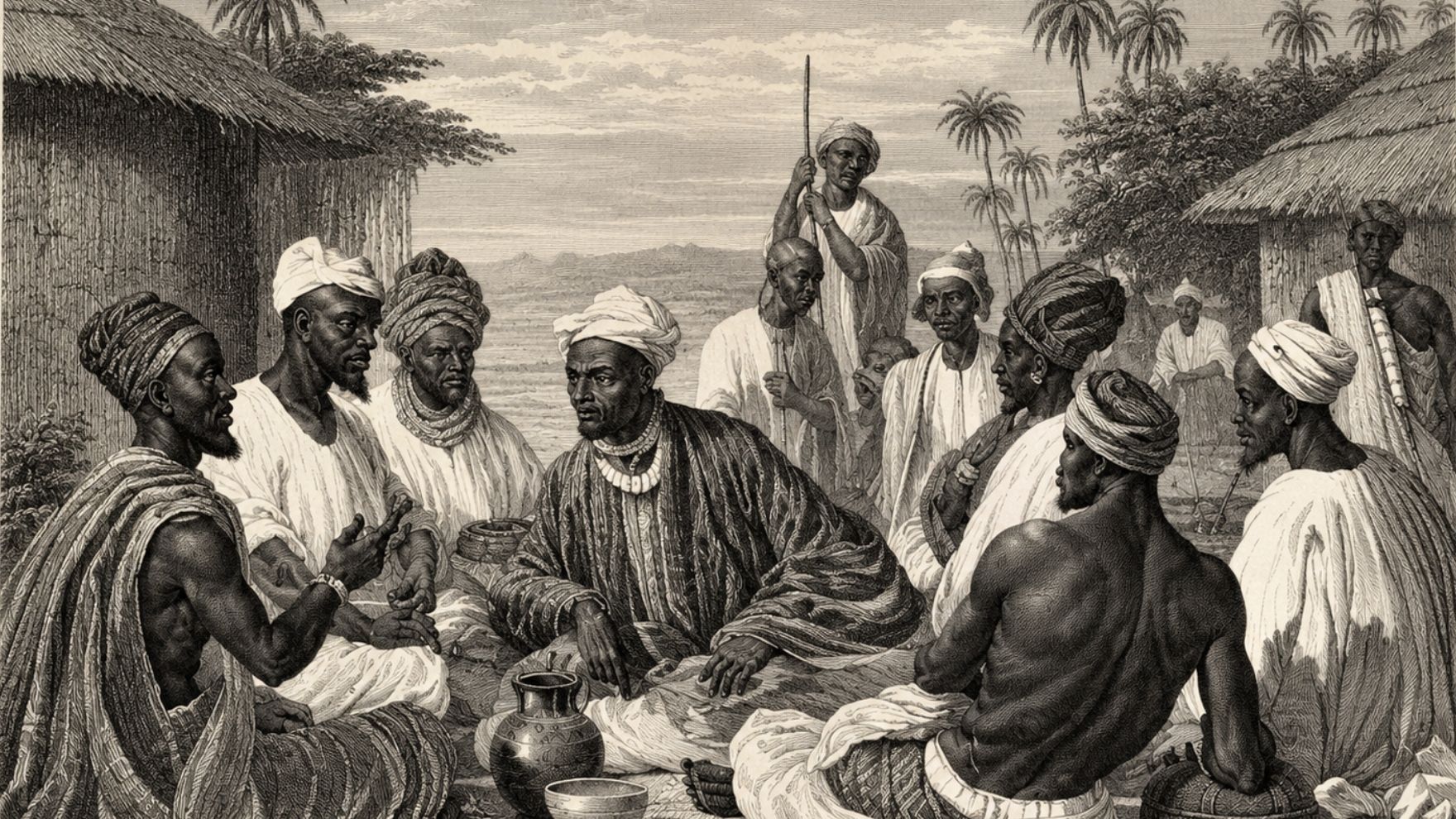
Before the transatlantic slave trade reached its peak numbers out of the Bight of Benin, a different kind of war economy was taking place inside Yorubaland itself.
Yoruba soldiers captured, sold, and enslaved other Yoruba people, sometimes from neighbouring towns.
This is the part of Yoruba history that explains why cities like Abeokuta exist, why old towns like Owu vanished from the map, and why so much of Yorubaland's 19th century was defined by displacement.
The Owu War Set the Pattern for Everything After
The Owu War broke out around 1817 to 1821 and it is widely treated as the opening chapter of the Yoruba civil wars.
Owu, an old and powerful kingdom, went to war with Ife over a trade dispute, and the conflict pulled in the Ijebu and waves of refugees fleeing the collapsing Oyo Empire.
When the allied forces eventually destroyed Owu, they also captured its people.
Owu men, women, and children were sold into slavery by fellow Yoruba fighters, and the town itself was wiped off the map for years.
Survivors scattered into the forests, and many of them would later come out as refugees inside Abeokuta, still carrying the identity of a kingdom that had ceased to exist.
How the Egba Ended Up Hiding Under Olumo Rock
The Egba people were not the aggressors in the Owu War, but they paid a price anyway.
As Oyo's central authority disintegrated, the Egba found themselves caught between accusations from both sides, blamed for secretly aiding whichever army was currently losing.
Between roughly 1825 and 1830, Egba towns were raided, burned and emptied by other Yoruba forces, and the people were forced into flight with no single army to blame and no safe direction to run.
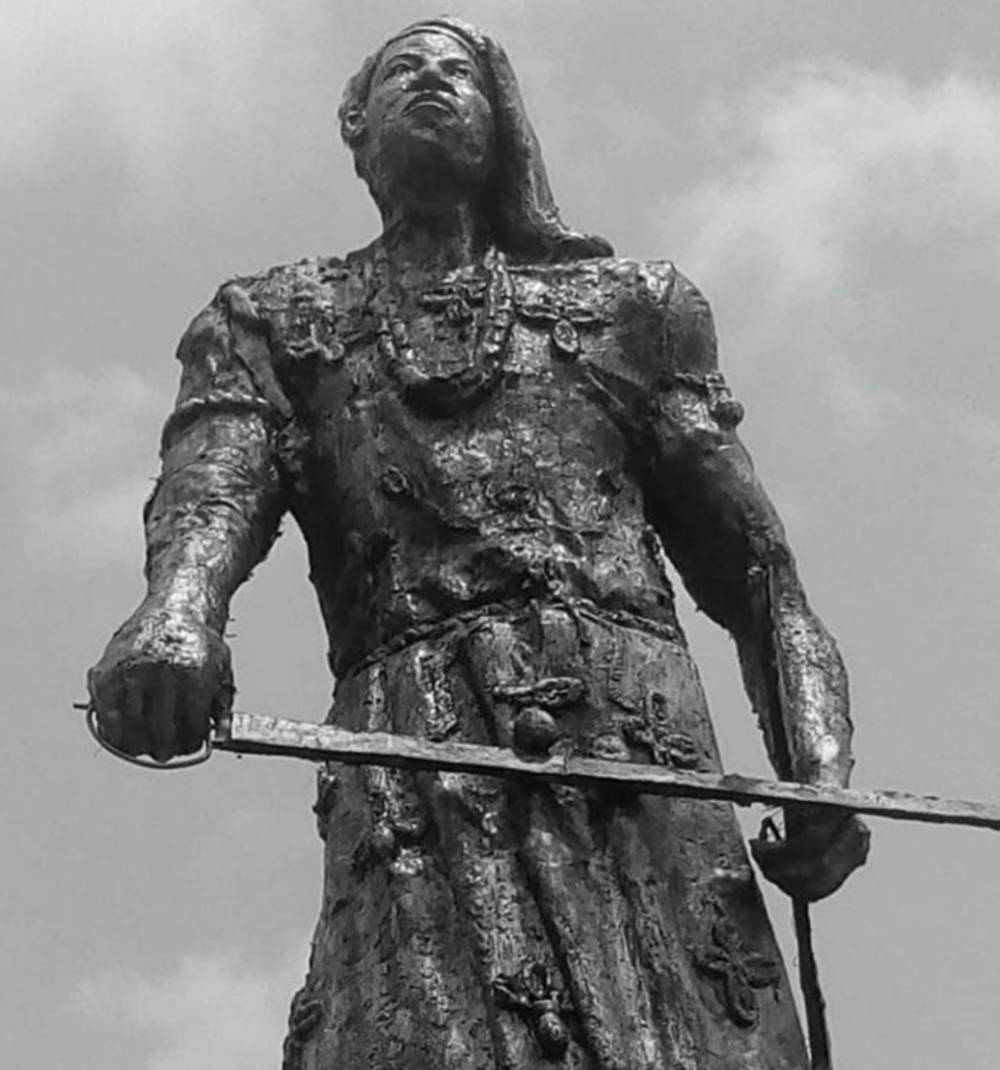
It was in this chaos that a leader named Sodeke gathered the scattered Egba communities and led them toward a cluster of granite outcrops known as Olumo Rock.
History
Rewind the Stories that Made Africa, Africa
A Journey Through Time, Narrated with Insight.
The rock's natural caves, ledges, and crevices gave the Egba a defensible hiding place from slave raiders, including forces from Dahomey who were exploiting the disorder to capture Yoruba people for the coastal slave markets.
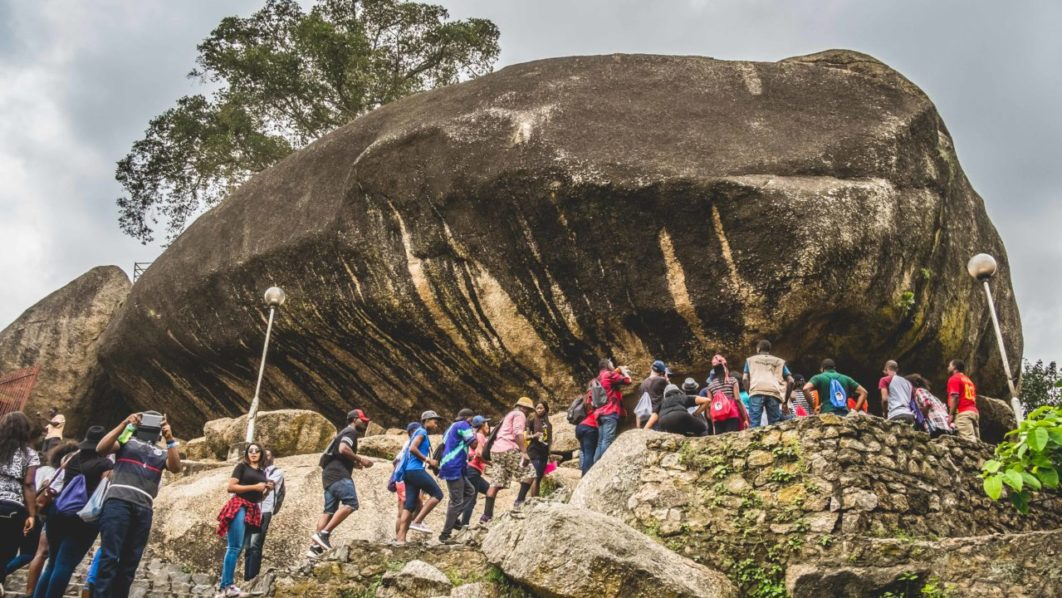
The settlement that grew at the foot of that rock became Abeokuta, which translates to "under the rock."
Abeokuta's founding story is a direct product of Yoruba people enslaving and displacing other Yoruba people, and the city's name is a permanent record of that history.
Owu refugees, Egba refugees, and other displaced groups eventually merged into the town, which is why Abeokuta functioned like a federation of survivor camps that agreed to share a wall.
Ibadan, Ilorin, and the Business of Capturing Yoruba People

As Oyo's power collapsed further, Ibadan rose as a militarised warrior state that lived off conquest.
Ibadan's armies fought Ilorin repeatedly through the 1830s. The Battle of Osogbo around 1838 stopped Ilorin's advance into Yoruba heartland but redirected its slave raiding toward Igbomina and Ekiti communities instead.
These were still Yoruba-speaking peoples. Captives taken in these campaigns were absorbed as domestic slaves, ransomed back to their families, or marched to the coast and sold into the Atlantic trade.
Yoruba military and political culture at the time drew a hard line between "insiders," who deserved protection, and "outsiders," who could be legitimately enslaved, and that line shifted constantly depending on which town you belonged to and which army currently controlled your road.
The Ijaye War and the Fall of Kurunmi
The Ijaye War of the early 1860s pitted Ibadan against Ijaye, a rival Yoruba power built by the warlord, Kurunmi.
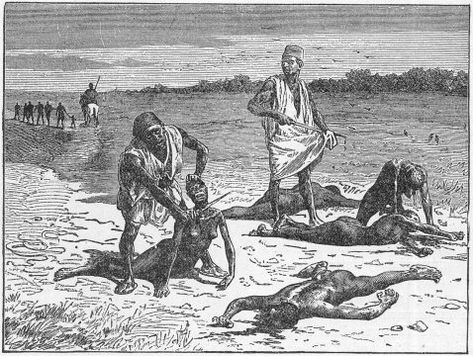
When Ijaye eventually fell, its population was scattered and absorbed elsewhere, with many taken as war captives in the same pattern that had already consumed Owu decades earlier.
Kurunmi's death effectively ended Ijaye as an independent force, and the war reinforced how thoroughly Yoruba towns had become targets for each other rather than allies against outside threats.
History
Rewind the Stories that Made Africa, Africa
A Journey Through Time, Narrated with Insight.
The Kiriji War
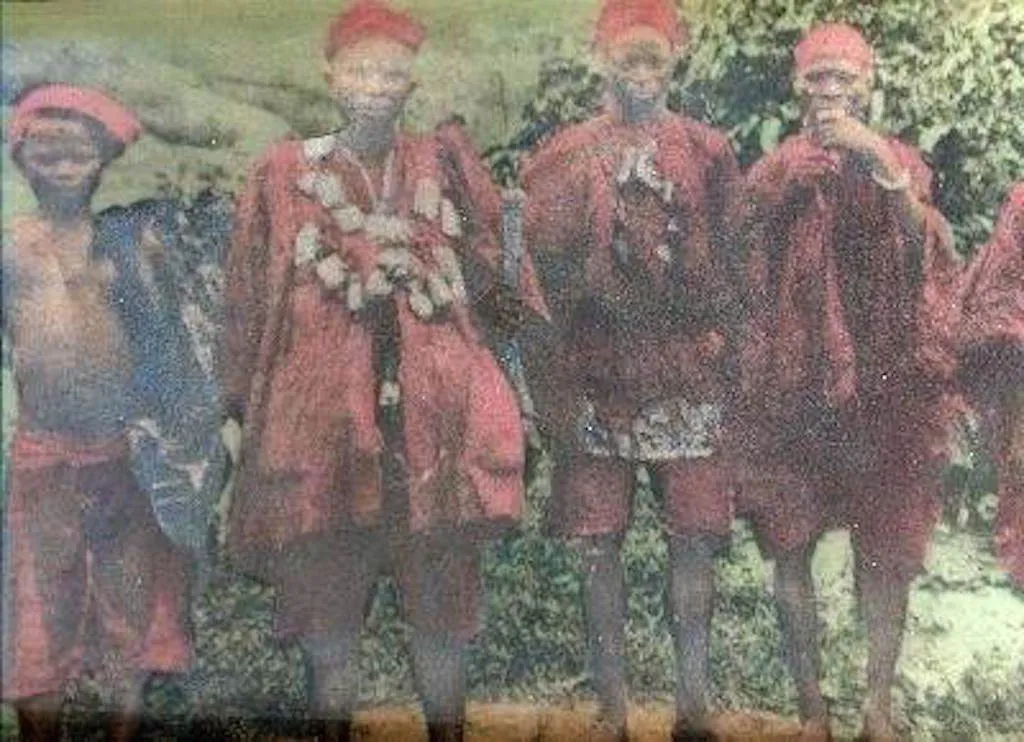
By the 1870s, an alliance of Ekiti and Ijesa forces, known as theEkiti Parapo, took up arms against Ibadan's dominance in what became the Kiriji War. This is one of the longest conflicts in the region's history.
It dragged on for roughly sixteen years and only ended in 1886 through British-brokered mediation, by which point entire generations had grown up displaced, enslaved, or living behind war camps.
The exhaustion from Kiriji, layered on top of decades of Owu, Ijaye, Ibadan, and Egba conflicts, is a major reason Yorubaland was so vulnerable to British colonial pressure by the 1890s.
What This History Means Today
The pattern across all these wars is consistent. Yoruba armies enslaved Yoruba captives, sold them through Yoruba and Dahomean middlemen, and shipped many of them into the Atlantic trade alongside captives from other ethnic groups.
This does not erase the scale of European involvement in the slave trade, but it complicates the story people are often told, where enslavement is framed only as something done to Africans rather than also among them.
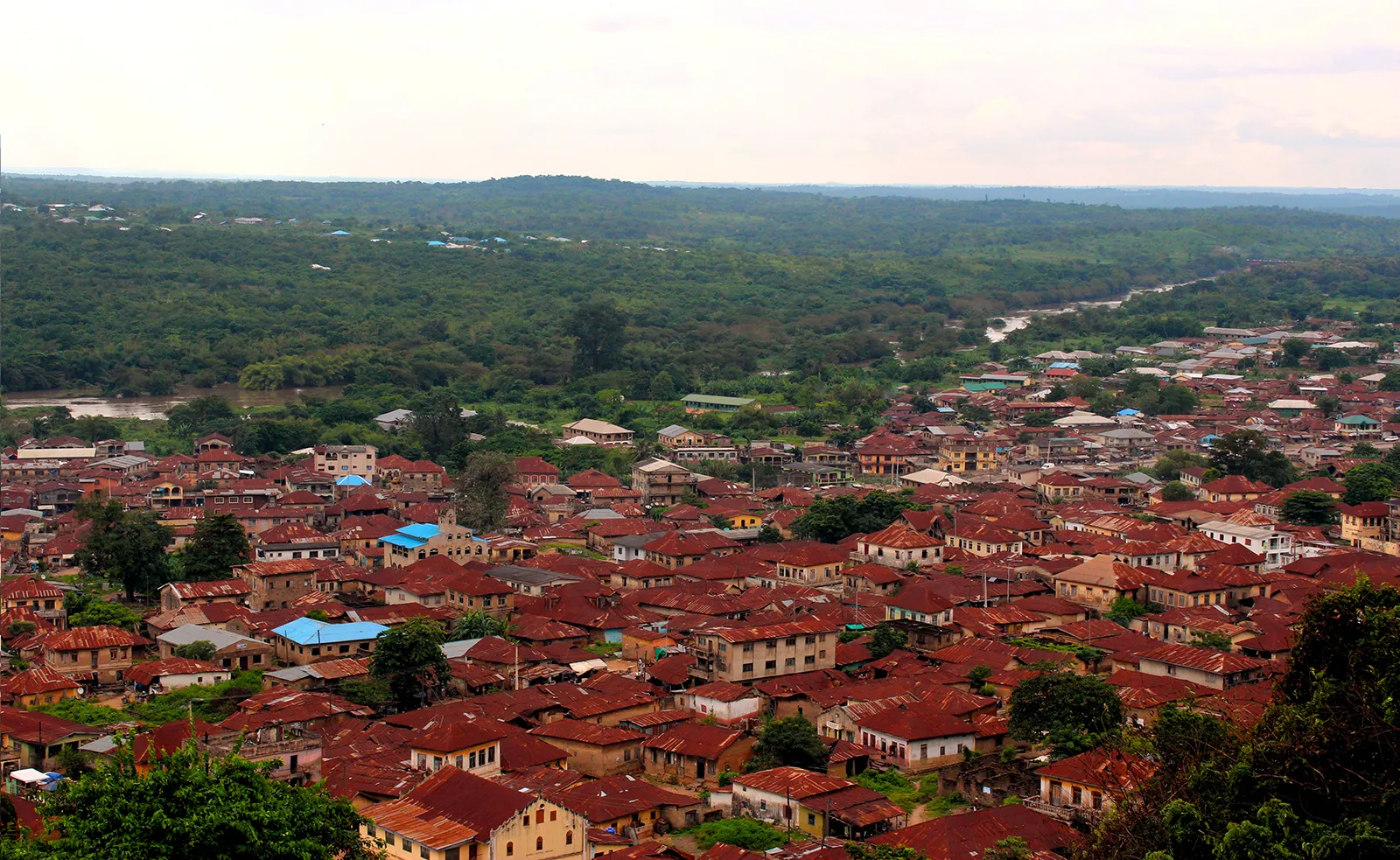
Abeokuta stands today as physical proof of that complexity, a city built by people hiding from other Yoruba people under a rock.