The US-Iran War Has Ended More Than Once. That's the Problem
The US-Iran war has been declared over multiple times, yet fighting keeps returning. Explore why repeated ceasefires fail, what the latest July 2026 truce means, and how the conflict affects fuel prices, shipping costs, and everyday life across Africa.
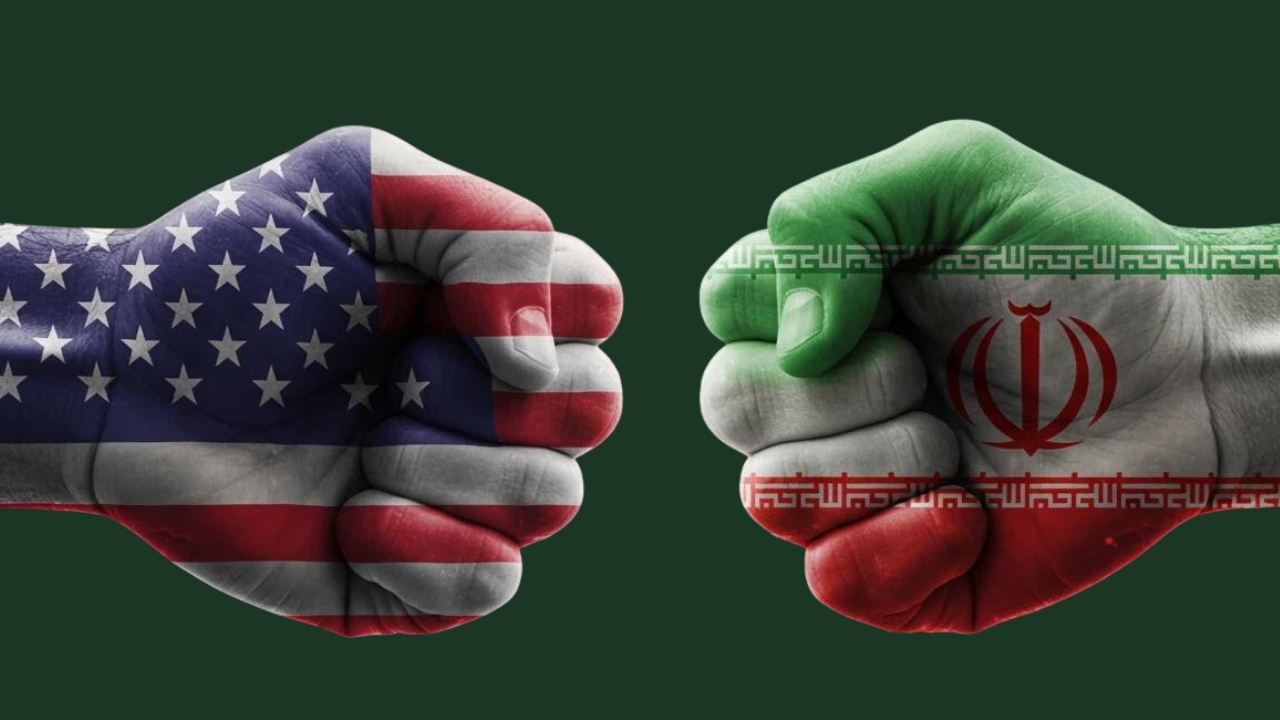
Three separate times since February, American and Iranian officials have stood in front of cameras and declared the fighting over. Three separate times and the declaration never held.
Roughly 111 days passed between the war's opening strike and the formal memorandum meant to end it, and barely a month after that memorandum was signed, bombs were being thrown again.
The latest pause, which began quietly on July 25 after thirteen straight nights of US airstrikes, is being treated by some outlets as a possible turning point. History says otherwise, and understanding why that matters goes far beyond Washington and Tehran.
A War That Keeps Restarting
The current conflict began on February 28, 2026, when the United States and Israel launched a coordinated strike that killed Iran's Supreme Leader, Ali Khamenei. Iran responded with hundreds of missiles and thousands of drones fired across the region, dragging Lebanon back into war with Israel and displacing more than a sixth of the Lebanese population.
After five weeks of open combat, Washington and Tehran agreed to a ceasefire on April 7 and 8. It was fragile from the start because it was violated repeatedly by both sides and was mostly held together by a naval blockade the US had imposed on Iranian ports.
In June, mediators announced a fourteen-point memorandum of understandingwhich was signed in mid-June and that reopened the Strait of Hormuz, lifted the blockade and dangled sanctions relief in exchange for Iranian restraint.
Within a month, Iran struck three commercial vessels that had bypassed its approved shipping route and the United States resumed bombing.
What the July 24 Truce Actually Means
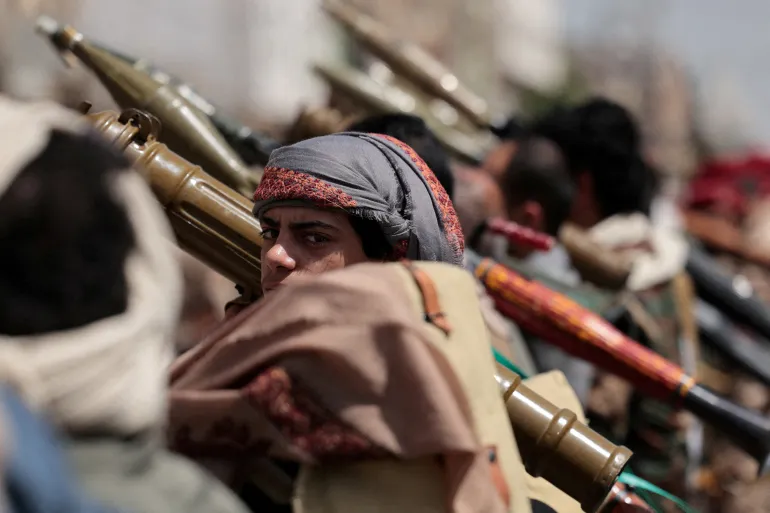
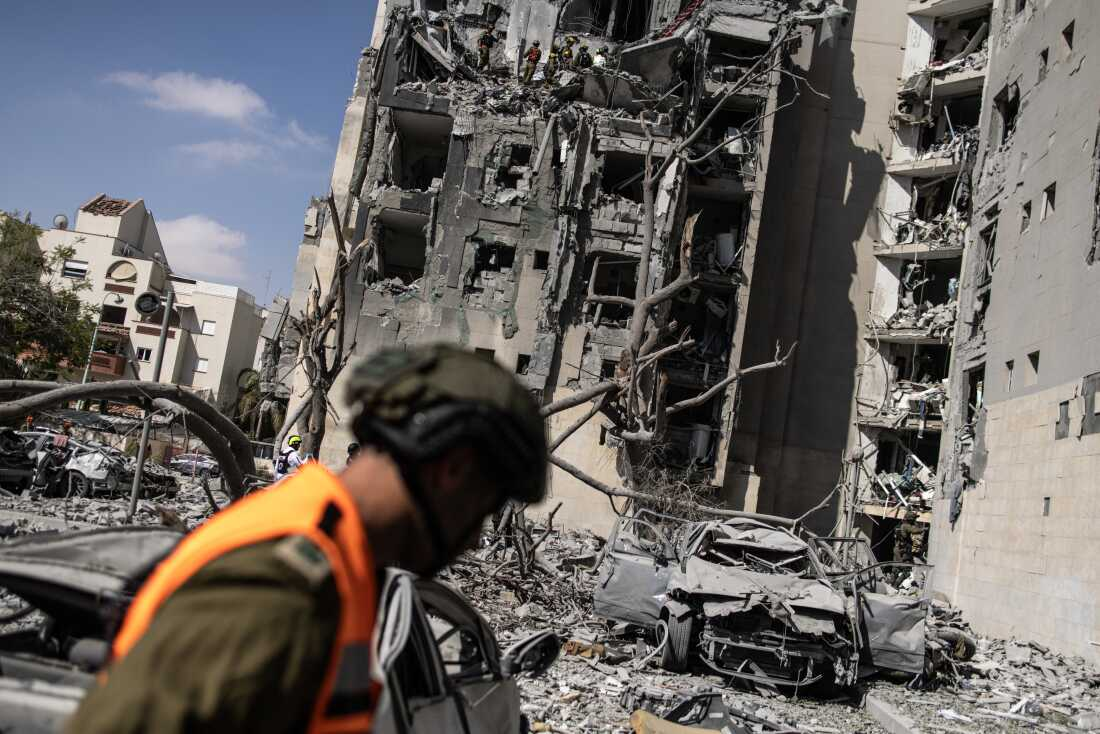
By July 23, US forces had carried out thirteen consecutive nights of strikes on Iranian command centers, drone facilities and coastal surveillance sites. Iran answered with missile and drone attacks on US linked targets in Kuwait, Bahrain, Jordan and Iraq, while Yemen's Houthi rebels widened the war further by striking Saudi shipping in the Red Sea.
This pushed Brent crude above $100 a barrel for the first time since May.
A US Senate vote to force an end to the strikes failed on July 23. Trump spent that week publicly weighing a "massive attack" while also insisting talks with Tehran were progressing.
Then, on July 25, the US military did not announce new strikes for the first time in two weeks. There was no treaty signed or any ceremony. The guns ceased, again, the same way they did in April and the same way they did in June.
There is a pattern and that is the real plot. Each pause has been announced with confidence and each has collapsed for the same underlying reasons.
Why the Ceasefires Keep Collapsing
Three unresolved issues keep dragging this war back to life.
First, Iran's nuclear and missile programs remain intact enough to worry Washington and Israel, and no agreement so far has produced verified dismantlement; they have been only pauses in enforcement.
Second, control of the Strait of Hormuz, through which roughly a fifth of the world's oil once moved, keeps becoming a bargaining chip that either side can weaponize whenever talks stall.
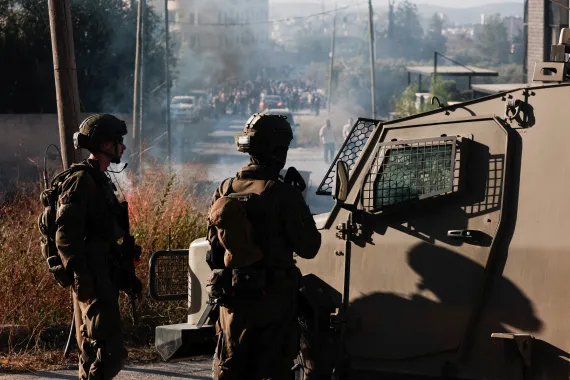
Third, the war in Lebanon was never cleanly separated from the war with Iran, so a flare-up in Beirut can still detonate a ceasefire negotiated in Islamabad or Washington.
In other words, the agreements have been ceasefires in name but tactical pauses in practice. This is useful for both governments to regroup, rearm and recalculate rather than genuinely end hostilities.
There is a domestic angle too. Trump has repeatedly framed each pause as a personal diplomatic win, which creates political pressure to declare victory early rather than hold out for terms that would actually stick.
Iran, weakened by sanctions, internal unrest, and the losses of its regional allies, has similarly used each pause to rebuild rather than to negotiate a lasting exit from the conflict.
Why This Should Matter to African Readers

This war is not a distant American or Middle Eastern story. Most countries on the Africa continent import refined petroleum products and fuel prices here move with global crude benchmarks.
When Brent crosses $100 a barrel because of Houthi attacks in the Red Sea or a blockade in the Gulf, the effect shows up days later at petrol stations, in transport fares and in the price of anything shipped by sea, which is most things.
The Strait of Hormuz and the Bab al-Mandeb Strait are both central to this conflict and also central to Africa's own trade routes, since goods moving between Asia, the Gulf and African ports often pass through or near these same chokepoints.
A prolonged war raises shipping insurance costs and freight delays that African importers absorb quietly.
What Comes Next
Nobody, including officials in Washington and Tehran, can say with confidence whether the current quiet will last a week, a month or collapse by the weekend.
What is clear is that a war this many months in, with this many broken truces behind it, has surpassed a Middle Eastern conflict anymore. It is a live, ongoing case study in how fragile ceasefires ripple outward, into oil markets, shipping lanes and household budgets far from the battlefield, including right here on the continent.