111 Days of Iran-US Conflict: The War Has Paused, But These 10 Issues Are Far From Over
After 111 days of conflict, Iran and the US have agreed to a temporary halt, but the crisis is far from over. From fuel prices and food shortages to migration and nuclear tensions, these 10 issues will continue affecting ordinary people worldwide.
On June 17, 2026, Donald Trump and President Masoud Pezeshkian signed a memorandum of understanding at the Palace of Versailles.
The document, made possible through months of Pakistani mediation, formally halted what the IEA has called the largest oil supply disruption in the history of global energy markets. Shipping traffic through the Strait of Hormuz is trickling back.
The blockades, on both sides, have been lifted. However, it is a MOU, a memorandum of understanding and not a peace agreement. It buys 60 days to negotiate the real issues and those issues are not abstract geopolitical issues on paper.
They are issues affecting the ordinary person across all continents and even at the extreme end of the world.
Here are the ten that will outlast the ceasefire.
1. The Global Fuel Price Shock Has Not Reversed and Import-Dependent Nations Are Stuck With It
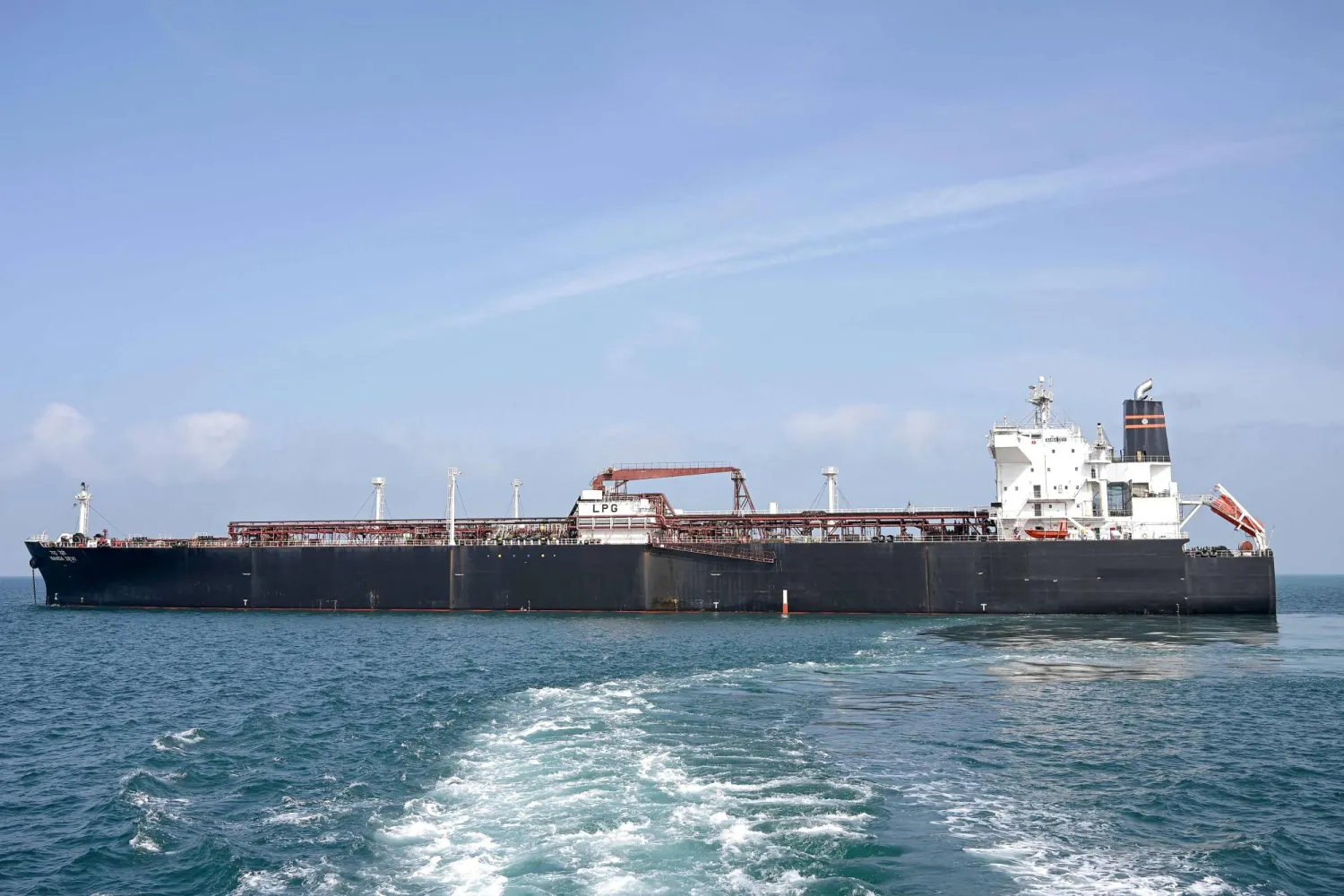
When the Strait closed, energy markets worldwide shook but countries least equipped absorbed the most impact of the blow. Across Africa, fuel prices surged 15% to 40%. Ethiopia saw a 50% spike; Tanzania a 30% hike; Kenya's public transport fares rose roughly 25%, hitting low-income commuters hardest.
Nigeria's nearly 50% surge forced IRC-supported clinics to scale back generator use and mobile health coverage. In Somalia, petrol nearly quadrupled, from $0.65 to over $1.15 per litre.
A signed MOU does not lower prices already embedded in economies with no alternative supply routes.
2. The Global Fertilizer Crisis Will Define the 2027 Harvest
Roughly 30% of internationally traded fertilizers transit the Strait and the closure hit during planting season. Fertilizer prices in Kenya and Ethiopia nearly doubled from roughly $480 to over $720 per tonne in a month.
Farmers in Sudan, Somalia, Tanzania and Mozambique, already among the world's lowest fertilizer users, were priced entirely out of the market.
Ethiopia, which imports 1.5 to 2 million tonnes annually, faces a deficit analysts warn will peak in 2027. The FAO warns insufficient inputs this cycle will suppress yields into 2027.
The WFP projects 45 million additional people could be pushed into acute hunger by mid-2026.
3. Global Humanitarian Supply Chains Broke Down and Africa's Most Vulnerable Paid the Price
The Strait's closure did not only raise prices of goods, it also physically froze critical supplies.The IRC reported $130,000 worth of pharmaceutical supplies for Sudan, enough for 20,000 people, stranded in Dubai.
In Somalia, 668 boxes of ready-to-use therapeutic food that could save over 1,000 malnourished children were stuck in India. Nigeria's IRC clinics faced scaling back services as generator fuel became unaffordable.
IRC operational costs in Somalia rose by up to 30%. These are the direct costs of a Gulf war absorbed by those least able to bear them.

4. Remittances From the Gulf Are Drying Up and Developing Countries Built Their Economies Around Them
Workers in Gulf states send home $88 billion in remittances annually. For Africa, those flows are survival infrastructure. Over 3.6 million Africans work in Gulf states, and Kenya alone saw one of its sharpest monthly remittance dropsin years by March 2026, with up to $40 million at monthly risk.
The UNDP projects the conflict increased Middle East unemployment by up to 4%, disproportionately affecting African migrant workers who have no social safety net. Gulf states, which lost $15 billion in energy revenues, are also pulling back investment in Africa.
5. Economies Absorbing Multiple Simultaneous Shocks Are the Most Exposed — Egypt Is the Case Study
Some countries faced four crises at once. Egypt entered 2026 as the world's largest wheat importer, simultaneously absorbing higher energy import costs, a 60% drop in Suez Canal revenues as shipping rerouted via the Cape of Good Hope, reduced Gulf remittances and declining tourism.
Tunisia's debt dynamics are worsening, raising the probability of currency depreciation and subsidy cuts that will fall on ordinary households. Egypt's external financing gap, already tens of billions annually, has widened further.

Those cuts will land on ordinary people long after the MOU signing.
6. Iran's Unverified Nuclear Programme Means the Fundamental Risk Hasn't Gone Anywhere
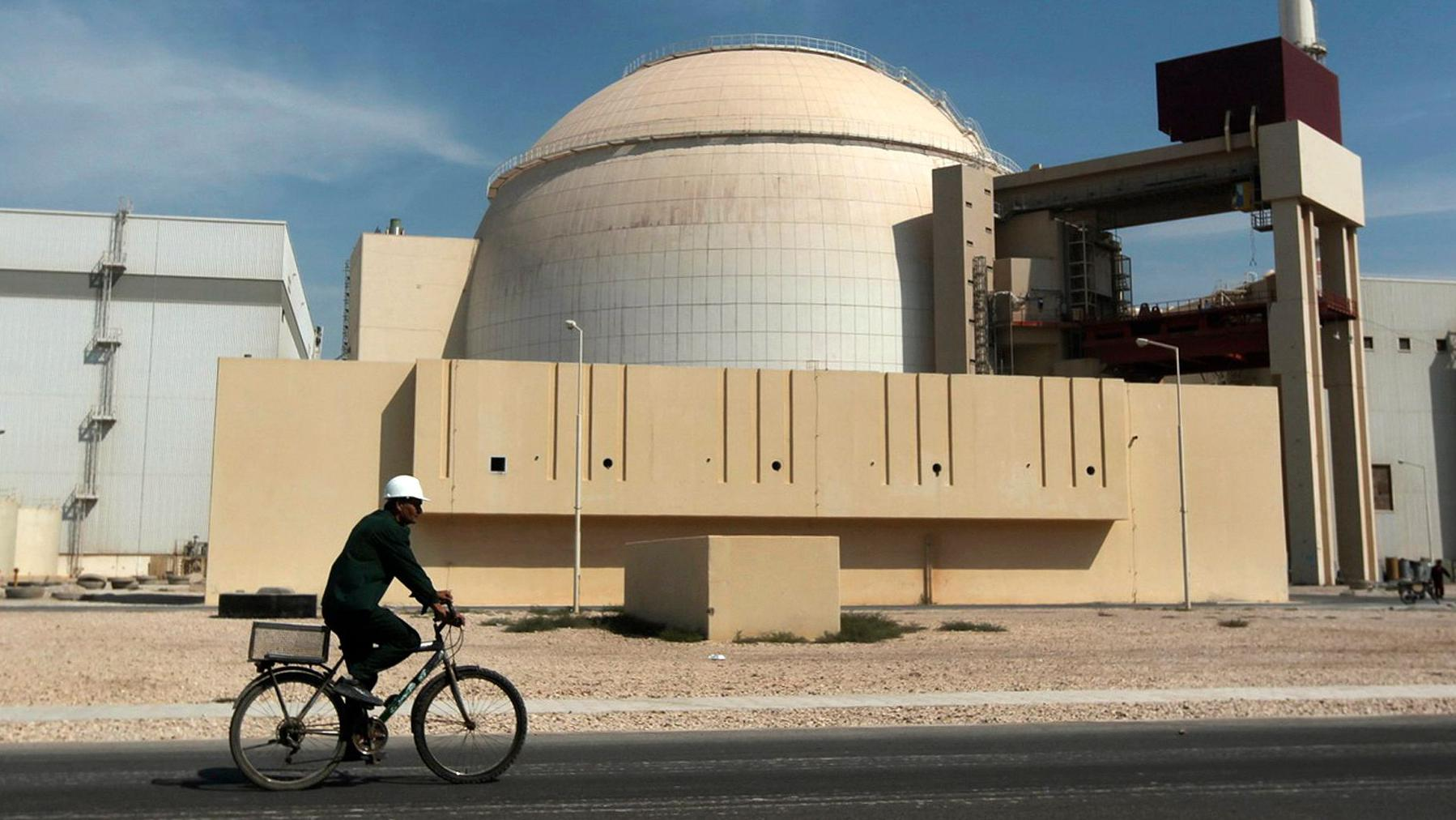
The MOU opens a 60-day window to resolve what the war was nominally built around: Iran's nuclear programme. The IAEA has been unable to inspect Iranian nuclear sites since the June 2025 Twelve-Day War.
IAEA Director General Rafael Grossi stated any agreement without inspection provisions is "an illusion of an agreement." Iran must surrender approximately 440 kg of enriched uranium under the deal.
If this framework collapses, as four prior ceasefire arrangements in this conflict threatened to do, fuel rationing returns to Asia, humanitarian supply chains freeze again and African economies absorb another round of shocks they did not cause.
7. Millions of Displaced Iranians and Lebanese Have Nowhere to Return To and That Instability Is Global
The UN Refugee Agency estimated 3.2 million Iranians were internally displaced by early April, with nearly 149,000 housing units damaged. In Lebanon, over one million civilians fled south as Israel resumed full-scale operations against Hezbollah.
Israeli Defence Minister, Israel Katz, announced a permanent buffer zone up to the Litani River, blocking the return of hundreds of thousands of Lebanese regardless of ceasefire.
As of June 20, Israeli strikes in Lebanon had killed more than 4,000 people. Displacement at this scale generates refugee flows, aid competition and regional instability whose pressure extends into Africa's northeast and the broader Mediterranean.
8. Shipping Insurance and Maritime Normalisation Will Take Months and Every Global South Port Will Feel It
Despite Trump declaring the Strait open, 327 vessels were still anchored in mid-June because maritime insurance remained suspended.
Experts estimate three to four months for traffic to normalise. Rerouting via the Cape of Good Hope added thousands of nautical miles to delivery timelines, raising the cost of everything arriving at African ports.
A $3,000 risk surcharge on 40-foot containers destined for Yemen cascaded across import-dependent economies throughout Africa and South Asia. Commercial confidence does not recover on the day a memo is signed.
9. The Global Food Price Shock Will Run Into 2027 and the Global South Will Bear the Brunt
Qatar's Ras Laffan LNG complex was struck on March 18, reducing the country's LNG production capacity by 17%, with repairs estimated at three to five years.
The World Bank reported urea prices surged nearly 46% between February and March 2026. FAO warns that insufficient inputs this planting cycle will lower output into 2027.
For the Sahel, the Horn of Africa and Southern Africa, where famine conditions were already consolidating before February 28, this is not an abstraction. It is the next harvest.
10. This War Has Exposed Every Developing Nation's Structural Vulnerability and No MOU Addresses It
The deepest issue no negotiating document can resolve is Africa's dependence on Gulf energy, fertilizer through a 34-kilometre strait and remittances from migrants in conflict zones, was not created by this war. It was exposed by it.
The Dangote refinery's pivot to supply Côte d'Ivoire, Cameroon, Tanzania, Ghana and Togo is a blueprint. No 60-day MOU builds the system.
The war has paused. The crisis lives on in the commodities and life routines of the ordinary man, long after the cameras leave Versailles.