The Soft Music Backlash: What’s Really Behind the Hate for Artists Like FOLA
The backlash against FOLA’s soft love songs sparks a debate about Nigerian music, toxic masculinity, misogyny and changing ideas of manhood.
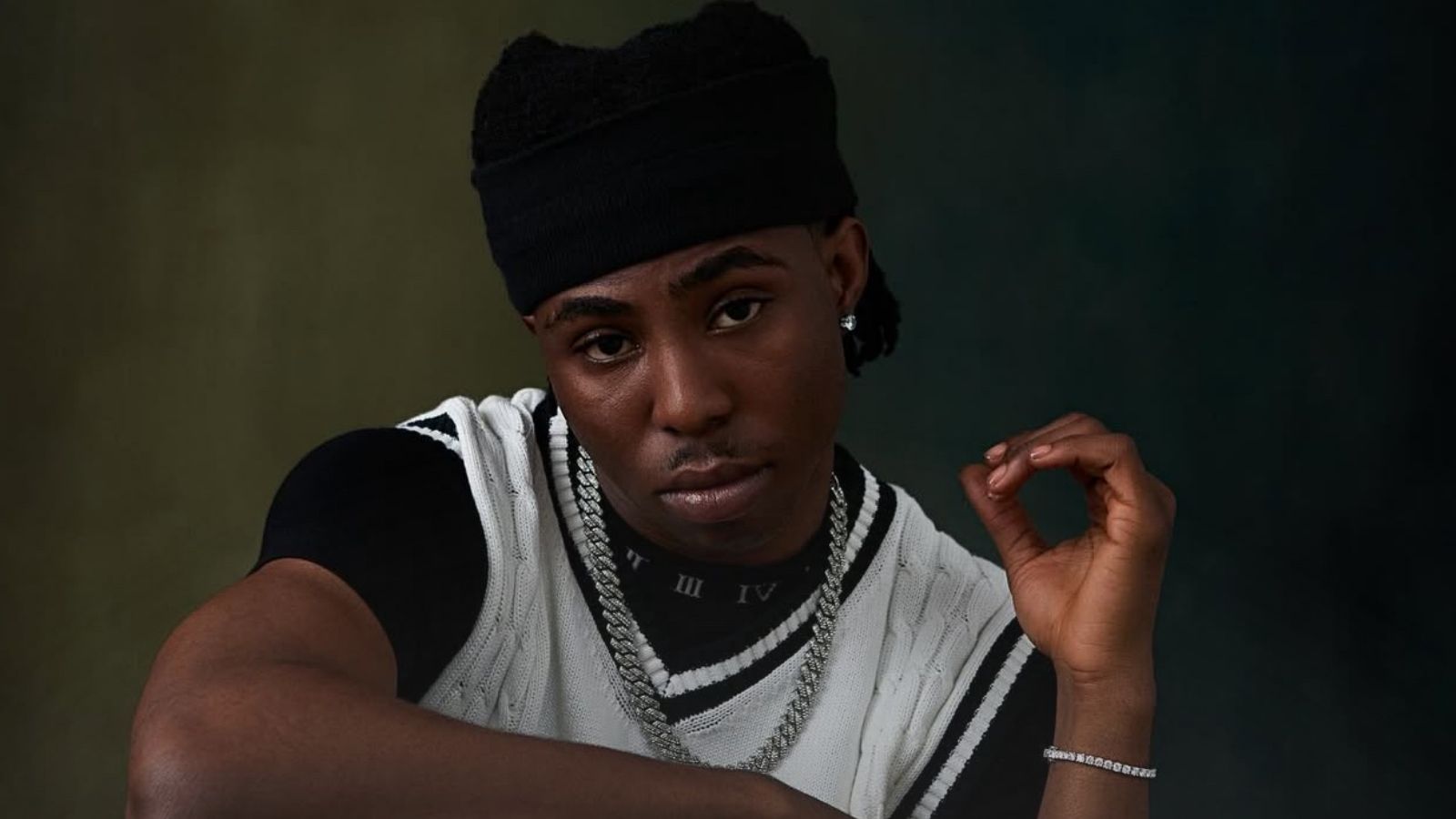
Days after FOLA released his album, 9, on October 9, 2026, an argument started on Nigerian TikTok and X. Some male users began mocking his love songs as repetitive, implying it was too soft and not “hard” enough.
The posts spread quickly, and so did the replies defending him. This discourse says a lot about how masculinity, music and women are talked about in Nigeria.
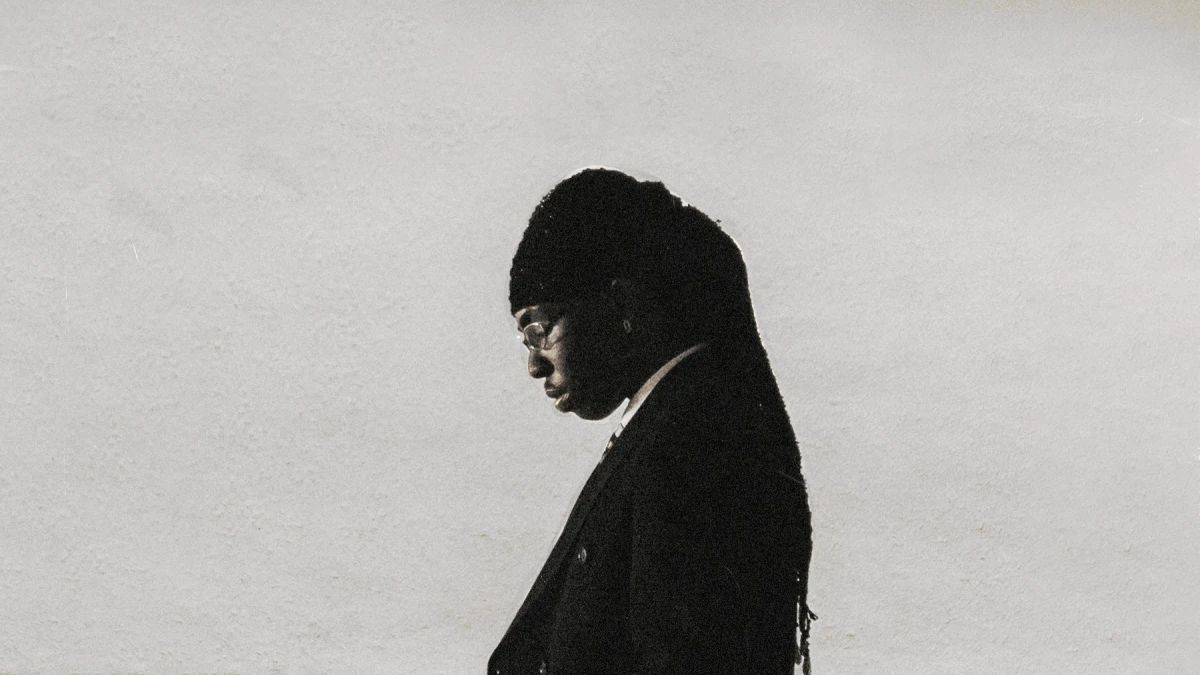
Why FOLA Is Getting Backlash Right Now
FOLA is not a small artist. He broke through in 2024 with “Alone,” signed to Dangbana Republik that October. That track was followed with a debut album, Catharsis, that recorded the highest first-week streams for a debut project on Spotify Nigeria.
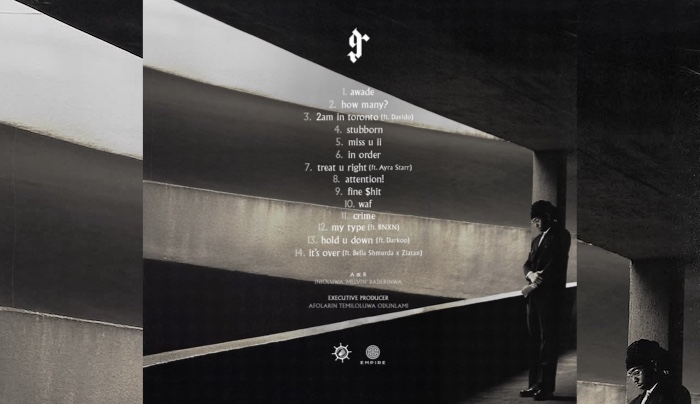
He has topped Nigerian charts more than once, including with “Paparazzi” alongside Shoday in January 2026. Most recently, he appeared on Davido’s album Oriadé.
That success is the context for the criticism. Critics argue his songs lean on the same tender formula: romantic lyrics, warm vocals and melodic hooks about devotion.
Some of the commentary is about sound. A lot of it is about whether a man singing this openly is “man enough.”

The Soft Love Song Formula, Explained
Soft love songs in Afrobeats and Afro-pop centre vulnerability. The singer pleads, admits feelings and sometimes accepts being hurt. This is a long tradition in Nigerian music.
FOLA’s style, often described as emotional and introspective with a fuji edge, sits inside this category.
Repetition is a fair critique in any genre, and many listeners say the same about trending sounds generally. But in this case, the loudest complaints are about tone, and specifically about softness.
What Nigerian Men Mean by “Hard” Music
In many online spaces, “hard” music describes street-pop and drill records built on money, status and conquest. Those records often present women as prizes, props or proof of a man’s success.
When softness is positioned as a weakness, the unspoken standard is that a real man performs dominance.

That standard has deep roots. Many Nigerian boys grow up hearing that crying, apologising and openly loving a woman signal weakness. Emotional restraint is treated as proof of manhood.
Against that background, a male artist who sings plainly about wanting one woman can be read as a threat to a script some listeners were taught to follow.
Masculinity, Misogyny and the Sexualisation of Women in Music
This conversation also links to misogyny. Researchers who study gender and popular culture often note that when masculinity is defined by control, women’s bodies and loyalty tend to be treated as measures of a man’s status.
In music, this shows up in lyrics that reduce women to body parts, rank them by desirability or frame them as interchangeable.
Nigerian music is not unique in this, and not every hard record does it. But the pattern is common enough that listeners, writers and feminist commentators have flagged it repeatedly.
The point is not to make one genre, virtuous, and the other, villainous. It is that the idea of masculinity attached to “hard” often depends on lowering women in order to elevate men.
If so, the backlash against soft music is partly a defence of that arrangement. A man who sings tenderly about a woman does not fit a framework where women are conquests.

Crab Mentality, Female Support and the Algorithm
The misogyny explanation is not everyone’s point of view. Many fans and neutral observers see it as an ordinary crab mentality, the pull-down culture that follows any artist at a commercial peak.
By that reading, FOLA is being criticised because he is winning, and the “not masculine enough” angle is just the easiest stick available.
There is also a visible dynamic in which male scepticism pushes female listeners to defend the artist more loudly.
Women are a large part of the audience for romantic Afrobeats, and the argument tends to boost engagement for the song being attacked. TikTok’s algorithm rewards conflict, so each negative video becomes a free promotion cycle.
What the FOLA Debate Says About Nigerian Music Culture
This moment is more about who gets to define masculinity in Nigerian pop culture. Hard and soft records can coexist, but the language used to rank them matters.
When softness is treated as shameful, the idea that men should hide emotion is reinforced, and the sexualisation and degradation of women in music is easier to wave away as simply “how real men talk.”
Some observers see the soft music backlash as a sign that this standard is being challenged, which is exactly why it draws so much heat. Others see it as the usual noise that follows any popular act. The two readings are not mutually exclusive.
Conclusion
The criticism of FOLA may be crab mentality, genuine taste differences or a reaction to a changing definition of manhood. Most likely it is some mix of all three.
However, it is clear that the debate extends well beyond one singer and one album, and it keeps pointing back to the same question: what do Nigerian audiences expect men to be, and what do they expect women to be in the songs men make?