The Problem With Self-Help Books: Wisdom Cannot Be Packaged
Self-help books promise transformation but rarely deliver it. Here's the psychology behind why packaged wisdom fails, and what we actually need instead.
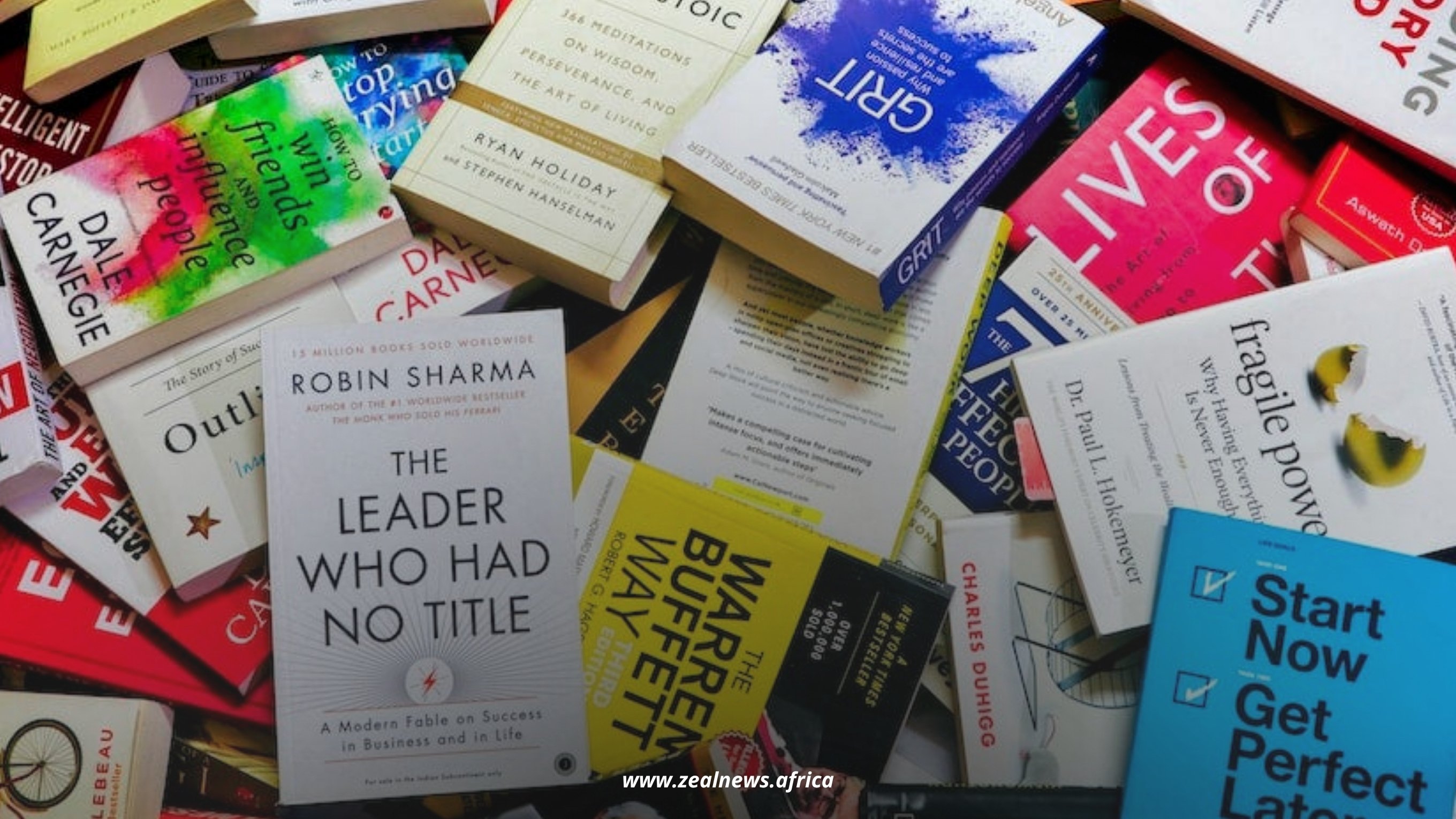
I never seem to be able to finish a self-help book and I sometimes feel like the man in that popular quote: "If you want to hide a secret from a Black man, put it in a book." I can read anything from fiction to non-fiction to memoirs but when it comes to picking up a why you should be successful book, my eyelids close faster than the ad tab on your browser.
I have wondered for years what could be the problem. I read boring books all the time, so it can definitely not be that. I read notes and notes from people who have been successful and inspire me, and I do that with rapt attention.
Then I realised something. Self-help books package wisdom, and that is exactly what makes them fail.
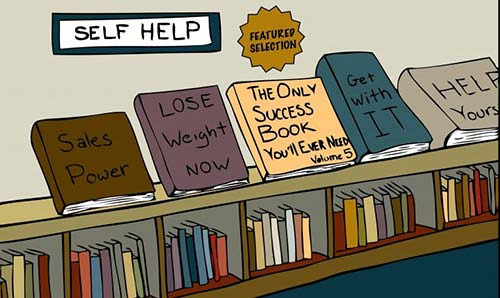
The Self-Help Industry Is Selling You a Feeling, Not a Formula
The self-help industry is worth billions, and it has been selling you the idea that someone else's blueprint can become your breakthrough for decades. The cover promises transformation. The blurb promises clarity. The author swears this one is different, this one will finally land. And for a brief, golden moment, usually somewhere between the introduction and chapter two, you believe them.
Researchers have a name for that feeling. It is calledthe false hope syndrome.
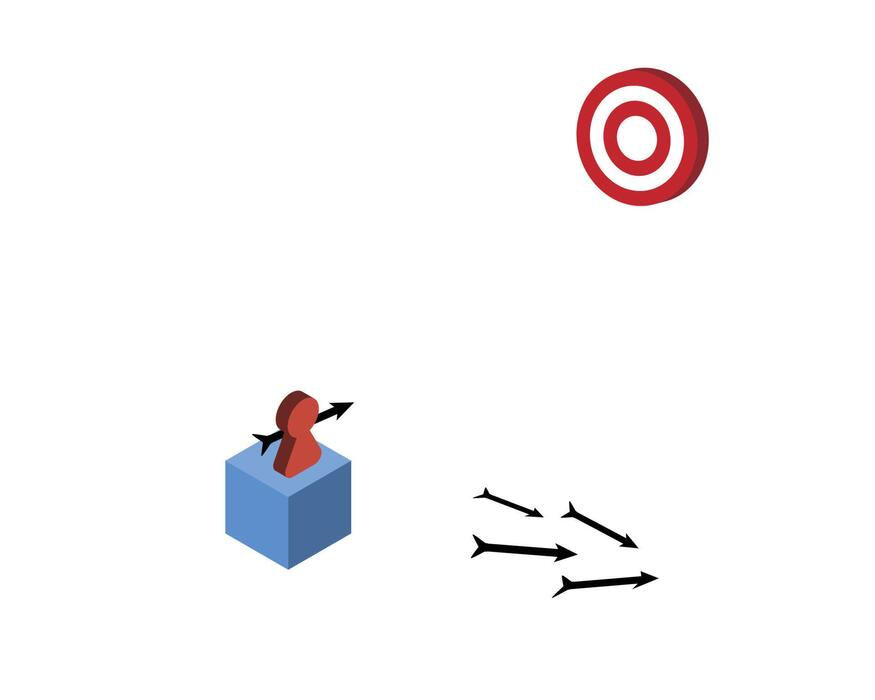
Psychologists Janet Polivy and C. Peter Herman found that the very act of beginning a self-change program, including picking up a self-help book, delivers an immediate emotional reward. It comes with a surge of control, optimism and the satisfying sensation that you are, finally, doing something.
The problem is that this feeling arrives before any actual change has happened, which means for most people, it arrives instead of the change.
When the high fades, the book goes on the shelf and the cycle begins again with a different title and the exact same promise.
Why Most Self-Help Books Don't Actually Work
A 2008 study that examined the 50 top-selling self-help books for anxiety, depression, and trauma had actual clinical psychologists evaluate the content.
Only 48% of those books included techniques backed by evidence. Only 24% offered any guidance for readers to track their own progress. Mind you, these are bestsellers.
Gerald Rosen, a clinical professor at the University of Washington, made a point, saying that the typical self-help book is marketed without being tested and with exaggerated claims attached.
Research shows that even instructions that work beautifully in a clinical setting can become completely useless the moment a person tries to apply them alone, without guidance, without accountability and someone who actually knows what is going on with them.
A book cannot diagnose you. It can only guess, broadly, at a version of you that may or may not exist.
Social Insight
Navigate the Rhythms of African Communities
Bold Conversations. Real Impact. True Narratives.
And even the people who genuinely try often don't follow through. Wisdom on a page is not wisdom in a life.

The Real Problem: Wisdom Was Never Meant to Be Packaged
The issue doesn’t lie in how the book is written. Some of them are beautifully-written.
The real issue is that wisdom is not a transferable file. It does not move cleanly from one person's experience into another person's life. What Oprah learned from her particular grief, in her particular body, in her particular circumstances, will never map perfectly onto yours.
What worked for the man who woke up at 5am and built a company does not account for the city you live in, the electricity situation, the Wi-Fi, or the three people who depend on you before 7am.
This generation does not reject self-help because it is lazy. It rejects packaged wisdom because somewhere, unconsciously, cumulatively, it has developed a nose for things that do not apply.

We grew up online, which means we grew up in the comments section — the place where every promise eventually gets stress-tested. We have absorbed enough failure to know that someone's transformation cannot be copy-pasted.
We are not looking for concluded wisdom. We want the process, as messy, contradictory it may seem, very specific and real.
The part that happened before the pivot. The chapter the author decided not to publish.
The packaged version is the museum exhibit. We want the digging process. The secret was never in the book.