The Oil in Your Kitchen Wasn’t Always Meant for Consumption
The cooking oil in your kitchen didn’t always start as food. From industrial lubricants to “heart-healthy” branding, here’s the story behind what you cook with.
Oils are one of the essential staples in every kitchen. If you look into your kitchen right now, you probably have one sitting on your cabinet; if you are African, more specifically Nigerian, you probably have two different cooking oils right there. And one of them is vegetable oil.
It could be the unbranded one that is usually bought in bulk, or that branded one you just picked because the packaging looked clean and intentional and the label said something about your heart.
You have probably used it to fry eggs, beef, make that jollof rice base and fry that overripe plantain. It feels normal and safe.
But that oil has an origin story nobody put on the label. It was never originally designed for your body. It was made for machines.
From Engines to Frying Pans
Before the 20th century, vegetable oils had one primary use which was industrial lubrication. They kept factory equipment running, powered lamps and coated the engines of warships.
Then the Second World War happened. Suddenly there was enormous demand for lubricants and farmers across North America scaled up production of rapeseed to meet it.
The war ended, the military contracts stopped coming and there were entire agricultural systems with nowhere to send their product.
So the industry did what any good capitalist machine does; it changed direction. Scientists bred a new, lower-toxicity variety of rapeseed, rebranded it with a friendlier name and canola oil was born.
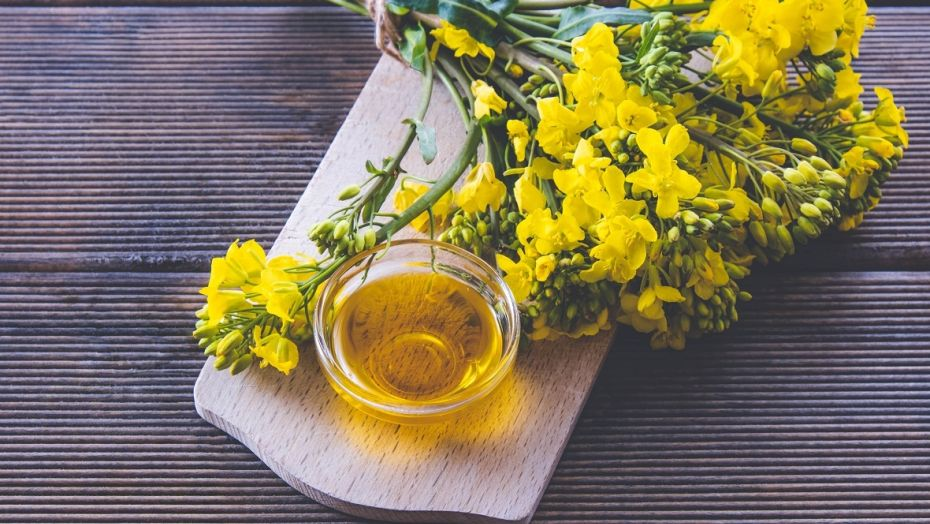
It went from warship lubricant to cooking staple within a generation. Your kitchen chose it because the market did.
The Cottonseed Con
Cotton farming produces a lot of seeds. For most of the 19th century, those seeds were waste and not neutral waste either.
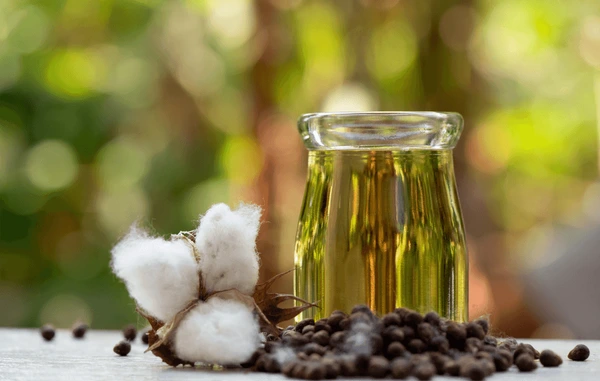
Cottonseed oil in its raw form containsgossypol, a naturally occurring toxin. Mills had so much of it they were literally dumping it into rivers.
Then Procter & Gamble figured out that if you hydrogenate cottonseed oil, a process that chemically alters its structure by forcing hydrogen into it, you get a solid white fat that looks remarkably like lard.
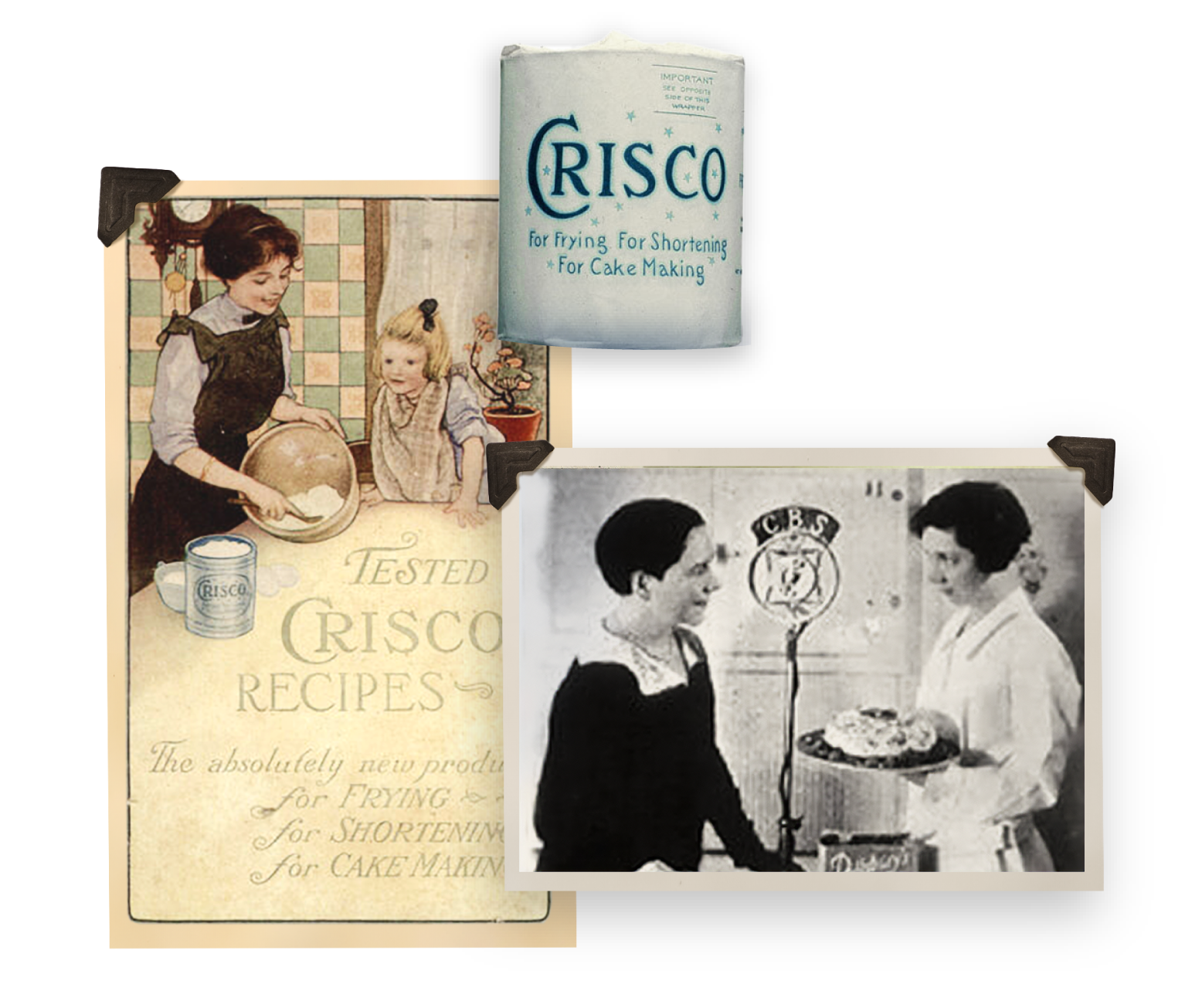
They launched it in 1911 under the name Crisco, marketed it aggressively as a modern, cleaner alternative to animal fats and handed out free cookbooks to housewives to normalise using it.
A toxic byproduct of cotton farming became a kitchen staple not because it was nutritionally superior but because someone needed to move the inventory.
The "heart healthy vegetable oil" narrative that followed over the next several decades was shaped as much by industry interests as by evolving nutritional science.
What's Actually in the Bottle
The "vegetable oil" sitting in most Nigerian kitchens is rarely just one thing. Check the bottle and you will likely find soybean oil, groundnut oil, palm olein or some blend of the three.
The branding is always clean. The origin story rarely is.
Take soybean oil, the most common base in many of Nigeria's mass-market vegetable oil brands. Nigeria is not a significant soybean producer, which means most of it is imported, heavily processed and refined before it reaches your shelf.
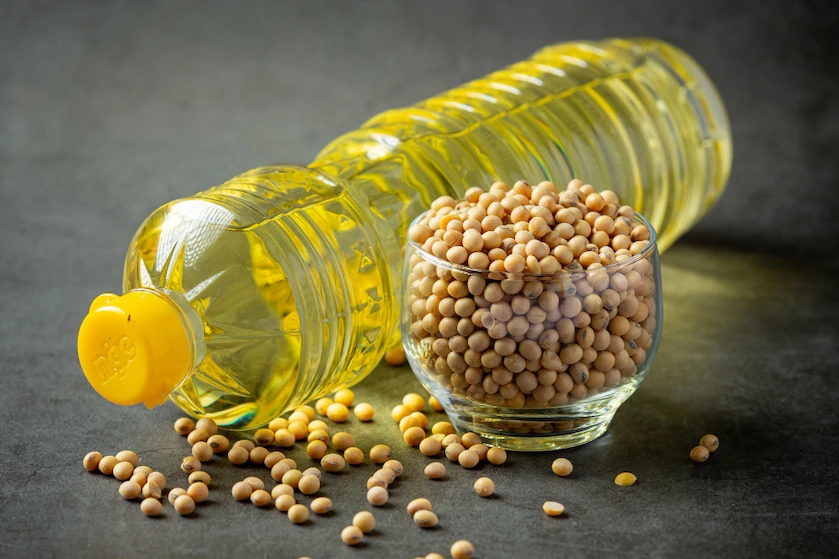
That refining process — bleaching, deodorising, stripping the oil down to a neutral, stable fat — is what makes it cheap, light and long-lasting.

It is also what makes it largely an empty fat. Whatever nutritional value the original soybean carried gets largely engineered out in the process.
The cottonseed story is an extreme version of this pattern.
But the pattern itself is the same: take a raw material, process it into something shelf-stable and cheap, brand it as the modern choice and move the product.
The regions could change, but the logic rarely does.
The Palm Oil Plot Twist
Palm oil, the one you were told to reduce because of cholesterol, spent the better part of the 19th century being exported from West Africa to lubricate British industrial machinery.
It was not considered food by the people buying it. It was an engine input.
West African communities had been using it nutritionally for centuries, but to Britain in the middle of its Industrial Revolution, our palm oil was just good grease and ingredient for other products.
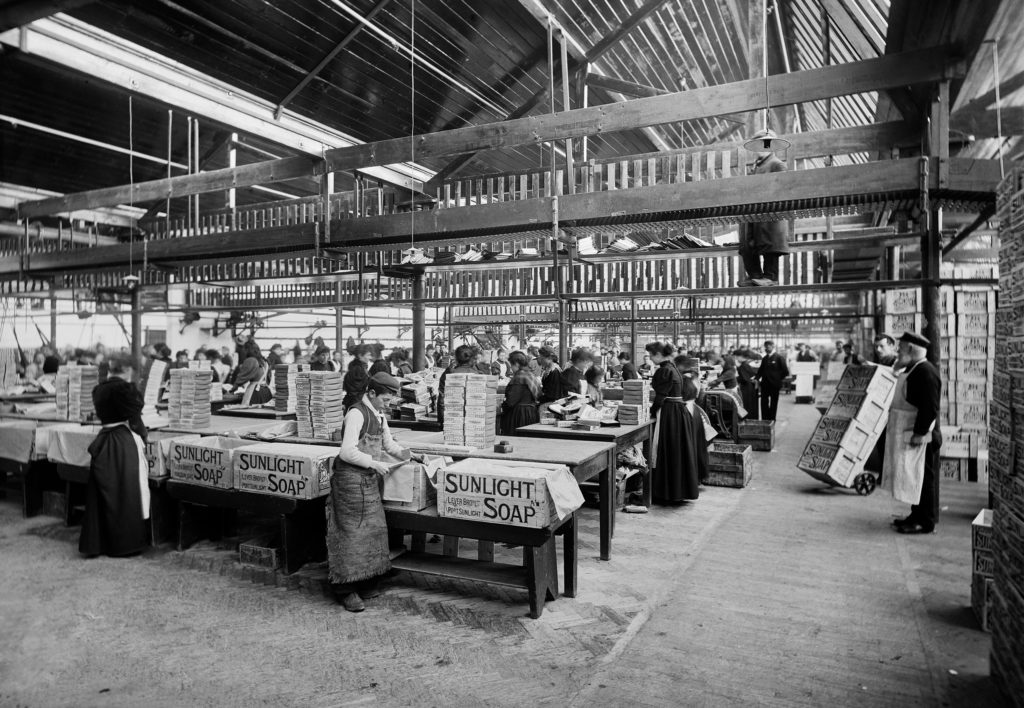
By the time that trade relationship evolved and the global food industry took shape, the same Western institutions that had built their economic machinery on African palm oil were now positioning refined seed oils as the modern, healthy choice and flagging palm oil as the dietary villain.
The red oil in your mother's soup was framed as the problem. The hydrogenated industrial byproduct in a branded bottle was the solution.
You are allowed to find that ironic.
What Refining Actually Does
The word "refined" sounds like an upgrade. In oil production, it mostly means the opposite.
When vegetable oils are refined, bleached and deodorised for mass production, the process strips out much of whatever nutritional content the original plant material had.
What is left is a largely neutral fat with a long shelf life, stable enough to sit in a warehouse, light enough to market as guilt-free.
What you are not getting is the full profile of the original source.
This is why unrefined red palm oil is genuinely different from the pale processed version in packaged snacks. They share a name. They are not the same product.
So What Do You Do With This Information?
This isn't a piece telling you to throw out everything in your kitchen. It is a piece asking you to interrogate the origin stories of things that have been sold to you as obvious, natural and good.
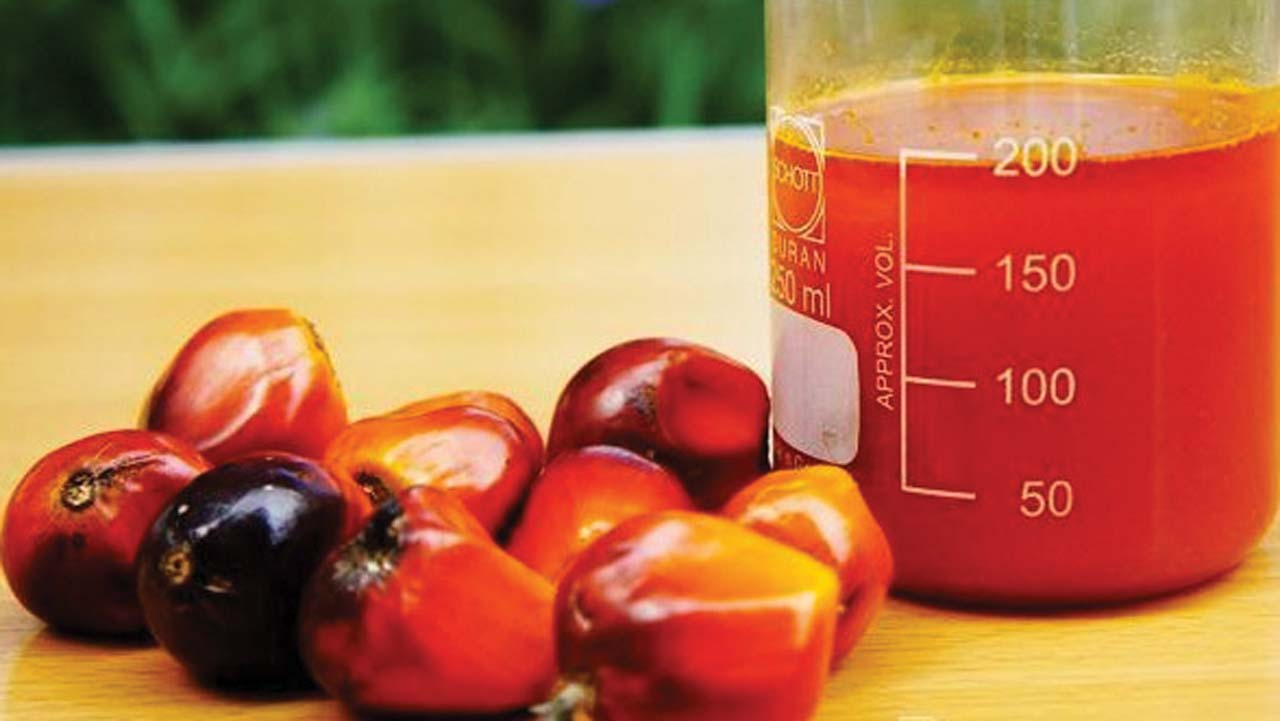
The oils marketed as light and modern came from factories and warships and cotton waste. The oil your grandmother used without a second thought hasa nutrient profile that researchers are still unpacking.
Somewhere in that reversal is a lesson about who gets to write the story of what is healthy and who profits when you believe it.