The Names That Outlived Their Owners: 5 African Countries Named After People Who Have Passed Away
A country’s name can hold centuries of history. These five African nations were named after influential figures whose legacies continue to live on through maps and identity.
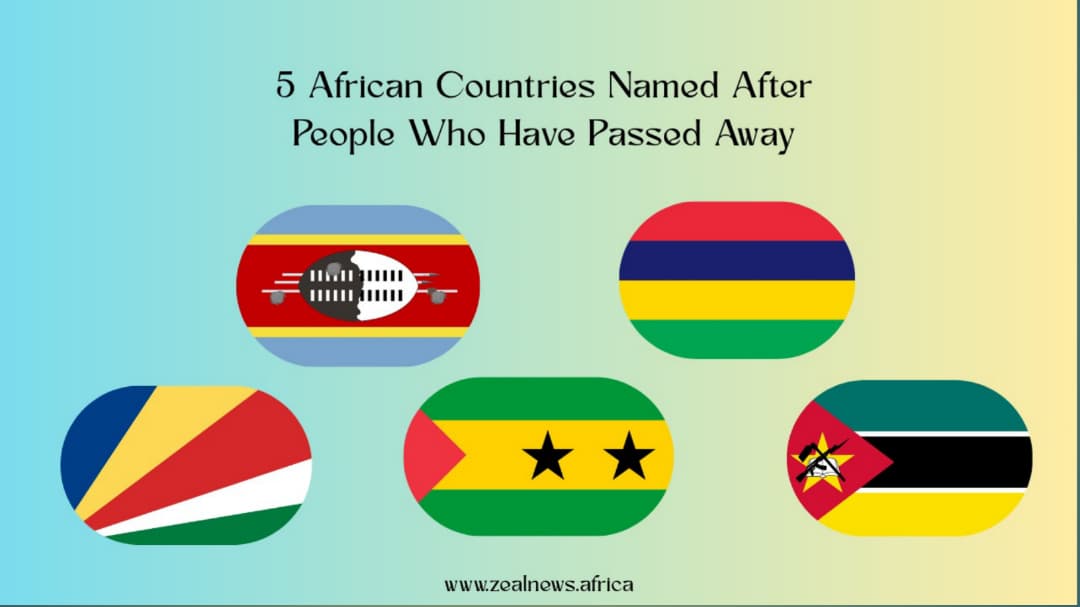
A country’s name often carries more history than people realize. Behind some names are stories of explorers, rulers, saints, and colonial figures whose influence either direct or indirect, shaped how places were recorded on maps.
In Africa, a few countries still carry names linked to individuals who are long gone, yet their names continue to live on in geography, identity, and global recognition.
These are five African countries whose names are tied to people who have passed away.
1. Eswatini
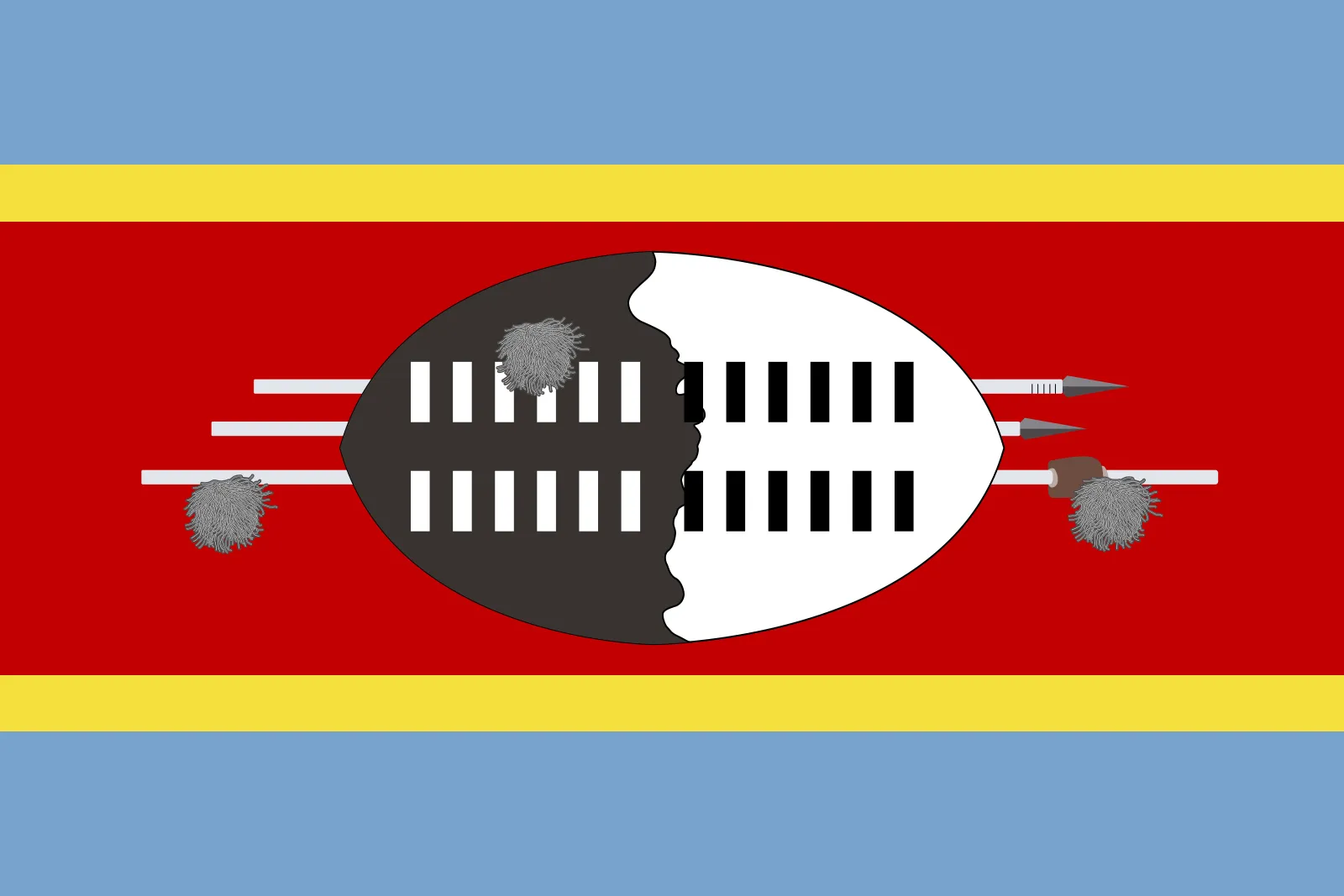
Eswatini carries the legacy of King Mswati II, a 19th-century ruler remembered for expanding the kingdom during a period of conflict and migration. His leadership shaped the territorial foundation of the nation as it is known today.
Although the country was formerly called Swaziland, it was later renamed Eswatini, meaning “land of the Swazis,” as part of a cultural identity shift. Still, the historical link to Mswati II remains embedded in how the nation understands its past.
His influence lives on not in monuments alone, but in the very structure of the country itself.
2. Mauritius
Mauritius carries the name of Prince Maurice of Nassau, a Dutch ruler from the late 1500s and early 1600s. Dutch explorers arriving on the island chose to name it in his honour after their landing.
At the time, naming territories after European leaders was a common practice among explorers asserting control over new lands. Prince Maurice never set foot on the island, yet his name became permanently tied to it.
Today, Mauritius is a multicultural island nation shaped by many influences, but its name still reflects a moment of colonial exploration and tribute that began centuries ago.
3. Mozambique
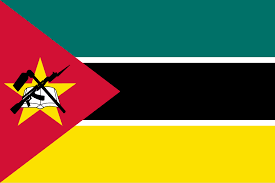
Mozambique’s name is believed to be connected to an Arab trader or local figure known as Musa al-Bique, who was associated with early coastal trade networks in East Africa.
When Portuguese explorers arrived, they adapted the name “Moçambique,” initially referring to a small island before extending it to the mainland territory.
This naming history reflects a blend of African, Arab, and European interactions long before modern borders existed. Over time, the name remained, even as political and cultural landscapes changed around it.
4. Seychelles
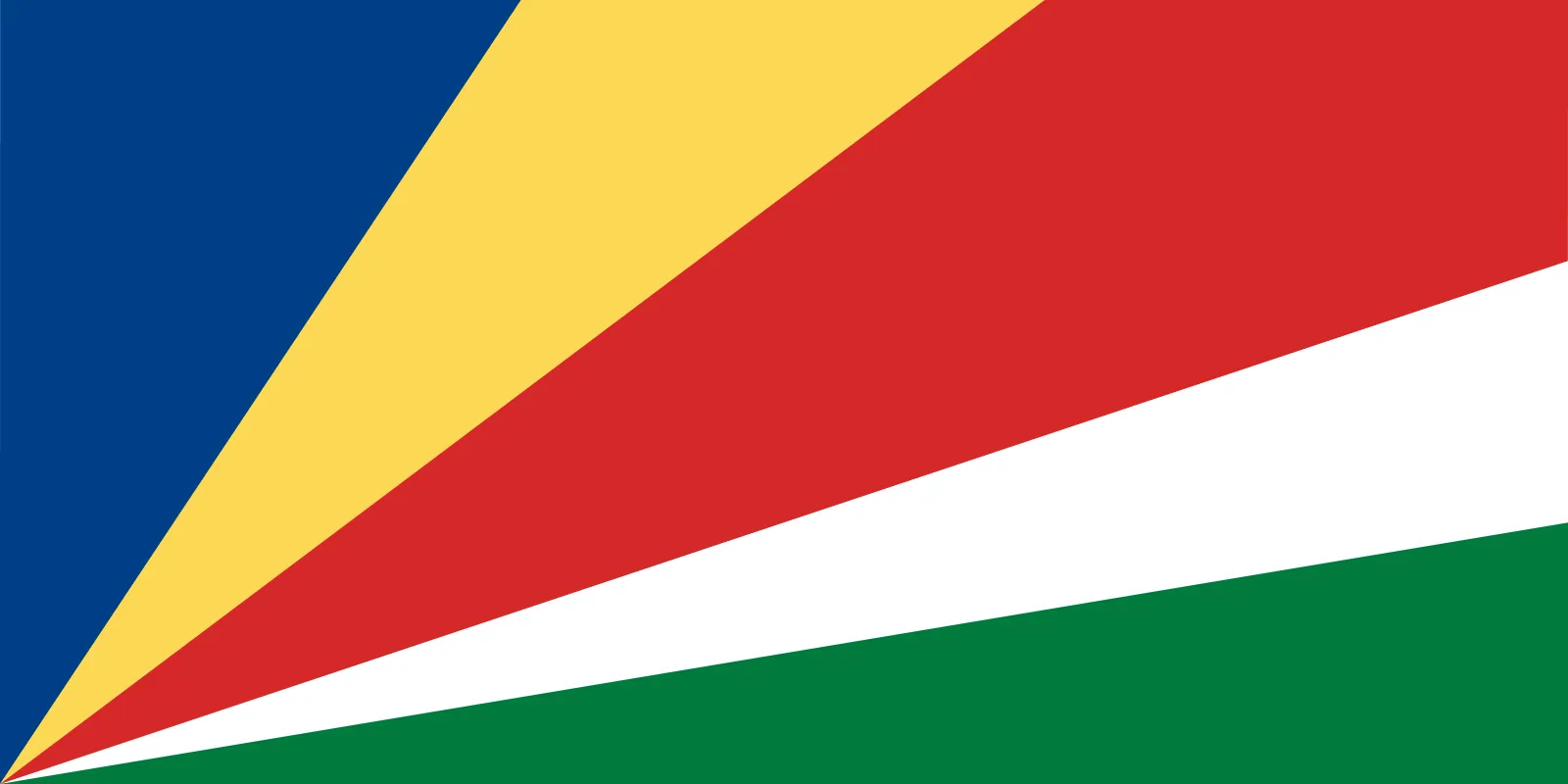

The Seychelles islands were named after Jean Moreau de Séchelles, a French finance minister during the reign of King Louis XV.
Interestingly, he never visited the islands. Instead, French explorers named the archipelago in his honour during the 18th century, a practice common in European colonial mapping traditions.
Over time, the name was anglicised to "Seychelles" when the British took control of the islands following theTreaty of Paris in 1814.
Today, Seychelles is known for its natural beauty, yet its name still quietly carries the memory of a French official from centuries ago.
5. São Tomé and Príncipe
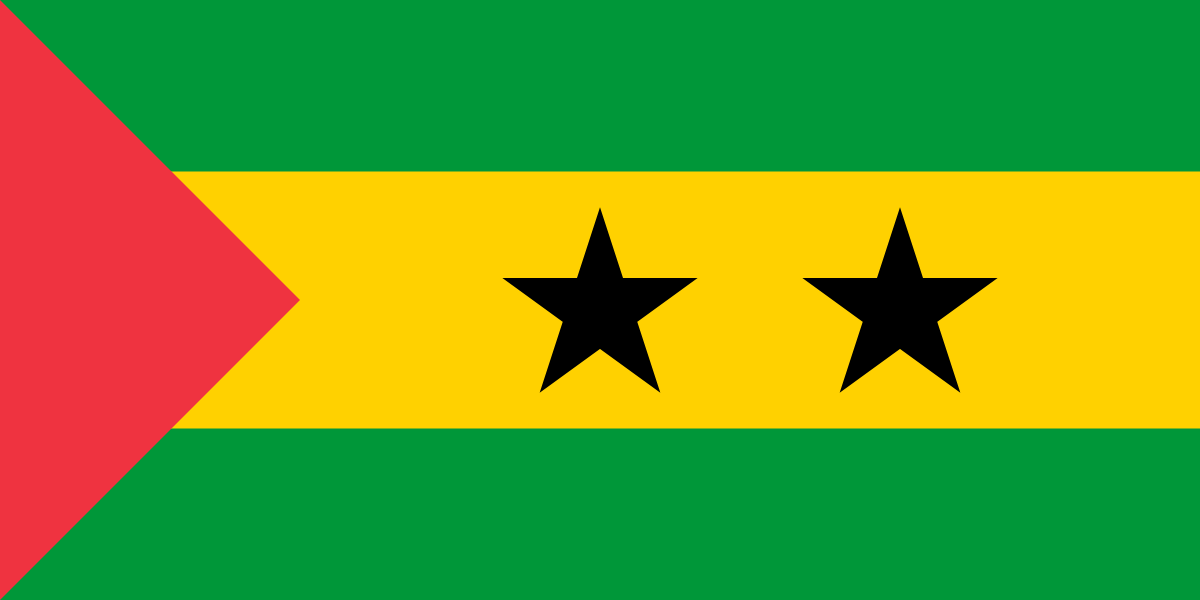
São Tomé and Príncipe translates to “Saint Thomas and Prince,” reflecting both religious and royal influences behind its naming.
The island of São Tomé was named by Portuguese explorers after Saint Thomas, as it was discovered on his feast day. Príncipe was later named in honour of a Portuguese prince, believed to. be Afonso, Prince of Portugal
Unlike some of the other examples, this name blends two forces, religion and monarchy, showing how exploration often combined spiritual timing with royal tribute when naming newly found lands.
When names become history that doesn’t fade
These examples show how deeply history is embedded in geography. Some names honour powerful rulers, others reflect explorers, saints, or influential figures from distant lands. While these individuals may no longer be alive, their names remain part of everyday language, identity, and international recognition.
Many African place names today still carry traces of external influence, especially from colonial and exploration eras. Yet over time, some countries have begun reclaiming or redefining their identities, as seen in name changes like Eswatini.
In the end, a country’s name is more than a label, it is a living archive of history, memory, and transformation.