8 Places on Earth Where Rain Is Almost Nonexistent and Why They Stay Dry
Some places on Earth go years without meaningful rainfall, creating landscapes that feel almost otherworldly. Here are 7 of the driest locations on the planet and the natural forces that keep them that way.
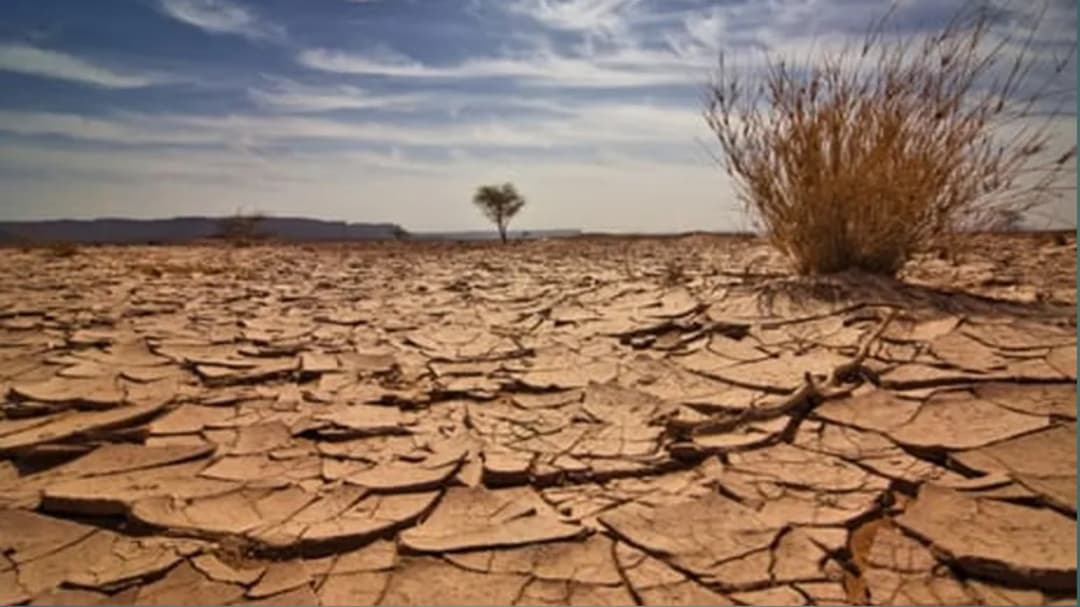
Rain is something we rarely think twice about, until it doesn’t come. In most parts of the world, it arrives regularly enough to shape seasons, farming, and daily life.
But there are places on Earth where rain is so rare that it almost feels absent. These aren’t mythical dry lands with “zero rain ever,” but regions where rainfall is extremely low, sometimes just a few millimetres a year, and in some cases, years can pass without any measurable rain at all.
Here are 8 of the driest places on Earth and the natural forces behind their extreme conditions.
1. Atacama Desert, Chile
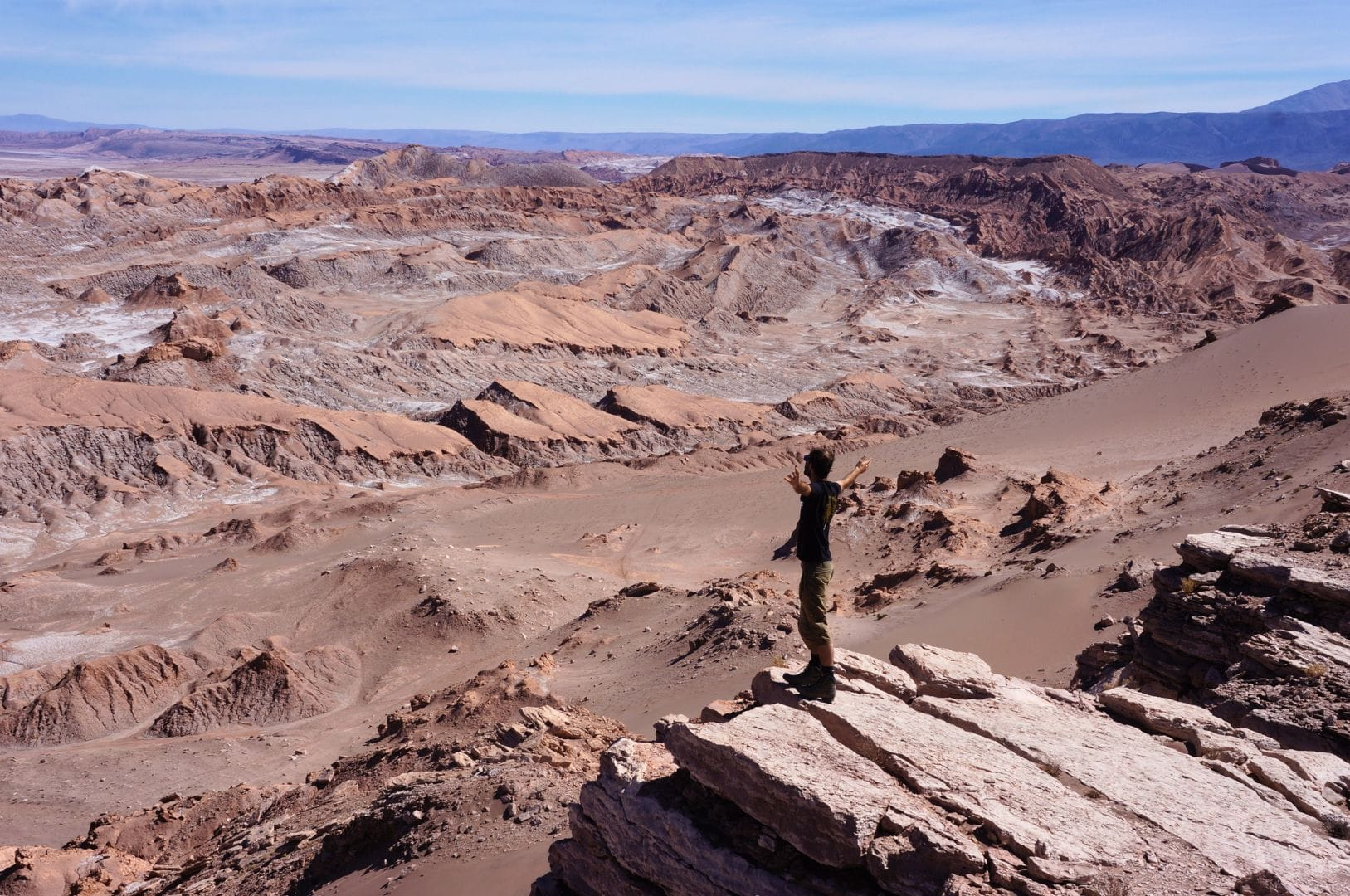
The Atacama Desert is widely considered the driest non-polar place on Earth. Stretching along South America’s Pacific coast, some areas receive less than 1 millimetre of rain per year, and certain weather stations have gone decades without recording meaningful rainfall.
This extreme dryness is caused by cold ocean currents that reduce cloud formation and the Andes Mountains, which block moist air from reaching the region.
2. McMurdo Dry Valleys, Antarctica
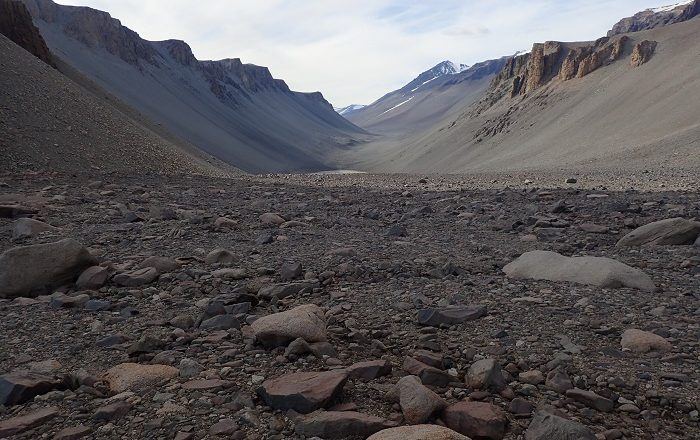
Despite being in Antarctica, the McMurdo Dry Valleys are one of the driest places on Earth. Strong katabatic winds and surrounding mountains prevent moisture from settling, leaving the valleys almost completely ice-free.
Rain is virtually absent, and snowfall is extremely rare, making it one of the closest natural comparisons to Mars.
3. Arica, Chile
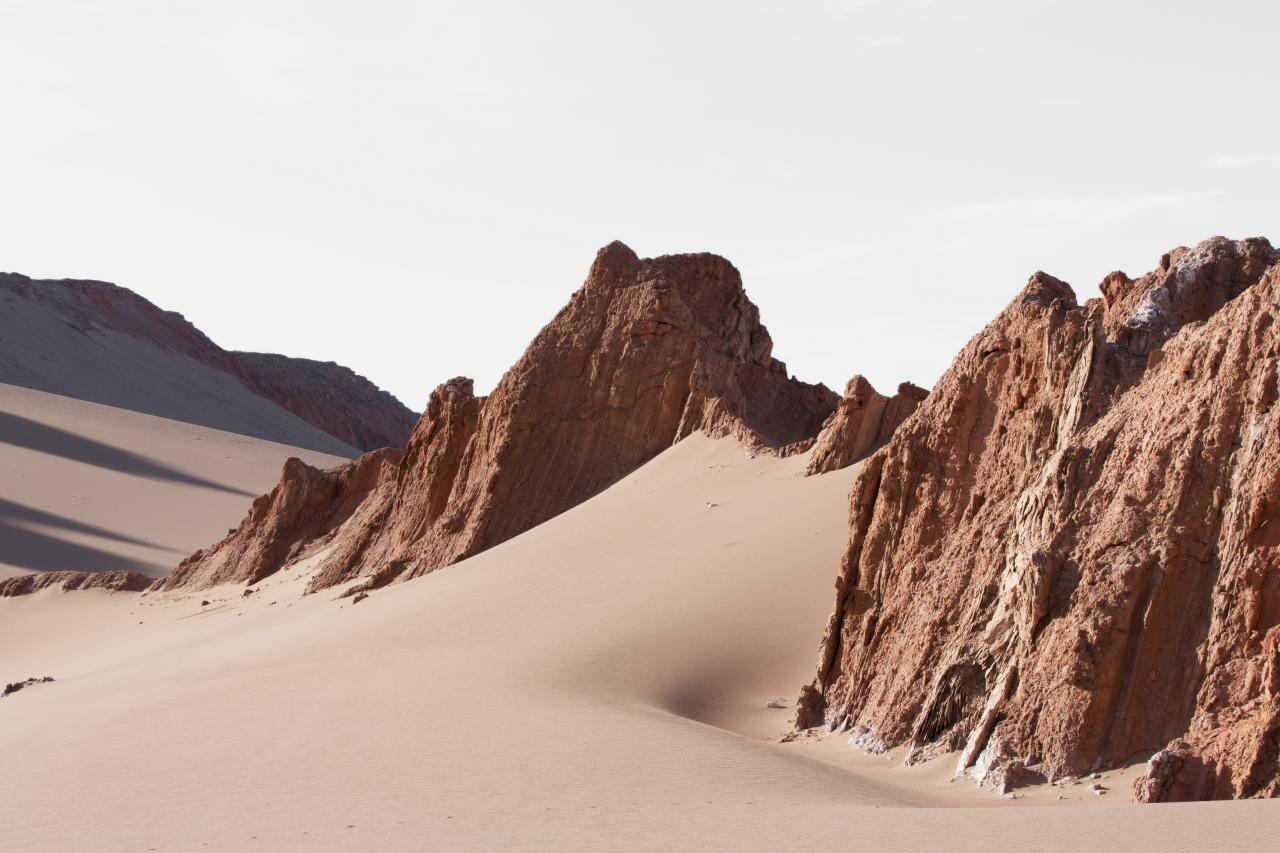
Arica is often described as one of the driest cities in the world, with average rainfall around 1 millimetre per year or less.
Even though it sits on the Pacific coast, the combination of cold ocean currents and nearby mountains prevents rain clouds from forming.
4. Wadi Halfa, Sudan
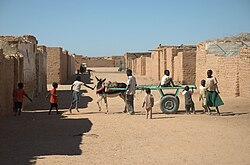
Located in the Sahara Desert near the border with Egypt, Wadi Halfa experiences extremely low rainfall, sometimes going long periods without any measurable precipitation.
High temperatures and intense evaporation make it difficult for moisture to remain in the environment.

5. Iquique, Chile
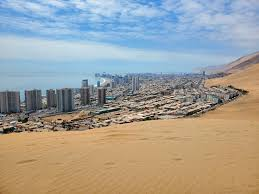
Iquique sits between the Pacific Ocean and the Atacama Desert, creating one of the driest climates in South America.
Rain is extremely rare, but the city often experiences a dense coastal fog known as camanchaca, which provides a small amount of moisture in place of rainfall.
6. Luxor, Egypt
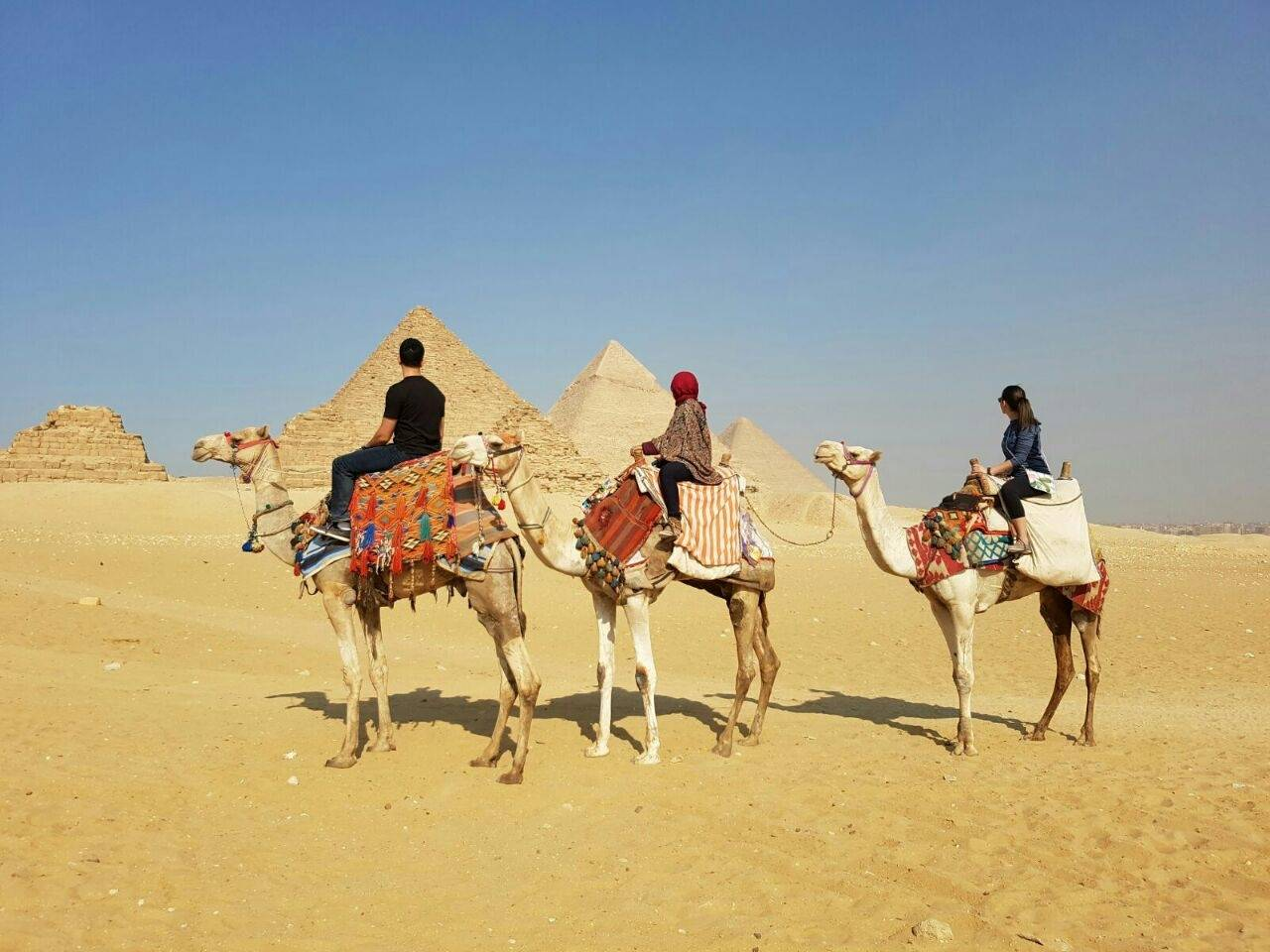
Luxor is known for its ancient temples and desert climate. Rain is extremely rare, and most years see little to no measurable rainfall.
Its dry conditions have helped preserve archaeological sites for thousands of years, reducing weather-related erosion.
7. Aoulef, Algeria
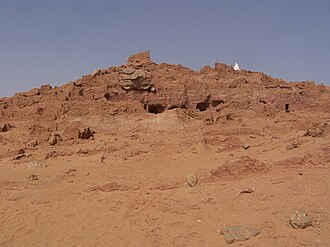
Aoulef is a small Saharan town where rainfall is extremely limited and evaporation rates are very high.
Any moisture that does appear quickly disappears due to intense heat and dry desert air.
8. Aswan, Egypt
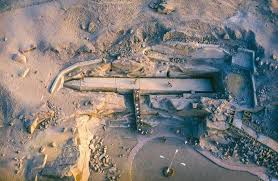
Aswan is one of the driest inhabited cities in the world, located in southern Egypt along the Nile.
Rainfall is extremely rare and often only occurs in tiny amounts, with some years passing without any measurable rain at all.
Its desert climate, intense heat, and low humidity make it one of the most arid urban environments on Earth.
Why These Places Stay So Dry
Most of these regions share similar natural conditions:
Cold ocean currents that reduce evaporation
Mountain ranges that block moist air
High atmospheric pressure that prevents cloud formation
Extreme heat that quickly evaporates any moisture
Together, these forces create environments where rain struggles to form or survive.