The Modesty Myth: Is "Indecent Dressing" Just Conditioning in Disguise?
Is "indecent dressing" really about morality or just centuries of conditioning and double standards? This piece unpacks how modesty rules in Africa are shaped by colonial hangovers, gender bias, and social control, and why it’s time to reclaim autonomy over our bodies.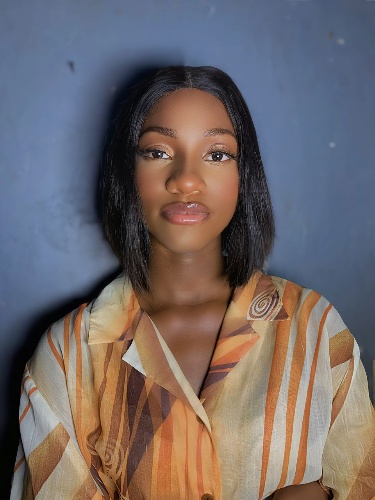

It is a scorching Lagos afternoon, and you are wearing shorts to beat the heat. Suddenly, someone's aunty gives you that look, the one that says you have committed a crime against decency. Meanwhile, that same aunty will probably scroll through Instagram later, double-tapping photos of Beyoncé in a bodysuit.
The hypocrisy is loud or maybe it is something more unsettling: a clash between what we have been taught and what we secretly admire.
It is about time we talked about the concept of "indecent dressing."
Who decided what is decent anyway? And why does it feel like the rules change depending on who is wearing what, where they are from, and who is doing the judging?
The Colonial Hangover We Can't Shake
Do you know a lot of what we call "African values" around dressing actually has missionary fingerprints all over it? Yes, before colonialism, many African societies had their own relationships with the body that did not involve the shame we have internalized today.
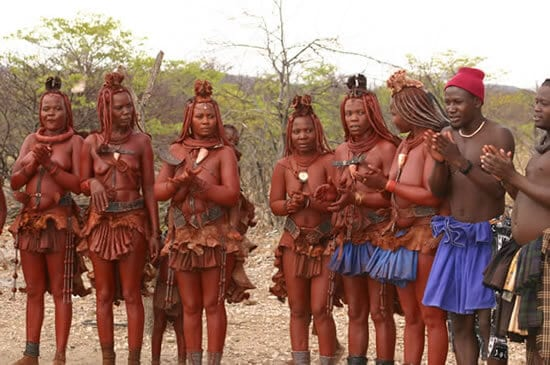
The Himba people of Namibia, the Maasai, the Zulu had (and some still have) dress codes that would make your conservative aunt tie her gele on her waist.
Then came the missionaries with their ‘ways’, telling our great-grandparents that their bodies were sinful and needed covering. Fast forward a century, and we are policing each other harder than the colonizers ever did.
We have taken their rules, claimed them as our culture, and now we are gatekeeping who is "African enough" based on clothes and necklines.
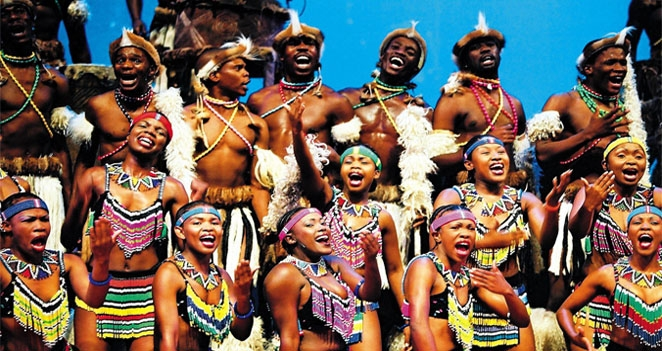
The irony is we will defend this conditioning to the death, calling it tradition, while wearing jeans, which is not traditionally African. But I digress.
The Double Standards Are Not Subtle
To be honest, the one who bears the brunt of "indecent dressing" discourse is overwhelmingly women. A man can walk shirtless through a neighbourhood, and he is just hot (temperature-wise). A woman in a tank top is "asking for trouble," even in the worst case, to be assaulted.
This gendered policing reveals "modesty" discourse is really about control. When we tell women that their clothing causes men to sin or lose control, we are saying men are not responsible for their own actions. That is not protection; that is oppression in a red, pretty box.
And these rules shift based on class and colourism. A light-skinned influencer in a crop top is "fashionable." A dark-skinned girl from the hood in the same outfit will likely be termed "loose." Same clothes, different judgments.
Context Is King (But Who Defines It?)
Now, I am not saying context doesn't matter. Wearing a bikini to a job interview is definitely wrong, just like wearing a three-piece suit to the beach is inappropriate. Social contexts exist, and navigating them is part of living in a community.
But, the question remains who decides what is appropriate for which context? If you are in a church, mosque, or traditional ceremony, respecting the dress code makes sense because you are obviously in someone's sacred space.
But should your neighbour have a say in what you wear to the supermart? Should strangers on the street feel entitled to comment on your shorts, your braless chest, your ankles?
The problem is not having standards for different spaces. The problem is when those standards become tools for public harassment, slut-shaming, and victim-blaming. When "she was dressed indecently" becomes an excuse for assault, we have crossed from social etiquette into dangerous territory.

Reclaiming the Narrative
So what is the way forward?
First, we need to admit that many of our "deeply held beliefs" about modest dressing are actually recent imports dressed up as ancient wisdom. Our ancestors were not scandalized by the human body the way we have been conditioned to be.
Second, we need to interrogate why we are so invested in controlling other people's bodies. If someone's outfit makes you uncomfortable, that is a you problem, not a them problem. Your discomfort does not constitute a moral emergency.
Third, let's redirect the energy we spend on clothes police work toward actual harmful behaviour. There are real issues affecting our communities like corruption, inequality, gender-based violence, but sure, we prefer to focus on whether someone's shoulders are showing.
The truth is your body is yours. What you choose to wear or not wear does not determine your worth, your morality, or your "Africanness." Modest dressing is not inherently virtuous, just like revealing clothing is not inherently shameful. They are just clothes.
The real question is not "what should people wear?" It is "why are we so obsessed with what people wear?" When we answer that honestly, we might find that our modesty discourse has less to do with protecting values and more to do with maintaining power structures that benefit some while oppressing others.
Maybe it is time we got comfortable with discomfort. Maybe it is time we let people breathe, literally. Because this "modest is hottest" propaganda is giving Stockholm syndrome, and we deserve better.
What do you think? Are we ready to unpack this, or are we still pretending that policing women's bodies is about "respect"?