5 Historic Sites in Nigeria You Have Probably Never Heard Of
Beyond the usual global landmarks, Nigeria holds powerful historic sites that tell stories of civilisation, survival, and spirituality—here are five you’ve probably never heard of but should know.
When most people think about iconic historic sites, their minds jump to the Pyramids of Egypt, the Colosseum, or the Great Walls of China.
But Nigeria with over 200 ethnic groups, thousands of years of documented civilisation, and some of the most layered cultural history on the continent, somehow barely makes the list. That is a large gap. And today, we are filling it.
These are not well-known places not because they are unimportant but because their stories have not been told loudly enough. Here are 5 historic sites in Nigeria you would know by the end of this article:
1. Sukur Cultural Landscape
Did you know Nigeria has a UNESCO World Heritage Site? Because most Nigerians don't. Sukur Cultural Landscape,located in the Mandara Mountains of Adamawa State, became Nigeria's first UNESCO World Heritage Site in 1999 and it has been quietly sitting there ever since, waiting for people to care.
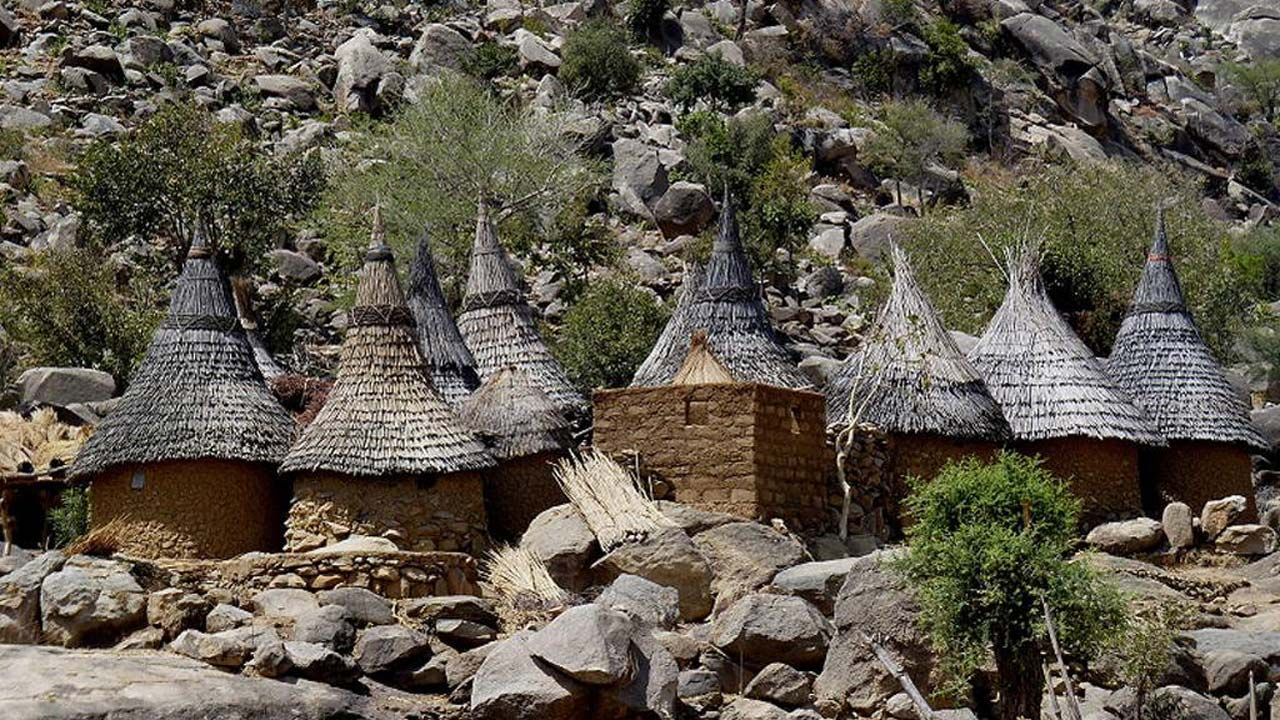
Think of terraced hillside farms that look like something out of a documentary about ancient civilisation because that is exactly what they are.
Add to that evidence of a sophisticated iron-smelting industry and a highly organised political and social system that predates any colonial framework.
Sukur was a functioning, structured society with its own governance, economy, and technology. This is Northern Nigerian civilisation on full display, and the fact that it is not in every history textbook is honestly wild enough.
2. Ogbunike Caves
Somewhere in Anambra State, there is a cave network that has witnessed some of the most intense chapters of human survival in this region. Ogbunike Caves served as a refuge during wars and slave raids, with entire communities hiding within its winding underground passages to escape capture or death.
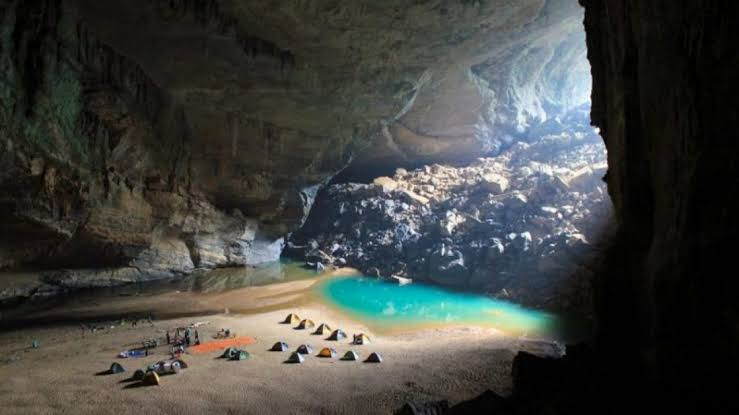
That is not folklore or a story you hear sitting at the feet of your mother. That is documented history etched into stone and memory.
What makes Ogunike different is that it is still spiritually alive. You don't just walk in.
There are cultural rules like the removal of your shoes before entering. The space is sacred, respected, and maintained not as a relic but as a living site.
It is history, spirituality, and survival compressed into a single location. If you are the type of person who wants to feel history rather than just read about it, Ogbunike is it.
3. Ancient Kano City Walls
When people discuss medieval city walls, the conversation goes outside the continent almost immediately — China's Great Wall, the walls of Constantinople, York's Roman walls. Even within the country, we hear of the walls of Bini before anyone brings up Kano.
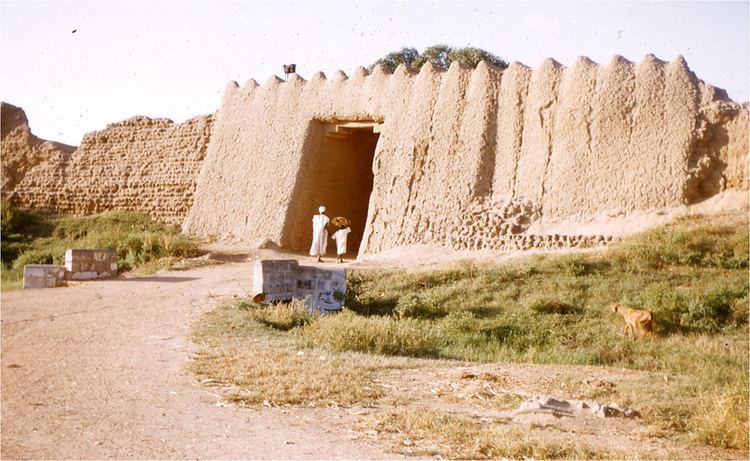
Built somewhere between the 11th and 14th centuries, the Ancient Kano City Walls once stretched over 14 kilometres, wrapping around one of the most economically powerful cities in all of West Africa.
Culture
Read Between the Lines of African Society
Your Gateway to Africa's Untold Cultural Narratives.
Kano was a commercial empire, a hub of trans-Saharan trade where cloth, leather, and gold moved through its gates. The walls were its armour and security strategy.
Sections still stand today, though much has eroded over centuries. What remains is enough to understand the scale of civilisation that existed here long before anyone was writing those stories down for the world to read.
4. Nok Terracotta Sites
Around 1000 BC, somewhere in what is now central Nigeria, a civilisation was creating sculptures so detailed and technically advanced that archaeologists are still piecing together what it all means. The Nok civilisation is one of Africa's earliest known complex societies and they were the hub of terracotta figures.
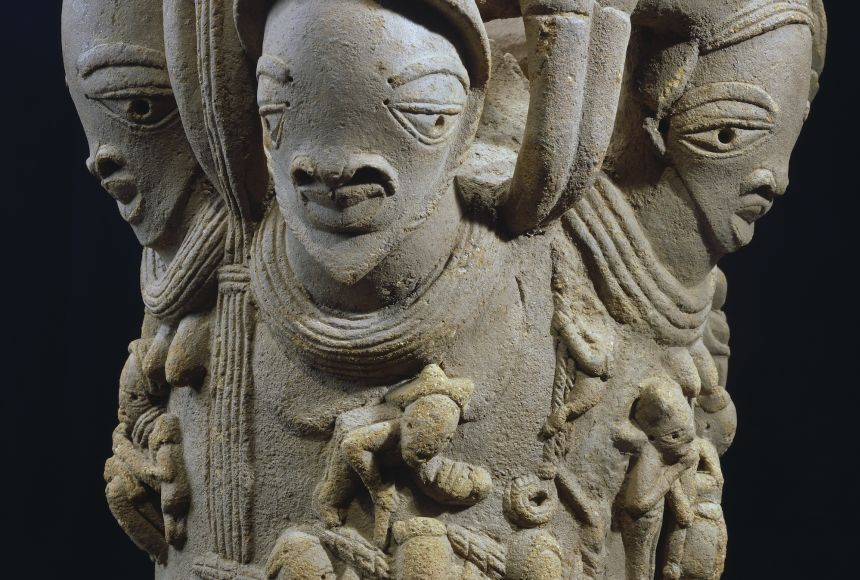
These figures are not rough carvings made from a mold of clay. They show sophisticated understanding of form, human anatomy, and artistic expression.
They represent a culture with enough stability and creativity to invest in art. That is a civilisation operating at a high level.

And yet, outside of academic circles, the Nok people are barely part of Nigeria's mainstream cultural conversation. That needs to change.
5. Osun-Osogbo Sacred Grove
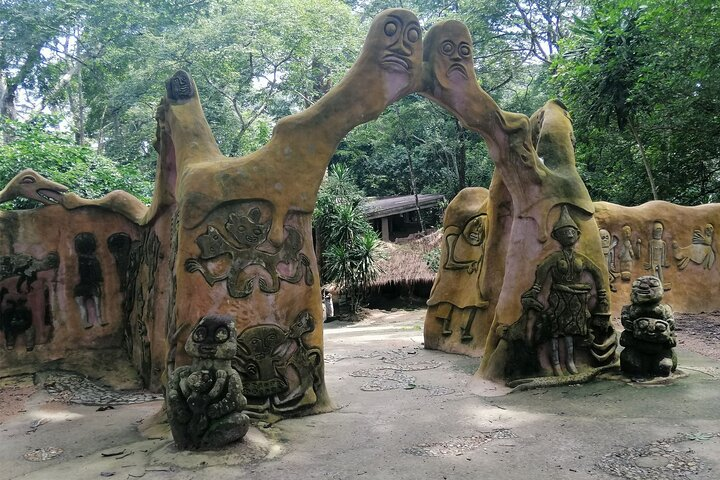
In the heart of Osogbo, Osun State, there is a sacred forest that has been tended and revered for centuries. The Osun-Osogbo Sacred Grove is tied to Yoruba spiritual tradition and the goddess Osun — a deity of water, fertility, and femininity.
It is also a UNESCO World Heritage Site and one of the last surviving sacred groves of its kind in Yorubaland.
What makes it remarkable is not just its age but also the fact that it is a living, breathing connection between religion, environmental preservation, and indigenous art.
Sculptures and shrines are scattered throughout the forest, which itself is a protected ecosystem. It is proof that conservation and spirituality are not square opposites.
So, Why Don't We Know These Places?
These sites are not hidden because they lack significance, they are under-discussed because African history has historically been undertold, and Nigerian history especially so.
But the information is there. The sites are there. The stories are there.
You have just been introduced to five of them. Now it is your turn to pass it on.