Not Everything Needs a Scripture: The Problem With Faith-Washing Your Brand
A viral wig brand sparks a bigger question: are Christians genuinely integrating faith into business, or simply “faith-washing” their brands for marketing appeal?
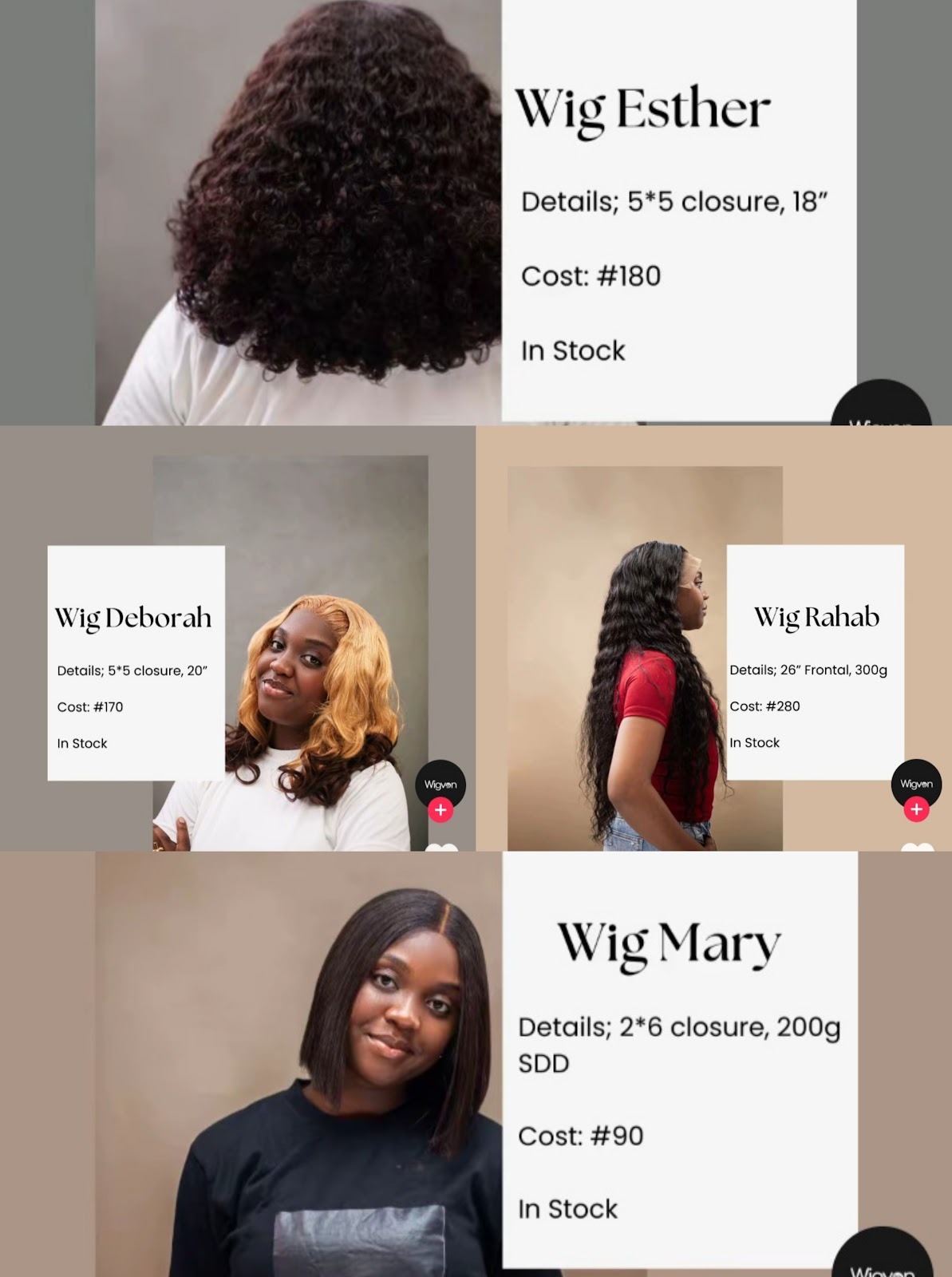
So there is this Nigerian woman who went viral on TikTok recently. She sells human hair wigs, good ones, apparently — and she markets herself as a faith-based brand. Her wigs are named after women in the Bible.
We are talking Wig Esther, probably a Deborah lace front, maybe a Mary closure. And she is proudly telling her audience that her business is rooted in her Christian faith.
The internet did what the internet does — some people praised her, some clowned her, and the rest just shared it for the drama. But underneath all the noise is an actually interesting question that nobody stopped to ask: what does selling wigs have to do with Christianity?
Let's talk about it.
When Faith Becomes a Brand Colour
There is a very real and very growing trend of Christians, particularly in Nigeria and across Africa, slapping faith onto everything they sell. Nobody is mad at Christians for being proud of their faith. That is not the conversation.
The conversation is about whether calling your wig brand "faith-based" actually means anything, or whether it is just a marketing strategy dressed in a Bible verse.
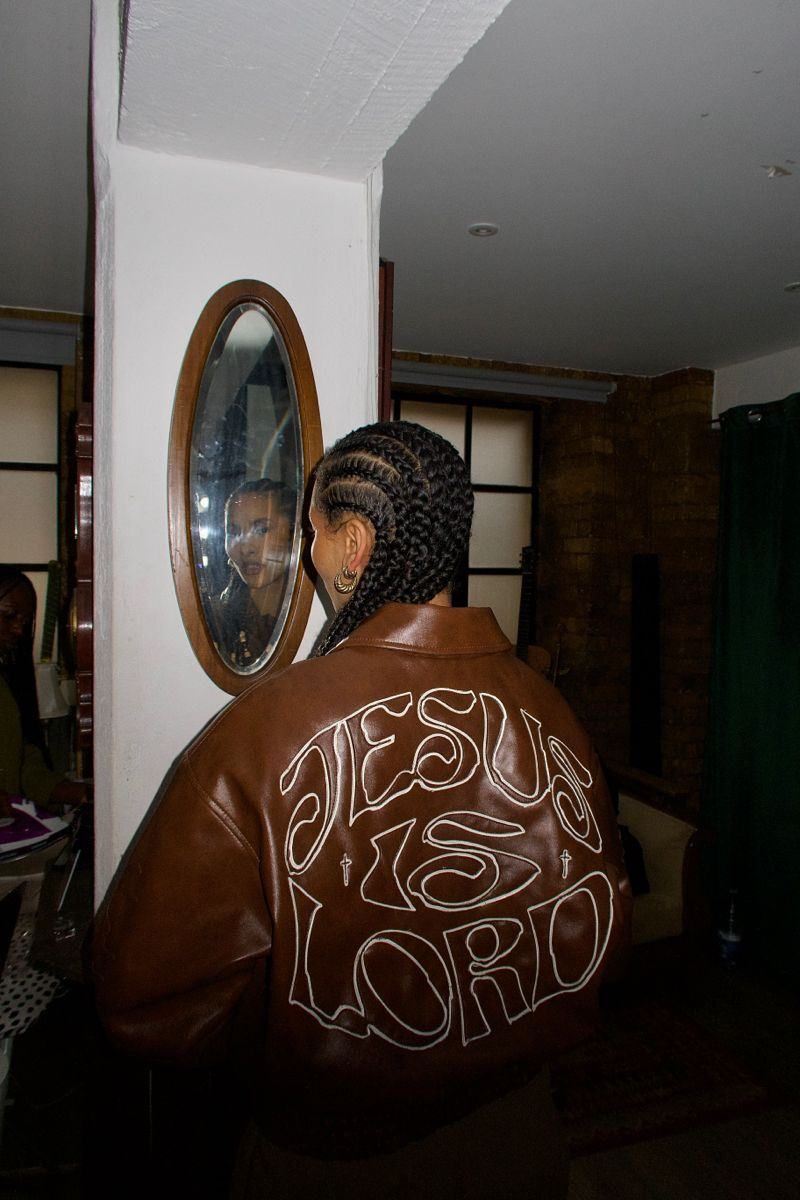
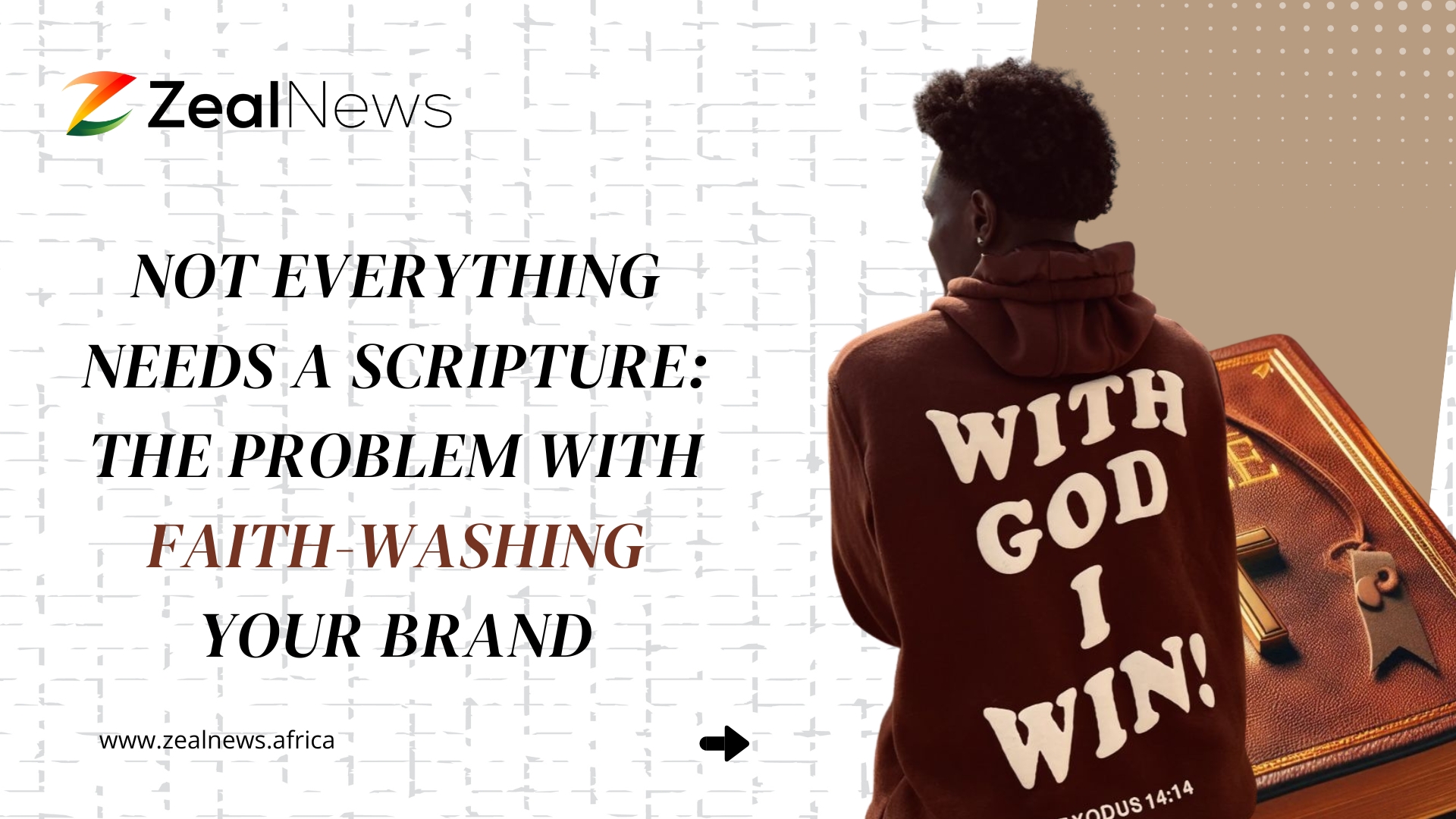
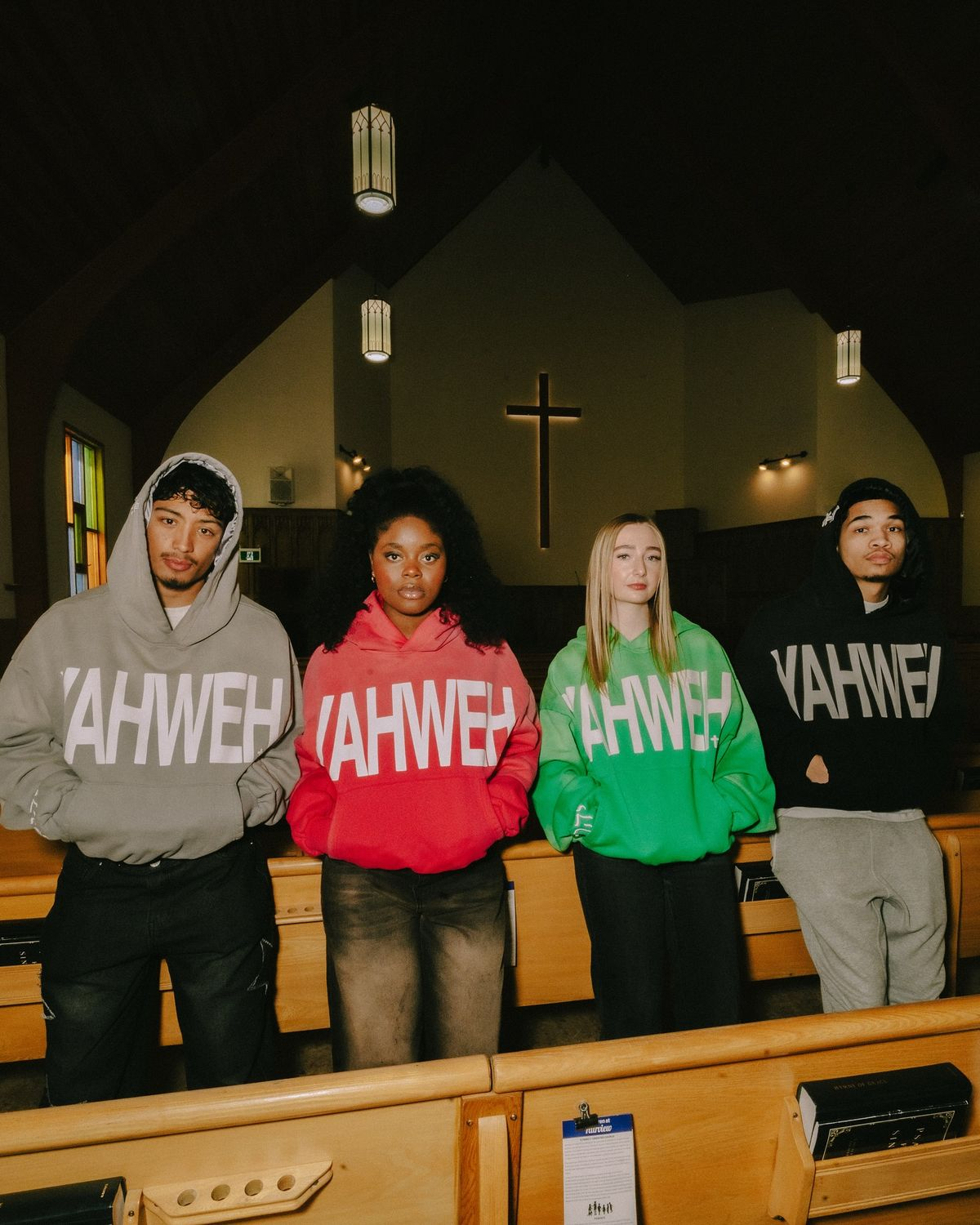
Think about it. If you run a clothing brand and you put scriptures on your shirts, there is a message there. The product carries the faith. If you sell devotional journals, Christian music, or sermon recordings — the product is the faith.
But a wig named Esther? How exactly does the Esther unit testify to the goodness of God? Does it come with a prayer card? Does buying it tithe 10% to a church? What exactly makes it faith-based?
The answer, in most cases, is nothing. It just sounds good.
This Is Just Niche Marketing, and You Know It
Now, we have to ask — is this genuine, or is this niche marketing? Nigeria has one of the highest concentrations of Christians in the world. Church is culture. Faith is identity.
So when you brand your business as "faith-based," you are not just making a spiritual statement, you are targeting a percentage of the population. You are saying, "Hey, fellow believer, buy from me because we serve the same God."
And that is a very smart business move. It is just not necessarily a spiritual one.
There is even a word for the broader version of this in the corporate world which is greenwashing, where companies pretend to care about the environment to attract eco-conscious buyers without actually doing anything meaningful.
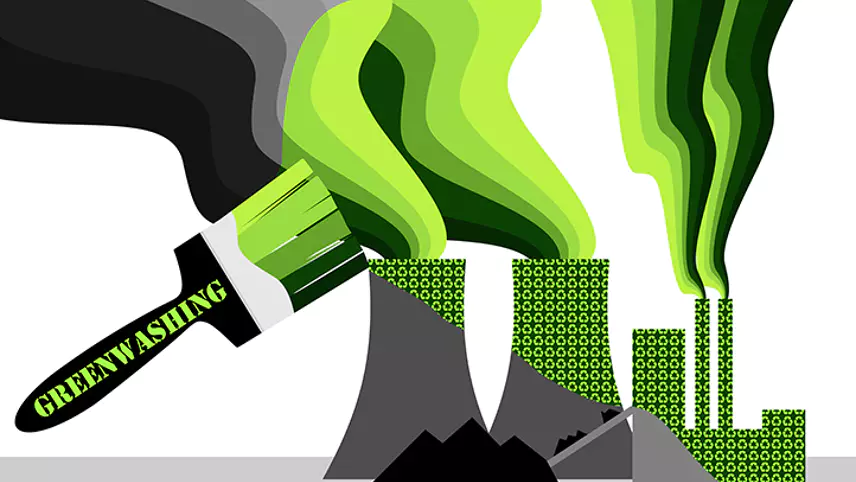
What some of these Christian entrepreneurs are doing could very well be called faith-washing. The aesthetics of devotion without the substance of it.
To Be Fair — Intention Does Matter
Social Insight
Navigate the Rhythms of African Communities
Bold Conversations. Real Impact. True Narratives.
Now, we have to be fair. Intention matters. Some business owners genuinely believe that working with integrity, treating customers well, and running an honest business is their ministry. That is a valid theological position.
The Bible does say whatever you do, do it as unto God. So if she is running her wig business with excellence and honesty, maybe that is her form of witness. Fine.
But the problem with that argument is that everyone who sells wigs could say the same thing. A Muslim wig vendor, an atheist wig vendor can all run honest businesses with integrity.
So if the faith-based label does not actually change the product, the pricing, the ethics, or the mission, then what is it doing there besides attracting Christian customers?
African Christians, We Need to Talk
African Christians need to start asking this question more seriously. Because we are incredibly loyal to anything that waves the faith flag. We will buy the product, share the page, and defend the brand — simply because it has a Bible name attached to it.

That loyalty is being noticed and it is being monetised.
This is not an attack on the woman or her wigs. Her business might be excellent. The Deborah unit might lay flatter than any wig you have ever owned. Good for her, genuinely.
But faith is not an aesthetic. It is not a brand colour or a naming convention. The moment we start treating it like one, we cheapen something that billions of people hold sacred.
Live It Out, Don't Just Label It
If your business model is genuinely shaped by your faith, in how you treat staff, how you price your products, how you handle customer complaints at 11pm, then live that out loudly. That is a story worth telling. That is a brand worth following.
But if the only thing "faith-based" about your wig brand is that you named your units after women in the Old Testament?
Sis, that is not a testimony. That is a catalogue.