The Iranian American Dilemma And Family Ties Amid Escalating Conflict
As tensions escalate between Iran and global powers, different families and settlements face fear, activism pressures, and emotional strain while navigating family ties, rising oil prices, airspace closures, and global instability.
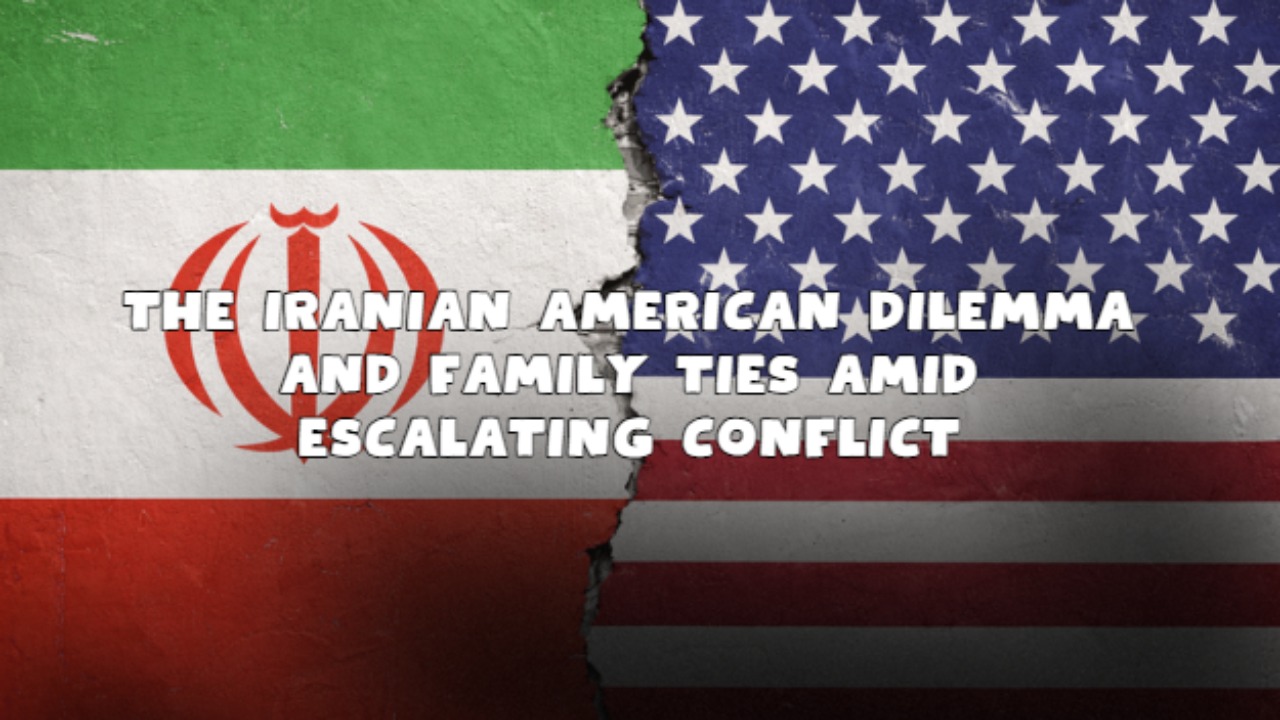
When we sit in front of a TV or scroll through our phones and we come across a headline announcing conflict, the news most times, often arrives in numbers.
You would be hearing some popular lines and statements that you're already familiar with: “Over 15 casualties recorded, dozens injured, strategic targets hit.”
Statistics move quickly across television screens and timelines. They sound almost normal and manageable, but the realities are always distant.
But behind every number you see on your screen is a father, a mother, a sister, a brother, a colleague, a friend and a spouse.
Families, friends and acquaintances that are being Mourned in real time by their loved ones.
And for the Iranian and immigrants in the country—the current escalation of tensions in the Middle East is not an abstract geopolitical update.
It is actually a personal one, laced with deep emotional fabrics. It is a daily confrontation between two homes: one they left behind, and one they are trying to build.
Conflict Are More Personal Than Political
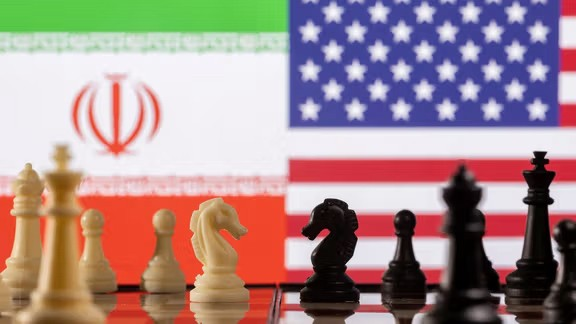
Wars and rumors of wars often dominate the global narrative in curated language. Analysts usually discuss military capability, governments release statements and retaliation of foreign states.
There are news anchors that debate on the effect of tension on the economy, prices of goods and movement of citizens.
As also seen in the instance of oil supply routes like we see threatening the global oil market via the strait of Hormuz and also defense systems.
But one truth remains, during news spread and update, empathy usually disappears when lives become numbers.
Instead of saying “19 people died,” we hear “over 15 casualties were recorded.” The language softens the blow. It makes tragedy sound almost normal or just part of another headline story.
Yet those 19 people had names. They had birthdays and lives they were living before the unfortunate incident .
They had unfinished conversations and dinner plans that will never happen again.
Diaspora Connect
Stay Connected to Home
From Lagos to London, Accra to Atlanta - We Cover It All.
For Iranian, the immigrants and other individuals from different nations, this emotional weight doubles.
They are watching footage of bombed neighborhoods where their extended family might live.
They are refreshing news feeds while trying to function at work.
They are fielding calls from anxious relatives asking whether it is safe to travel.

They are explaining politics to children who only understand that “something bad is happening.”
The tension between the United States and Iran has long been fragile.
But when escalation intensifies, whether through missile exchanges, regional strikes, or retaliatory rhetoric, the diasporans also absorb the shock even if not outrightly stating that they are diasporans.
Some are also navigating suspicion and scrutiny in their adopted countries.
From past events, moments of heightened geopolitical conflict have triggered increased surveillance, discrimination, or social hostility toward diaspora communities associated—fairly or unfairly—with their countries of origin.
Fear becomes layered. For those in their home country there is fear for family in the diaspora and for the diasporan there's fear of public perception abroad. There is also fear of what comes next.
A Region on Edge And The Toll On The Economy.
Beyond the human toll, the ripple effects of escalating tensions extend globally and are even felt by the seemingly peaceful nations.
Oil prices surge almost immediately when instability threatens supply routes.
The Strait of Hormuz, a narrow but strategically critical waterway between the Persian Gulf and the Gulf of Oman, carries roughly one-fifth of the world’s oil supply. Any disruption there sends shockwaves through global markets.
Diaspora Connect
Stay Connected to Home
From Lagos to London, Accra to Atlanta - We Cover It All.
When threats affect shipping routes or military installations, insurance premiums rise. Tankers reroute, energy markets react and within days, fuel prices increase thousands of miles away.
The aviation sector in this case is not spared either, airports are usually closed down temporarily due to airspace risks. Flights are rerouted and travelers are stranded mid-journey.
Families trying to evacuate loved ones find themselves trapped in bureaucratic and logistical delays.
Some governments normally begin evacuation efforts for their citizens in affected regions. Emergency advisories are issued and embassies coordinate extraction plans. Meanwhile, other countries are directly impacted by the conflict’s spread.
The United Arab Emirates and other several Persian Gulf neighbors, for instance, have previously found themselves entangled in regional tensions due to its security relationships and the presence of U.S. military bases.
Missile threats or retaliatory actions do not remain confined to one border. They expand through alliances.
And different diaspora communities are watching this expansion of regional threat with growing anxiety.
Because when airports close and airspace becomes restricted, it is not just geopolitics at play. Weddings are postponed, events are missed, plans are altered and parents unable to reach children.
The whole tension is felt just by those in the affected regions and not other places, because headlines have toned down the reactions of other parts of the world because of the use of words.
Between Activism and Survival: The Diaspora’s Double Burden
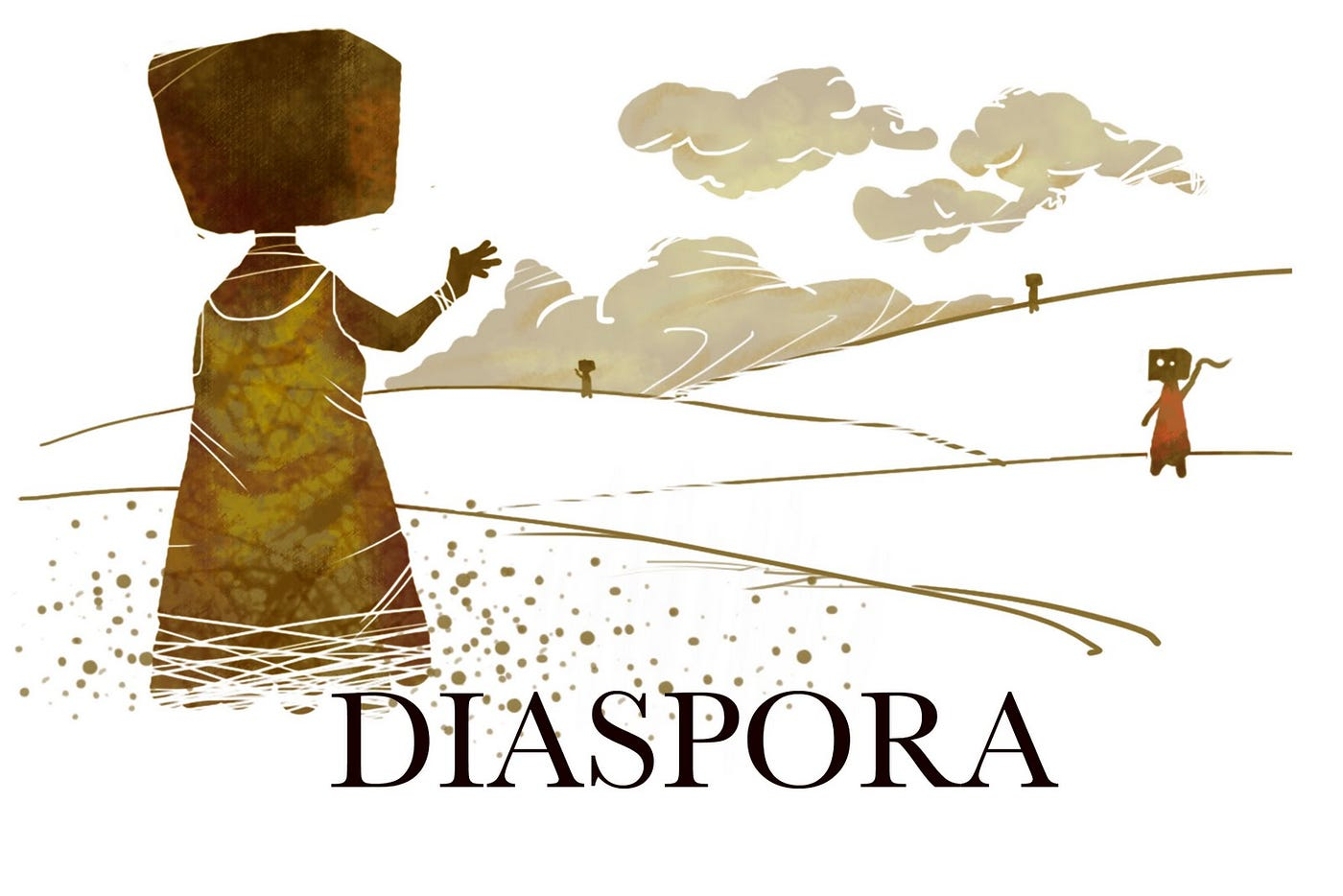
For many diasporans in Iran and other affected regions, there is also a moral tension.
Some engage in activism, advocating for de-escalation, human rights, and civilian protection. Others feel torn between criticizing policies and protecting relatives who still live under those policies.
Public statements can carry consequences both socially and for family members abroad.
Diaspora communities often carry the burden of explaining conflicts to outsiders while simultaneously processing their own trauma. They are expected to be informed, balanced and rational.
Diaspora Connect
Stay Connected to Home
From Lagos to London, Accra to Atlanta - We Cover It All.
But beneath that composure is emotional exhaustion: social media amplifies everything, graphic footage circulates rapidly, misinformation spreads just as quickly. Every notification becomes a potential trigger.
And yet, daily life continues. This is the paradox of diaspora existence during conflict: the war may not be physically around you, but it is mentally and emotionally ever-present.
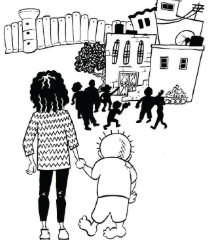
At the same time, solidarity will surely emerge. Community organizations usually mobilize resources and different fundraisers for humanitarian relief begins, but will all of this solve the pressing issues on ground.
Diaspora communities have played significant roles in shaping public discourse, lobbying policymakers, and influencing international awareness. But activism comes at a cost, especially when emotions are raw and the reality is more glaring.
Ultimately, the Iranian American dilemma is not simply about geopolitics, it is about identity and the life of everyone in this region.
It is about fearing for relatives thousands of miles away while also trying to feel safe where you stand. It is about refusing to let casualty numbers erase human faces.
When conflicts escalate, news cycles focus on real time happenings, strategy and statistics. But we need to remind ourselves that war is not just about territory or power.
It is about people.
And until headlines begin to center that humanity, the emotional toll will continue quietly, far beyond the battlefield.