The Eco Isn't Really About Money: Why ECOWAS Wants One Currency for 15 Countries
The ECOWAS Eco currency aims to unite 15 West African countries under one monetary system. Here is why the Eco matters, why it keeps being delayed, and what it could mean for trade, sovereignty and regional integration.
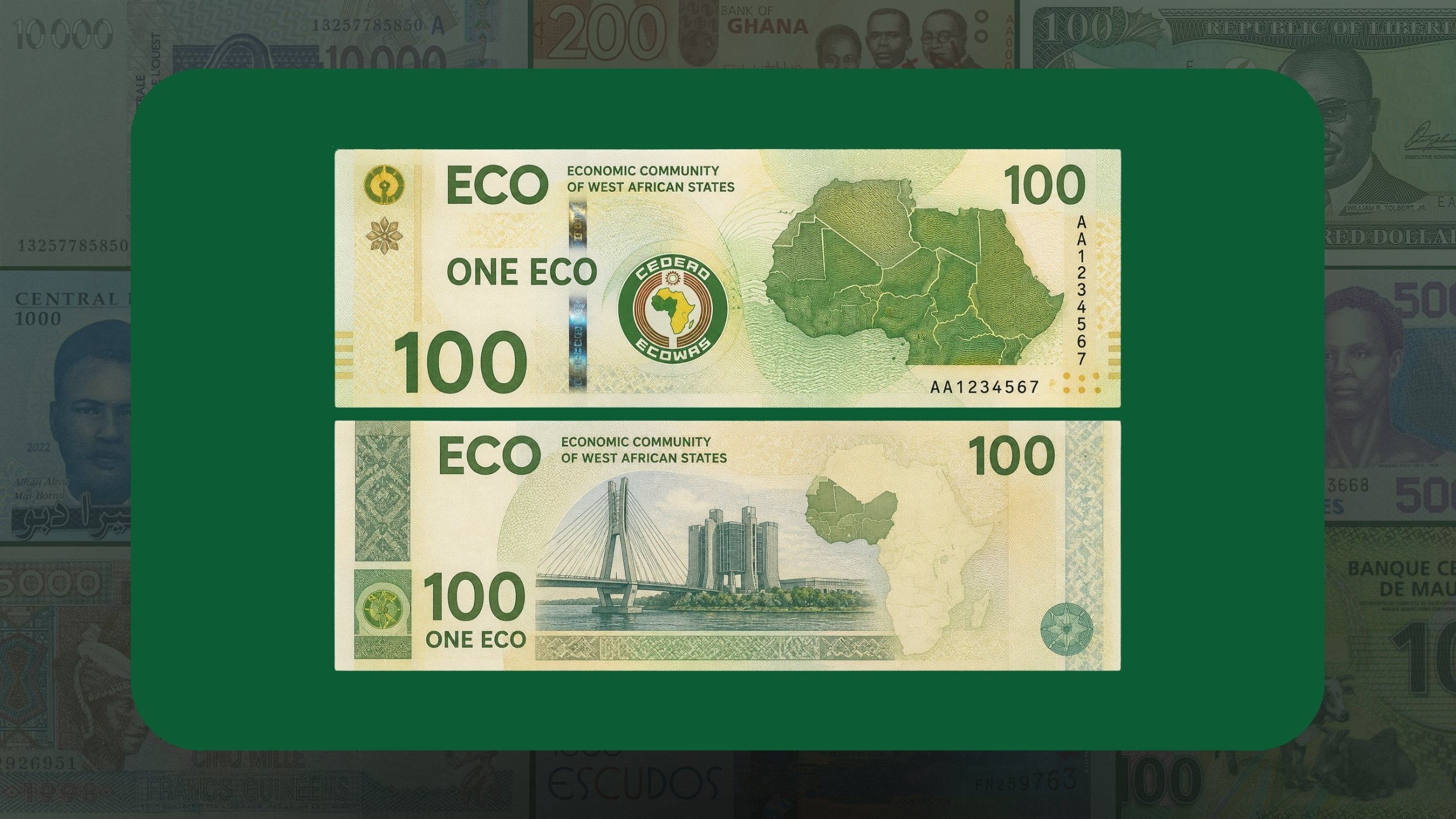
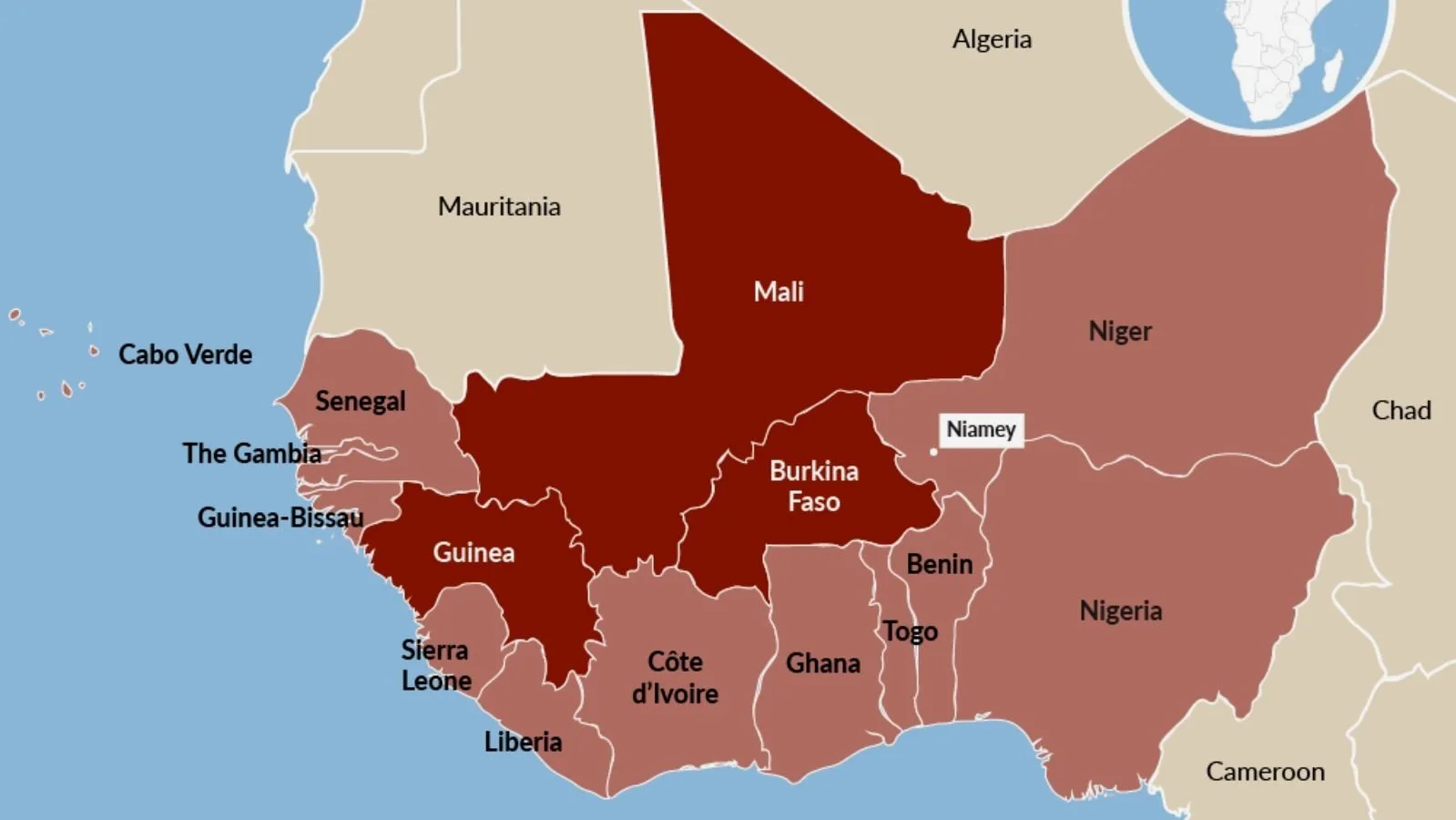
A real understanding of Eco, the single currency the Economic Community of West African States (ECOWAS) keeps promising and keeps postponing, starts from the understanding of the fifteen countries, seven currencies and that one stubborn colonial hangover in the bloc.
At its July 2026 summit in Lungi, Sierra Leone, the bloc once again reaffirmed a 2027 launch date, its fifth deadline since the idea was first floated decades ago. To understand why leaders keep returning to it despite repeated failure, look at where West Africa's money actually came from.
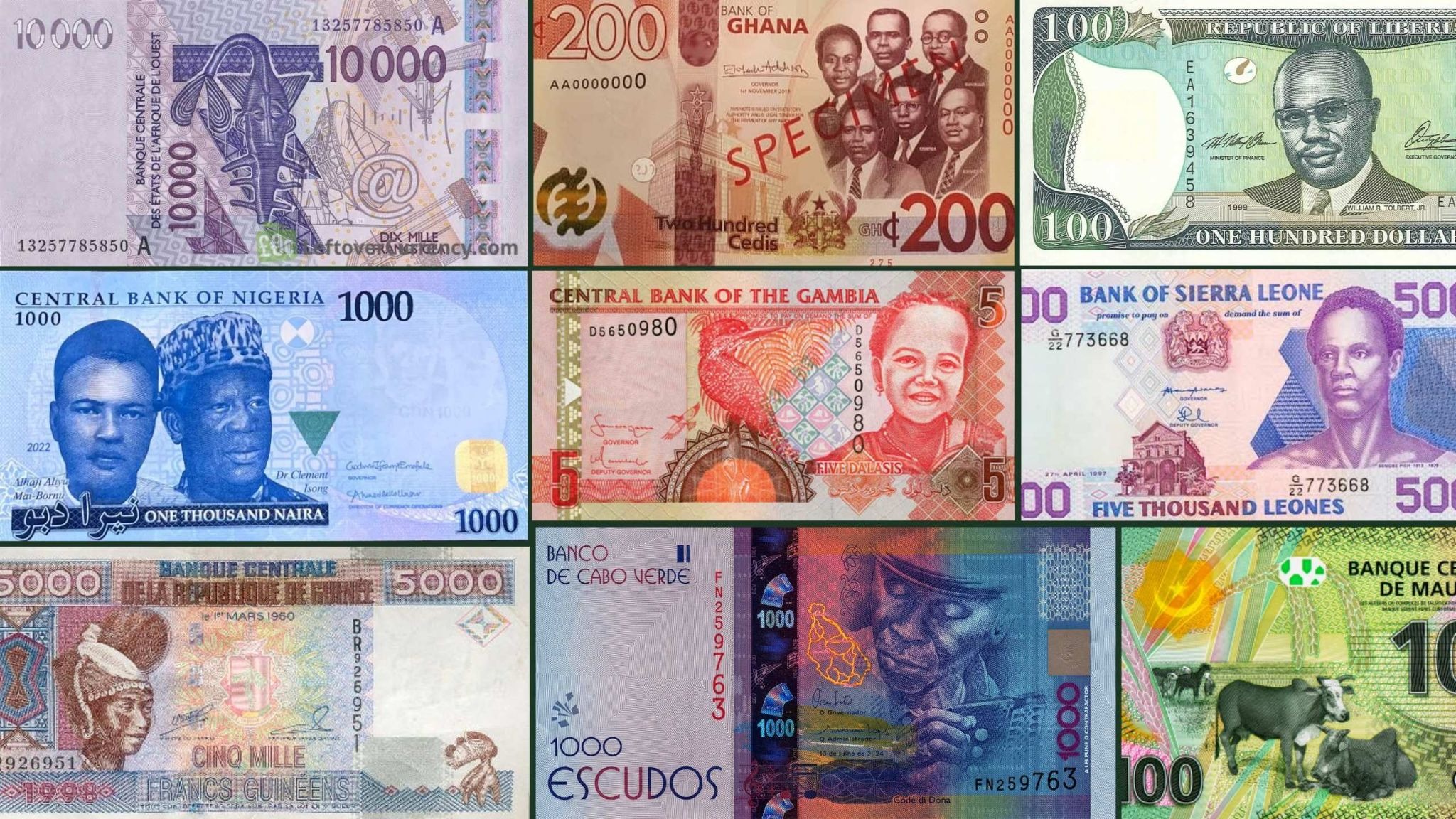
The Colonial Roots of West Africa's Currency Problem
Before independence, West Africa's money followed its colonizers. Anglophone territories including Nigeria, Ghana and Sierra Leone used the British West African pound, managed centrally by a currency board in London.
Francophone states used the CFA franc, created in 1945 and tied first to the French franc and later to the euro. When the British West African pound collapsed in 1968, Ghana had already broken away in 1958 with the cedi and Nigeria followed with the naira.
The CFA franc bloc never broke away. Eight countries in the West African Economic and Monetary Union (UEMOA) still use the West African CFA franc today. It is still pegged to the euro and effectively guaranteed by the Banque de France.
That fact explains most of the region's monetary fragmentation as one half of ECOWAS shares a currency anchored to Europe and the other half runs seven separate national currencies, none freely convertible outside its own borders.
Why ECOWAS Wants a Single Currency Called the Eco
The Eco project is an attempt to stitch these two currency worlds into one. UEMOA states have proposed reforming the CFA franc into the eco first, with the idea that it could later extend to the rest of ECOWAS.
With this in place, a trader moving goods from Lagos to Accra or Abidjan who still currently converts naira to cedi or CFA franc, losing money at every stop to fees and unfavorable rates, will no longer have to do that.
A single currency removes those friction points, making intra-regional trade cheaper and more predictable.
There is also a political dimension. Part of the appeal for UEMOA states is gaining full fiscal and monetary independence from France, ending an arrangement many West Africans view as unfinished colonial control.
Europe already proved a shared currency across sovereign states can function at scale, so ECOWAS does not need to prove the concept. Its challenge is getting fifteen economies at wildly different stages of development to agree on how to run one.
The Convergence Criteria Nobody Can Meet
ECOWAS built a criteria for eligibility and it is the main reason the Eco keeps failing to be implemented. The West African Monetary Institute set ten convergence criteria, split into four primary and six secondary benchmarks, that member states must satisfy before adopting the currency.
The primary targets cover budget deficits, inflation, central bank financing of government spending and foreign reserves. This translates to single-digit deficits, controlled inflation, and manageable public debt loads across the whole bloc at the same time.
Almost no country manages all three at once. Only Ghana has ever cleared every primary bar in one fiscal year, and even that streak did not last.
This is the real answer to what could go wrong. The Eco does not fail because the idea is bad, it fails because synchronizing fifteen fiscal policies, several oil-dependent, some euro-pegged, and one, Nigeria, holding roughly two-thirds of the bloc's output, is extraordinarily hard to align at once.
What a Shared Eco Could Get Right
Currency conversion costs quietly tax every trader, remittance sender, and small business operating across borders in West Africa. A shared Eco would let a Ghanaian exporter invoice a Nigerian buyer without either side absorbing spread losses on the naira-cedi pair.
It would give the region one voice in monetary policy instead of eight-plus central banks working at cross-purposes, and deepen capital markets by giving investors one currency to underwrite rather than fifteen.
For citizens, the clearest daily benefit would be predictability. Prices measured in one unit instead of shifting against a patchwork of exchange rates every border crossing.
Setting the Eco's Value Against the US Dollar
What will decide whether the Eco actually functions is what pegs its worth against the dollar because two broad paths already exist.

The first mirrors the current CFA franc model, a fixed peg, most likely to the euro or a basket including the dollar, guaranteed by reserves and possibly external backers.
An alternative design gives the Eco a flexible exchange regime guided by inflation targeting instead of a fixed peg, letting its dollar value float based on the bloc's combined trade balance, reserves and inflation performance.
Nigeria's naira has floated and devalued sharply in recent years while the CFA franc has stayed fixed to the euro. Merging both philosophies into one exchange rate policy is arguably harder than meeting the fiscal criteria, since it means Nigeria, the bloc's largest economy, would accept a shared monetary authority setting rates instead of its own central bank.
Conclusion
The Eco was never really about producing a new banknote. It is a test of whether West African governments can subordinate national fiscal habits to shared regional discipline, the same test the eurozone passed only after decades of institution-building and still strains under during crises.
ECOWAS has set 2027 as its fifth attempted deadline. Whether that would be the last one before implementation depends less on politics and more on whether Nigeria's inflation, Ghana's debt load and the CFA bloc's euro peg can be reconciled into one number the world is willing to trust.