Six Women, One Global Prize. Nigeria’s Iroro Tanshi in the Spotlight
Nigerian conservation scientist Iroro Tanshi has been named one of six winners of the 2026 Goldman Environmental Prize, bringing global attention to Nigeria’s environmental leadership.

Every year, the Goldman Environmental Prize honours individuals leading environmental action in their communities, often outside government systems and major institutions.
This year’s edition stood out for one reason: all six winners were women.
The 2026 recipients came from South Korea, the United Kingdom, Papua New Guinea, the United States, Colombia, and Nigeria, each recognised for tackling urgent issues ranging from climate litigation and mining accountability to anti-fracking campaigns and biodiversity protection.
For most global audiences, this is a story about six women being recognised for environmental leadership.
For Nigeria, however, the conversation narrows quickly to one name: Iroro Tanshi.
Her inclusion gives Nigeria a place in a global conversation it is not often visible in.
The Nigerian Winner Drawing Global Recognition
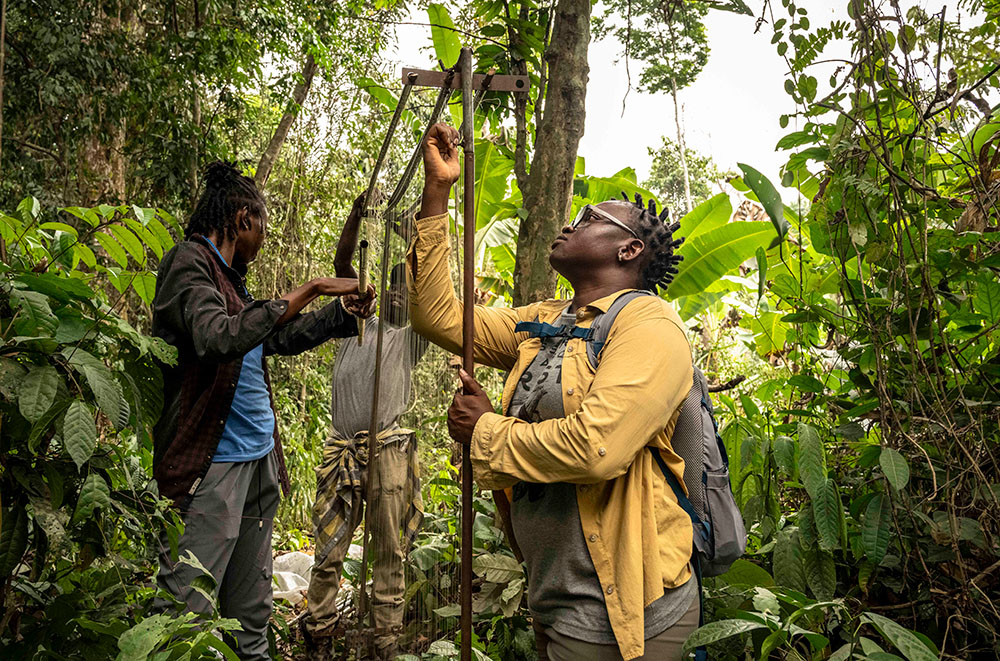
In Nigeria, public recognition usually follows familiar paths.
Politics dominates headlines, entertainment creates celebrity, technology attracts investor attention, sports delivers national celebration, but conservation rarely enters that list.
That is part of what makes Iroro Tanshi’s recognition notable.
She is not being celebrated for visibility, but for work that is often done far from public attention.
As a conservation scientist, Tanshi has focused on protecting biodiversity in southern Nigeria, particularly species threatened by habitat destruction and ecological pressure.
Her Goldman Prize recognition introduces a different image of Nigerian excellence, one rooted in science, environmental protection, and long-term impact rather than public spectacle.
It also widens the idea of what global Nigerian success can look like.
The Work That Earned Her Global Recognition
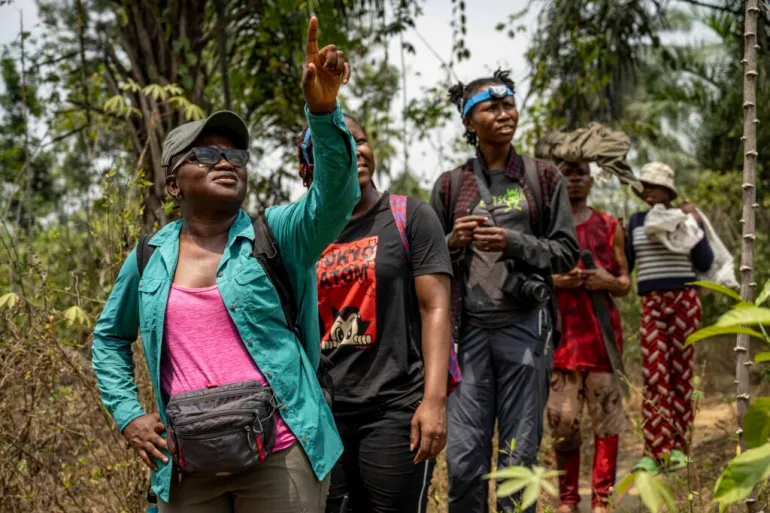
A major focus of Tanshi’s work has been bat conservation.
To many people, bats are animals associated with fear or discomfort.
In reality, they are ecologically important species that support healthy ecosystems by pollinating plants, dispersing seeds, and controlling insect populations.
Their disappearance can create a wider environmental imbalance.

In parts of Nigeria, bat populations face pressure from deforestation, hunting, habitat loss, and bushfires.
Tanshi’s work has centred on drawing attention to these threats while promoting biodiversity protection more broadly.
Her approach goes beyond scientific research alone.
Conservation at this level depends heavily on local awareness and community cooperation, especially in regions where environmental priorities compete with economic realities and everyday survival.
That makes the work slow, practical, and often invisible, and awards like the Goldman Prize help make such work visible.
A Different Kind of Nigerian Success Story
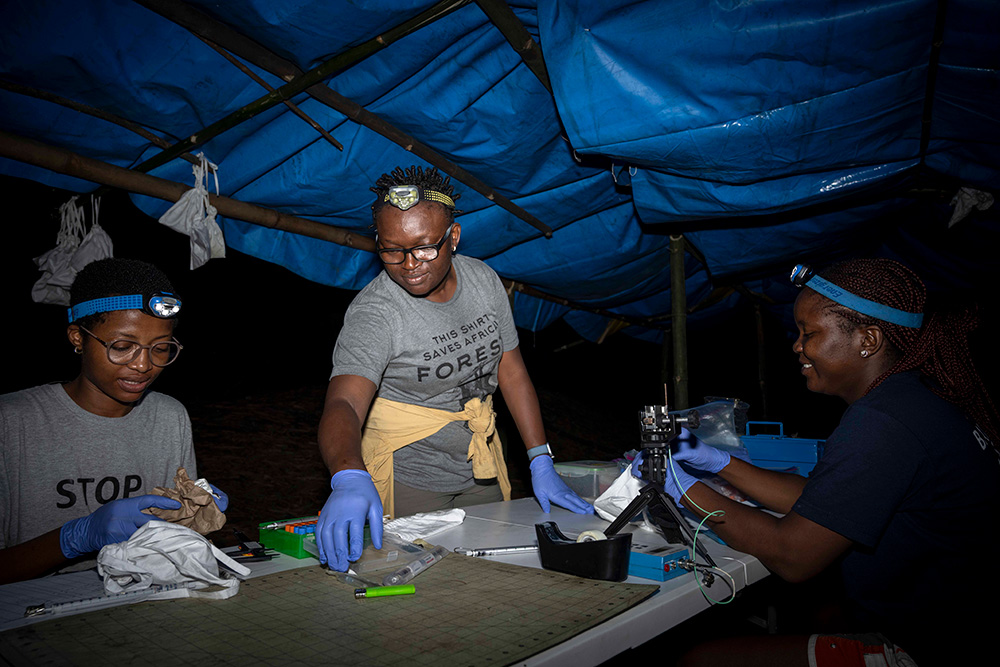
There is something quietly powerful about the nature of this recognition.
At a time when environmental issues in Nigeria continue to grow, from flooding and erosion to pollution and deforestation, her presence on the global winners’ list feels timely.
It is both personal recognition and symbolic representation.
Six women won one of the world’s most respected environmental prizes in 2026.
One of them is Nigerian.
A reminder that Nigeria continues to produce globally relevant work in fields often overlooked at home.