When Global Conflict Disrupts Supply Chains, Children Pay the Price in Somalia
Global conflict-driven shipping disruptions are slowing aid deliveries to Somalia, worsening malnutrition among children already dependent on life-saving therapeutic food.
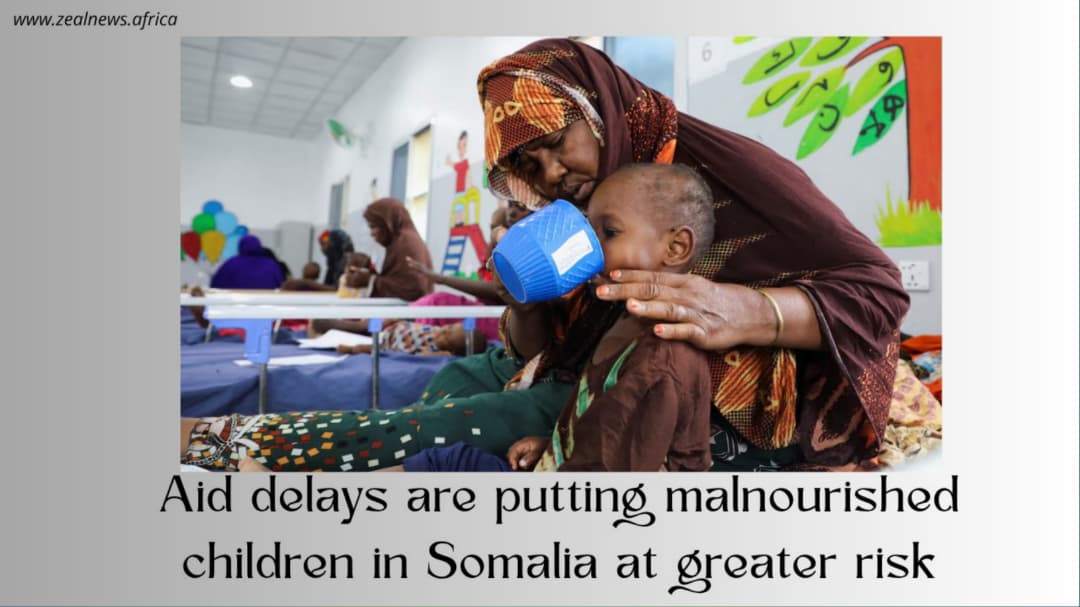
In Somalia, a child arrives at a clinic severely malnourished, but the treatment that could save their life is no longer guaranteed.
Across nutrition centres, health workers are making difficult decisions, rationing therapeutic food or turning families away entirely.
The reason is not a sudden rise in hunger alone, but something more indirect: global supply chains that are breaking under pressure from conflict far beyond Somalia’s borders.
What happens in one region of the world is now quietly influencing survival in another.
A fragile lifeline under pressure
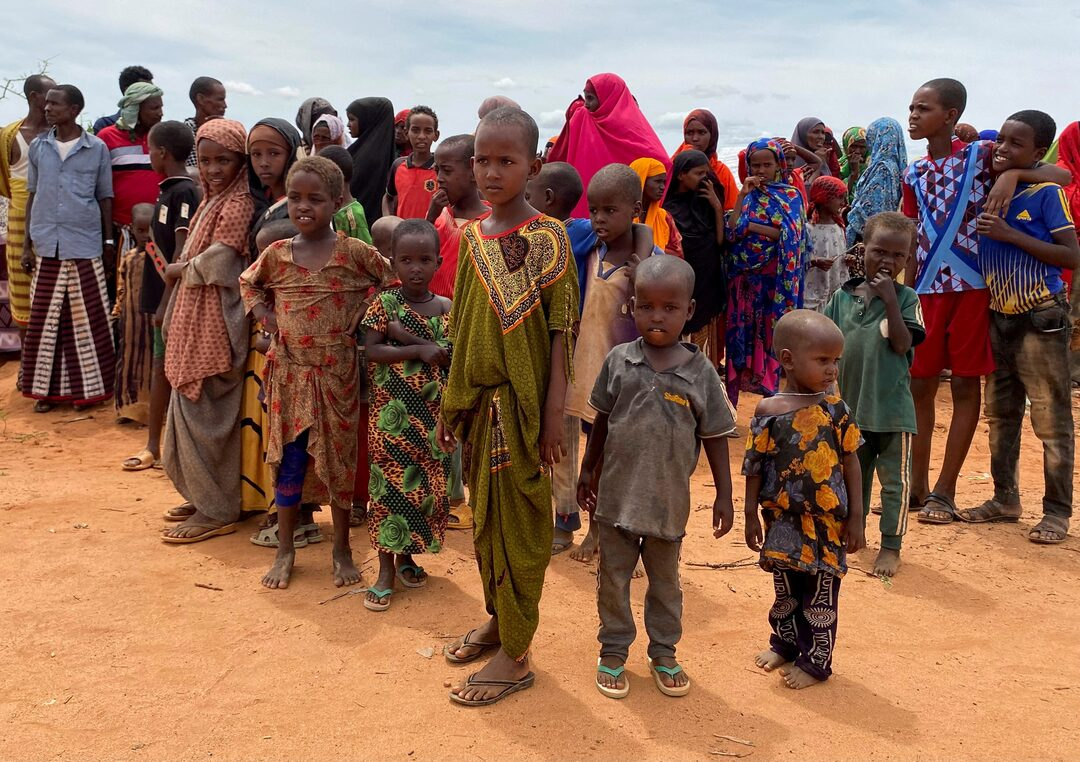
For years, Somalia’s response to severe acute malnutrition has depended heavily on imported therapeutic foods like specialised milk formulas and peanut-based pastes designed to restore health in children who are critically undernourished.
These supplies move through a long chain of ports, shipping routes, and distribution hubs that span continents. And once that chain slows, the impact is immediate.
Recent disruptions linked to wider geopolitical tensions and conflict in the Middle East have created delays in maritime transport routes.
Cargo that once moved within weeks is now taking significantly longer to reach East Africa. In some cases, shipments are being rerouted entirely, increasing both travel time and cost.
For health facilities that operate on tightly managed stock levels, even small delays quickly turn into shortages.
When delay becomes denial
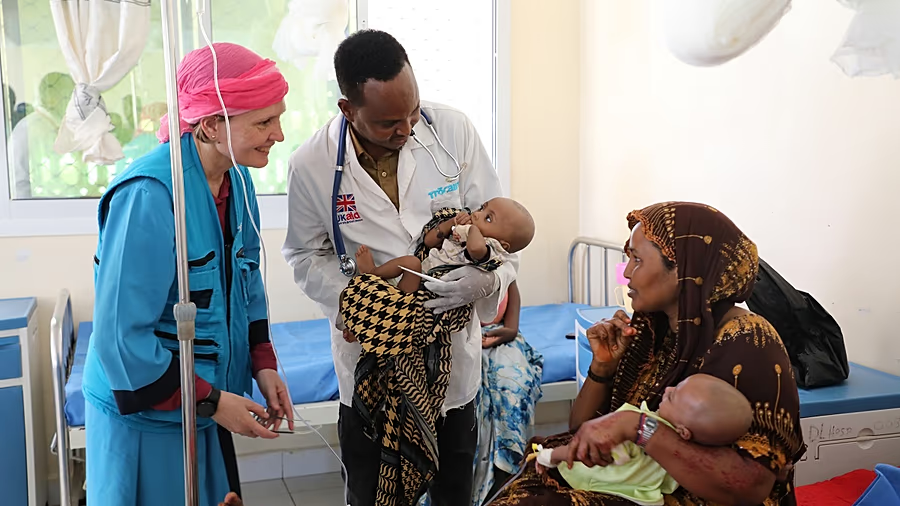
In therapeutic feeding centres, timing is not flexible.
A child suffering from severe acute malnutrition cannot wait for “next month’s delivery.” Treatment depends on consistent daily doses of specialised food over a structured period.
But that consistency is now under strain.
Health workers report having to reduce rations to stretch limited supplies. In some cases, children are asked to return later because stock has run out entirely.
These interruptions do not just slow recovery, they increase the risk of relapse or long-term complications.
What makes the situation more difficult is that Somalia is already operating under pressure from prolonged drought, food insecurity, and reduced humanitarian funding.

The supply chain disruption does not replace these problems; it compounds them.
The situation shows something often overlooked in global aid discussions: how dependent survival systems are on long, fragile logistics chains.
The hidden cost of global instability

The impact of these disruptions is not evenly distributed, it is felt most sharply in places already facing structural vulnerability.
In Somalia, more than a million children are estimated to suffer from severe acute malnutrition. Many rely entirely on aid-supported treatment programmes for survival.
When those programmes are interrupted, there is often no alternative source of care.
This is where global instability becomes a local crisis.
A shipping delay in one region translates into a missed treatment cycle in another. Rising freight costs mean fewer supplies purchased. Route diversions mean longer waits for food that cannot be delayed.
And what is unfolding is not only a humanitarian challenge, but also a structural one.
Humanitarian supply chains were built for efficiency under relatively stable global conditions. Increasingly, they are operating in an environment shaped by overlapping crises, conflict, climate stress, fuel price volatility, and funding reductions.
Each factor alone creates pressure. Together, they reshape how aid flows and how quickly it arrives.
A crisis without borders
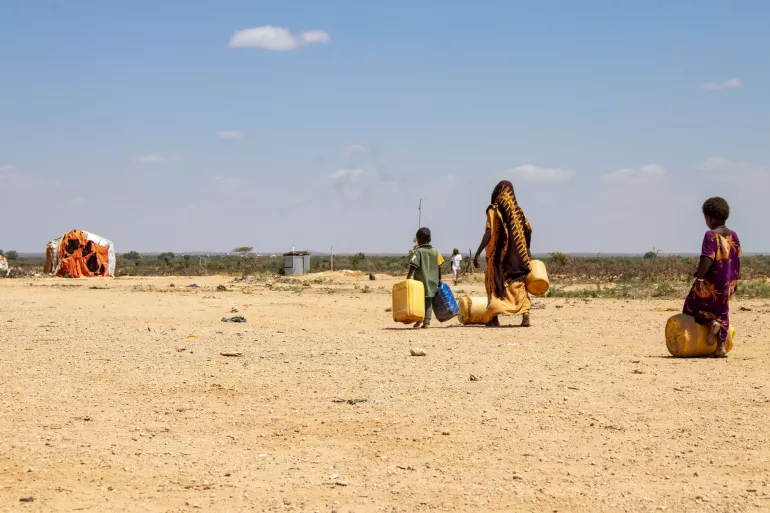
It is easy to view malnutrition as a local or national issue. But the reality is more interconnected.
The journey of a single packet of therapeutic food reflects a global system: raw materials, manufacturing, shipping lanes, customs clearance, and humanitarian distribution networks.
When any part of that system slows down, the effects are not theoretical, they are measured in missed meals, interrupted treatment, and increased risk for children who are already critically vulnerable.
Somalia’s situation is not isolated. It is a reminder that in an interconnected world, even distant conflicts can shape survival outcomes thousands of kilometres away.
And for families waiting outside treatment centres, those global disruptions are not abstract.
They are immediate, personal and they are measured in time children do not have.