The Hustle Economy: Productivity or Modern Survivalism?
From side gigs to personal brands, the hustle economy has become a way of life. Yet beneath the motivational slogans lies a troubling question: why is one income no longer enough?
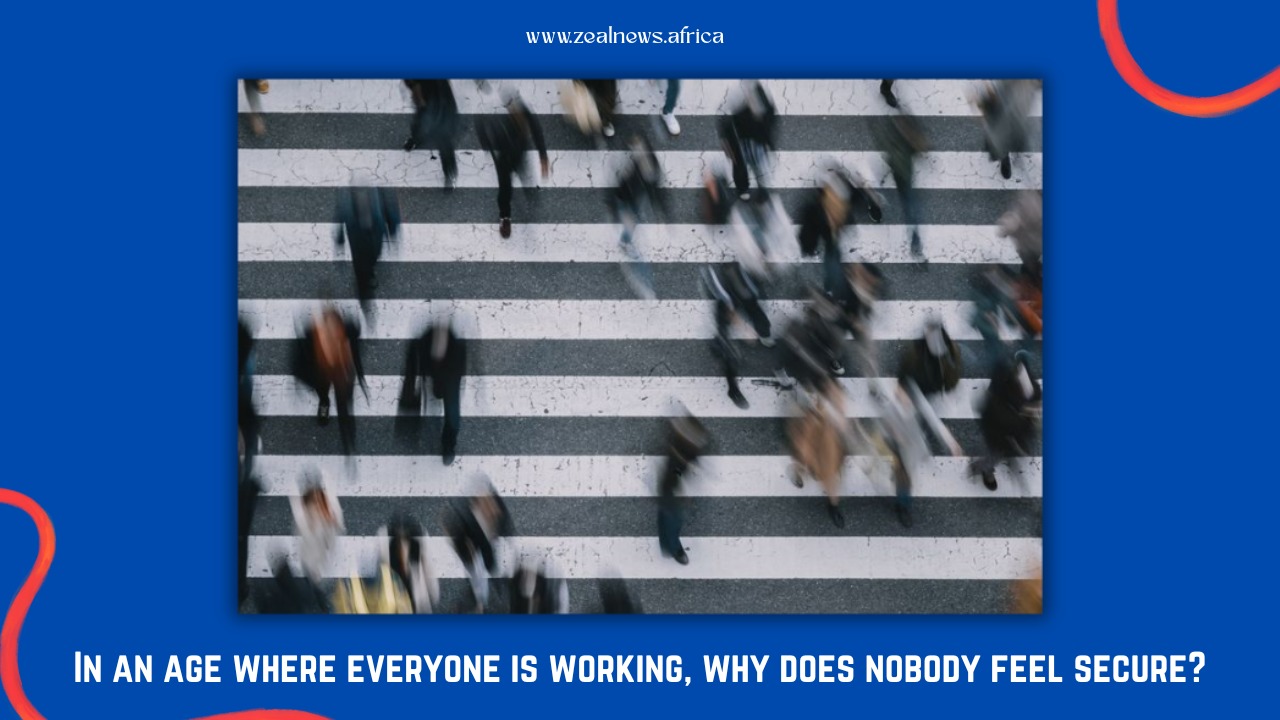
There was a time when having a job was considered enough.
A teacher could raise a family, a civil servant could buy a house, and a factory worker could reasonably expect that years of work would translate into stability.
Employment was not merely a source of income; it was a social contract. Work hard, contribute to society, and society would provide a pathway to security.
That contract appears to be breaking down.
Today, millions of people wake up before sunrise, work through the day, manage side businesses at night, freelance on weekends, and still worry about their financial future. Across Africa and much of the world, the ability to survive increasingly depends not on having a job but on having multiple jobs.
Yet society does not describe this as a crisis. Instead, it celebrates it, and now we have branded it as HUSTLE
From LinkedIn motivational posts to TikTok success stories, hustle culture has become one of the defining ideologies of modern economic life. The hustler is portrayed as ambitious, resilient, and future-focused. The more income streams one has, the more admirable one appears.
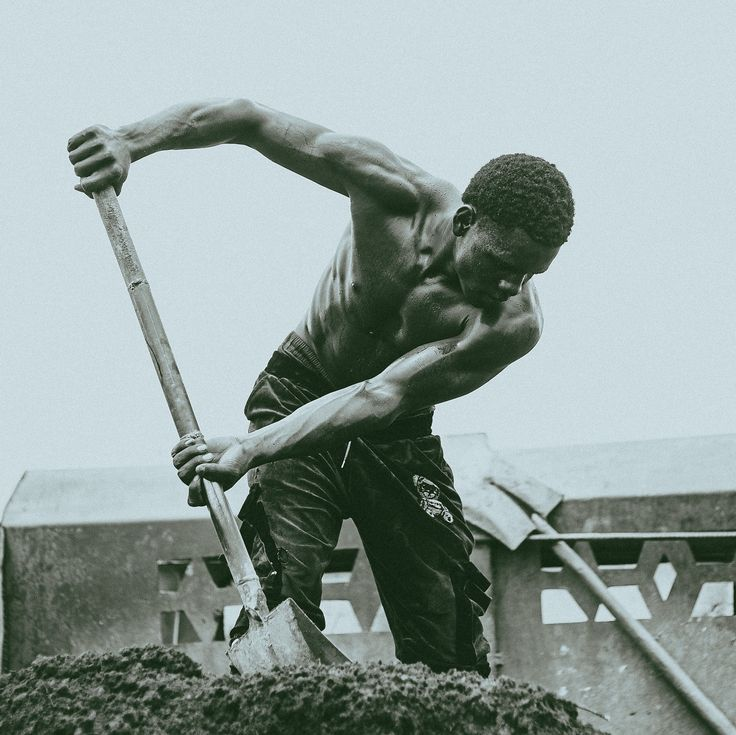
But beneath the inspirational slogans lies a question:
If millions of people need two or three sources of income simply to maintain a decent standard of living, is hustle really a sign of productivity, or is it evidence of economic survivalism?
When Survival Is Rebranded as Ambition
One of the most remarkable achievements of modern culture is its ability to transform necessity into aspiration.
Consider the average young professional in Lagos. They may work a full-time corporate job, run an online business, freelance on weekends, and manage investments on the side. Social media celebrates this lifestyle as proof of discipline and ambition.
What is often ignored is the reason behind it.
For many people, a single income no longer provides sufficient economic security. Rising housing costs, inflation, transportation expenses, healthcare costs, and family obligations have created an environment where one salary is frequently inadequate.
The side hustle, therefore, is not always a pathway to wealth. Sometimes it is a mechanism for preventing decline.
Yet the language surrounding hustle culture rarely acknowledges this reality. Instead, it frames constant work as a personal virtue. Those who work endlessly are admired. Those who seek balance are often portrayed as lacking drive.
If a person is struggling financially, the solution is presented as working harder rather than questioning why full-time work is no longer enough.
The result is a culture where exhaustion is mistaken for ambition and survival is mistaken for success.
The Rise of the Working Poor
Historically, poverty was associated with unemployment.
Today, a growing number of people experience something different: employment without security.

They are educated, skilled, productive, and employed, yet they remain economically vulnerable.
This phenomenon has created what economists often describe as the "working poor”; individuals who participate fully in the labour market but remain unable to achieve financial stability.

When previous generations worked, they often expected their efforts to produce long-term assets: a home, savings, retirement security, and economic mobility.
Many young workers today are pursuing something more basic: staying afloat.
This helps explain why conversations about productivity often feel disconnected from lived reality. Productivity suggests progress, survival suggests maintenance.
A person working sixteen hours a day may be extraordinarily productive, but if those efforts merely prevent financial collapse rather than create economic advancement, then something fundamental has changed.
The hustle economy has blurred the distinction between movement and progress.
Being busy is not necessarily the same as moving forward.
How Technology Turned Everyone Into a Business
The rise of digital technology has intensified this transformation.
Previous generations primarily sold their labour. Modern workers are increasingly expected to sell themselves.
Social media has created an environment where every skill, hobby, interest, and personality trait can potentially be monetised. Photography becomes a business, fitness becomes content, opinions become brands. Daily life becomes a product.
The modern worker is no longer simply an employee. They are a marketer, content creator, entrepreneur, and personal brand manager.
At first glance, this appears empowering. Digital platforms have lowered barriers to entry and created new economic opportunities.

However, they have also expanded the boundaries of work itself.
The workday no longer ends when employees leave the office. Professional networking continues online. Content must be created. Audiences must be engaged. Opportunities must be pursued.
In many ways, technology has not merely changed how people work. It has changed what counts as work.
The consequence is a society where economic activity increasingly occupies spaces that were once reserved for leisure, community, and rest.
The question is no longer whether people are working.
The question is whether they are ever truly off work.
Africa's Long History of Hustling
While hustle culture is often presented as a modern phenomenon, Africans understand something many global commentators overlook.
The hustle existed long before the hashtag.
For decades, economic uncertainty has required Africans to develop multiple streams of livelihood. Teachers farmed, traders invested in transportation, civil servants operated side businesses, and market women diversified their income sources.
What many Western observers describe as entrepreneurial innovation often resembles a long-standing African strategy for managing economic instability.
The difference today is that technology has globalised the experience.
The conditions that once characterised developing economies are increasingly appearing in advanced economies. Job security is declining, and contract work is expanding. Benefits are shrinking, and economic uncertainty is becoming normalised.
In this sense, the hustle economy is not simply an African story or a Western story.
It is a global story about how individuals adapt when institutions become less capable of guaranteeing stability.
The danger lies in romanticising that adaptation.
Resilience is admirable. But societies should be cautious about celebrating resilience to the point where they stop questioning the conditions that make resilience necessary.
Beyond the Celebration of Busyness
Perhaps the greatest illusion of the hustle economy is its equation of busyness with value.
Modern culture often rewards visibility over wellbeing. The busiest person in the room is assumed to be the most productive. The individual juggling five projects is considered more ambitious than the person who chooses a slower pace.
Yet history suggests that meaningful progress has never been measured solely by the number of hours worked.
The true purpose of economic development is not to create more work. It is to improve human wellbeing.

A society should not judge its success by how many people are hustling. It should judge its success by how many people no longer need to.
The celebration of hustle often obscures a deeper question: Why are so many people required to work so much merely to achieve what previous generations considered ordinary?
Until that question is confronted honestly, hustle culture will remain both an inspiring story of human resilience and a troubling symptom of economic insecurity.
The tension between those two realities defines the modern economy.
And perhaps that is the question we should be asking:
If the future of work requires everyone to become a hustler, have we created a more productive society, or simply a more sophisticated struggle?