Africa's Dark Files: Love, Lies and the Death of Monica Kimani
Monica Kimani was found murdered in her Nairobi apartment hours after landing in Kenya. Five years of CCTV footage, forensic blood evidence, and celebrity entanglement later, justice finally came.

She landed at Jomo Kenyatta International Airport on the evening of September 19, 2018 after a long trip with flight booked and hopes to be in Dubai the next day. She never made it.
Monica Nyawira Kimani, 28, was the managing director of Millypol General Trading Company Limited, a cleaning services and interior design firm in Juba, South Sudan. She was the eldest daughter of Bishop Paul Kimani Ngarama.
By the time family members began calling her phone the next day, unanswered call after unanswered call, Monica was already dead inside her Lamuria Gardens apartment in Kilimani, Nairobi.
Her throat had been slit from ear to ear. Her hands and legs were bound with cable ties and the water in the bathtub where her body lay was still running, while the candles burned around it.
Investigators described the attack as requiring exceptional skill. "The person who killed the deceased," Justice Grace Nzioka would later say from the bench, "did not intend to give her even one minute to survive."
Who Was Monica Kimani? The Kenyan Businesswoman Behind East Africa's Most Watched Murder Trial
Monica was more than another name in a police file. She was a young entrepreneur operating across East Africa and South Sudan's volatile but lucrative economy, building something real.
When family members could not reach her that morning, a Lebanese neighbour tried to visit and found the apartment locked. The police were alerted and what they found inside launched one of Kenya's most forensically meticulous and socially captivating murder trials.
This is a case that would take more than five years to resolve.
How CCTV Footage and Forensic Blood Evidence Cracked the Monica Kimani Murder Case
The investigation moved quickly once CCTV footage from the Lamuria Gardens complex was reviewed. Cameras captured a man entering the building on the night of September 19. Former Kilimani DCI boss, Fatuma Hadi, later confirmed to The Standard that this footage was the first major breakthrough that allowed investigators to identify the suspect and trace the clothing he had worn.

Those clothes foreshadowed the next chapter of the story. Partially burnt items were recovered from a trench outside a residential compound in Lang'ata with DNA analysis confirming blood traces.
Brown khaki shorts that were brought in as a court exhibit tested positive for Monica Kimani's blood during forensic examination. Phone data confirmed Joseph "Jowie" Irungu was at Lamuria Gardens that night. Cell records indicated he left the scene at approximately 11:35 PM.
His friend, Jennings Orlando,later confirmed meeting Irungu on foot at a nearby petrol station at 11:40 PM, after which Irungu boarded a vehicle belonging to his then-fiancée, Jacque Maribe, a prominent journalist at Citizen TV.
The two were subsequently spotted together at Club 40 Forty in Westlands until 4 AM.
To gain entry to Monica's apartment building that evening, Irungu had used a stolen ID card, accessing House Number 8, Block A, her unit. He had also acquired a firearm under false pretences.
The following morning, according to testimony from neighbour Brian Kassaine, Jowie asked for something flammable and burned clothing outside their compound. Investigators recovered the partially burnt evidence before it was fully destroyed.
The Jowie Irungu and Jacque Maribe Affair: Celebrity, Media, and the Monica Kimani Murder Investigation
What made the Monica Kimani murder case captivate Kenya so completely was not only the brutality of the killing but the identities of those charged.
Joseph "Jowie" Irungu was engaged to Jacque Maribe, one of the country's most recognisable television journalists, and the two had been living together at Royal Park Estate in Lang'ata for over a year.
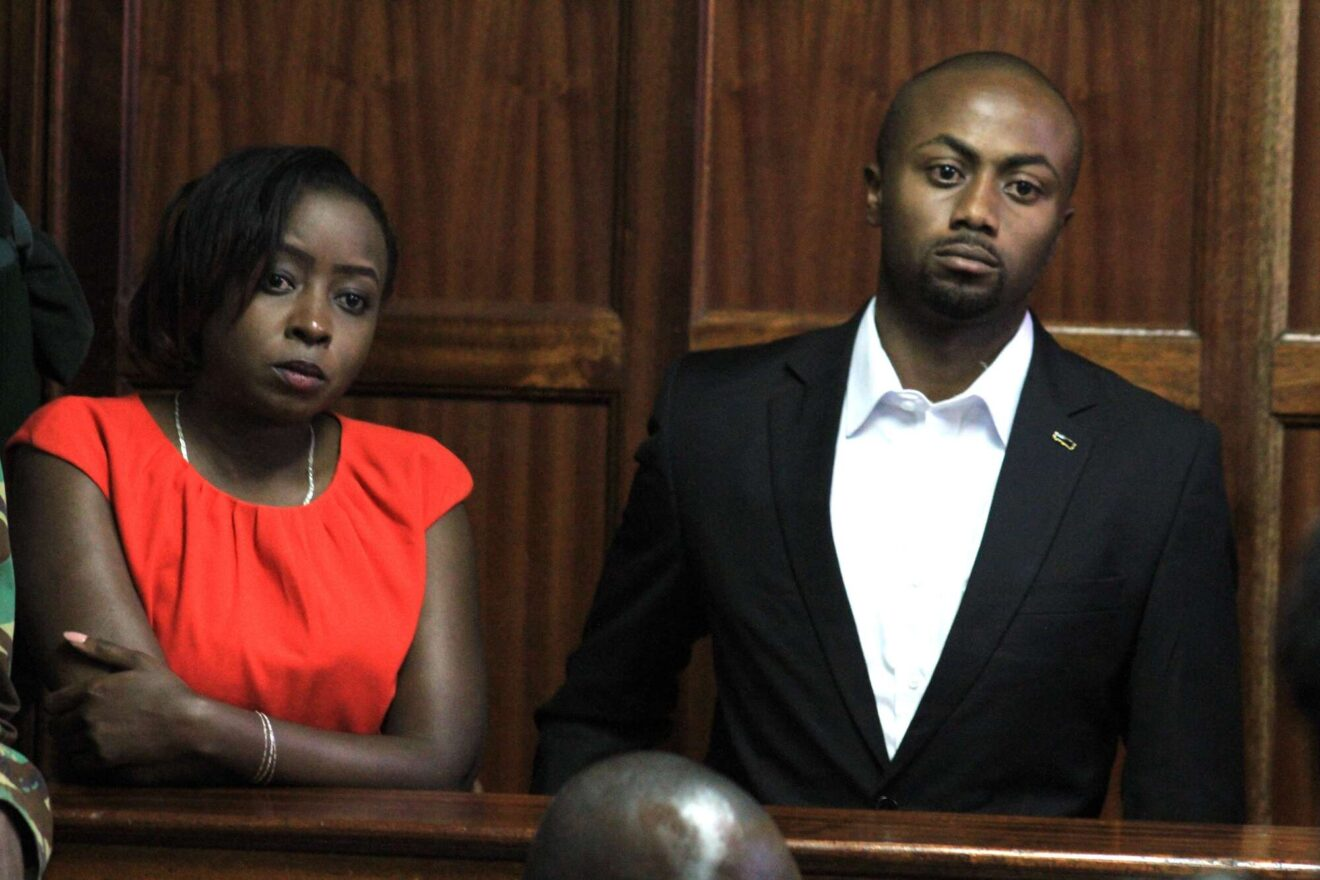

Two days after Monica's death, on September 21, Irungu sustained a gunshot wound to the hand. In court, he testified that the gun discharged accidentally during an argument with Maribe over messages he had seen on her phone.
He confessed that he was intoxicated, angry and was throwing his belongings out of her house when the weapon went off.
The explanation satisfied no one, least of all the investigators tracking his movements. Maribe, in turn, gave inconsistent statements to police about the circumstances of the injury. WhatsApp messages, call logs, video footage and witness testimony from multiple parties had already begun constructing a dense and interlocking evidentiary web around both of them.
Both pleaded not guilty. Both would remain on trial for over five years.
The Monica Kimani Verdict: 13 Court Findings That Led to a Murder Conviction
Justice Grace Nzioka delivered her verdict on February 9, 2024. She made 13 findings of fact. Jowie had denied ever knowing Monica Kimani. The court found this claim "untenable, insincere, an afterthought and false."
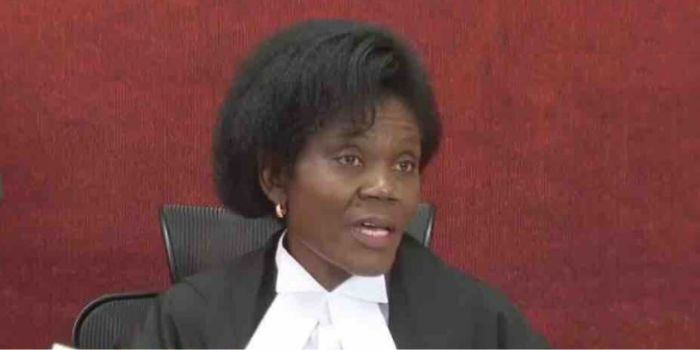
Monica's brother, George Kimani, testified that Jowie had attended Kenya Polytechnic with his late sister. A mobile data analyst confirmed prior phone contact between the two with a contact registered under Monica's name existed in Jowie's phone.
The prosecution's case was built on intersecting evidence. There was CCTV footage, forensic blood analysis confirming Monica's blood on Jowie's clothing, mobile phone and call records placing him at the scene. There were also eyewitness accounts of his clothing and movements, evidence of attempted destruction of evidence, a stolen ID and a borrowed firearm.
The court also noted that Jowie had undergone security training and possessed knowledge of military operations which are factors that bore directly on the manner of Monica's death.
Jacque Maribe was acquitted on the murder charge. Justice Nzioka found no evidence placing her at the crime scene or in direct communication with Monica that night.
However, the judge found that Maribe's contradictory police statements amounted to giving false information to a public officer, an offence she could not be convicted of because the prosecution had charged her with the wrong offence. The Director of Public Prosecutions subsequently filed a notice of appeal against her acquittal.
Jowie Irungu's Death Sentence and Kenya's Femicide Reckoning
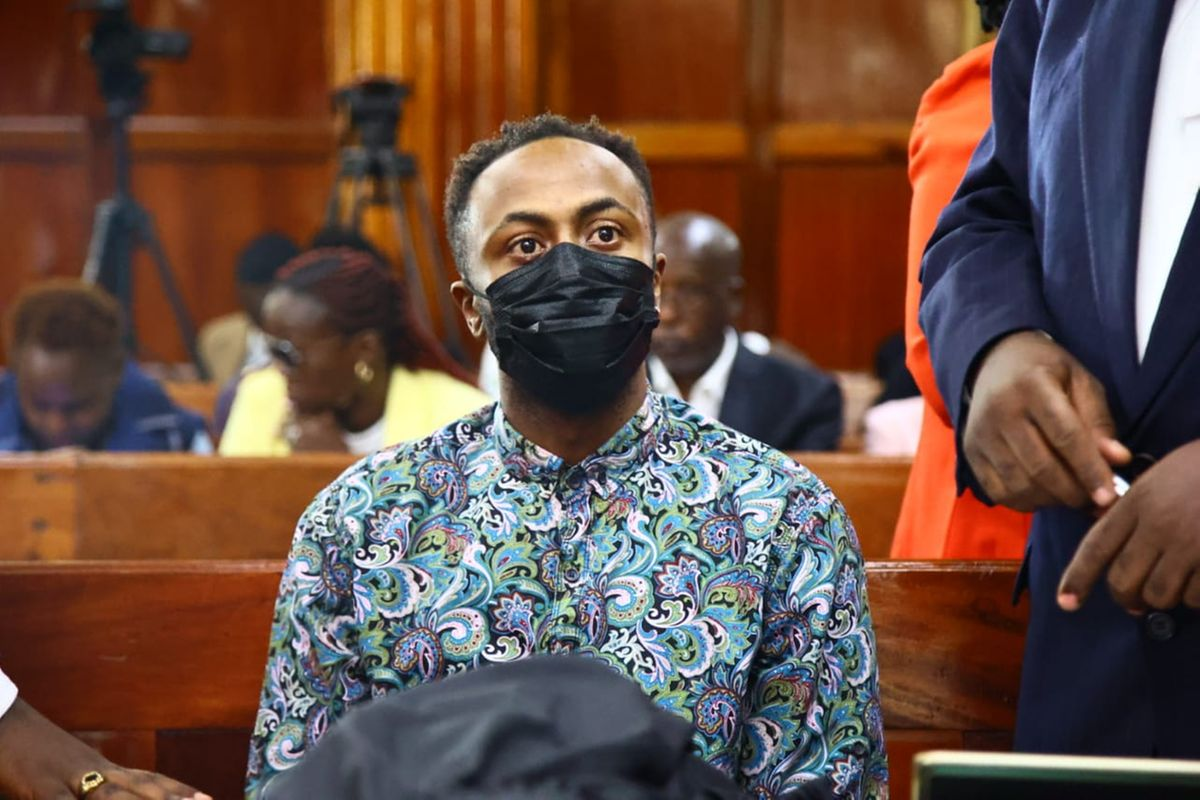
On March 13, 2024, Justice Grace Nzioka sentenced Joseph Irungu to death under Section 204 of Kenya's Penal Code. In her reasoning, she cited the premeditated and calculated nature of the killing, the certainty of lethal intent, the use of a fraudulent identity document to gain access to the victim's home, the acquisition of a firearm under false pretences, and Irungu's security and military training a man who went to Monica Kimani's apartment knowing exactly what he intended to do.
Monica's family had pushed for the maximum sentence. Her father, Bishop Paul Ngarama, later said publicly that he forgave Jowie Irungu.
Irungu has since appealed both the conviction and the death sentence, and filed a separate constitutional challenge arguing that statutory provisions barring death row inmates from bail pending appeal violate Kenya's Constitution.
The Monica Kimani murder case is now a permanent fixture in Kenya's criminal history. What it leaves behind, beyond the verdict, is the shape of a woman who landed at an airport with plans and a future, and a killer who had already decided neither would matter.