Nigeria’s Wildlife Seizures Are Rising — But One Signature Still Stands in the Way
In April 2026, Nigeria Customs intercepted hyenas, a porcupine, and protected birds in Maiduguri, adding to a growing list of wildlife seizures while a key protection bill still awaits presidential assent.
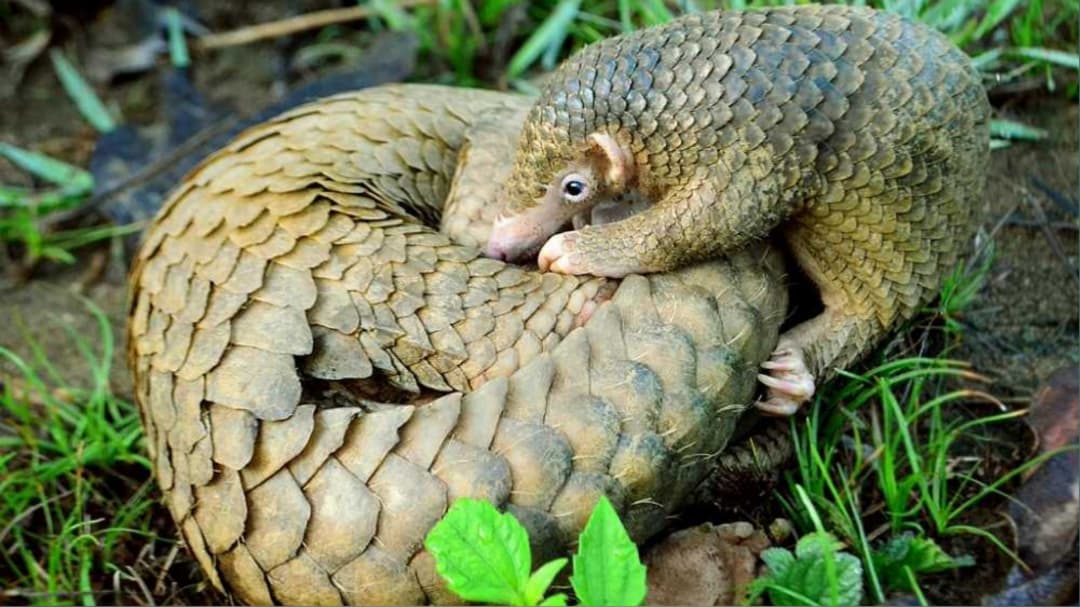
Earlier in April 2026, Nigeria’s Customs Service announced another wildlife interception in Maiduguri — two hyenas, a porcupine, and 24 protected birds discovered inside a vehicle during an enforcement operation.
The seizure was confirmed by the agency as part of its ongoing crackdown on illegal wildlife movement across border and transit routes, and this is not an isolated incident.
This latest case is already the sixth major wildlife seizure since October 2025, based on enforcement records shared by customs through official updates and media briefings.
In that time, authorities have also intercepted elephant ivory in Abuja, live pangolins across northern and southwestern routes, and other wildlife including primates and a lion cub near border corridors.
Each seizure involves different species, but the pattern being reported by enforcement agencies remains consistent, illegal wildlife movement across multiple regions, not a single-point problem.
A Law That Has Passed, But Is Not Active Yet

Source: thisdaylive
Nigeria’s National Assembly passed a wildlife protection bill in late 2024, after years of drafting and revisions aimed at strengthening how the country handles wildlife crime.
The bill is intended to:
expand Nigeria’s protected species list
increase penalties for trafficking
align national enforcement with global wildlife trade rules under theCITES framework
However, the bill is still awaiting presidential assent, meaning it has not yet become enforceable law.
A key delay came after lawmakers identified classification gaps, where some species listed as endangered globally were not fully reflected in Nigeria’s draft schedules and those corrections have now been completed and the bill is ready for final approval.
Until that approval happens, enforcement agencies continue operating under existing wildlife laws, which conservation groups argue are outdated for current trafficking realities.
What the Pattern of Seizures Suggests
The repeated interceptions since late 2025 point to something broader than isolated enforcement wins.
Wildlife trafficking in West Africa is widely documented as part of an organized trade network that moves species through multiple transit routes across the region.
The World Wildlife Fund (WWF) identifies pangolins as one of the most trafficked mammals globally, driven by illegal demand chains that span continents.
Nigeria’s geographic position makes it part of those movement corridors not just as a source country, but also as a transit route for wildlife being moved toward international markets.

This is why the seizures reported by customs appear in different states and involve different species. They are not random, but part of a wider flow being intercepted at different points.
Enforcement Is Active But Still Legally Limited
The Nigeria Customs Service has increased interceptions across multiple regions, reflecting more active surveillance and border enforcement effort.
However, enforcement activity does not automatically translate into stronger prosecution outcomes.
Without updated legislation, penalties and species classifications remain limited in scope compared to current trafficking methods.
Wild Africa’s West Africa director Linus Unah has stated that signing the wildlife protection bill would strengthen the entire enforcement chain, from investigation through prosecution by providing clearer legal authority for wildlife crime cases.
At the moment, enforcement agencies are acting within a system that is active, but not fully upgraded.
A System Working, But Not Fully Aligned
What stands out in this period is not only that seizures are happening, but that they are happening while a key legal reform remains incomplete.
On one side, customs enforcement is visibly active, with repeated interceptions reported over several months.
On the other, the legal framework designed to support that enforcement is still awaiting final activation through presidential assent.
That creates a mismatch between action and authority, where enforcement is responding to crime in real time, but without the full strength of the updated legal structure behind it.
Until the wildlife protection bill is signed into law, that gap remains.
And in that gap, the trade continues to adapt.