She100: Building Systems, Saving Lives — The Work of Matshidiso Moeti
A look at how Matshidiso Moeti quietly shaped Africa’s public health systems, led major disease control efforts, and redefined leadership at the World Health Organization.
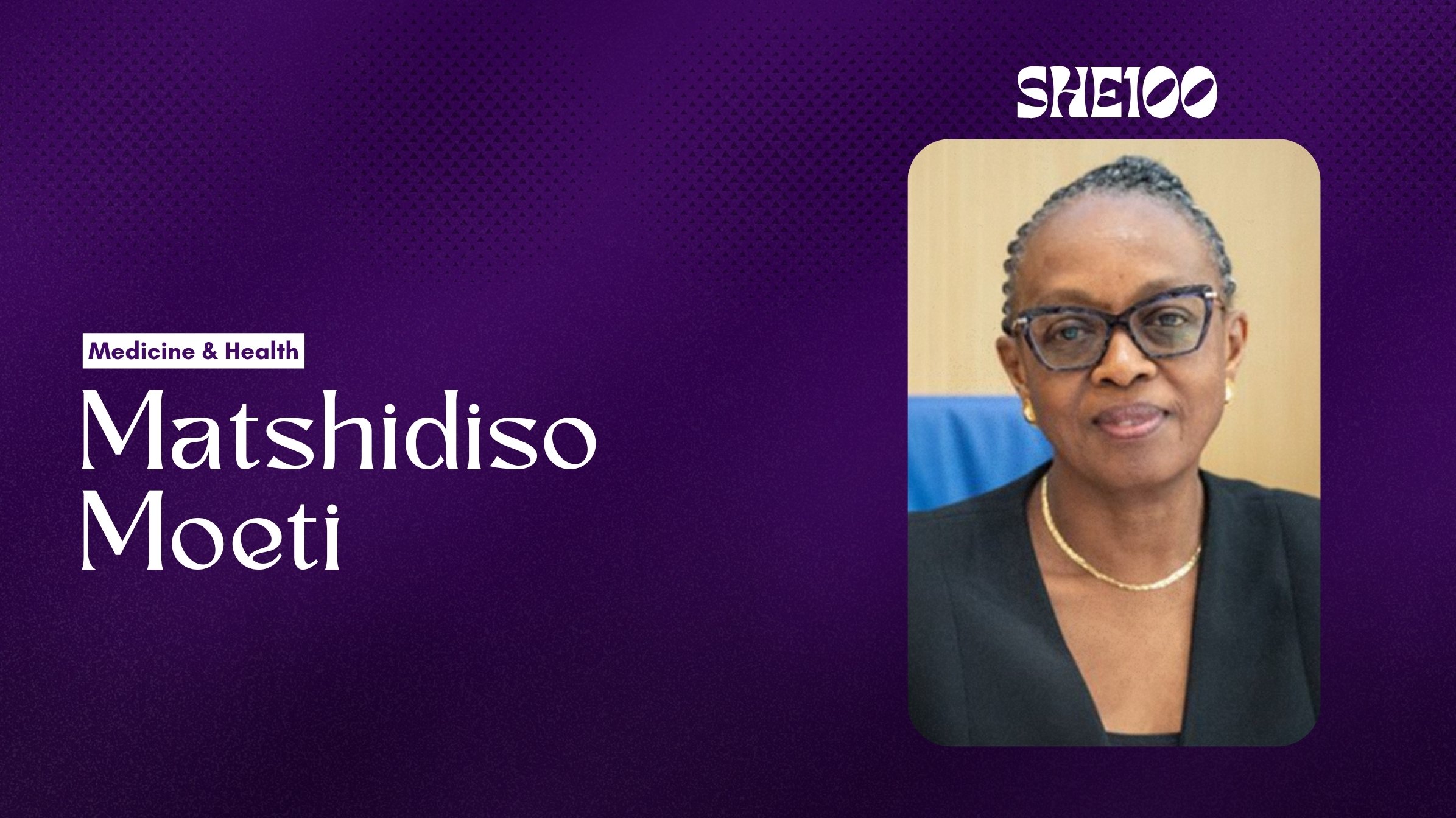
Dr. Matshidiso Moeti has spent her entire career building, quietly, methodically and on behalf of an entire continent.
Born in Johannesburg in 1954 to parents who both worked in healthcare, Moeti grew up in a household where public health wasn't just a profession, it was embedded in her daily life.
Her father drove out into the Botswana bush for days at a time as part of smallpox eradication campaigns. Her mother was equally embedded in the work.
So when Moeti eventually found her own way into medicine, it wasn't much of a surprise. What was surprising, maybe even to her, was just how far that path would lead.
From the Wards to the World
Moeti trained as a doctor in London, earning her medical degree fromthe Royal Free Hospital School of Medicine in 1978. She later returned to study public health at the London School of Hygiene and Tropical Medicine, a deliberate turn that would define the rest of her career.
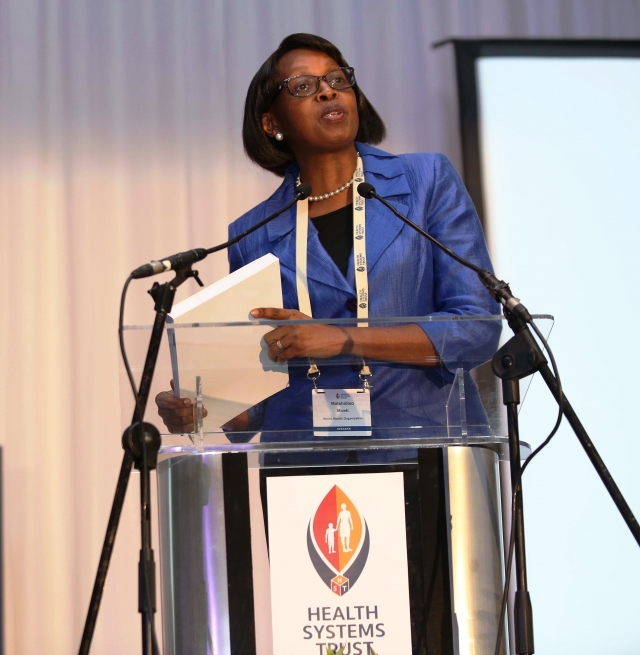
She has said that she stumbled into public health almost by accident. She had a young child at the time and couldn't commit to a four-year clinical specialty. What she found instead, in the TB ward of a Botswana district hospital, was a calling.
That early exposure to preventive medicine, of treating disease before it spreads, of thinking about populations rather than just individual patients, became the lens through which she would approach every role that followed.
From clinician at Botswana's Ministry of Health to regional health advisor at UNICEF to Team Leader at UNAIDS in Geneva, Moeti spent decades building the kind of experience that doesn't fit neatly on a resume but shapes everything.
The Intervention That Changed Everything
If there is one moment that crystallises what Moeti is made of, it is her work during Africa's HIV/AIDS crisis. In the early 2000s, antiretroviral therapy existed but access across Africa was devastatingly limited.
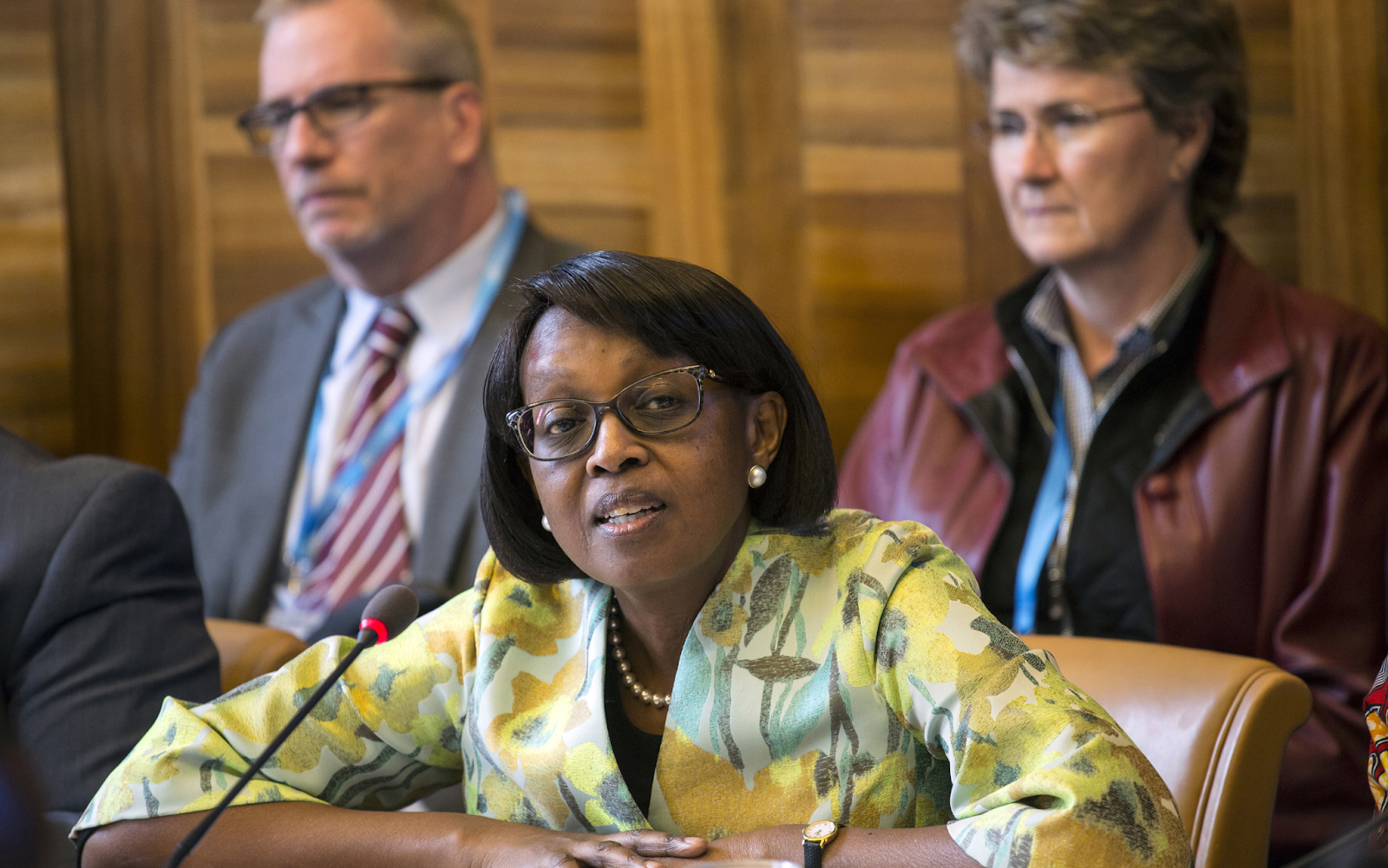
As a programme manager at WHO, Moeti helped lead the "3 by 5" Initiative, a global push to get three million people in low and middle income countries onto ARV treatment by 2005. The numbers mattered, but so did the method.
One of the initiative's most consequential decisions was to empower nurses to prescribe antiretroviral drugs, a move that cut through bureaucracy and put treatment directly into communities.
What had been a death sentence began to look like a manageable chronic condition. It was not a perfect victory. The target was not fully met by the deadline. But the story changed and Moeti was part of the plot.
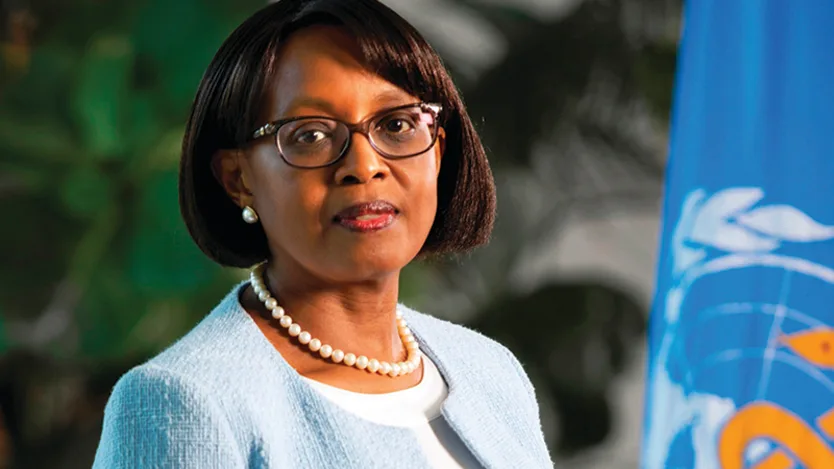
47 Countries, One Mandate
In February 2015, Moeti was elected Regional Director of the WHO Regional Office for Africa, the first woman to ever hold the position, endorsed by the health ministers of all 47 member states. She would go on to serve two full five-year terms.
The scale of the role is difficult to overstate. Sub-Saharan Africa faces roughly a hundred acute health emergencies a year.
Under her leadership, response systems were strengthened and coordination across countries improved, helping to contain outbreaks more effectively.
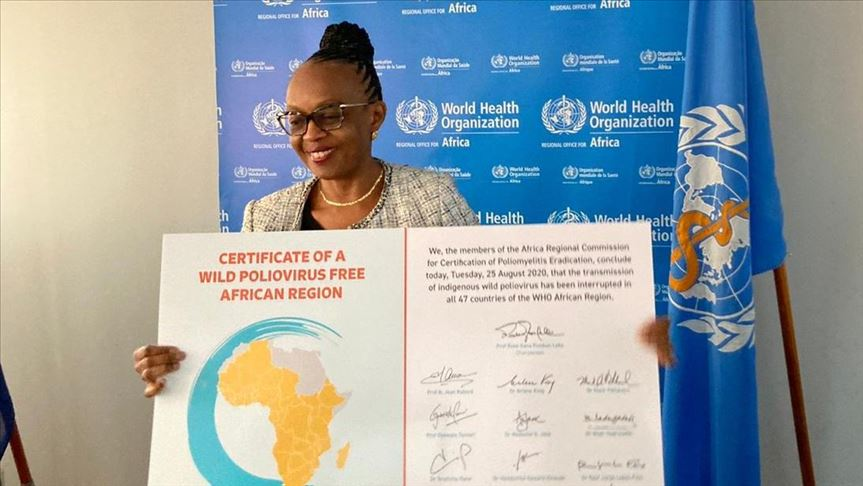
Under her leadership, Africa was certified free of wild poliovirus in 2020, only the second disease ever eradicated from the continent after smallpox.
Nineteen countries eliminated at least one neglected tropical disease. Universal health coverage frameworks were embedded in national health strategies across the region.
Digital health tools, once considered a luxury, became infrastructure.
The Quiet Architect
What makes Moeti's story particularly compelling is not just the list of achievements. It is the philosophy underneath them.
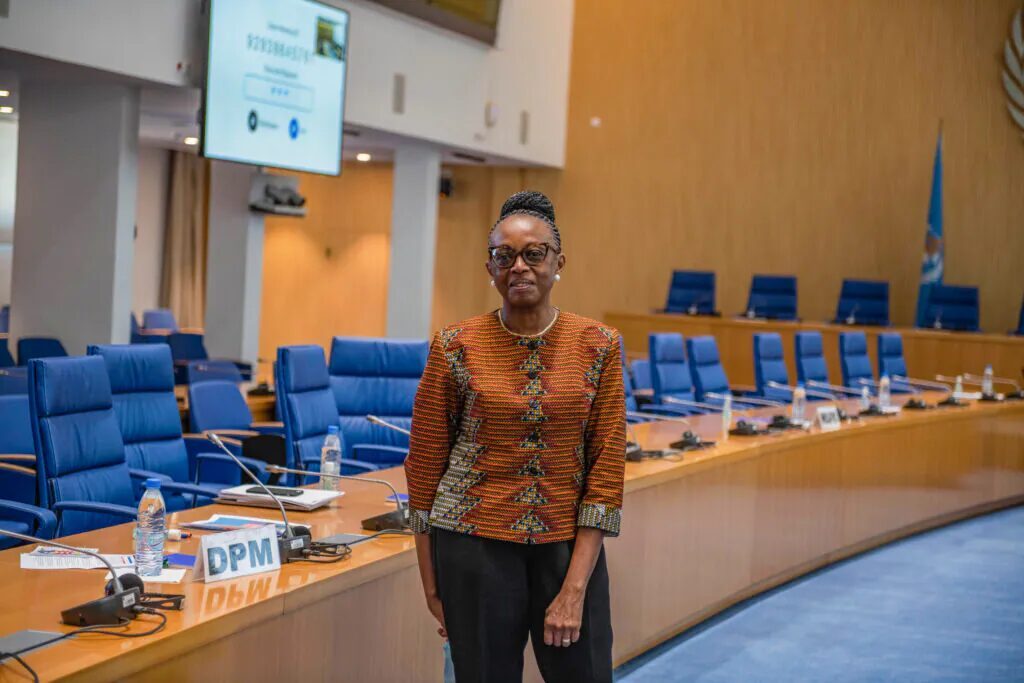

She has spoken often about the importance of clarity of purpose, knowing what you want to achieve and going after it relentlessly, while remaining empathetic to those around you.
She has credited mentors, mostly men in male-dominated spaces, for championing her progress. And she has consistently turned that support outward, advocating loudly for young women in global health to find each other, build networks, and show up for one another.
When asked once for three words of advice for women entering their careers, she said, categorically: "Support each other."
Dr. Matshidiso Moeti didn't just scale a hurdle. She spent a decade changing the rules of the race.